
Newcastle Student Finds Roman Gold on Her First Dig in Northumberland
Gold jewellery, scratched Latin writing and a Jupiter intaglio emerged during a summer 2026 field school involving 52 first-year students in Redesdale.

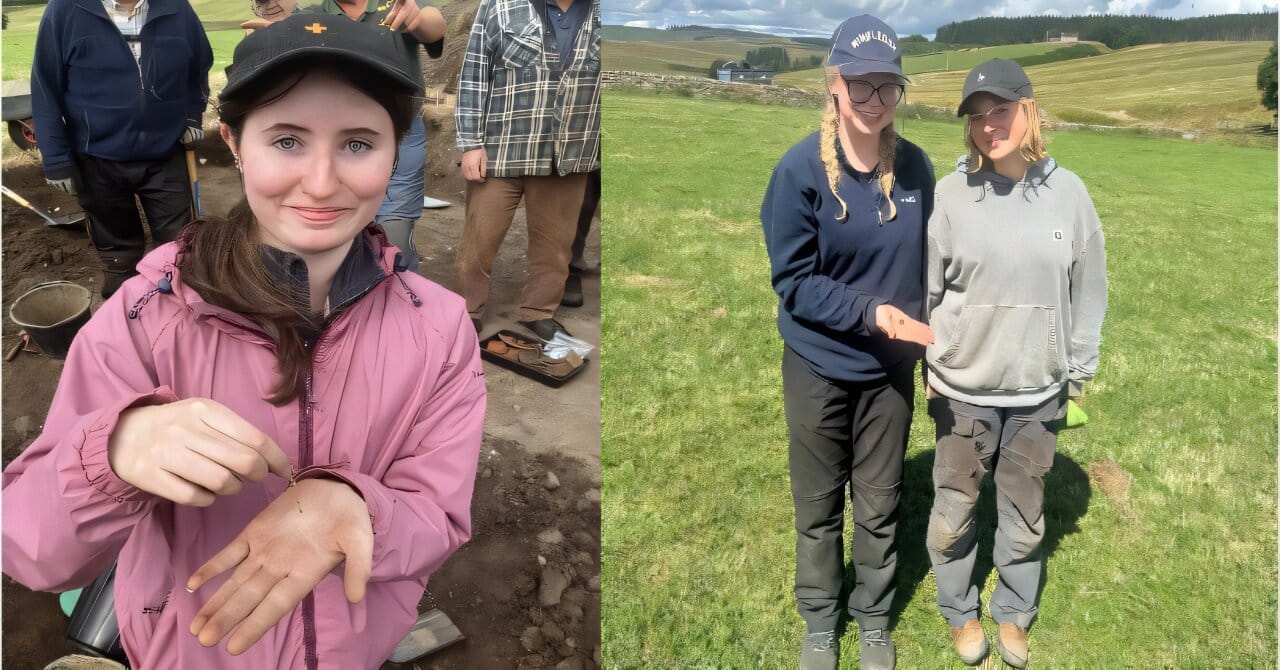
A Newcastle University archaeology student found a Roman gold chain on the first day of her first excavation during a training dig in Redesdale, Northumberland. Elise Zallu’s discovery was part of a summer 2026 season that also produced a gilded military fitting, inscribed objects and an engraved gemstone showing Jupiter.
The university announced the finds on 18 November. Fifty-two first-year students took part in the field school, working in two groups that each spent two weeks on site. Volunteers from the Redesdale Archaeology Group joined them, and The Archaeological Practice Ltd directed the excavations.
The work belongs to a continuing investigation of the buildings, industries and communities supporting Rome’s northern frontier. Alongside the more unusual objects, the students recovered coins, spearheads, dress accessories and pottery. Together, these finds provide material for studying the people who supplied, equipped and lived around a Roman military site.
A gold chain from the first day in the trench
Zallu uncovered a surviving section of chain approximately 7 centimetres (2.8 inches) long. The university describes it as fragile and exceptionally well preserved. Her account places the discovery on the opening day of her first dig, giving the field-school season an unusually early encounter with Roman gold jewellery.
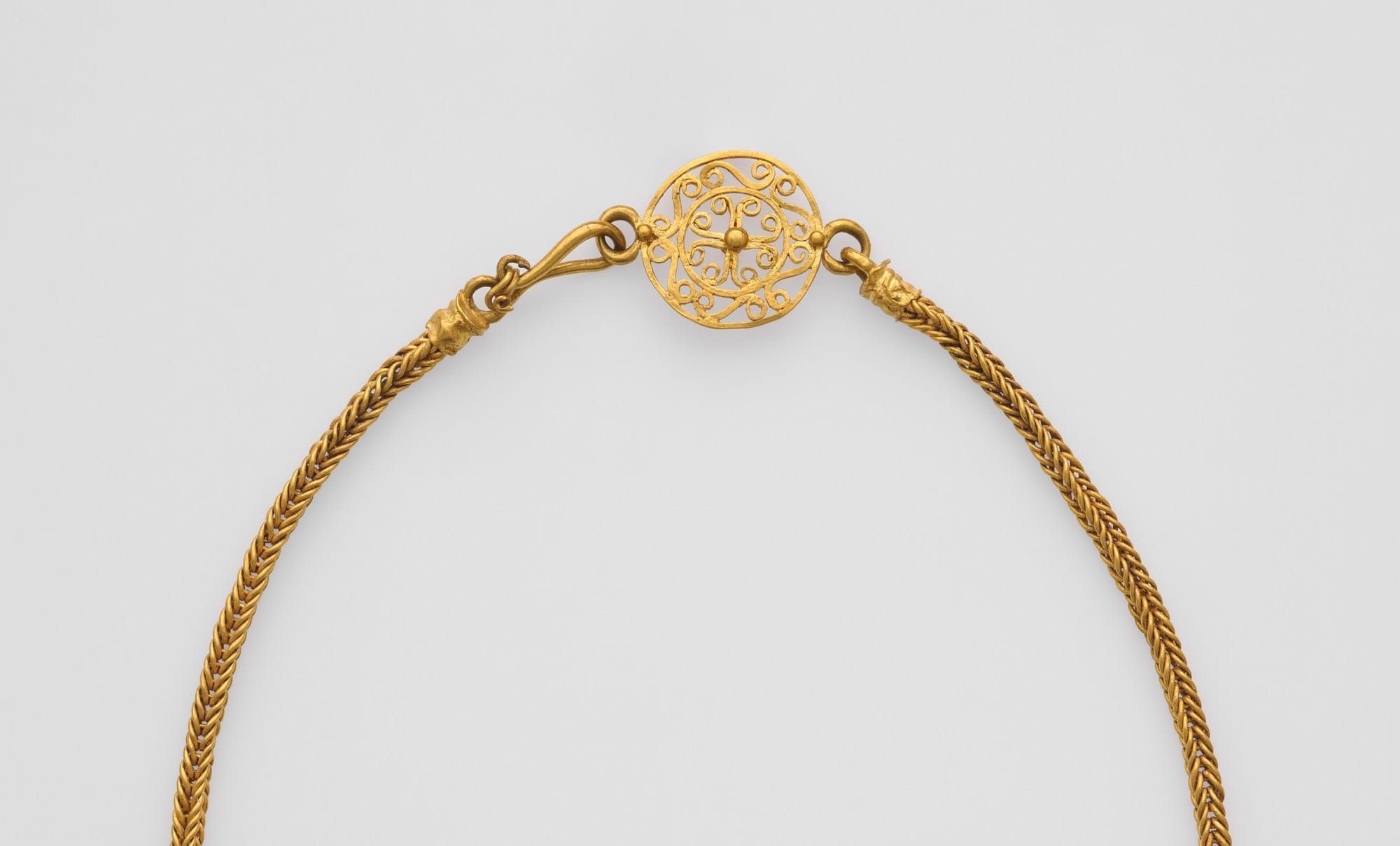
The announcement identifies its construction as loop-in-loop work. Making this kind of chain involved shaping individual rings into a figure of eight, folding them and interweaving them with neighbouring elements. The repeated links produced a flexible length of metalwork, with the pattern created by the way the rings were assembled.
Zallu said she had not expected to find anything comparable during her career. She described the experience as surprising and expressed gratitude for the opportunity to gain practical field experience through her archaeology course. A second-century Roman-period chain from Egypt in the Metropolitan Museum of Art offers a surviving comparison for the loop-in-loop technique. Its gold links are joined to an openwork medallion at the clasp, with a pendant representing the Egyptian god Bes suspended below.
Folded lead carries a Latin inscription
Another first-day discovery came from Shannon Wood, who recovered a folded lead sheet bearing scratched Latin lettering. Parts of the cursive writing are obscured. The inscription is therefore an important next stage of the investigation, with further study expected to clarify what the object was used for.
The archaeologists’ preferred interpretation, reported by the university, is a commercial seal. They connect that possibility with trade, taxation, ownership or the movement of supplies. Such an identification would place the small object among the material traces of the transactions and goods passing through the frontier community.
A personal message or a curse tablet is also being considered. The announcement notes that people wrote prayers, requests, grievances and curses on thin lead sheets, which could then be folded and deposited. The team’s proposed readings give the inscription a central role in determining this particular object’s purpose.
A gilded fitting joins the military finds
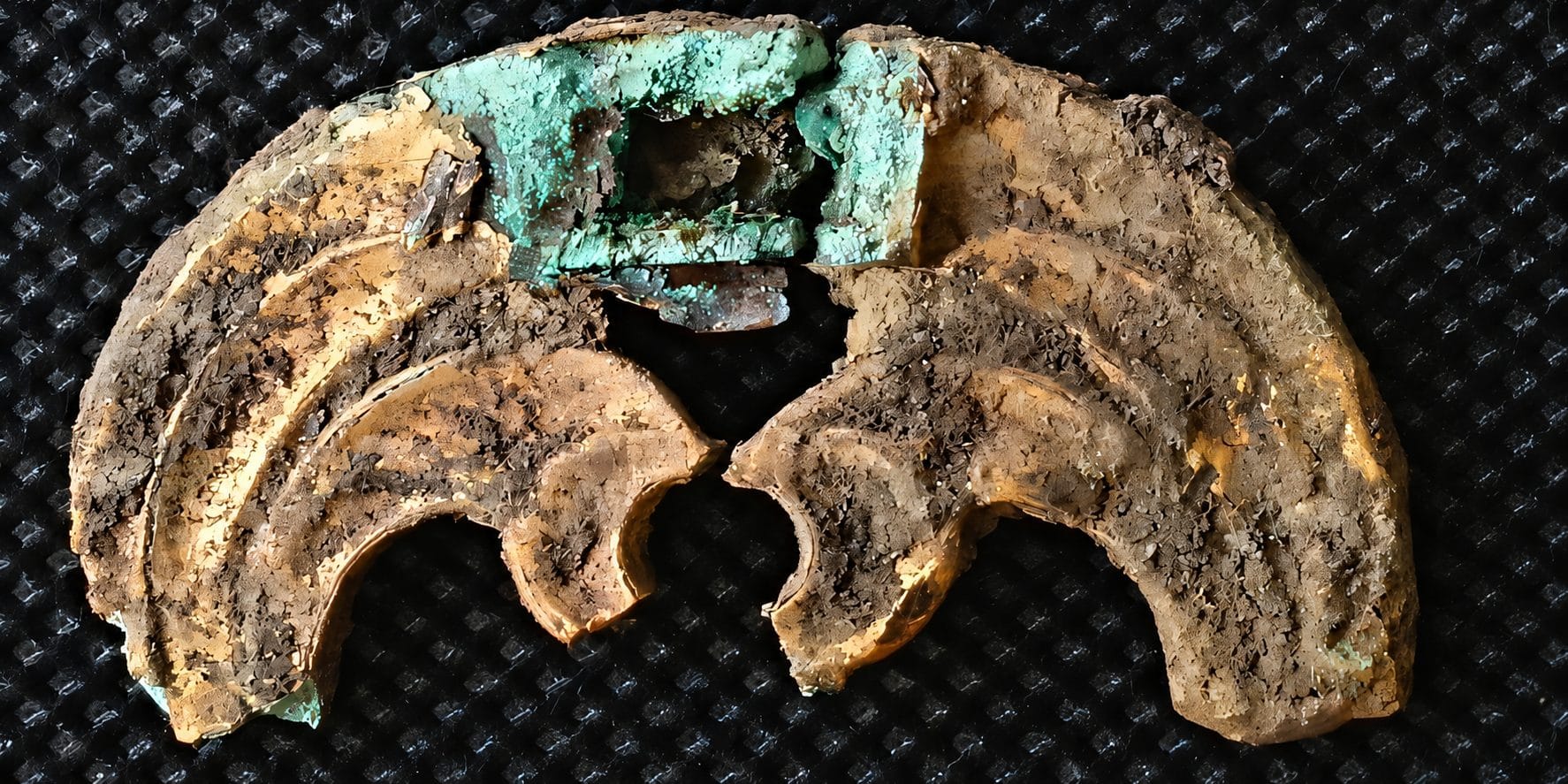
On the second day, Megan Potter found a bronze fitting with gold gilding still visible on its surface. The team identifies it as a peltate cavalry dangler. The announcement lists a military belt, horse harness or a sword scabbard among the possible places where it could originally have been attached.
The word peltate refers to its crescent-shaped design, derived from the form of a small shield called a pelta. Its curved ends turn inward, and moulded concentric ridges decorate the front. Surviving gilding preserves evidence of the gold-coloured appearance that the fitting would once have presented.
The researchers suggest that an officer or another person of high standing may have owned it. The fitting adds a carefully made piece of personal equipment to an assemblage that also includes spearheads and other objects associated with the military setting.
A name scratched into a Samian bowl
Writing also appeared on pottery recovered during the season. One well-preserved example is a bowl of Samian ware, also known as terra sigillata, carrying a scratched name. The university gives alternative readings as “MARTIN[I]” or “MARTIN[US]” and associates them with the personal name Martinus.
Several additional pottery fragments appear to carry the same name. The team interprets these marks as possible indications of ownership or personal identification. The university associates the repeated name with someone who lived or worked at the site around two thousand years ago.
The inscribed vessels belong within a wider collection of pottery and everyday finds. They add a different kind of detail to the season’s metalwork: letters placed on objects handled at the site. The announcement records numerous examples of graffiti on pottery, extending the evidence for writing beyond the folded lead sheet.
Jupiter appears on an orange gemstone
During the final week of the excavation, Maisy Watmough and Zoe Yuill discovered a carnelian intaglio. Its polished orange surface carries a carved image of Jupiter. The god holds a sceptre and a small figure of Victory, while an eagle appears at his feet.
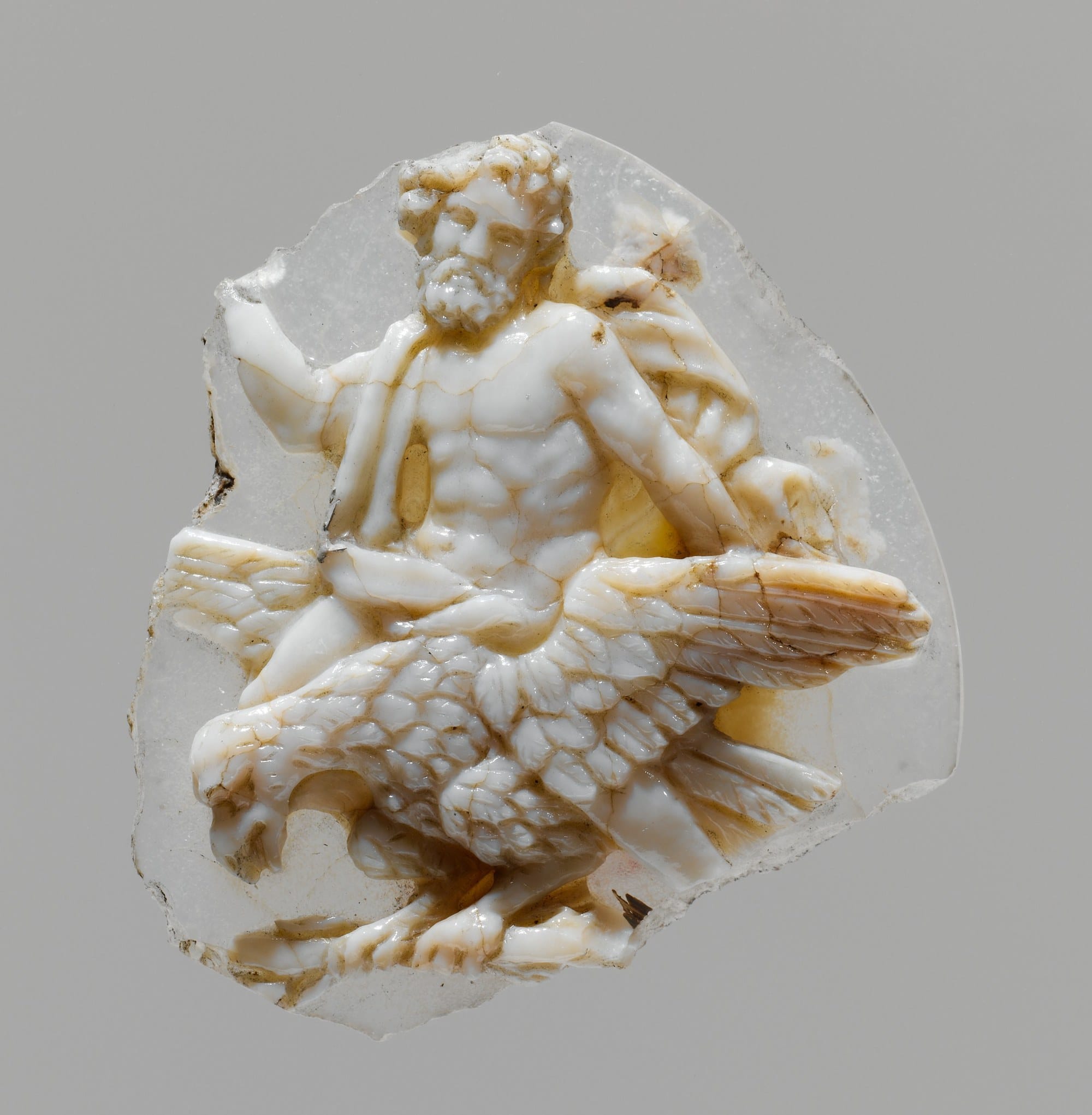
Intaglios were engraved gemstones that could be mounted in rings and used as personal seals. Pressing the carved surface into wax left an impression that could identify the owner or authenticate a document. Jupiter appears on engraved gems elsewhere in the Roman world. A study of gems from Ammaia, a Roman town in present-day Portugal, catalogues a third-century example showing the god with a thunderbolt, sceptre and eagle.
The university describes it as the fourth intaglio found at the site. Two came from the 2025 excavation season, and another was discovered in the nineteenth century. The 2026 find therefore joins an existing group of engraved stones, adding another object through which the project can examine personal possessions in the frontier settlement.
Excavating the community around the military site
The training excavation continues a much longer programme of research. Newcastle staff, students and partners have investigated the site since the early 1990s, including major campaigns between 1992 and 1998 and work in 2010. The current project began in 2021.
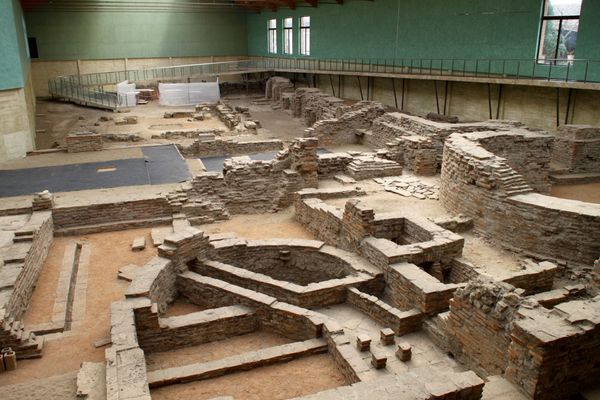
That project has investigated two large enclosures, described as annexes. Excavation has examined their defences, internal buildings and roads, together with evidence of industrial activity. These areas form part of the wider landscape through which the researchers are studying workshops, supply facilities, traders and families around the military establishment.
Site director Richard Carlton links the objects with the buildings and industrial features under excavation. The combined evidence supports the project’s investigation of how the frontier operated and how Roman and local communities interacted. The 2026 season has added goldwork, military decoration, scratched personal names and a carved seal stone to that developing archaeological record.

About the Roman Empire Times
See all the latest news for the Roman Empire, ancient Roman historical facts, anecdotes from Roman Times and stories from the Empire at romanempiretimes.com. Contact our newsroom to report an update or send your story, photos and videos. Follow RET on Google News, Flipboard and subscribe here to our daily email.
Follow the Roman Empire Times on social media: