
Marcus Attilius: The Novice Gladiator Who Beat Rome’s Veterans
A novice gladiator known from Pompeian graffiti, Marcus Attilius won two remarkable bouts against far more experienced fighters.

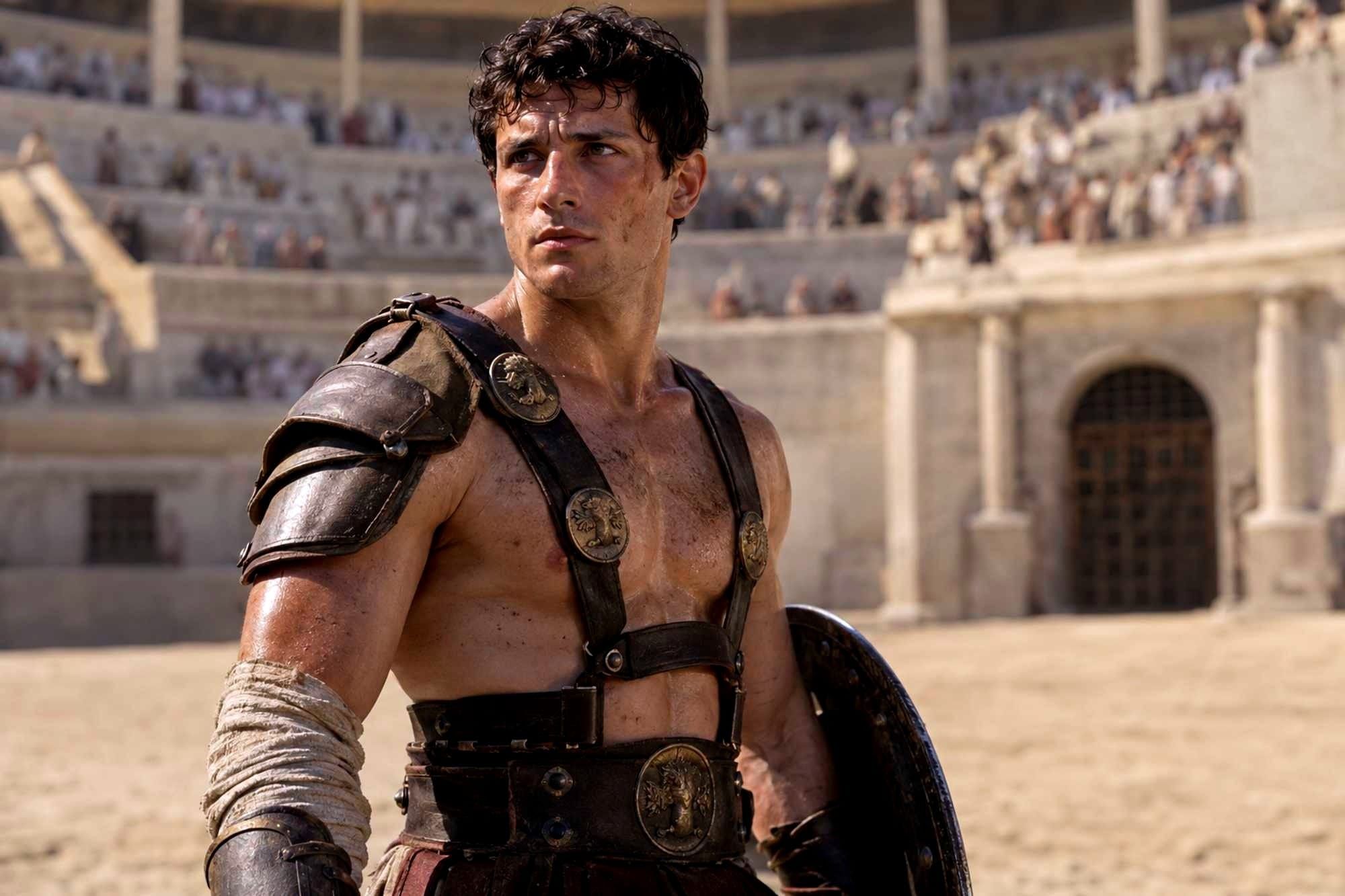
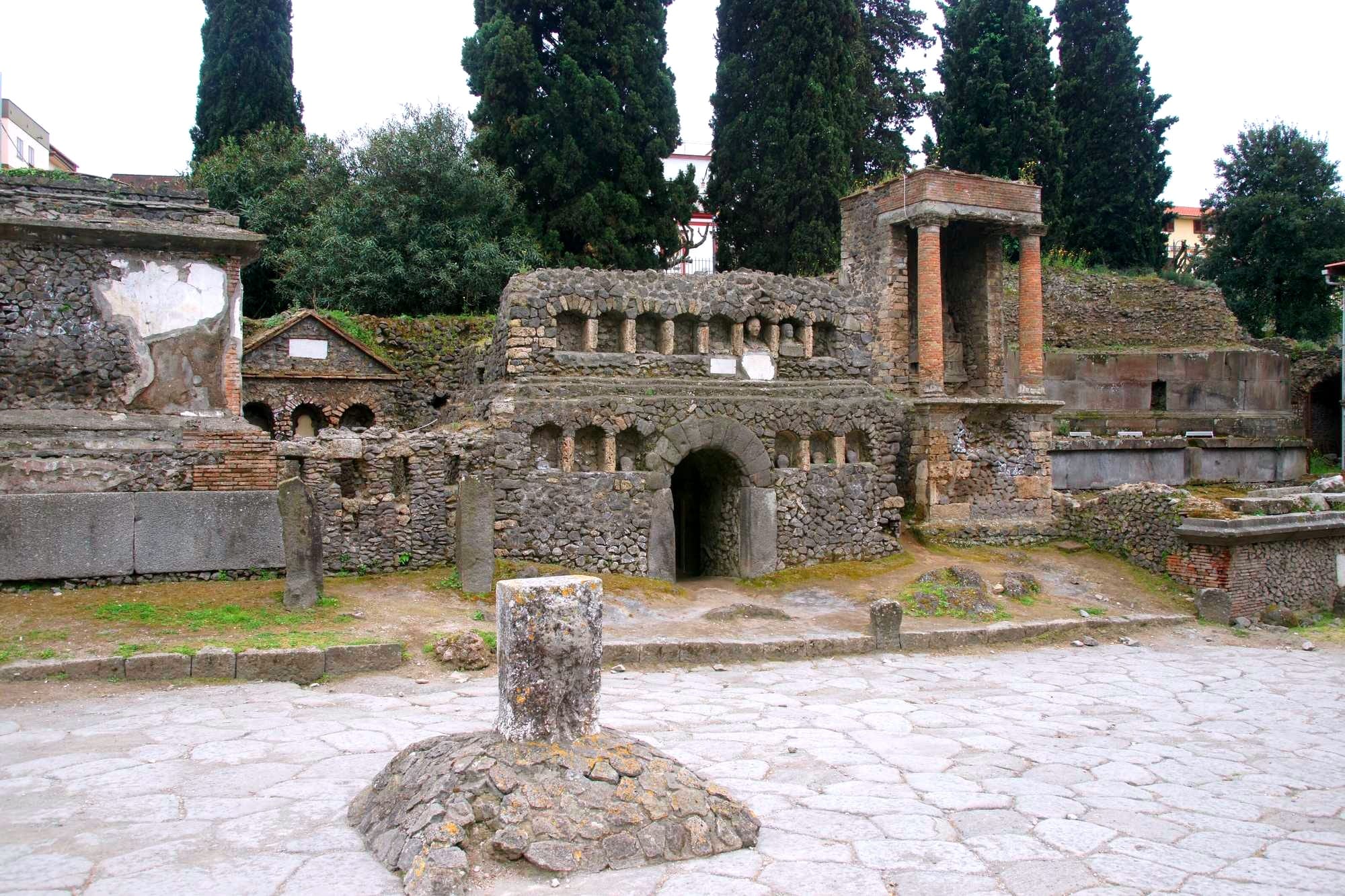
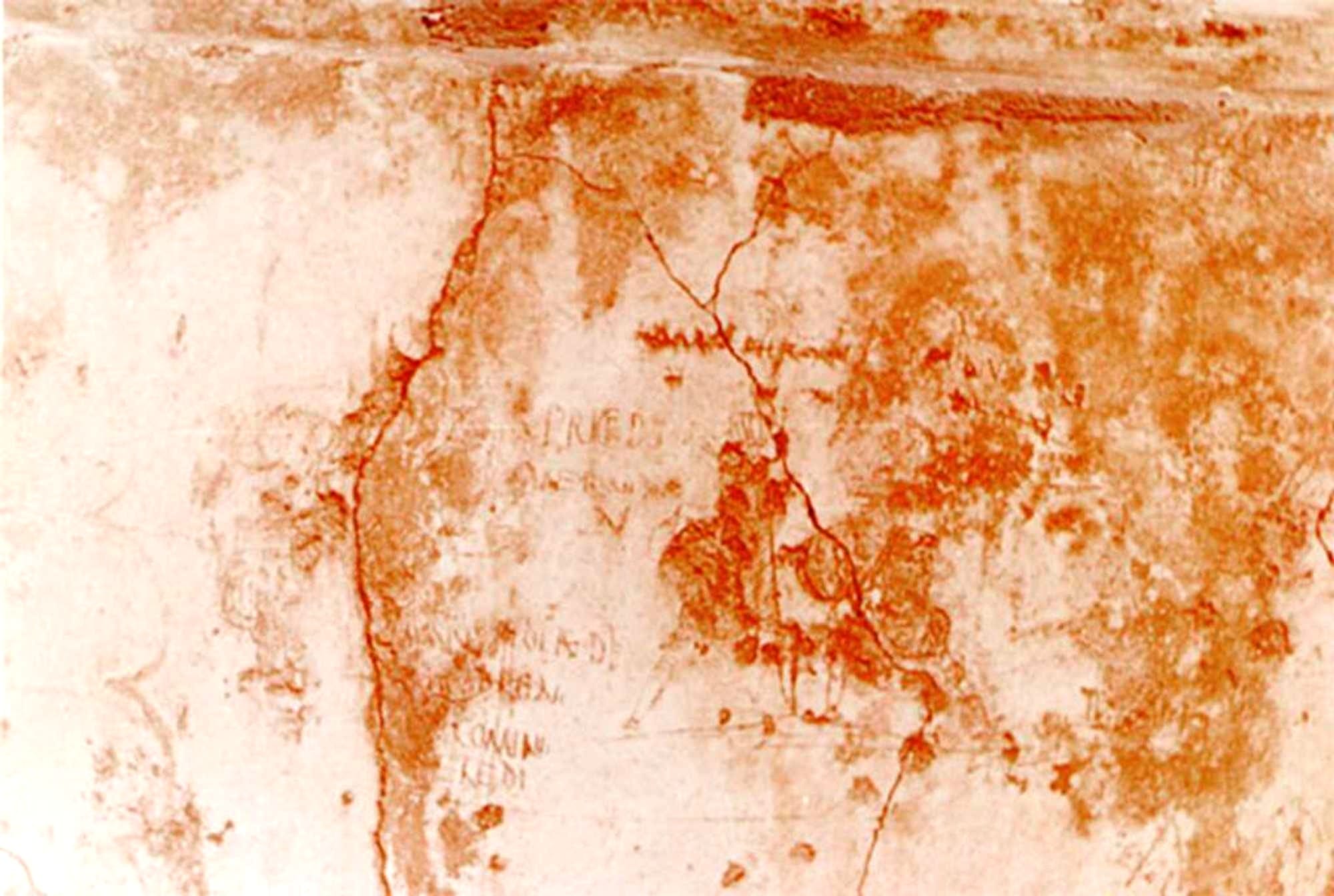
Marcus Attilius enters the surviving record without a biography. No ancient historian tells us where he was born, how old he was, what he did before entering the arena, or what persuaded him to become a gladiator. Instead, he appears in a group of graffiti scratched onto a tomb outside Pompeii’s Porta Nocera. The drawings record gladiatorial contests held at nearby Nola, giving the names of fighters, elements of their previous records and the outcomes of their bouts.
Among those names is Marcus Attilius. Beside it appears the abbreviation for tiro, marking him as a novice. His first recorded opponent was an experienced fighter named Hilarus. Attilius defeated him. In the next bout preserved for Attilius, he faced Lucius Raecius Felix, whose record is given as twelve fights and twelve victories. Attilius defeated him as well.
The surviving evidence is narrow, but unusually concrete. It preserves Attilius’ novice status, the records of his opponents and the outcomes of two bouts. It also places him within a much broader body of evidence for gladiators whose names and results were followed by spectators, including freeborn Romans who entered a profession that carried serious social and legal disadvantages.
Four Days of Gladiatorial Games at Nola
The Attilius drawings referred to four days of gladiatorial games at Nola associated with Marcus Cominius Heres. Several contests were represented, and the inscriptions beside the figures recorded names, previous fights, victories and outcomes.
The drawings share enough similarities in execution, lettering and iconographic details to have been treated as the work of a single hand and as a record of the same spectacle. They therefore preserve more than separate sketches of gladiators. The group records a sequence of notable bouts from the four-day event in a form that could be read after the games had taken place.
One part of that sequence concerns Hilarus. At one stage he is recorded with fourteen fights and twelve victories, and he is also shown defeating Creunus, who had fought seven times and won five. Creunus was missus, meaning that he was spared after losing.
The reconstruction of Hilarus’ record before he met Attilius is not entirely uniform. One reading of the sequence takes his victory over Creunus as his thirteenth, making him a thirteen-time victor when he faced Attilius the following day.
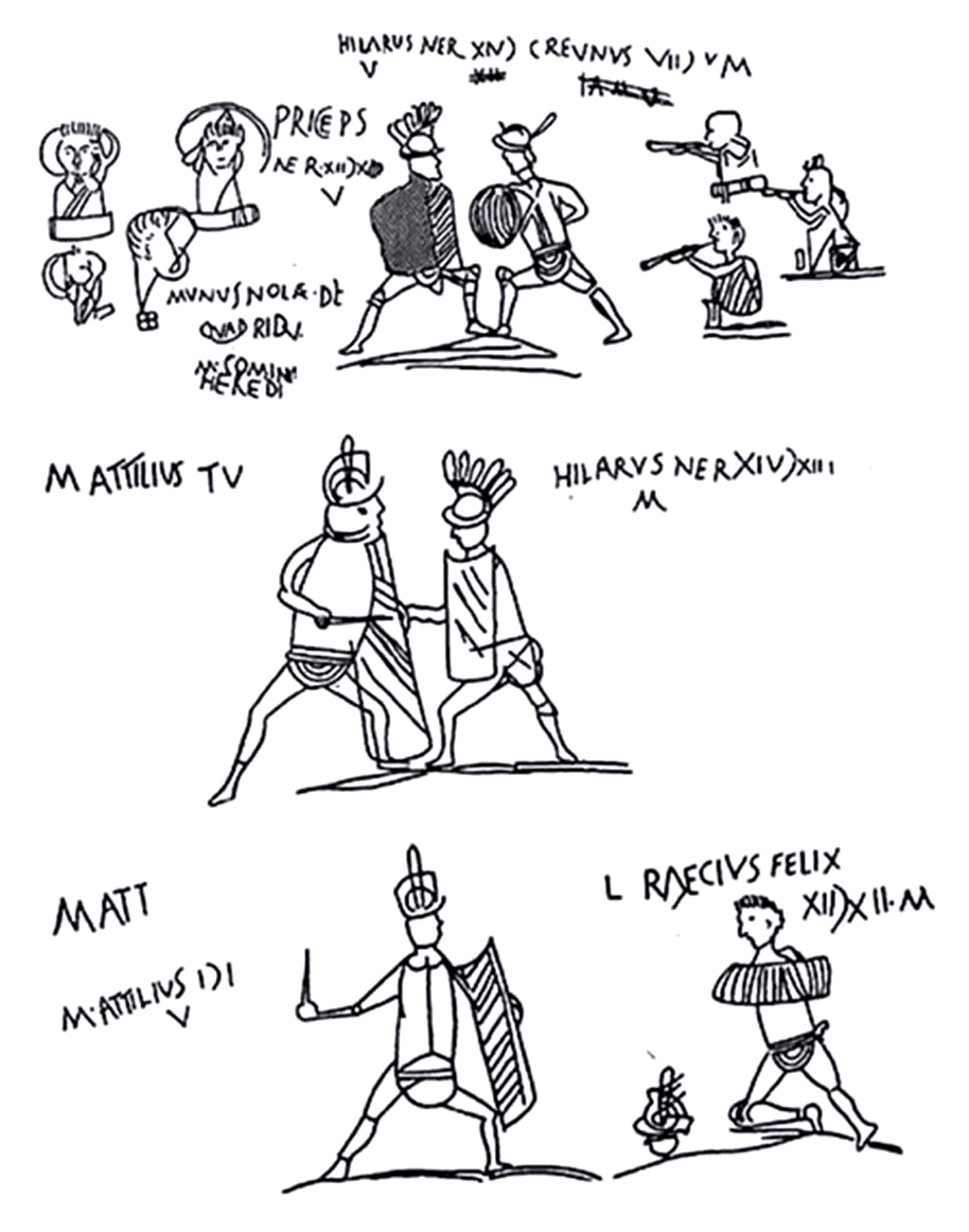
Another published presentation of the inscription for the Attilius bout still gives Hilarus fourteen fights and twelve victories. The important point does not depend on choosing between those readings: Hilarus was already an experienced gladiator when the novice Attilius defeated him.
The inscription identifies Attilius as tiro and victor. Hilarus is marked missus, so he survived the defeat. The record therefore preserves Attilius’ debut against a man who already had a substantial history in the arena.
A Second Fight Against an Undefeated Opponent
Another graffito records Attilius after that first victory. His record now reads one fight and one victory. His opponent was Lucius Raecius Felix, whose record is given as twelve fights and twelve victories.
Attilius won again, while Felix was recorded as missus and therefore survived the bout. The evidence gives Attilius two recorded victories against opponents with far more experience than he had at the time.
The inscriptions do not preserve a full account of either contest. They do not tell us how long the bouts lasted, how either opponent was defeated, or exactly how the decision to grant missio was reached. The drawings and abbreviations preserve the principal result rather than a narrative of the fighting.
No later fight for Attilius is preserved in the evidence used here. Nothing in these sources tells us whether he continued fighting for years, changed troupes, eventually retired, received a rudis, or died in the arena. Those parts of his career remain unknown.
A Freeborn Roman Who Became a Gladiator
Attilius’ name is one of the most important pieces of evidence about his status. Its form identifies him as a freeborn Roman citizen rather than a slave known by a single name. Pompeian evidence preserves other gladiators with names characteristic of freeborn citizens as well, so Attilius was not the only free Roman to enter the profession.
Roman law and literature both recognize free men who contracted themselves for gladiatorial service. Such a decision carried consequences that went well beyond the physical risks of combat. Gladiators belonged to a socially degraded profession, and those who hired themselves out could suffer infamia, with restrictions on the civic standing and legal respectability normally associated with free citizenship.
The evidence also distinguishes between different forms of voluntary participation. Some free men hired themselves professionally for payment, while other men could fight voluntarily without payment. Livy, for example, describes games held by Scipio Africanus at New Carthage in 206 BC and deliberately distinguishes those fighters from the slaves and free men normally supplied by trainers. In that particular case, Livy says the participants offered their services voluntarily and without payment.
Attilius’ graffiti do not preserve the terms under which he entered gladiatorial service. His freeborn status is supported by his name, but no surviving contract identifies him specifically as an auctoratus. It is therefore possible to say that he was a freeborn citizen who became a gladiator without assigning him a particular contractual arrangement that the evidence does not preserve.
The severity of professional gladiatorial commitment is nevertheless well attested. Seneca the Younger — Lucius Annaeus Seneca, the Stoic philosopher, compares philosophical discipline with the terms accepted by men who hired themselves to the arena:
“Through burning, imprisonment, or death by the sword.”
Petronius preserves substantially the same oath formula in the Satyricon, where characters pretending to become gladiators swear:
“to endure fire, chains, flogging, death by the sword, and whatever else Eumolpus might demand of us, just like regular gladiators!”
The Petronius scene is fictional, but the oath formula closely parallels the terms preserved by Seneca. Together they show the extent of the physical submission involved in professional gladiatorial service.
The Debt Story Is Not in the Evidence
A popular version of Attilius’ story says that he became a gladiator because he was in debt. The surviving evidence about him does not say this.
Financial pressure certainly appears elsewhere in ancient discussions of voluntary gladiators. Juvenal imagines a financially ruined free man reaching the point where he may enrol himself under a gladiatorial trainer. Ancient literature also preserves stories in which men fight for money because they need it urgently.
One of the clearest examples comes from. Sisinnes and his companion find themselves in financial difficulty, and Sisinnes encounters an opportunity to earn a reward by entering combat. He voluntarily accepts the risk because of their need for money. In that story, the motive is stated explicitly.
Nothing comparable survives for Attilius. His graffiti give his name, status as a tiro, opponents and results, but say nothing about poverty, debt, failed business dealings, family problems or any other personal reason for entering the arena.
Ancient sources also suggest other motives for free men becoming gladiators, including a desire to fight or the consequences of losing social and financial standing. Those examples establish possibilities within Roman society, but they do not identify the motive of Marcus Attilius.
Losing Did Not Automatically Mean Death
Both experienced gladiators defeated by Attilius survived. Hilarus and Felix are marked missus, meaning that they were allowed to leave after losing.
That result belongs to a wider pattern in the evidence. Gladiatorial combat involved genuine danger, but a defeat did not automatically require the loser’s death. Inscriptions distinguish victories from missio, and records survive of gladiators who accumulated long careers containing both victories and defeats from which they were spared.
The economic structure of the games also made survival important. The jurist Gaius preserves a legal example involving gladiators supplied for a spectacle in which the amount payable depended heavily on what happened to them.
A gladiator who returned safe was valued at twenty denarii in the example, whereas one who was killed or permanently disabled resulted in a payment of one thousand. The figures belong to that particular legal problem and should not be treated as a standard price list for gladiators across the Roman world, but they show that survival or death had very different financial consequences.
Those who supplied and trained experienced gladiators also had an interest in keeping skilled fighters alive. Pompeian records include fighters who survived twenty or thirty contests while winning only around half of them, showing that defeat could repeatedly end in missio rather than death. Other inscriptions preserve careers extending across many appearances, with some fighters eventually retiring after years in the profession.
Ancient sources also describe the possibility of a beaten fighter appealing for mercy. Seneca writes:
“The gladiator may lower his weapon and test the pity of the people.”
The precise crowd gestures remain uncertain, and the familiar modern formula of “thumbs up” for life and “thumbs down” for death is much too simple. What the evidence does support is that audience reaction could matter and that a defeated fighter who had performed adequately could receive missio, as both Hilarus and Felix did after losing to Attilius.
Spectators Followed Fighters and Their Records
The information preserved beside the names in the Nola graffiti shows that previous performance mattered. The inscriptions did not simply identify a winner and loser. They preserved numbers of fights, victories and outcomes, allowing a reader to understand the experience and reputation of the men involved.
Pompeii provides many other examples of gladiatorial interest beyond the arena itself. Drawings of fighters and records of bouts appear in many parts of the town and were not confined to the amphitheatre or gladiatorial training areas. Some show individual gladiators, while others depict pairs, names, results and victory symbols.
Written announcements for games could also give audiences information before a spectacle took place. Ancient evidence refers to the order in which gladiators were to fight, and records of previous performances allowed spectators to compare competitors. Later inscriptions and commemorations similarly preserved results, victories and instances of missio.
Horace includes a question about two named gladiators among the ordinary pieces of conversation entrusted to him:
“Is Gallina, the Thracian, a match for [the gladiator] Syrus?”
Other ancient texts likewise refer to named fighters, previous performances and individual reputations, while inscriptions preserve precisely the sort of information that allowed such comparisons to be made.
The Attilius graffiti contain that same type of information. His novice status is recorded beside the experience of Hilarus, and after his first victory his own record changes to one fight and one victory. Felix’s twelve fights and twelve victories are then preserved beside his defeat.
Disgraced by Profession, Admired for Performance
Roman evidence repeatedly presents gladiators as socially degraded. The profession could carry infamia, the word gladiator could be used as an insult, and men associated with the arena were excluded from forms of respectable civic life.
At the same time, the qualities displayed by individual gladiators could be admired. Roman writers who had no intention of treating gladiators as social equals still used their endurance and discipline as examples when discussing courage and the control of pain.
Cicero does exactly that in the Tusculan Disputations:
“What wounds will the gladiators bear, who are either barbarians, or the very dregs of mankind! How do they, who are trained to it, prefer being wounded to basely avoiding it!”
He continues:
“What gladiator, of even moderate reputation, ever gave a sigh? who ever turned pale? who ever disgraced himself either in the actual combat, or even when about to die?”
The same passage preserves both contempt for the gladiator’s social position and admiration for the discipline expected in the arena. Other ancient evidence shows individual gladiators becoming known by name, accumulating records and being discussed according to their fighting ability despite the stigma attached to their profession.
Marcus Attilius’ surviving record gives us a freeborn Roman marked as a tiro, a victory over the experienced Hilarus, and another over Lucius Raecius Felix, whose record stood at twelve fights and twelve victories. Both opponents were spared after defeat. The evidence used here preserves nothing further about Attilius’ later career, but the two surviving results are enough to place him among the named fighters whose performances were recorded and remembered in the gladiatorial culture of Pompeii and its neighbouring towns.
Alison E. Cooley and M. G. L. Cooley, Pompeii and Herculaneum: A Sourcebook, 2nd ed. (Routledge, 2014).
Martin Langner, Antike Graffitizeichnungen: Motive, Gestaltung und Bedeutung (Wiesbaden, 2001).
Garrett G. Fagan, The Lure of the Arena: Social Psychology and the Crowd at the Roman Games (Cambridge University Press, 2011).
Thomas Wiedemann, Emperors and Gladiators (Routledge, 1992).
Seneca the Younger, Moral Epistles, 37.1–2.
Petronius, Satyricon, 117.
Cicero, Tusculan Disputations, 2.41.
Horace, Satires, 2.6.
Livy, Ab Urbe Condita, 28.21.
Lucian, Toxaris, 58–59.
Juvenal, Satire 11.
Gaius, Institutes, 3.146.

About the Roman Empire Times
See all the latest news for the Roman Empire, ancient Roman historical facts, anecdotes from Roman Times and stories from the Empire at romanempiretimes.com. Contact our newsroom to report an update or send your story, photos and videos. Follow RET on Google News, Flipboard and subscribe here to our daily email.
Follow the Roman Empire Times on social media: