
Debt and Disgrace in Ancient Rome
In ancient Rome, debt could expose property, reputation, friendship, and political ambition. To owe money was often to stand inside a relationship of power.

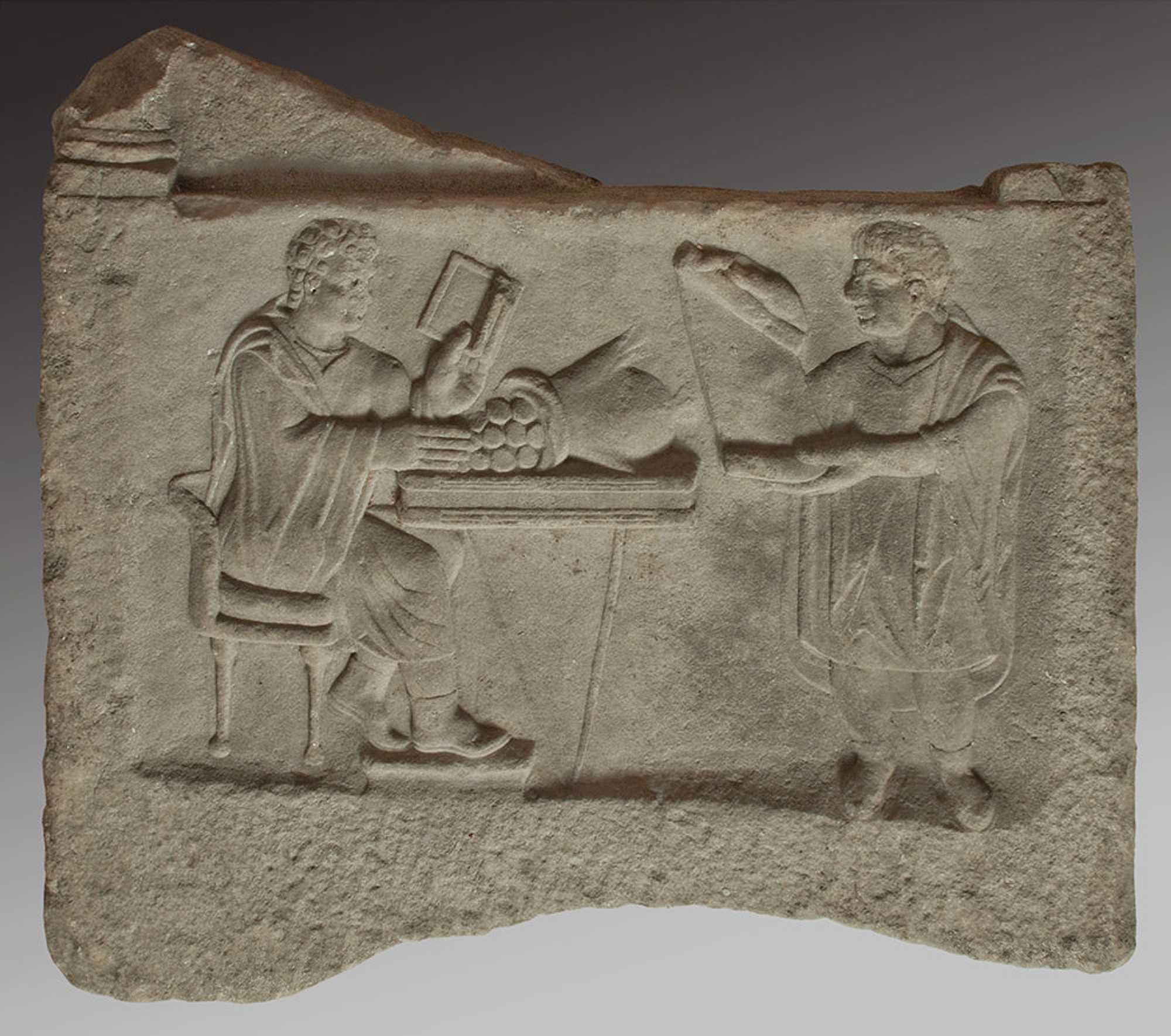
In ancient Rome, debt could begin as a private agreement and end as a public humiliation. A missed payment might expose a man’s property, damage his reputation, draw him into court, or place him under the power of someone richer and stronger. Among the elite, debt could be hidden behind the softer language of friendship and favour. Among the poor, it could threaten survival more directly. In both worlds, owing money was rarely just about money.
Debt could touch the body, the household, civic standing, political ambition, and a person’s place within a network of friends, creditors, patrons, and dependants. A Roman who owed money did not simply carry a financial burden. He stood inside a relationship that could expose his weakness before others.
That is why Roman debt so often appears in the language of trust, shame, death, and social ruin. A creditor might be condemned for profiting from another person’s need. A debtor might be condemned for failing to honour an obligation. The same society that distrusted the harsh moneylender also treated repayment as a matter of moral reliability.
For the poor, debt could threaten land, labour, liberty, and survival. For the elite, it could appear in more polished forms: gifts, loans, dowry assistance, inheritances, recommendations, political backing, and favours offered in the language of friendship. These exchanges did not always look like debt. Yet they could bind the recipient long after the original act had passed.
To owe in Rome was often to become visible. And when obligation became too visible, it could turn into disgrace.
The Roman Fear of Owing Too Much
Roman writers could describe debt in severe terms. Cato the Elder was remembered as comparing usury with killing a man. The point of the comparison was not a technical legal argument, but a moral one: the lender who lived from interest could be imagined as living from another person’s damage.
Cicero used a different image for the ruined debtor. When a man’s goods were forcibly sold, Cicero could describe the scene as something like a funeral. The debtor did not merely lose possessions. He watched the public dismantling of the life those possessions had supported.
Such language did not mean that Romans rejected debt itself. Credit was part of economic life, politics, property, and elite exchange. What disturbed Roman moral thought was the moment when obligation turned destructive. Lending at interest could look predatory; default could look dishonourable. The creditor might be blamed for feeding on another person’s hardship, while the debtor could still be judged for failing to repay.
The old Roman value of fides – good faith, trustworthiness, and reliability – lay behind much of this tension. To repay was not simply to settle an account. It was to preserve one’s standing as a person whose word could be trusted. Failure to repay could therefore become more than insolvency. It could become a mark against character.
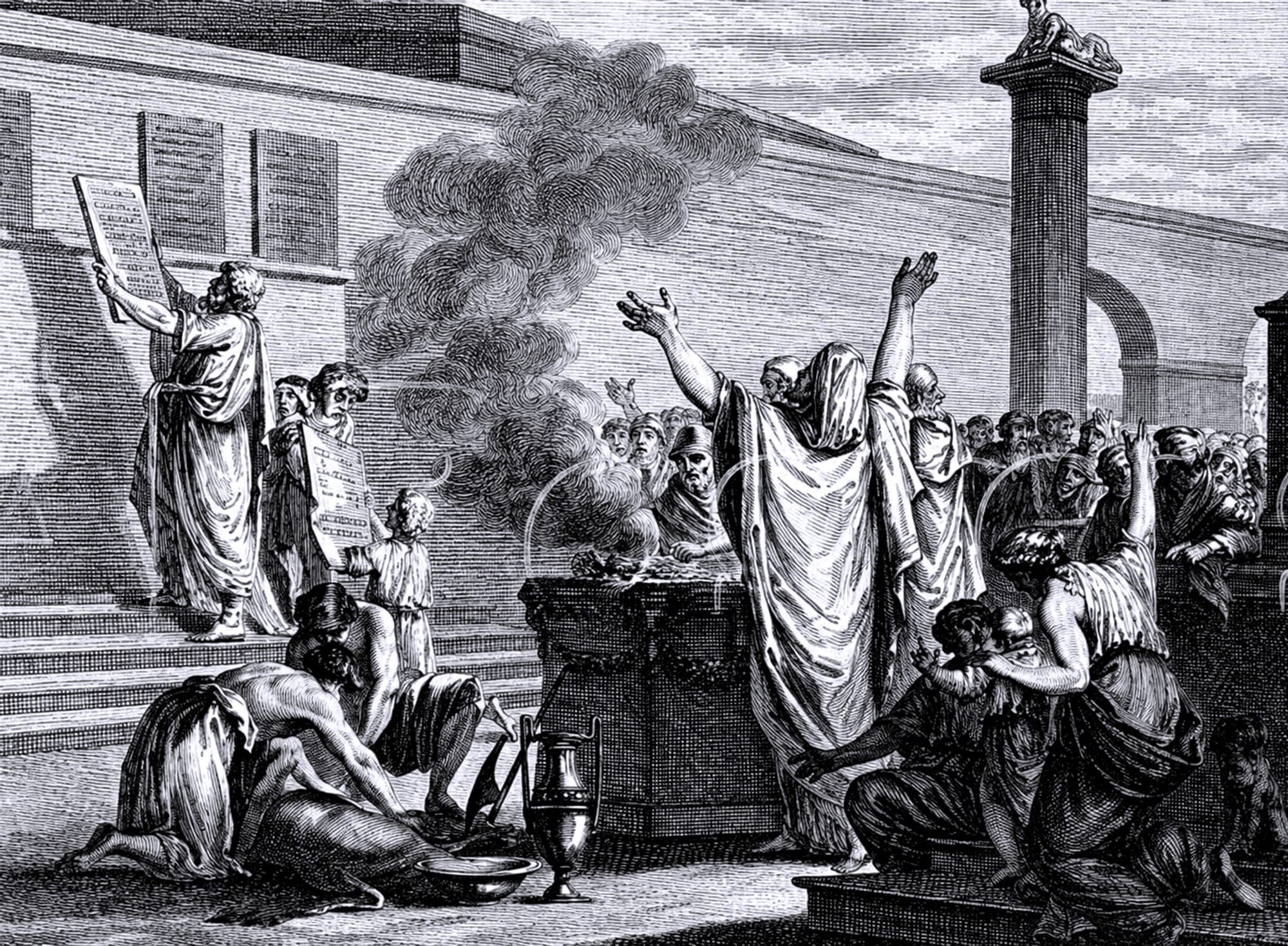
Roman tradition associated the Twelve Tables with limits on interest, and later memory preserved a sequence of laws that attempted to restrict or even ban lending at interest. The lex Genucia of 342 BCE was remembered as a law forbidding interest altogether. By the early first century BCE, however, such prohibitions were no longer regularly observed. Lending at interest continued, later provisions set maximum rates, and credit remained a normal part of Roman life.
The result was not a simple moral rule. Rome needed credit, feared debt, condemned excess, and punished failure.
When Debt Could Claim the Body
The oldest Roman memory of debt was tied to the body. The institution known as nexum remains difficult to define precisely, but it appears to have been a formal debt obligation created through ritual words, witnesses, metal, and scales. It belonged to a legal world in which important transactions were performed through visible ceremony.
Under this older system, default could bring the debtor himself under the creditor’s power. The creditor could use manus iniectio, the laying on of the hand, to seize him. After a waiting period, the debtor might be killed, sold abroad, or kept as a private labourer. In practical terms, the debtor’s own person could serve as security.
This was the harshest form of debt’s power. Failure to pay did not merely threaten a field, animal, tool, or house. It could threaten bodily freedom. The debtor became answerable not only with goods, but with himself.
A major change was associated with the lex Poetelia, usually dated between 326 and 313 BCE. This law reduced the old power of seizure by removing the creditor’s right to kill or sell the debtor. It did not make debt harmless, but it marked a move away from the most extreme bodily consequences.
As Rome developed, debt security moved increasingly toward property, pledges, and legal remedies. Yet the older association between debt and personal destruction remained important. Even when the debtor’s body was no longer exposed in the same archaic way, debt could still threaten his public existence. A man might survive physically and still be ruined socially.
From Human Pledges to Property Pledges
Roman creditors wanted more than a promise. They wanted something that could secure repayment. Over time, Roman law developed several ways to place property behind a debt.
One important form was fiducia cum creditore. In this arrangement, the debtor transferred civil ownership of an asset to the creditor, who agreed to transfer it back when the debt was paid. It worked as a sale-and-return arrangement used for security.

This gave the creditor a strong position. Since ownership had passed to him, he held extensive rights over the pledged object. The debtor depended on the creditor’s agreement to return it after payment. The arrangement could be useful, especially where land served as security, but it also carried danger. A creditor who held ownership could misuse that power.
As Rome became more commercial, the handling of pledged property became more refined. Coinage and markets made it easier to value security in monetary terms. A pledged object could be sold, with the creditor retaining only the amount owed rather than simply keeping the whole thing. In this development, the measured value of the debt increasingly shaped what happened to the property behind it.
The praetor’s remedies also mattered. The actio fiduciae allowed a debtor to challenge improper handling of pledged property and to seek its return once the debt had been paid. A creditor found liable in this action could suffer infamia, a loss of civic and social standing. The remedy therefore connected legal conduct with public reputation.
By the first century CE, pignus had become the main form of real security. Unlike fiducia, it did not require the transfer of full civil ownership. The pledge was tied to the debt, and when the debt ended, the pledge ended too. Sometimes the creditor held the pledged object. In other cases, the debtor kept possession, an arrangement later associated with hypotheca.
The development from nexum to fiducia, pignus, and hypotheca shows Roman law adapting older forms to changing economic life. Debt remained binding, but the means of securing it became more flexible, more property-based, and less dependent on the most severe earlier devices.
The Public Death of Bankruptcy
The decline of older bodily penalties did not remove the disgrace of insolvency. A debtor who could not pay might still suffer a form of public destruction.
One procedure was missio in bona. Through this remedy, the praetor could place the possessions of a recalcitrant debtor in the hands of creditors. The creditors could then recover what was owed by selling the debtor’s goods at auction through venditio bonorum. The process did not merely transfer property. It exposed failure.
For a Roman of status, property was not only wealth. It represented household continuity, public dignity, civic standing, and often the conditions for political participation. To see goods sold under compulsion was to see a life broken open before others.
The insolvent debtor could also suffer infamia. This was a public mark of disgrace that affected civic standing and treatment under law. Bankruptcy could therefore become more than economic collapse. It could become social and political death.
That is why Cicero’s funeral image was so powerful. The debtor whose possessions were sold did not simply experience loss. He witnessed a public rite of ruin, with creditors and buyers replacing the mourners of an ordinary funeral.
Later Roman law introduced a less destructive alternative, cessio bonorum. Under this procedure, an insolvent debtor declared bankruptcy before a magistrate and handed over his possessions to the creditor. Unlike missio in bona, this did not necessarily bring infamia. The debtor could retain enough to live and avoid total civic disgrace.
The introduction of cessio bonorum is probably connected with the lex Iulia de bonis cedendis, most likely introduced by Caesar. It did not cancel the debt or deny the creditor’s claim. It allowed a debtor to surrender property without being destroyed as a public person.
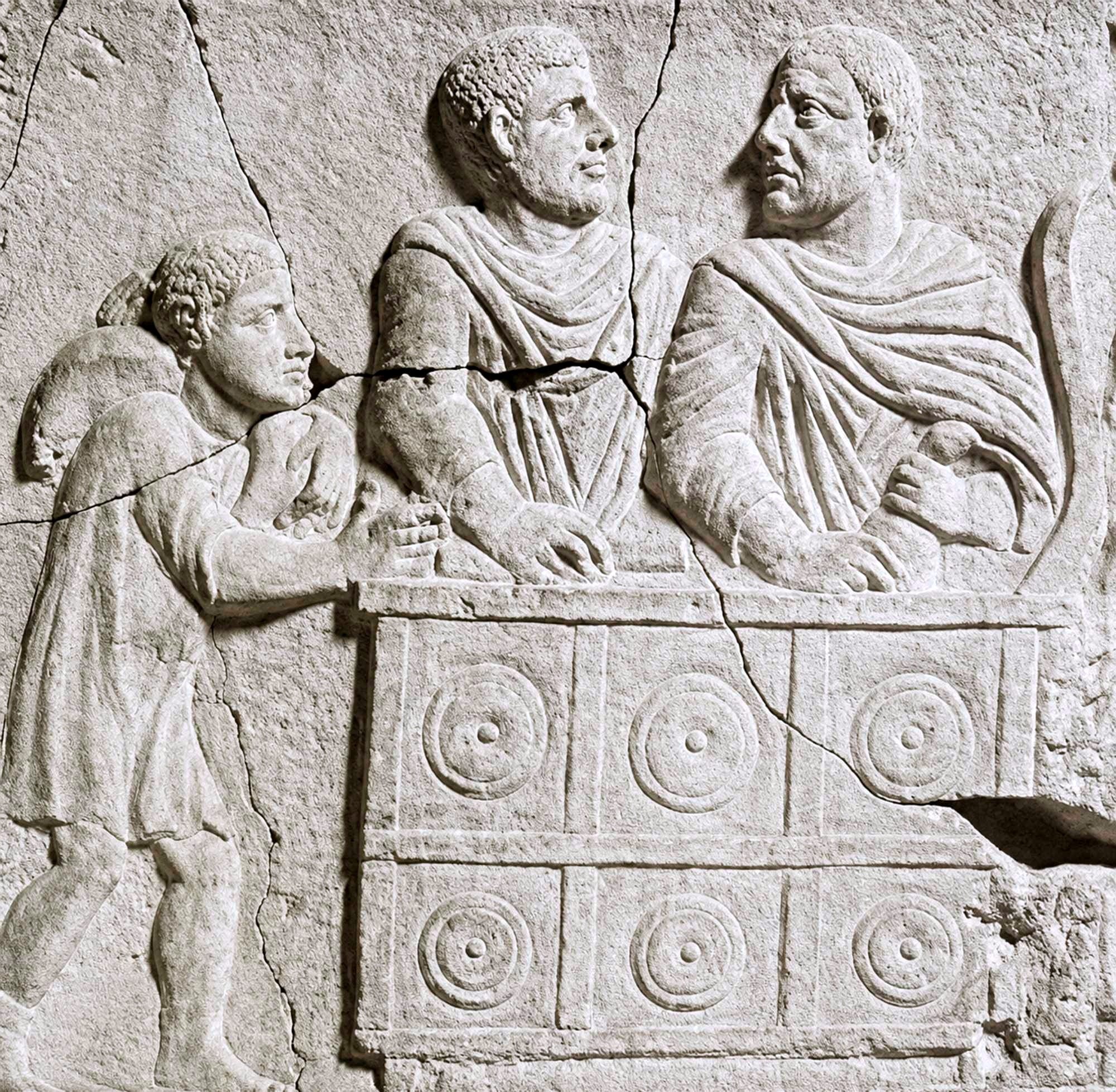
Roman law therefore began to distinguish more clearly between inability to pay and complete dishonour. The debtor still lost property, but he did not necessarily lose his social life with it.
The Politics of Unpaid Accounts
By the late Republic, debt was closely tied to political ambition. A Roman public career was open only to men who met property qualifications, but wealth alone was rarely enough. Office-seeking required enormous spending: campaigns, games, meals, public visibility, cash distributions, and the social obligations expected of a competitive aristocrat.
Political office could also bring return. A successful career might lead to commands, provincial opportunity, military wealth, inheritances, and privileged investment. Roman rule abroad gave some politicians the means to recover what they had spent at home. Debt and ambition were therefore closely linked.
Julius Caesar’s early career illustrates this pattern. He became known for very large debts while competing for office. After his command in Gaul, the wealth of conquest made him and many of his associates much richer. The same political system that encouraged heavy borrowing could also provide opportunities for recovery.
This made debt politically dangerous. A man who failed to win office might lose the future resources needed for repayment. Credit depended on confidence in political success. When political crises shook that confidence, private debt could become a public problem.
Catiline’s movement showed how explosive the issue could appear. His agitation included the demand for novae tabulae, “new account books,” meaning cancellation of debts. This was different from earlier measures that adjusted repayment while preserving the idea that something remained owed. Debt cancellation threatened the principle of repayment itself.
Sallust gives the demand a political voice through Gaius Manlius, who claimed that Catiline’s supporters were not seeking domination or riches, but
“freedom, which no good man gives up except with life itself.”
In that framing, the appeal moved away from trust and repayment and toward libertas, freedom. Debt politics could therefore shift between Roman values, depending on whether the emphasis fell on obligation or release.
During the civil war between Caesar and Pompey, debt again became urgent. Credit collapsed, coin became more valuable, and in 48 and 47 BCE two Roman politicians tried to imitate Catiline by demanding cancellation of debts and rent arrears. Caesar stopped both attempts, but he still had to address the crisis.
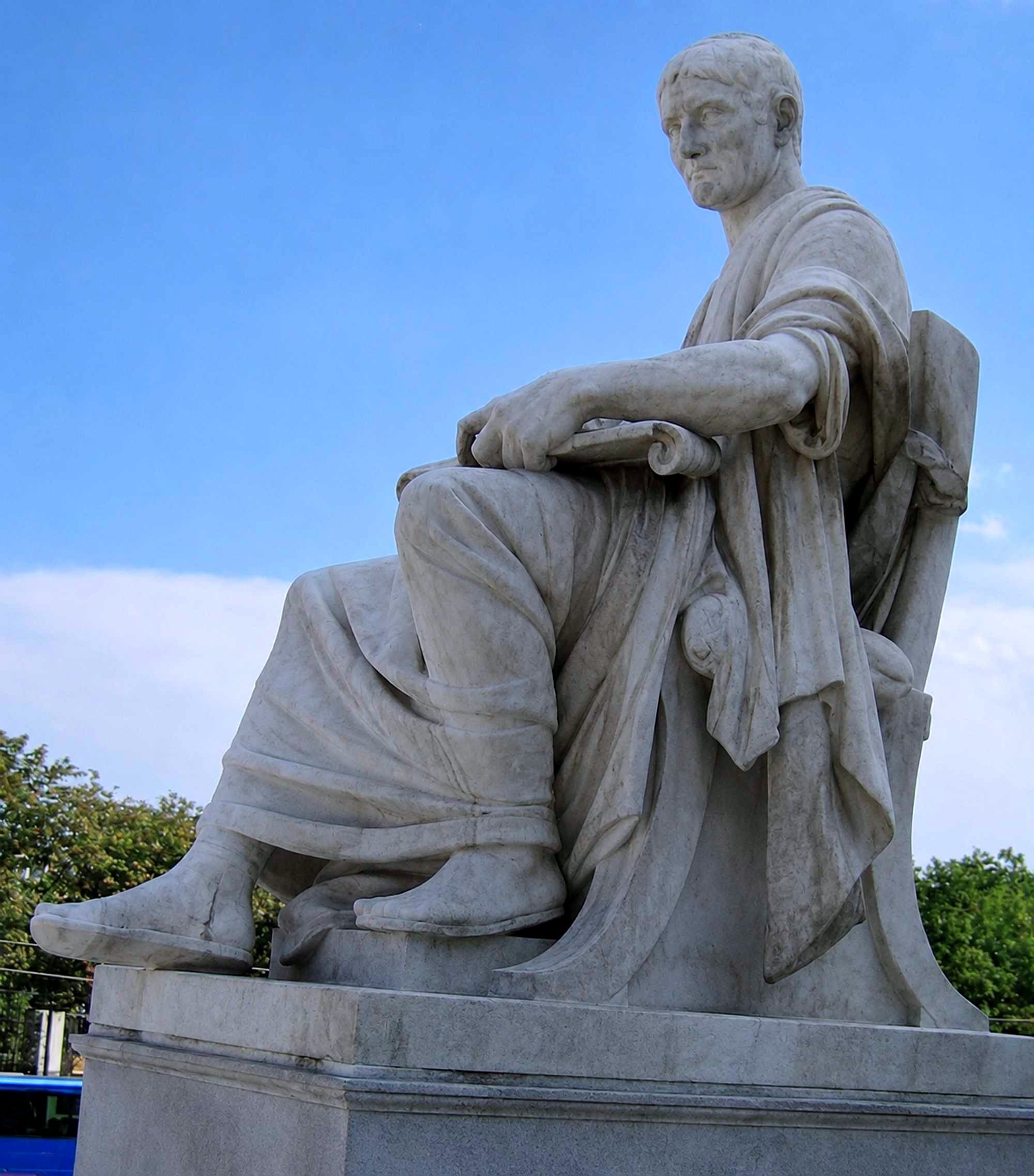
His measures allowed repayment in kind and used property valuations set at pre-war levels. Cessio bonorum fits this wider setting. It gave debtors with property a way to meet obligations by handing over assets while avoiding complete civic disgrace. Rather than cancelling debts generally, these measures eased the danger created by heavily indebted members of the socio-political elite.
Debt in late Republican Rome was therefore not merely private finance. It belonged to the machinery of political competition.
The Price of Roman Friendship
Debt in Rome did not always look like debt. Among the elite, obligation often appeared as friendship, generosity, family duty, recommendation, inheritance, public benefaction, or a loan offered without the blunt language of business.
Gifts and loans could perform similar social work. A loan could help a friend, but it could also bind him. A gift could be presented as generosity, but it still created expectation. A dowry contribution could be described as care for a household, while also displaying the giver’s standing. A recommendation might look like kindness, yet place the recipient within a chain of obligation.
Upper-class Romans often preferred the language of friendship to the more openly unequal language of patronage. That language mattered, because elite relationships were supposed to preserve a sense of dignity and mutual respect. Yet the softer language did not remove dependence. It made dependence more acceptable.
Roman moral writing praised generosity that was not openly self-interested. Cicero and Seneca could insist that true benefaction should not be given for profit or publicity. Yet Roman practice also required acknowledgement. A recipient of generosity was expected to praise the giver, and that praise increased the giver’s honour.
Seneca put the expectation plainly:
“There is nobody who does not delight in having his favour broadcast.”
Gratitude was not only private feeling. It was part of the social return.
This created a delicate imbalance. To acknowledge a benefit was also to admit a degree of inferiority. Silence could look like ingratitude. Immediate repayment could suggest discomfort with the obligation. Romans might avoid accepting help from people they disliked or distrusted, because accepting a favour placed them under a claim.
Pliny’s letters show this careful language in action. Writing to Quintilianus about a gift for his daughter’s marriage, Pliny presented himself as helping with the burden:
“I know that you are rich in inner qualities, but that your material resources are moderate.”
The phrasing softened the inequality, but did not erase it. One man had the resources to give; the other had reason to accept.
Among the elite, wealth became visible through the ability to benefit others. A man showed status by giving, lending, recommending, supporting, or rescuing. What he received in return might not be immediate money. It might be praise, loyalty, public gratitude, political support, a legacy, or a strengthened place in a network of obligation. The debt could outlast the payment.
When Favour Became Obligation
Because gifts and loans carried social meaning, the recovery of debt could also carry social danger. When relations remained good, requests and repayments moved through friendship, mediation, and private negotiation. When relations worsened, the same obligations could become embarrassing or hostile.
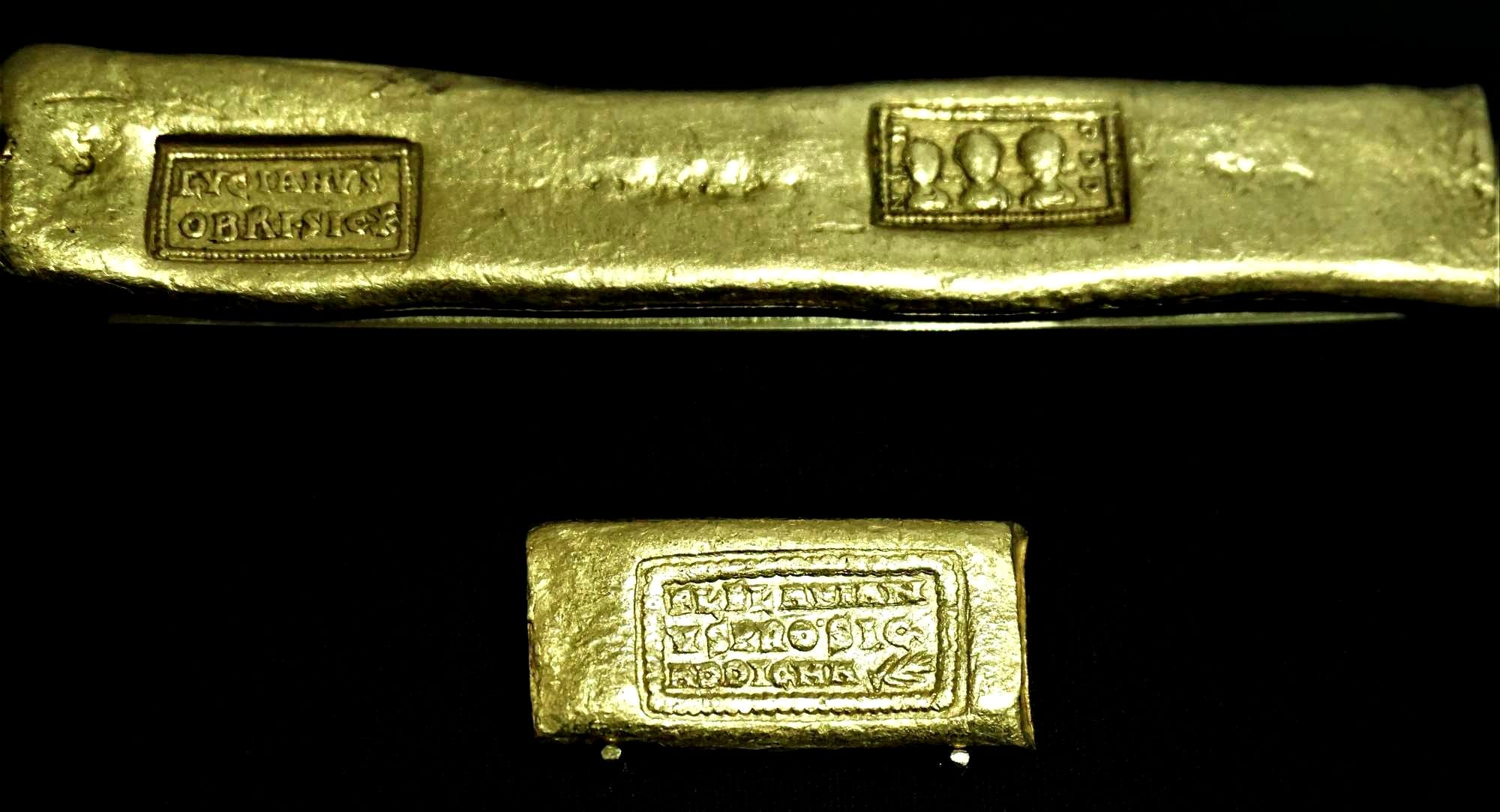
Cicero’s correspondence gives a clear example. In 44 BCE, he considered legal action against his former son-in-law Dolabella over an unpaid dowry. He wrote that if Dolabella had not treated him outrageously, he might have hesitated over whether to act mildly or
“fight him with the full force of the law.”
As matters stood, he saw the case as a way to show Dolabella and everyone else that Dolabella had alienated him.
The issue was not only money. Legal action would publicly display the collapse of a relationship. A debt dispute could become a statement about friendship, trust, political loyalty, and honour.
This is one of the clearest signs that elite debt was not simply economic. A private obligation could become public evidence of estrangement. To go to court could show that ordinary social mediation had failed.
The same logic helps explain the moral charge attached to lending at interest. The creditor who pursued repayment exposed the debtor’s failure before others. In a society where reputation carried real weight, that exposure could look like destruction.
Roman gifts, favours, and loans therefore belonged to overlapping worlds. Generosity could create honour. Friendship could create debt. A loan could become a favour. A favour could become a claim. The language might remain courteous, but the obligation could be hard.
Debt Across the Social Ladder
The surviving sources preserve elite language more fully than the experiences of poorer debtors. Cicero, Seneca, Pliny, legal writers, and later jurists make the anxieties of status, obligation, and reputation especially visible. But the structures of debt reached far beyond the elite.
Debt did not mean the same thing for every Roman. A senator, municipal notable, small farmer, freedman, and poorer debtor did not face the same risks or possess the same protections. Status shaped the ability to negotiate, delay, seek help, or turn debt into a more favourable social arrangement.
For elites, debt was often linked with office, display, marriage, friendship, inheritance, and political competition. Their debts could be enormous, but they were embedded in networks of family, patronage, alliance, and future opportunity.
For less powerful debtors, the protections of influence were weaker. Older Roman law could imagine severe bodily consequences. Later procedures could expose property and reputation. A debtor without strong support had fewer ways to turn obligation into friendship or favour.
Roman debt was therefore not only a technical matter of contracts, pledges, or interest rates. It reflected hierarchy. It showed who could lend, who had to ask, who could command gratitude, who could survive insolvency, and who could be publicly exposed by failure.
Why Owing Money Could Become Disgrace
Borrowing itself was not necessarily shameful. Romans borrowed, lent, guaranteed, gifted, and sought help in many settings. Credit belonged to ordinary life.
Disgrace came when obligation became failure. A debtor who could not pay might lose property. He might be forced through public procedures. He might suffer infamia. He might be shown to have lost the trust that allowed him to function in legal, social, and political relationships.
Among elites, disgrace could also come from dependence. Roman friendship allowed gifts and favours, but the language of equality remained important. A benefit had to be acknowledged without making the recipient look servile. A loan had to be repaid, but repayment did not always end the relationship.
Generosity had to be visible enough to produce honour, but not so crude that it appeared as self-advertisement. Debt occupied this uneasy space. It helped Romans act, compete, marry, govern, give, and survive. But it also bound them to others. It created claims, expectations, memories, and public judgments.
This is why debt could become disgrace. Not because every borrower was dishonoured, but because unpaid obligation revealed dependence in a society that measured people through public standing.
Rome’s Uneasy World of Credit
The Roman history of debt moved from the body of the debtor to pledged property, from formal ownership transfers to more flexible security, from public ruin under missio in bona to the less destructive possibility of cessio bonorum. These legal changes followed a society in which credit, exchange, politics, and elite obligation became increasingly complex.
Yet the moral language remained intense. Interest could be condemned, but debts still had to be honoured. Bankruptcy could be treated as social death, yet later law allowed some insolvent debtors to remain alive in civic and social terms. Gifts could be praised as generosity, yet they created claims that bound recipients to donors. Loans could look like friendship, yet failure to repay could announce the end of friendship.
Debt and disgrace were closely connected because Roman debt was never only about money.
“Debt, Death, and Destruction in Ancient Rome,” by Lisa Eberle in "Debt in the Ancient Mediterranean and Near East: Credit, Money, and Social Obligation" edited by John Weisweiler
“Development of the Roman Law of Debt Security.” by Donald E. Phillipson
“The Meaning of Gift and Debt in the Roman Elite.” by Suzanne Dixon
"A History of Interest and Debt: Ancient Civilizations" edited by Murat Ustaoğlu and Ahmet İncekara



About the Roman Empire Times
See all the latest news for the Roman Empire, ancient Roman historical facts, anecdotes from Roman Times and stories from the Empire at romanempiretimes.com. Contact our newsroom to report an update or send your story, photos and videos. Follow RET on Google News, Flipboard and subscribe here to our daily email.
Follow the Roman Empire Times on social media: