
Antiochus III: The Last Great Rival of Rome
Antiochus III entered Greece as a would-be liberator and rival to Rome, but his campaign exposed the limits of Seleucid power against Rome’s armies, navy, and diplomacy.

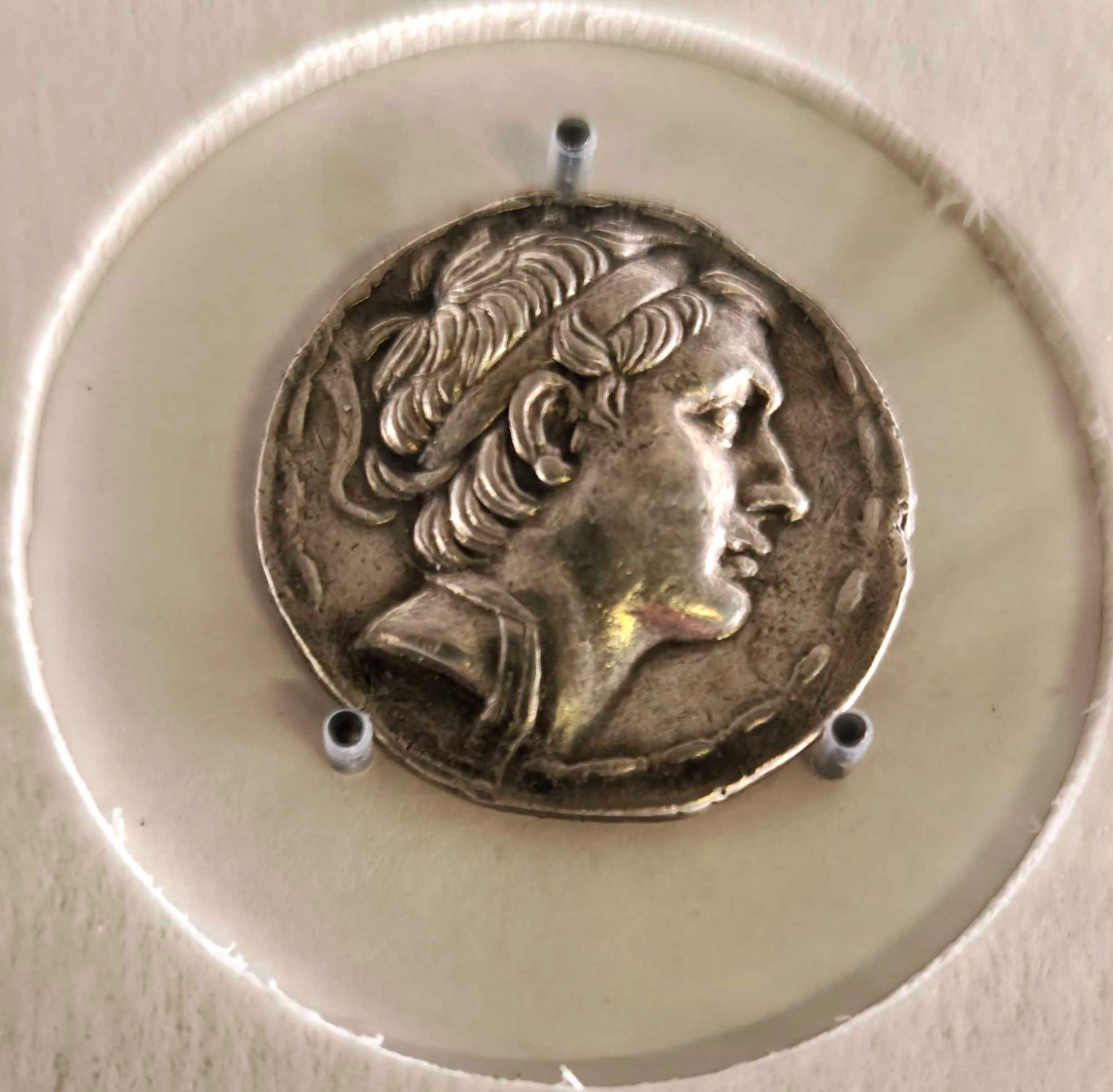
Very few rulers in ancient history were called “Great” during or close to their own lifetimes. Cyrus of Persia and Alexander of Macedon belonged to that rare category because their achievements seemed almost beyond belief. Cyrus founded the first Persian Empire, while Alexander built one of the largest empires the world had seen before he was 30. Such a title was not earned by winning a single war. It required achievements that appeared extraordinary even to those who lived through them.
Antiochus III or Antiochus The Great
Antiochus III, later known as Antiochus the Great, came after Alexander in a world where many rulers tried to imitate the Macedonian conqueror and use his legacy to strengthen their own authority. Like Alexander, Antiochus came to power young. Unlike Alexander, however, he had not been prepared from childhood to rule. He was the second son, not the expected heir, and his rise came after a sudden crisis in the Seleucid royal family.
There is little known about Antiochus’ early life. Since his elder brother Seleucus III was expected to inherit the throne, Antiochus had not received the same preparation normally given to a future king. When Seleucus III’s campaign failed and he was murdered by his own army, Antiochus suddenly became king in 223 BC. He inherited not a stable empire, but a troubled realm marked by dynastic tensions, old rivalries, territorial ambitions, and external threats.
Antiochus therefore began his reign at a disadvantage. He had to learn how to rule while also trying to hold together a kingdom that was already fragmenting. Rival claimants threatened his authority, and neighboring powers looked for opportunities to take Seleucid territory. His early reign was not simply about expansion, but about survival and restoration.
Polybius, Rome, and the Place of Antiochus III
To understand Antiochus III in Polybius, the starting point is not only Antiochus himself, but the historian who describes him. Polybius is the main reliable source for much of the period, so his account needs to be read with attention to where his information came from and to the personal or literary influences that may have shaped the way he presented events.
Polybius gives an important clue at the beginning of his work. His introduction ends with the question:
“For what man is so indifferent or so lazy that he does not care to know how, and under what form of government Rome brought virtually the whole oecumene under her rule in barely fifty-three years, a result never achieved before ?”
That question sets the direction of the history. Polybius wanted to explain Rome’s rise to power over much of the known world. He returned to the idea of world rule again after his account of the First Punic War, where he rejected the claim made by some Greek writers that Rome had gained its position through Tyche (τύχη), or blind chance. In his view, Rome did not become dominant by accident. The Romans aimed at world rule, and because they were capable of achieving it, they succeeded.
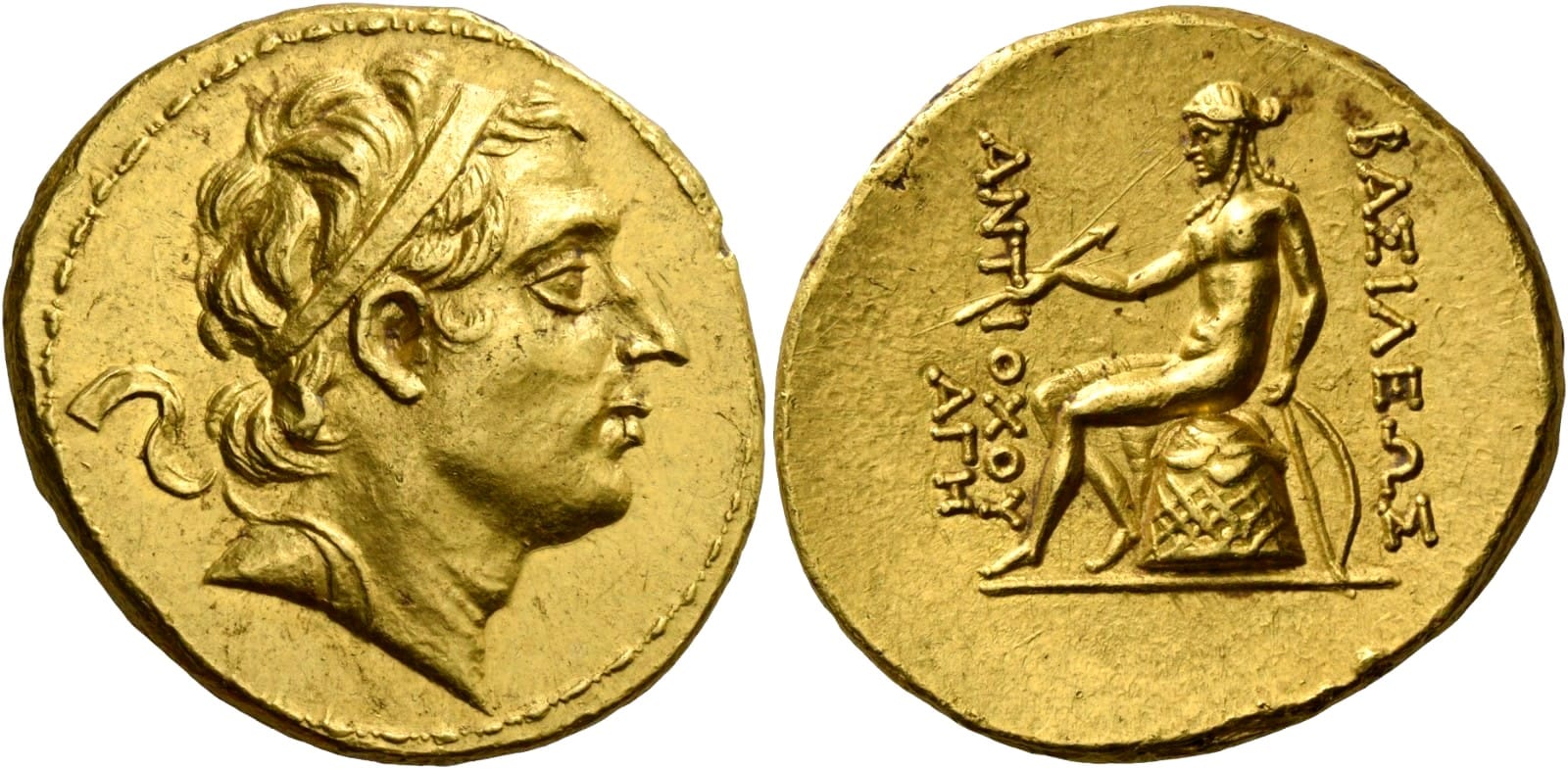
This argument also gives practical value to the study of history. If Rome’s rise had happened only by chance, then its history would not offer much instruction to later statesmen. But Polybius did not treat Rome’s success as accidental. He presented it as the result of institutions, decisions, character, and political fitness.
The Greek writers criticized by Polybius should not necessarily be dismissed as imaginary opponents. Some Greek historians, out of national pride, may have wanted to reduce the scale of Rome’s achievement. Later Roman and Greek writers show that this debate did not disappear.
Livy later minimized the achievements of Alexander the Great, while Dionysius of Halicarnassus, writing under Augustus, still felt the need to insist that the Romans were not savages who had gained empire undeservedly. Plutarch also returned to the question in De fortuna Romanorum.
Polybius’ main point was that Rome achieved world dominion through a deliberate process. In this respect, he differed from Thucydides. Polybius accepted imperial competition as a central force in history. He saw world rule almost as a prize offered to the power most capable of winning it: Rome or Carthage in the West; Syria or Egypt in the East.
His history therefore judged these powers by their ability to compete for supremacy. By a striking coincidence, the period with which he began saw the appearance of several important figures at almost the same time. Antiochus III came to power in the Seleucid kingdom, Philip V in Macedon, Ptolemy IV Philopator in Egypt, while Hannibal emerged in the western Mediterranean.
Within this structure, Antiochus’ career had a major place. His achievements in the East stood alongside Rome’s rise in the West. After a series of earlier conflicts, the final contest came between the two regional powers: the Seleucid kingdom and Rome. The battle of Magnesia became the intended climax of this part of the story, because after that defeat there was no longer another great power capable of matching Rome.
Antiochus III therefore appears within a wider historical contest. He was not simply another eastern king in Polybius’ narrative. His career belonged to the final eastern challenge to Rome before Rome stood without a rival capable of matching it on the same scale.
Antiochus Lands in Greece
After the Aetolian council reached its decision, Antiochus III assembled a relatively small expeditionary force: about 10,000 infantry and 500 cavalry. His fleet was also limited, with 40 quinqueremes, 60 triremes, and 200 transports for grain and horses. The size of the army was restricted by the amount of shipping available, which meant Antiochus could not bring anything close to the full strength of the Seleucid military into Greece.
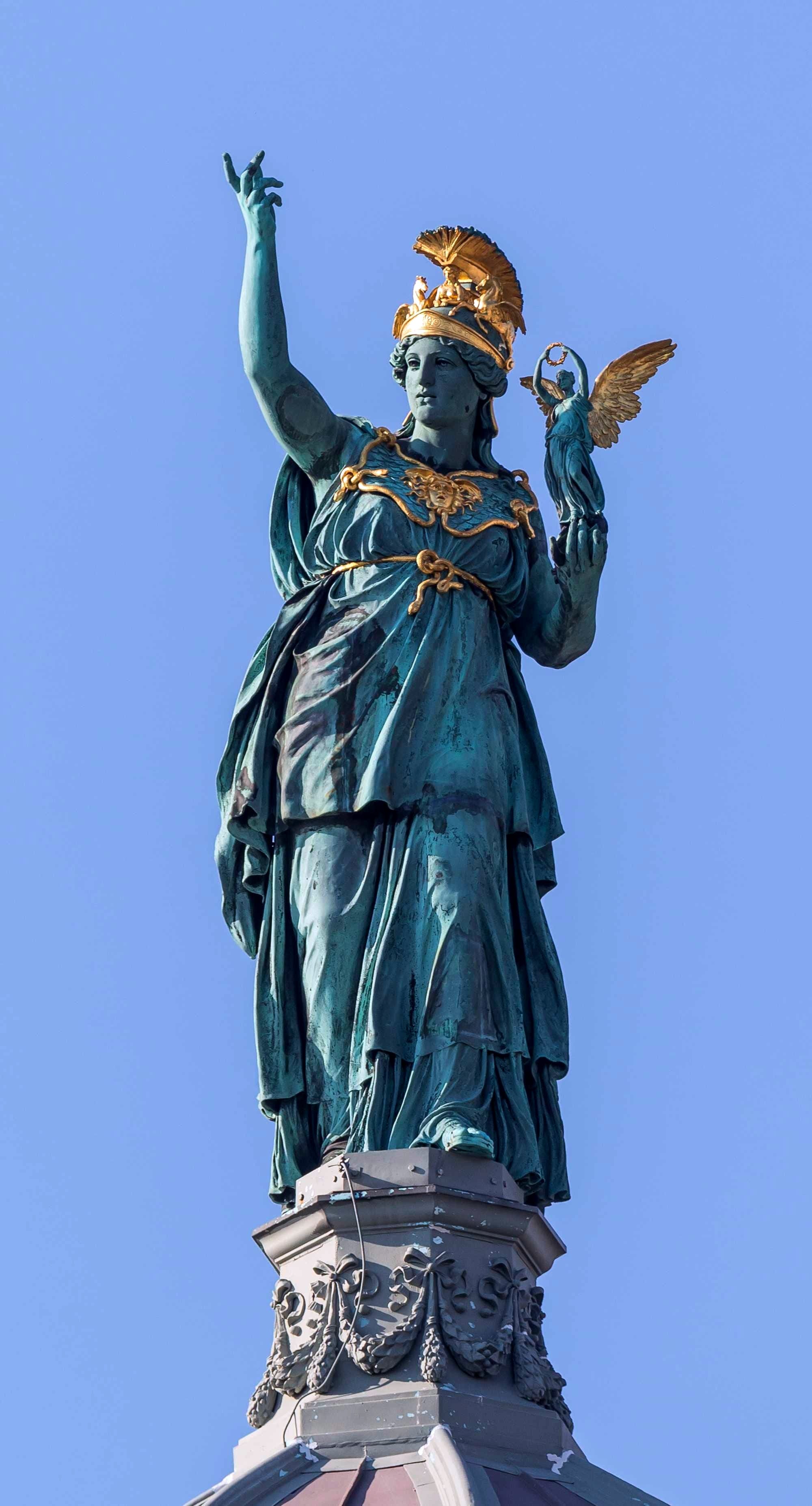
Before crossing fully into the campaign, Antiochus made a symbolic visit to Ilium, where he sacrificed to Athena. The act carried several layers of meaning. Troy was central to Greek heroic memory, and Athena was the goddess who had aided the Greek side against the Trojans.
Athena was also important to the Athenians, who were then debating whether to support the Aetolian-Seleucid coalition. Alexander the Great had sacrificed at Troy before invading Asia, but Antiochus was moving in the opposite direction: from Asia into Greece. Since the Romans claimed descent from the Trojan refugee Aeneas, the gesture could also be read as a request that Athena support the Greeks against the descendants of Troy.
After returning from the Troad, Antiochus gathered his fleet at Imbros and sailed to the Bay of Volos. He landed at Demetrias, a strategic port already secured, and then moved inland to Lamia. There, he received an invitation to the Aetolian assembly. The invitation was announced before the crowd, and the cheers reassured Antiochus that he might be welcomed in Greece as a liberating figure.
The Aetolian Alliance and the First Failure at Chalcis
Antiochus was greeted loudly when he entered the Aetolian council, but the enthusiasm hid some disappointment. The Aetolians had expected a larger royal army. Antiochus explained that winter sailing conditions had prevented him from bringing more troops and promised reinforcements when the sailing season opened.
In return, he asked the Aetolians for soldiers and grain. Despite their reservations, they elected him strategos autokrator (στρατηγός αυτοκράτωρ) of the Aetolian League, giving him authority to command the Aetolian levy.
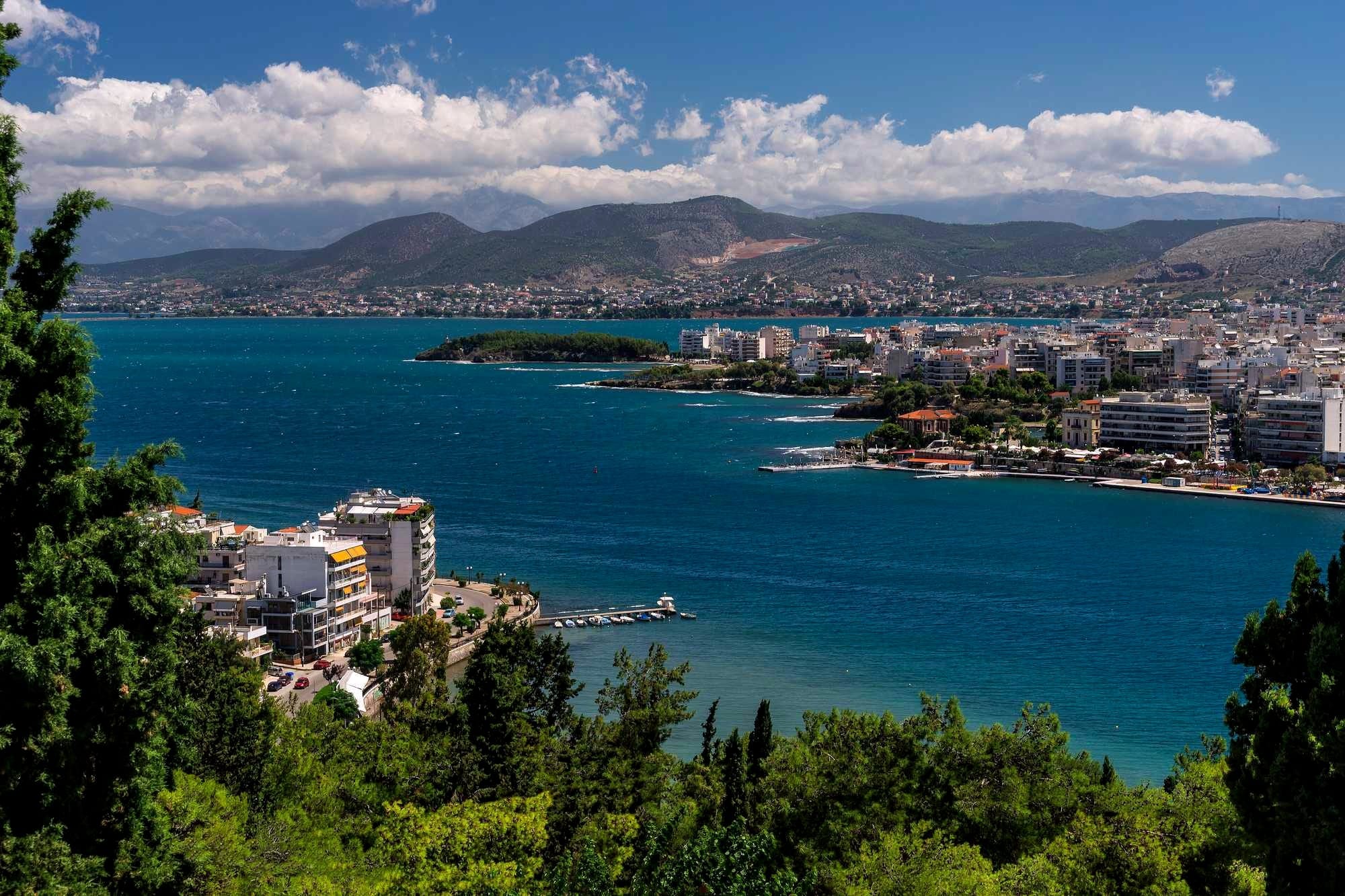
Antiochus then sent out 1,000 troops and moved south against Chalcis (Χαλκίδα). The city was one of the key “fetters” of Greece, a stronghold controlling important sea-lanes and access to Attica and Boeotia. Antiochus did not have enough men to storm it, so he tried pressure and persuasion instead. He approached with Aetolian ambassadors and urged the Chalcidians to join him.
The Chalcidians were not convinced. A representative of the Achaean League, Micythio, urged them to stay out of Antiochus’ coalition and challenged the Aetolian claim that Rome oppressed the Greeks. Rome had not installed garrisons or imposed tribute after Flamininus’ declaration of Greek freedom, and the Chalcidians remembered the harsher Macedonian garrison they had previously endured. They asked Antiochus to prove his friendship by withdrawing from Euboea. Without the troops to take the city, Antiochus returned to Demetrias.
Athens, Amyander, and the Roman Response
The refusal at Chalcis warned Antiochus that Greek support would not be automatic. He had more success with Amyander, king of the Athamanians, whose people already had ties to the Aetolians. Antiochus courted him further by hinting that Amyander’s brother-in-law Philip, who claimed descent from Alexander the Great, might be advanced as a possible candidate for the Macedonian throne.
The promise was not serious, especially since Antiochus was also reaching out to the actual Macedonian king, Philip V. It was a convenient lie used to win troops, supplies, and support.
Athens was divided between pro-Roman and pro-Antiochus factions. Wealthier Athenians tended to support Rome, while the populist faction leaned toward Antiochus. The city was close to internal conflict. Flamininus arranged for Achaean troops to enter Athens, secure the Piraeus, and silence the democratic faction. After street violence, the pro-Roman side prevailed, and Athens remained aligned with Rome.
Rome had not yet formally declared war, but it began forward deployment. The praetor Marcus Baebius crossed from Brundisium to Apollonia with two legions, 15,000 Italian allied infantry, and 500 allied cavalry, a force of roughly 25,000 men. His main task was to watch Macedonia, since Rome feared Philip V might exploit the instability. Even so, a smaller detachment was sent toward Chalcis, where Achaean and Attalid troops were already reinforcing the city.
Antiochus Takes Chalcis and Moves Into Thessaly
The presence of Roman, Achaean, and Attalid soldiers at Chalcis forced Antiochus to choose. Any attack could kill Roman soldiers and give the Senate a convenient cause for war. Antiochus moved anyway. He ordered Polyxenidas to take the fleet and 3,000 men against the city, while he followed with 6,000 troops and some Aetolian reinforcements.
The Roman detachment had not yet crossed to Euboea and was paused at Delium. Antiochus’ forces attacked the isolated Roman cohort and inflicted heavy losses. The Achaean and Attalid soldiers inside Chalcis were allowed to leave under truce. Antiochus took control of Chalcis and the whole island of Euboea, giving him two of the three “fetters” of Greece.
His next target was Thessaly, a rich northern plain famous for horses. Many Thessalian cities had been freed from Macedonian control by Rome, though some had joined the Aetolian League. Antiochus first negotiated in the language of liberation, but when Thessalian communities used the talks to prepare their defenses, he attacked. He captured Pherae and massacred some defenders. Several cities then fell, though Larissa continued to resist.
The Funeral After Cynoscephalae
In central Thessaly, Antiochus encountered the remains of nearly 8,000 Macedonian soldiers killed years earlier at Cynoscephalae. Philip V had retreated too quickly to bury them, and the Romans had left the bodies unburied as a reminder of their victory. Antiochus sent 2,000 men to gather the bones and bury them properly.
The act may have been pious, but it was also political. It allowed Antiochus to contrast Greek funerary decency with Roman brutality. However, he made the mistake of allowing Philip of Megalopolis, the ambitious pretender connected to Amyander’s family, to join the burial party. Philip V of Macedon saw the funeral as an insult to his own royal standing. Already uncertain in his loyalty, he now moved firmly toward Rome.
The Roman commander Baebius grew concerned about Antiochus’ successes in Thessaly and sent Appius Claudius with 2,000 men to relieve Larissa. The Roman detachment exaggerated its numbers by lighting extra fires and building a larger camp. Antiochus, believing a stronger Roman force had arrived, abandoned the siege and returned to Chalcis. Both sides waited for spring before launching larger operations.
Rome Prepares for War
In November 192 BC, according to the solar calendar, the Roman consuls Scipio Nasica and Manius Acilius Glabrio took office. Both were connected to Scipio Africanus: Nasica was his cousin, and Glabrio had risen politically with Scipionic support. A formal vote for war with Antiochus passed easily, since Roman soldiers had already been involved in fighting.
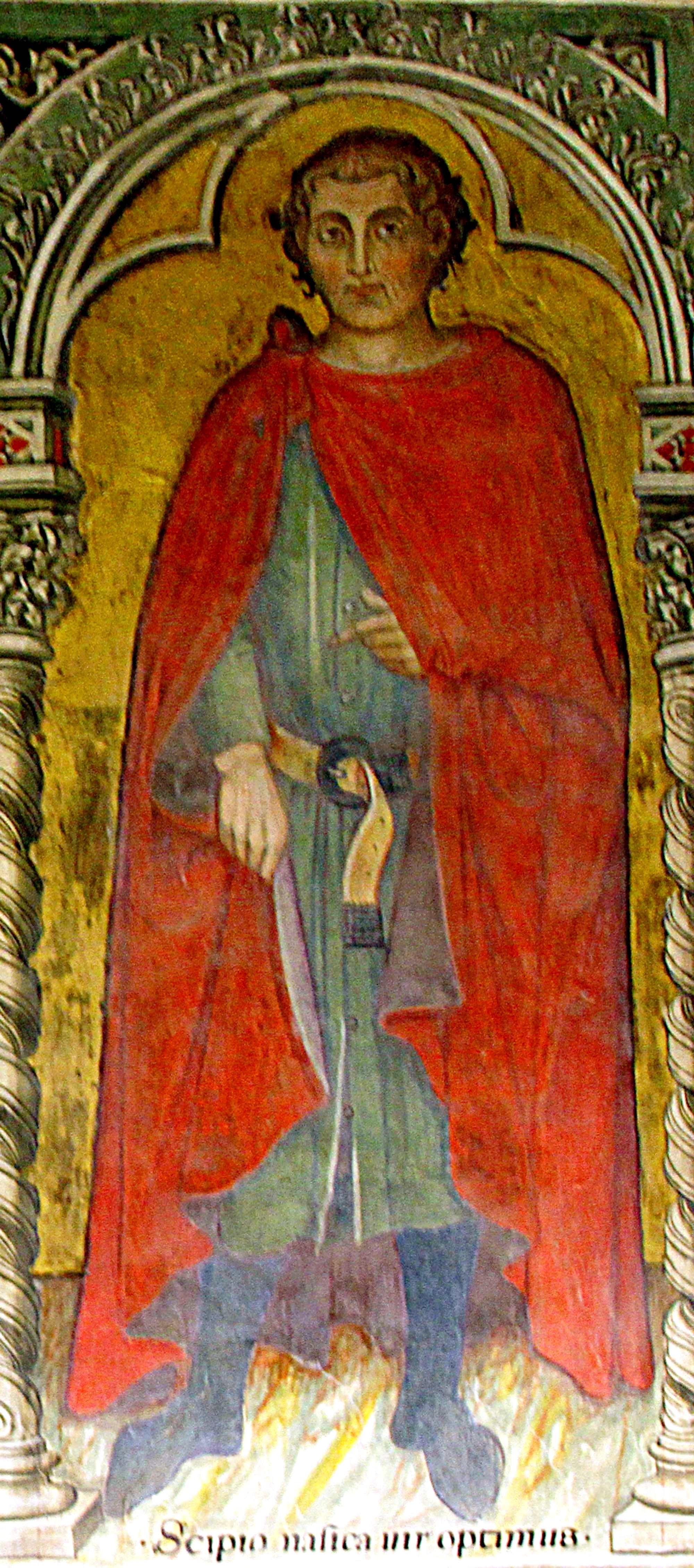
The provinces were then assigned. Scipio Nasica received Italy, including the troubled regions of Cisalpine Gaul, Liguria, and Bruttium. Glabrio received Greece and would command the first phase of the Roman war against Antiochus.
Glabrio built a command team that balanced political factions. He brought Marcus Porcius Cato and Valerius Flaccus as senior military tribunes. Both had been consuls, and both were linked to circles opposed to the Scipios. Their inclusion offered political unity and added experienced officers to Glabrio’s army. Glabrio himself had not commanded a field army before, so having two veteran lieutenants strengthened the campaign. In spring 191 BC, he crossed to Apollonia with 20,000 infantry, 2,000 cavalry, and 15 elephants.
Antiochus’ Wedding at Chalcis
While at Chalcis, Antiochus married a young woman from a local noble family and gave her the royal name Euboea, after the island. The marriage may have been intended as a political signal. By formally marrying a woman from Chalcis, rather than taking her as a mistress, Antiochus could present himself as respecting Greek autonomy. The message was that he would be an ally of Greek cities, not their master.
The message failed. To Greeks already doubtful about his commitment, the marriage looked like a distraction. Rumors spread that Antiochus cared more about his young bride than the war. Polybius reports that Antiochus,
“getting married in Chalcis, passed the winter there, indifferent to the affairs at hand.”
The accusation should not be accepted too quickly, because his winter campaign included several diplomatic and military efforts. Still, the marriage damaged his image among allies who wanted a warrior king, not a royal bridegroom.
Cultural differences added to the problem. Greek aristocratic drinking parties valued restraint, while Macedonian royal drinking could be far heavier and more competitive. The Seleucid court combined Greek symposium customs with Macedonian court behavior, and this made Antiochus appear uncontrolled to some Greek observers. His enemies could present him as “wine-sotted and revelling in strong drink,” lacking the self-control expected from a Greek aristocrat.
Rome Advances and Antiochus Falls Back
By the 191 campaigning season, Antiochus’ position had worsened. Roman troops were landing at Apollonia in large numbers, and his plan of using a small expeditionary force and diplomacy to win Greece looked weak. During a diplomatic tour through Achaea and Athens, Cato mocked him by saying that
“Antiochus wages war through letters, and fights with pen and ink.”
Cato was using a famous phrase from Demosthenes to reassure educated Athenians that Romans were not barbarians.
The Roman offensive began. With help from Philip V, Glabrio moved against Antiochus’ allies. The Athamanians were crushed, and Philip of Megalopolis, the would-be Macedonian king, was captured and chained. Philip V mocked him by calling him “brother” and ordering Macedonian soldiers to salute him as “king.” After the campaign, Athamania was given to Philip V as a reward for supporting Rome.
Roman forces then recovered Thessalian cities that Antiochus had recently taken. Antiochus did not have enough men to risk an open battle in Thessaly. Outnumbered and weak in cavalry, he retreated to the one place where he might slow the Roman advance: Thermopylae.
Thermopylae and Its History
Thermopylae, the “Warm Gates,” was a narrow coastal pass in eastern Greece. The cliffs of Mount Callidromus rose close to the sea, leaving only a limited strip of flat land. It was a natural choke point, difficult for a large army to force from the front. Its waters and terrain had already seen famous battles.
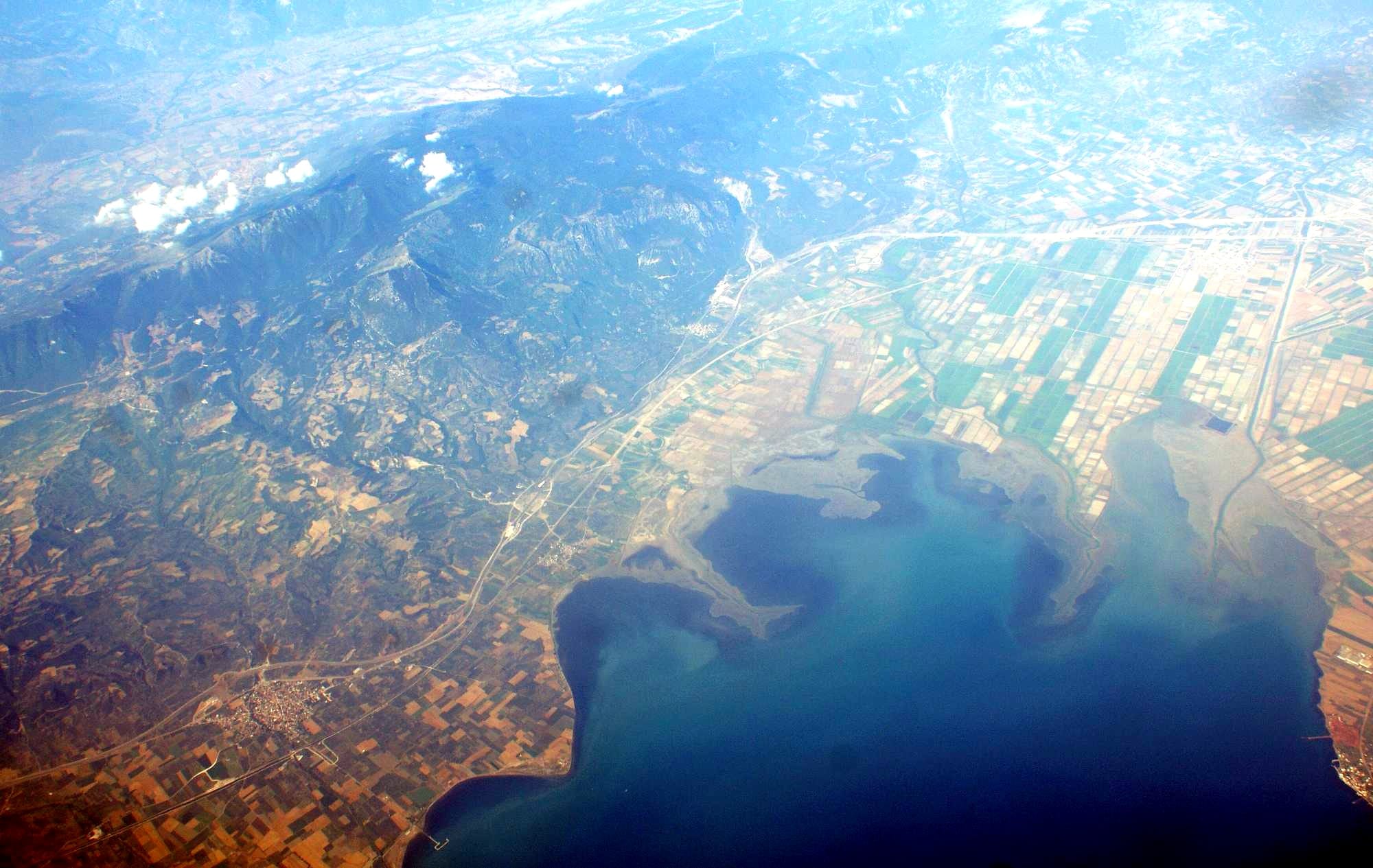
The pass, however, had a weakness. Mountain paths allowed attackers to move behind a defensive position if they had local knowledge or guides. Around 500 BC, Phocians trying to block Thessalians were outflanked by those paths. In 480 BC, Leonidas and his Spartans became famous for their stand against Xerxes, but they too were turned when the Persians learned of the mountain tracks. In 279 BC, a Greek force holding the pass against Gauls was also outflanked, though an Athenian naval rescue prevented destruction.
The history of Thermopylae offered mixed lessons. The pass could be defended, but only if the mountain routes were properly guarded. Antiochus had little choice but to try. Glabrio had about 22,000 men, while Antiochus’ Seleucid-Aetolian force numbered about 14,500. On open ground, the Romans had the advantage. At Thermopylae, terrain might reduce that advantage.
Antiochus’ Defensive Plan
Antiochus took precautions. He assigned 4,000 Aetolians to guard the mountain paths. Their light equipment made them better suited for rough ground than his heavy phalangites. He also chose to defend the eastern pass rather than the western gate associated with Leonidas, hoping the position would be harder to envelop.
He placed his phalanx at the gates and set light troops on higher ground in front, forming a kind of “L” shape. From there they could attack the Roman right flank with missiles as the legions advanced. Like the Spartans before him, Antiochus built a wall, but he added catapults and ballistae, a rare use of siege engines in a pitched battle. From the front, the position was extremely strong.
The obvious Roman answer was to use the heights. Glabrio sent Cato and Valerius Flaccus with 2,000 men each to try separate mountain routes during the night. If they succeeded, Glabrio’s main force would pin Antiochus from the front while the detached Roman columns struck from behind.
The plan was risky. Night movement in mountains could easily go wrong, and it did. Flaccus lost the path and never reached the battle. Cato also had difficulty. His guide became confused, and Cato had to find and mark the path himself before returning to lead his men forward.
The Battle of Thermopylae
At the pass, Glabrio’s main attack stalled. The Romans advanced in a narrow column, as the terrain forced them to do. After fighting Antiochus’ light troops, they met the phalanx. With the sea on one side and the mountain on the other, the dense wall of pikes could not be moved from the front.
Cato, however, reached the heights by morning. He and his men found themselves near the Aetolian rear guard. He formed his men and attacked. The Aetolians panicked and fled, uncertain how large the Roman force behind them really was.
Once Cato’s troops came down into Antiochus’ rear, the position collapsed. Antiochus understood that the trap had closed. He did not repeat Leonidas’ stand and fled with the men who could escape. Most of his cavalry got away with him, but the phalanx was surrounded. About 10,000 of his men were killed or captured, while Roman losses were very small.
Antiochus retreated to Chalcis with only a small cavalry escort, collected his bride, and sailed for Ephesus.
Why the Greek Expedition Failed
A major reason for Antiochus’ failure in Greece was logistical. The Seleucid Empire had large armies, perhaps far more men available overall than Rome had faced in Greece. But Antiochus lacked the transport capacity to bring enough of them across the sea. His expeditionary force was small because he could not move a larger one easily.
Rome had much more experience with large overseas operations. Since the First Punic War, the Romans had learned how to assemble transports, supply armies by sea, and move large forces between theatres. Compared with Antiochus’ difficulty crossing shorter distances with fewer men, the Roman ability to move 20,000 infantry and 2,000 cavalry across the Adriatic showed the growing importance of seaborne logistics.
Diplomacy also failed Antiochus. His small army might have been enough if he had recruited large numbers of Greek allies. But the Aetolians never fully committed their strength. Athens stayed with Rome. Chalcis resisted before being taken. Philip V of Macedon chose Rome. Antiochus entered Greece hoping to appear as a liberator, but he never gained the allied support needed to match Roman manpower.
Cato’s Report and the Scipios Take Command
After Thermopylae, Roman political unity quickly weakened. Glabrio sent an official report of the victory, but Cato obtained leave and rushed back to Italy first. There he gave his own version of the battle, glorifying his actions and criticizing Glabrio’s command. With Antiochus out of Greece, Roman factional politics resumed.
The war against the Aetolians continued. Glabrio’s command was extended, but his harsh conduct, including chaining an Aetolian peace delegation, helped prolong the conflict until 189 BC.
The elections of 191 BC then strengthened the Scipionic faction again. Lucius Scipio, brother of Scipio Africanus, became consul, along with Gaius Laelius, Africanus’ long-serving lieutenant. Laelius had strong military credentials, but Africanus intervened for his brother. He offered to serve as lieutenant if Lucius received the command against Antiochus. Because of Africanus’ prestige, the Senate accepted, and Laelius was assigned Italy.
The Scipio brothers crossed to Greece and took over the armies in the theatre. They brought reinforcements of 13,000 infantry and 500 cavalry, including 5,000 clients of Scipio Africanus who volunteered to serve under him. The total Roman force in Greece and Illyria exceeded 50,000 men, though much of it was needed for garrisons. The Scipios planned to bring a more modest field army of about 25,000 into Asia.
The Naval War Begins
Before invading Asia Minor, Rome had to deal with Antiochus’ navy. The Seleucid fleet had more than 150 warships and represented a serious force in the eastern Mediterranean. Rome sent the praetor Gaius Livius Salinator to assemble more than 100 ships, many of them old vessels from the Second Punic War brought back into service.
Rome also needed allies at sea. King Eumenes II of Pergamon joined the Roman effort, and Rhodes also entered the war. Rhodes had already been uneasy about Antiochus’ naval activity and wanted to preserve its influence in the Aegean. Defeating Antiochus’ fleet would restore the sea to Rhodian advantage.
Near Cissus, Salinator and Eumenes fought the Seleucid admiral Polyxenidas. The battle began badly for the Roman side when Seleucid ships captured one Carthaginian allied ship and drove off another. Salinator responded by steering his flagship into the fight, grappling two Seleucid ships and boarding them with marines. This played to Roman strengths. Instead of relying on maneuver and ramming, Roman tactics turned naval battle into close infantry fighting.
The heavier Roman quinqueremes proved effective. Salinator’s line extended beyond the Seleucid flank and rolled it up. Ten Seleucid warships were destroyed and thirteen captured. Polyxenidas retreated with fewer than 50 quinqueremes.
Polyxenidas, Hannibal, and the Battle for the Sea
Polyxenidas was not finished. He sent letters to the Rhodian commander Pausistratus, pretending that he wanted to desert and betray the Seleucid fleet. The letters bought him time to repair ships, train rowers, and enlist help from the pirate Nicander. When ready, he attacked the Rhodian fleet near Samos, trapping it between his own ships and the pirate squadron. Pausistratus, his political enemy, was killed.
The victory did not last strategically. Roman, Attalid, and remaining Rhodian forces soon converged and pinned Polyxenidas at Ephesus. Salinator then sailed to Ilium and sacrificed to Athena, deliberately echoing Antiochus’ earlier sacrifice. For a Roman who could claim Trojan ancestry, the gesture also mocked Antiochus and marked the invasion as now moving in the opposite direction: from Greece into Asia.
Antiochus also gave Hannibal Barca his first major military command in Seleucid service: command of a new fleet from Syria. The choice was strange because Hannibal had no naval experience, though he was one of the greatest land commanders of the age. Antiochus may have wanted to keep him away from the land campaign while still using his fame.
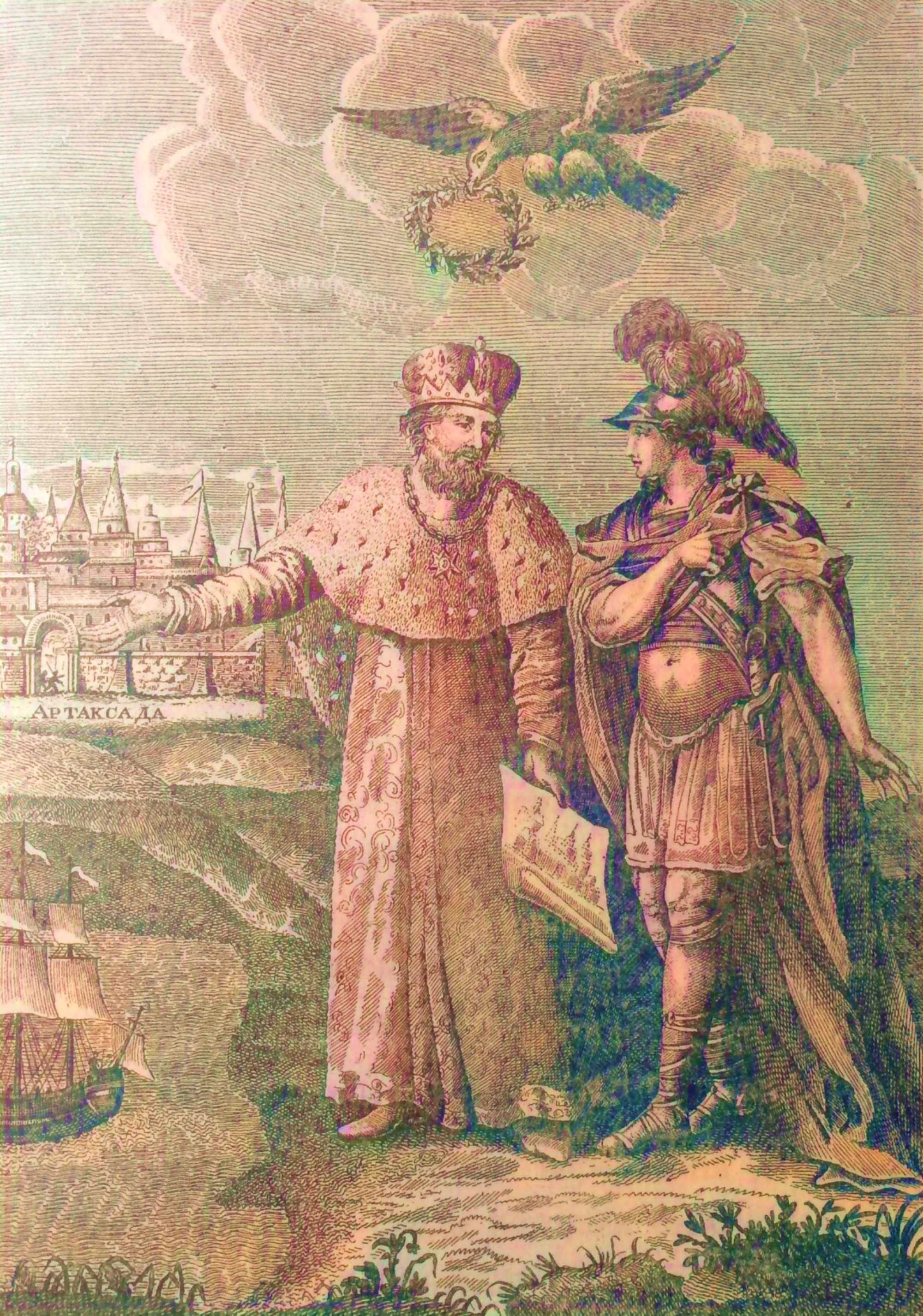
Hannibal gathered 47 ships and sailed north, but a Rhodian fleet intercepted him near Side. The Rhodians won the engagement, damaging many of his ships. Hannibal withdrew to Seleucia Pieria and played no further part in the war. It was an anticlimactic end to his military career.
Myonessus and Roman Naval Superiority
The Roman naval campaign continued under the praetor Lucius Aemilius Regillus. After a frustrating period, the Roman fleet moved along the coast of Asia Minor. Polyxenidas left Ephesus and tried to ambush the Romans near Teos, but the Romans learned of his movement in time and formed for battle.
At Myonessus, the Romans and their allies again won. Polyxenidas lost 29 ships, and another 13 were captured. Although both Polyxenidas and Hannibal still had surviving ships afterward, neither had enough strength to challenge Roman and allied control of the sea.
The naval victories made the Roman invasion of Asia Minor possible. Antiochus’ fleet could no longer prevent the Scipios from crossing into his territory.
Skirmishes in Asia Minor
As the Roman fleet drew Eumenes away, Antiochus’ son Seleucus invaded Attalid territory and attacked Pergamon. Antiochus moved up from Sardis, sent reinforcements to Seleucus, and detached troops to besiege Elea, Pergamon’s main port. Eumenes rushed to defend his capital, while the Roman fleet moved to protect Elea.
Antiochus had reason to worry. Roman naval strength was growing, and the Scipios were approaching from Europe. He sent a herald to the Roman praetor Aemilius with peace proposals, but Eumenes opposed any settlement that would leave him exposed to Antiochus. Aemilius replied that he did not have authority to make peace and that talks would have to wait for the consul.
An Achaean force of 1,000 infantry and 100 cavalry then helped turn the situation near Pergamon. Its commander Diophanes defeated a large Gallic mercenary force in a sharp engagement, watched by the people of Pergamon from the walls. Seleucus withdrew to the coast, and Antiochus captured several cities that had resisted his authority.
The Roman March Toward Asia
The Scipios planned to march north through Macedonia and Thrace, then cross the Hellespont into Asia Minor. Scipio Africanus warned that this required careful diplomacy with Philip V. The young military tribune Tiberius Sempronius Gracchus was sent ahead to coordinate with the Macedonian king.
Gracchus found Philip V after a night of heavy drinking, but the king had already made extensive preparations. Supplies were stockpiled, bridges built, and roads prepared. Philip also accompanied the Roman army across Macedonia and into Thrace, and allowed Macedonians and Thessalians to join the expedition.
Philip had his own motives. He had little ability to refuse Roman requests, but he also hoped for rewards. He received them: his son Demetrius was returned from Rome, some territorial concessions were granted, and the remaining indemnity was cancelled. Philip also hoped that Antiochus’ defeat would reduce the Seleucid king to the same humbled position that Macedonia had already accepted.
As Rome advanced, Antiochus suffered another diplomatic loss. Prusias of Bithynia, who had stayed neutral while Antiochus courted him, chose Rome once Roman victory looked more likely. Cities in Asia Minor also began to choose sides. Heraclea-ad-Latmos submitted to the Scipios in a form that blended Roman and Greek diplomatic language: surrender into Roman fides in exchange for promises of freedom and autonomy.
Final Negotiations Before the Decisive Battle
Antiochus still hoped to avoid a battle he might lose. Roman victories by land and sea had made the danger clear. He sent an envoy with generous terms. Rome would receive Lampsacus, Smyrna, Alexandria Troas, and other cities that wished to leave the Seleucid sphere. Antiochus also offered to pay half of Rome’s war costs.
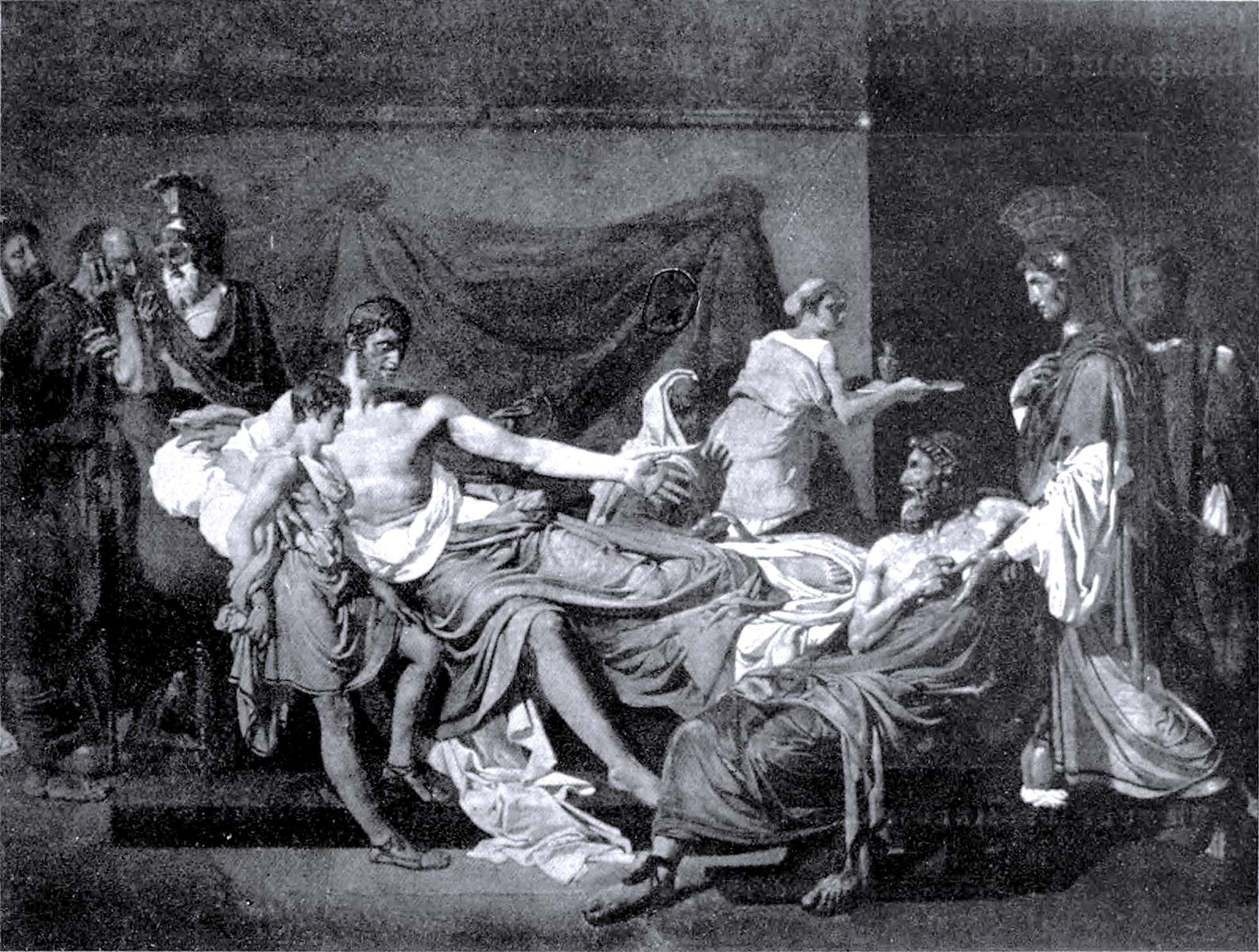
The envoy also had secret instructions to approach Scipio Africanus and offer him a bribe in return for supporting the Seleucid position. Scipio refused. These terms were close to what Rome had demanded before the war, but the situation had changed. Rome had now won major victories.
Antiochus did have one possible advantage: he had captured Scipio Africanus’ son Publius in a small skirmish. Scipio’s reply, preserved in family tradition, was sharp. In exchange for his son, he offered Antiochus advice: accept Roman terms and avoid battle.
Rome’s answer was much harsher than Antiochus’ offer. To make peace, Antiochus had to pay the full cost of the war and evacuate all territory in Asia Minor north of the Taurus Mountains. After years spent asserting Seleucid rights in Asia Minor, these terms were unacceptable.
Negotiations ended. Antiochus released the young Publius Scipio, either as an act of royal generosity or as an attempt to preserve goodwill in case the war went badly. Both sides then prepared for the decisive battle.
Antiochus had entered the war hoping to defend Seleucid influence, rally Greek support, and meet Rome as a rival power. Instead, the campaign exposed the limits of his expedition in Greece: too few troops, uncertain allies, weak transport capacity, and a Roman enemy already skilled at fighting overseas. The final decision would come in Asia, but by the time negotiations failed, the balance had already shifted. Rome was no longer only another Mediterranean power. It was becoming the power that other kings had to measure themselves against.
"Antiochus the Great", Michael J. Taylor
Polybius' account of Antiochus III, T.S.Brown
"Antiochus the Great: Deserving or Not?", Kevin Li

About the Roman Empire Times
See all the latest news for the Roman Empire, ancient Roman historical facts, anecdotes from Roman Times and stories from the Empire at romanempiretimes.com. Contact our newsroom to report an update or send your story, photos and videos. Follow RET on Google News, Flipboard and subscribe here to our daily email.
Follow the Roman Empire Times on social media: