
The Roman King Who Preached Peace
Rome’s legendary second king was not remembered for battles or conquest, but for priesthoods, ritual, sacred law, and a reign without war.

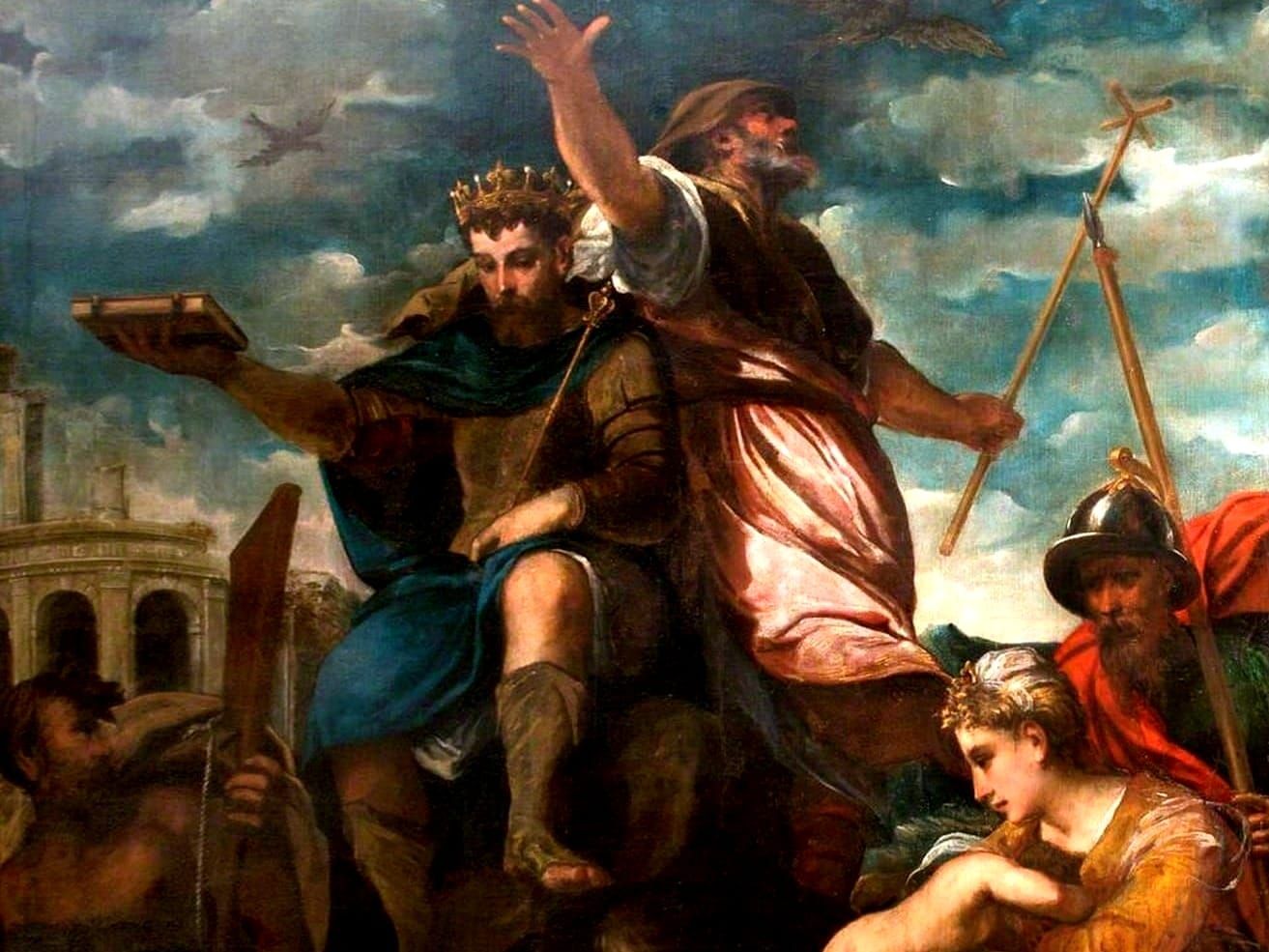
Before Rome became the city of consuls, legions, and empire, its own tradition remembered a king who ruled without war. Numa Pompilius was placed after Romulus, at the beginning of Rome’s legendary monarchy, and the ancient sources present him as the ruler who tried to turn a violent city toward religion, law, and peace.
Rome’s Second King
Numa Pompilius belongs to Rome’s legendary monarchy. Plutarch and Livy both present him as the second king of Rome, after Romulus. They also present him as a very different kind of ruler.
Romulus is linked with the founding of Rome through force and arms. Numa is linked with religion, law, ritual, and peace.
Plutarch introduces Numa as a man already known for virtue before he became king:
“By natural temperament he was inclined to the practice of every virtue, and he had subdued himself still more by discipline, endurance of hardships, and the study of wisdom.”
Plutarch says Numa lived among the Sabines and avoided luxury. He describes him as a man who served as a judge and counsellor, and who spent his private life in the service of the gods and in thought about divine matters.
The City Romulus Left Behind
After Romulus disappeared, Plutarch says Rome entered a period of uncertainty. The city was still divided between the Romans and the Sabines. Both groups wanted a king, but there was disagreement over which side should provide him.
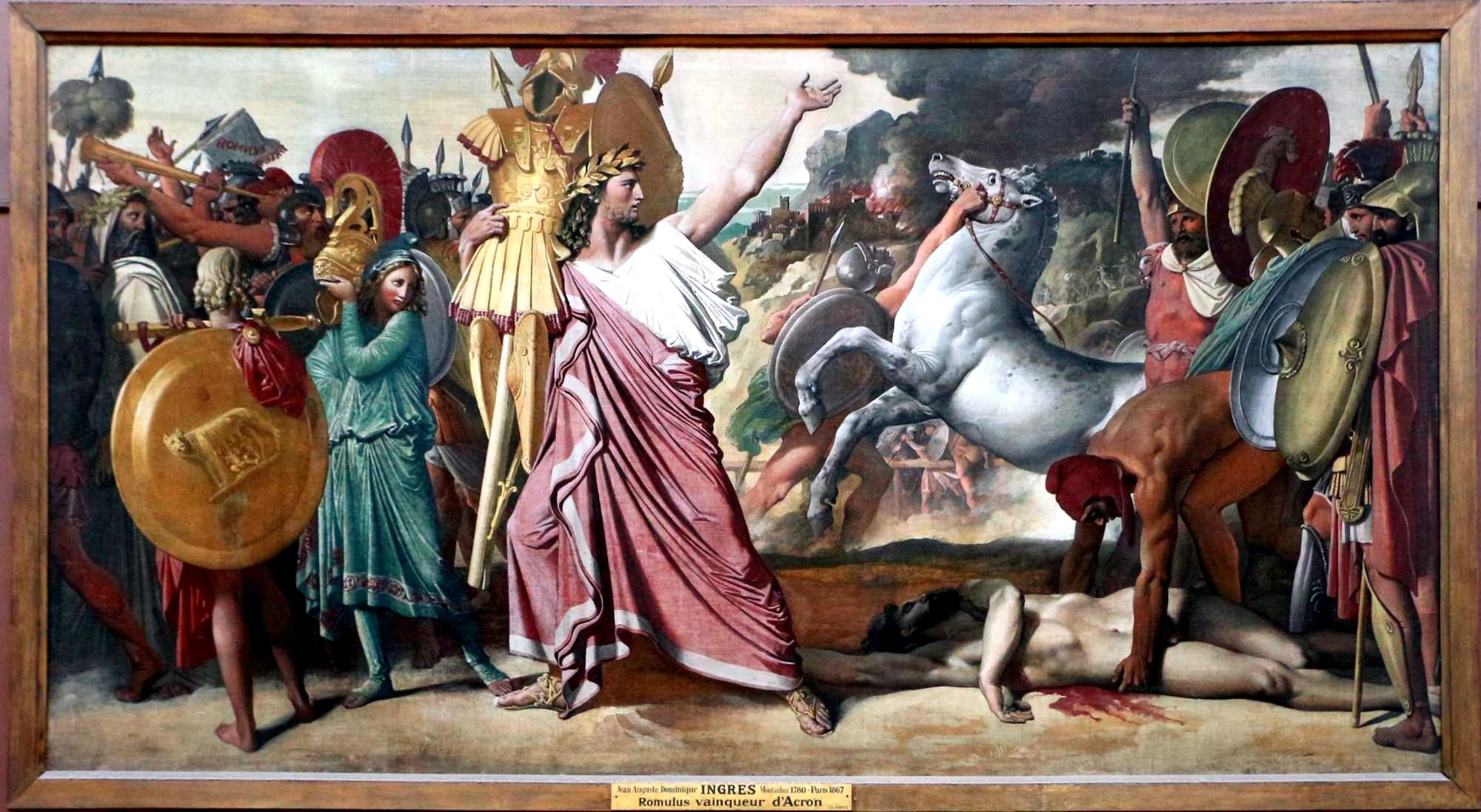
Numa was chosen as a compromise. He was a Sabine from Cures, but Plutarch says his reputation made him acceptable to both sides:
“They took counsel, therefore, among themselves, and nominated Numa Pompilius from among the Sabines, a man who had not joined the emigrants to Rome, but was so universally celebrated for his virtues that, when he was nominated, the Sabines accepted him with even greater readiness than those who had chosen him.”
In Plutarch’s account, Numa is chosen because of his character. He is not presented as a military ruler seeking power.
The King Who Did Not Want Power
Plutarch says Numa did not immediately accept the offer of kingship. He argued that his own way of life did not suit Rome.
He says that the qualities for which he was praised were not the qualities Rome seemed to need:
“Moreover, the very traits in my disposition which are to be commended, are far from marking a man destined to be a king, namely, my great love of retirement, my devotion to studies inconsistent with the usual activities of men, and my well-known strong and inveterate love of peace, of unwarlike occupations, and of men who come together only for the worship of the gods and for friendly intercourse, but who otherwise live by themselves as tillers of the soil or herdsmen.”
Numa then explains that Rome still needed a commander more than a peaceful ruler:
“I should therefore become a laughing-stock if I sought to serve the gods, and taught men to honour justice and hate violence and war, in a city which desires a leader of its armies rather than a king.”
Plutarch says Numa accepted only after persuasion. His father and Marcius urged him not to leave his justice and wisdom inactive. They argued that Rome needed a ruler who could lead it toward piety and peace.
A Crown Approved by Heaven
When Numa came to Rome, the people approved him. But Plutarch says he did not immediately take the insignia of kingship. He first asked for divine approval:
“But when the insignia of royalty were brought to him, he bade the people pause, and said his authority must first be ratified by Heaven.”
The augur then performed the ritual. Numa’s head was covered, prayers were made, and the signs were watched. When favourable birds appeared, Numa accepted the kingship.
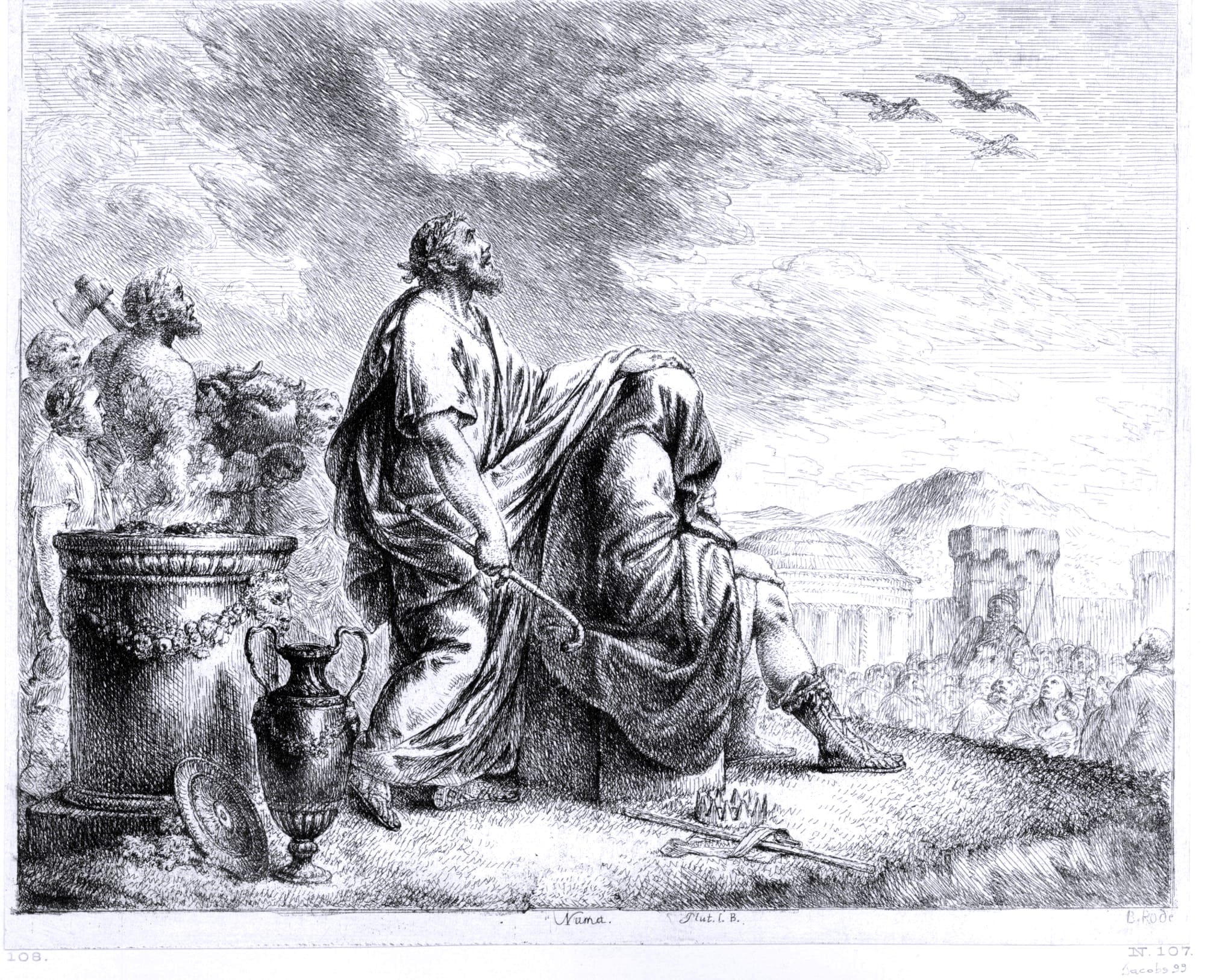
Livy also says Numa’s rule began through augury. In both accounts, his kingship is connected with religious approval from the beginning.
Softening Rome Like Iron in Fire
Plutarch gives a clear description of what Numa tried to do after becoming king:
“After taking such measures to secure the goodwill and favour of the people, Numa straightway attempted to soften the city, as iron is softened in the fire, and change its harsh and warlike temper into one of greater gentleness and justice. For if a city was ever in what Plato calls a "feverish" state, Rome certainly was at that time.”
Plutarch says Rome had grown through wars, dangers, and expeditions. Numa’s aim was to change the habits of that city. He says he used sacrifices, processions, religious dances, and solemn rites. He also says Numa used religious fear and divine signs to make the Romans less fierce.
Livy gives the same basic contrast. After Numa becomes king, Livy says he begins to establish Rome again, but not by arms:
“Having thus obtained the kingdom, he sets about establishing anew, on the principles of laws and morals, the city recently established by violence and arms.”
Livy’s contrast is simple: Rome had been founded by violence and arms; Numa tried to establish it through laws and morals.
The Temple That Showed War or Peace
Livy says Numa built the temple of Janus as a sign of peace and war. When the temple was open, Rome was at war. When it was closed, Rome was at peace with the surrounding peoples. Numa knew that a warlike people could not be softened while wars continued:
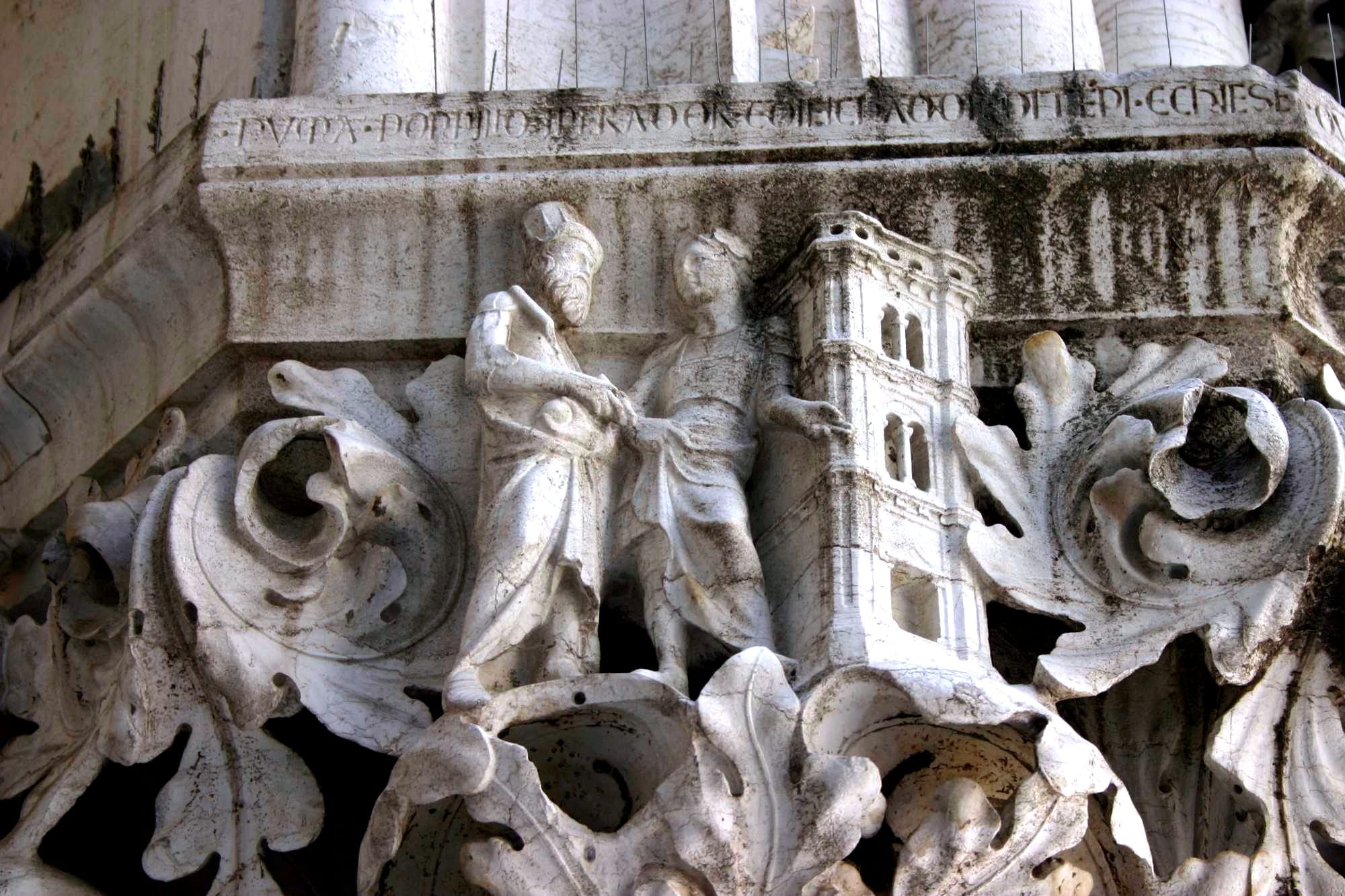
“When he saw that their minds, as having been rendered ferocious by military life, could not be reconciled to those principles during the continuance of wars, considering that a fierce people should be mollified by the disuse of arms, he erected at the foot of Argiletum a temple of Janus, as an index of peace and war; that when open, it might show the state was engaged in war, and when shut, that all the neighbouring nations were at peace with it.”
Livy says Numa closed Janus after securing peace with neighbouring peoples.
Egeria and the Story Behind the Reforms
Plutarch and Livy both connect Numa with Egeria, but they do not present the story in exactly the same way.
Plutarch says that after the death of his wife Tatia, Numa withdrew from city life and spent much time alone in sacred places. He says this helped create the story of Numa’s divine companion:
“Then Numa, forsaking the ways of city folk, determined to live for the most part in country places, and to wander there alone, passing his days in groves of the gods, sacred meadows, and solitudes. This, more than anything else, gave rise to the story about his goddess.”
Plutarch discusses the story carefully. He compares it with other ancient stories about gods and special human beings. He also gives another possible explanation: rulers who introduced major changes sometimes claimed divine support.
“Indeed there is no absurdity in the other account which is given of Lycurgus and Numa and their like, namely, that since they were managing headstrong and captious multitudes, and introducing great innovations in modes of government, they pretended to get a sanction from the god, which sanction was the salvation of the very ones against whom it was contrived.”
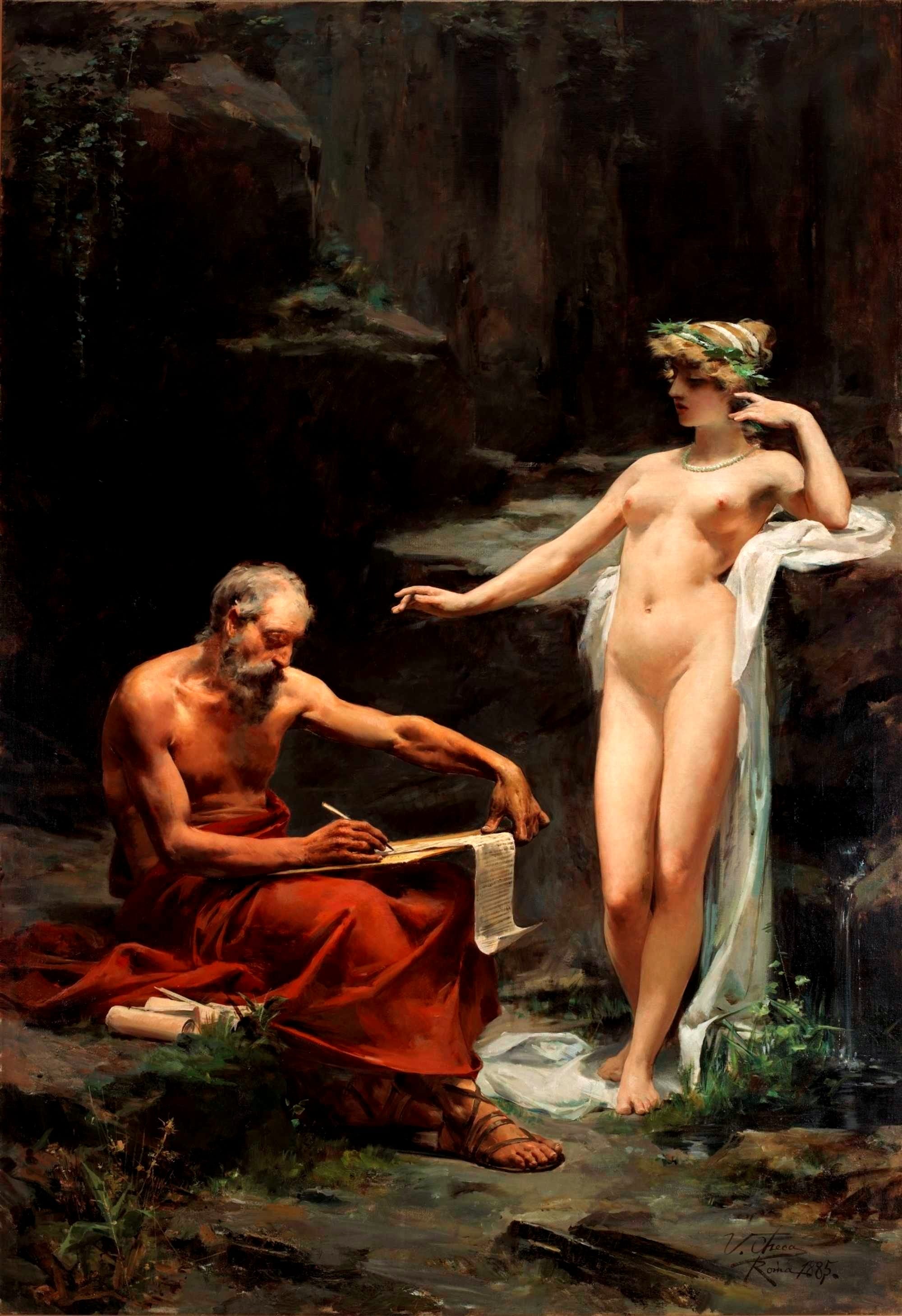
Livy is more direct. He says Numa used the Egeria story because religious fear would not easily enter the minds of the Romans without something miraculous:
“But as it could not sink deeply into their minds without some fiction of a miracle, he pretends that he holds nightly interviews with the goddess Egeria; that by her direction he instituted the sacred rites which would be most acceptable to the gods, and appointed proper priests for each of the deities.”
So Plutarch preserves the story and discusses it cautiously. Livy presents it as a fiction used to support Numa’s religious reforms.
Priests, Fire, and Sacred Duties
Plutarch says Numa was credited with creating the order of the Pontifices. He also says Numa himself was said to be the first of them:
“To Numa is also ascribed the institution of that order of high priests who are called Pontifices, and he himself is said to have been the first of them.”
Plutarch describes the Pontifex Maximus as responsible for sacred rites, sacrifices, religious custom, and instruction in the proper worship of the gods.
Numa is also connected with the Vestal Virgins. Plutarch says the consecration of the Vestals and the care of the perpetual fire were attributed to him:
“He was also overseer of the holy virgins called Vestals; for to Numa is ascribed the consecration of the Vestal virgins, and in general the worship and care of the perpetual fire entrusted to their charge.”
Plutarch notes that some traditions connected the Vestals with Alba before Numa. But in the Roman tradition he records, Numa is closely tied to their order and to the sacred fire.
The Shield That Fell from Heaven
Plutarch also connects Numa with the Salii, the priests of Mars who carried sacred shields. The story begins during a pestilence, when a bronze shield was said to have fallen from heaven:
“The story goes that while the people were disheartened by this, a bronze buckler fell from heaven, which came into the hands of Numa, and a wonderful account of it was given by the king, which he learned from Egeria and the Muses.”
Numa said the shield had come for the safety of Rome. He ordered eleven copies to be made so that the original could not easily be identified:
“The buckler came, he said, for the salvation of the city, and must be carefully preserved by making eleven others of like fashion, size, and shape, in order that the resemblance between them might make it difficult for a thief to distinguish the one that fell from heaven.”
Plutarch says the Salii were connected with this sacred shield tradition.
Farming Instead of Raiding
Plutarch says Numa also used agriculture to change Roman habits. He distributed land and turned the people toward farming:
“He wished to remove the destitution which drives men to wrongdoing, and to turn the people to agriculture, that they might be subdued and softened along with the soil they tilled. For there is no other occasion which produces so keen and quick a relish for peace as that of a farmer's life, where so much of the warrior's daring as prompts a man to fight for his own, is always preserved, while the warrior's licence to indulge in rapacity and injustice is extirpated.”
Plutarch presents this as another way Numa tried to make the people less violent.
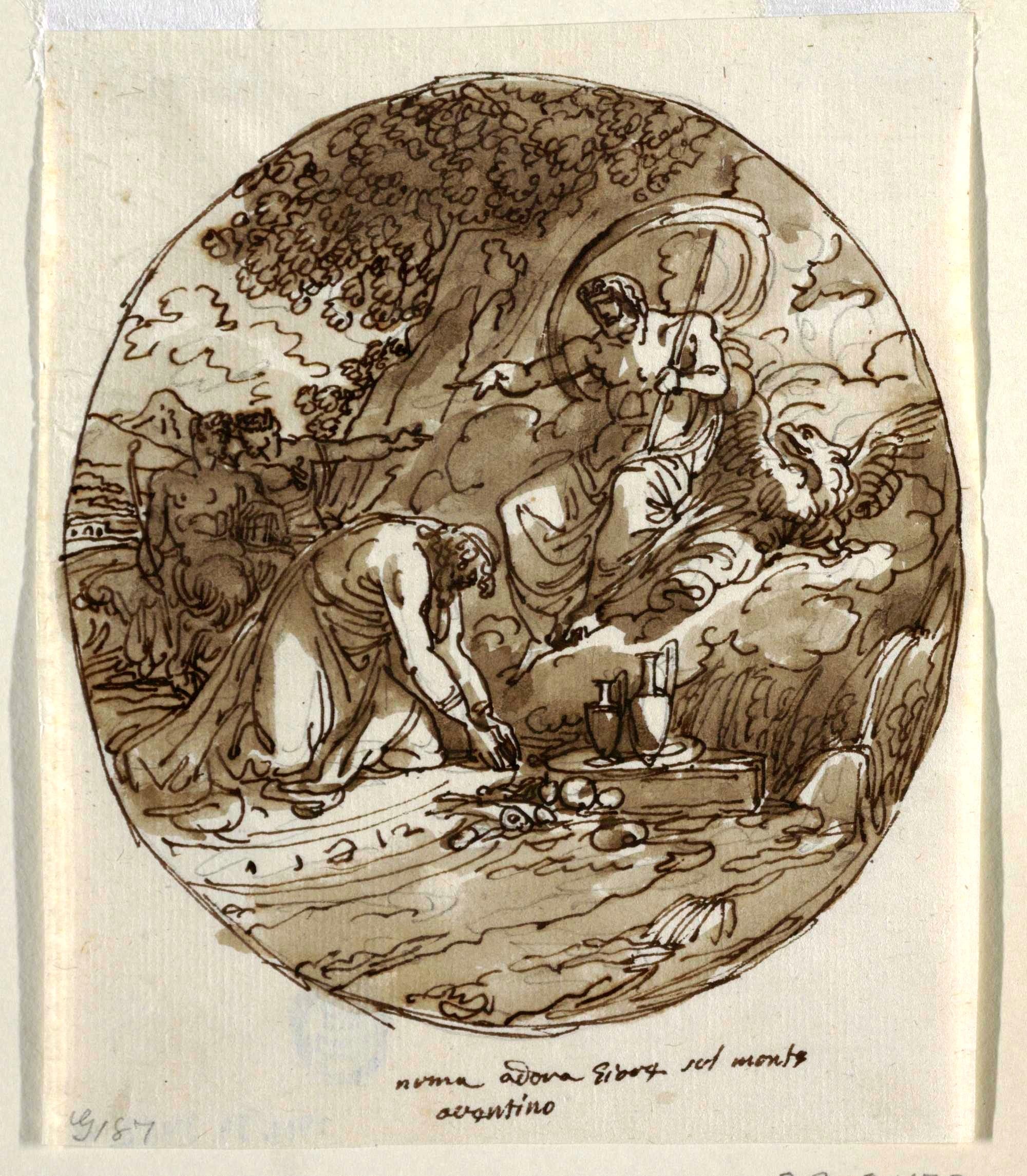
He also says Numa divided the people by trades and crafts. This was meant to reduce the old division between Romans and Sabines. People were organized by their work rather than only by their older group identities.
Ordering Roman Time
Numa was also remembered as a king who organized time. Plutarch says Numa corrected the calendar by adjusting the year to the movements of the sun and moon. He says Numa added January and February, and that March had previously been the first month.
Livy also credits Numa with arranging the year into twelve months. He says Numa distinguished between sacred and ordinary days. In both sources, Numa’s reforms include the ordering of religious time,
Numa in Ovid’s Fasti
Ovid also remembers Numa as a religious king. In the Fasti, Numa is connected with Rome’s calendar, sacred rites, Vesta, Jupiter Elicius, the Salii, and the sacred shield.
Roman tradition often credited Numa with the structure of Roman religion, although this should not be treated as strict historical fact. In Ovid’s version, the old wildness of the early Romans gives way to justice and religious ritual. Numa is also connected with Vesta and remembered as a peace-loving king.
This matches the same tradition found in Plutarch and Livy: Numa is remembered as a king of religion, order, and peace.
A Reign Without War
Plutarch says Numa’s reign was remembered as free from war and internal conflict:
“For there is no record either of war, or faction, or political revolution while Numa was king. Nay more, no hatred or jealousy was felt towards his person, nor did ambition lead men to plot and conspire against his throne.”
Livy says Numa’s religious arrangements moved Roman attention away from violence and arms:
“The whole multitude having been diverted from violence and arms to the considering and adjusting these matters, both their minds had been engaged in doing something, and the constant watchfulness of the gods now impressed upon them, as the deity of heaven seemed to interest itself in human concerns, had filled the breasts of all with such piety, that faith and religious obligations governed the state, no less than fear of the laws and of punishment.”
Livy adds that neighbouring peoples, who had once seen Rome as a camp rather than a city, came to respect it because it was so devoted to the worship of the gods.
The Books Buried with the King
Plutarch says Numa died at an advanced age. He was not cremated. Instead, he ordered two stone coffins: one for his body and one for his sacred books.
Plutarch then records a later story. Many years after Numa’s death, heavy rains exposed the coffins. One was empty. The other contained writings. When the books were read, they were judged improper to publish, and the Senate ordered them burned.
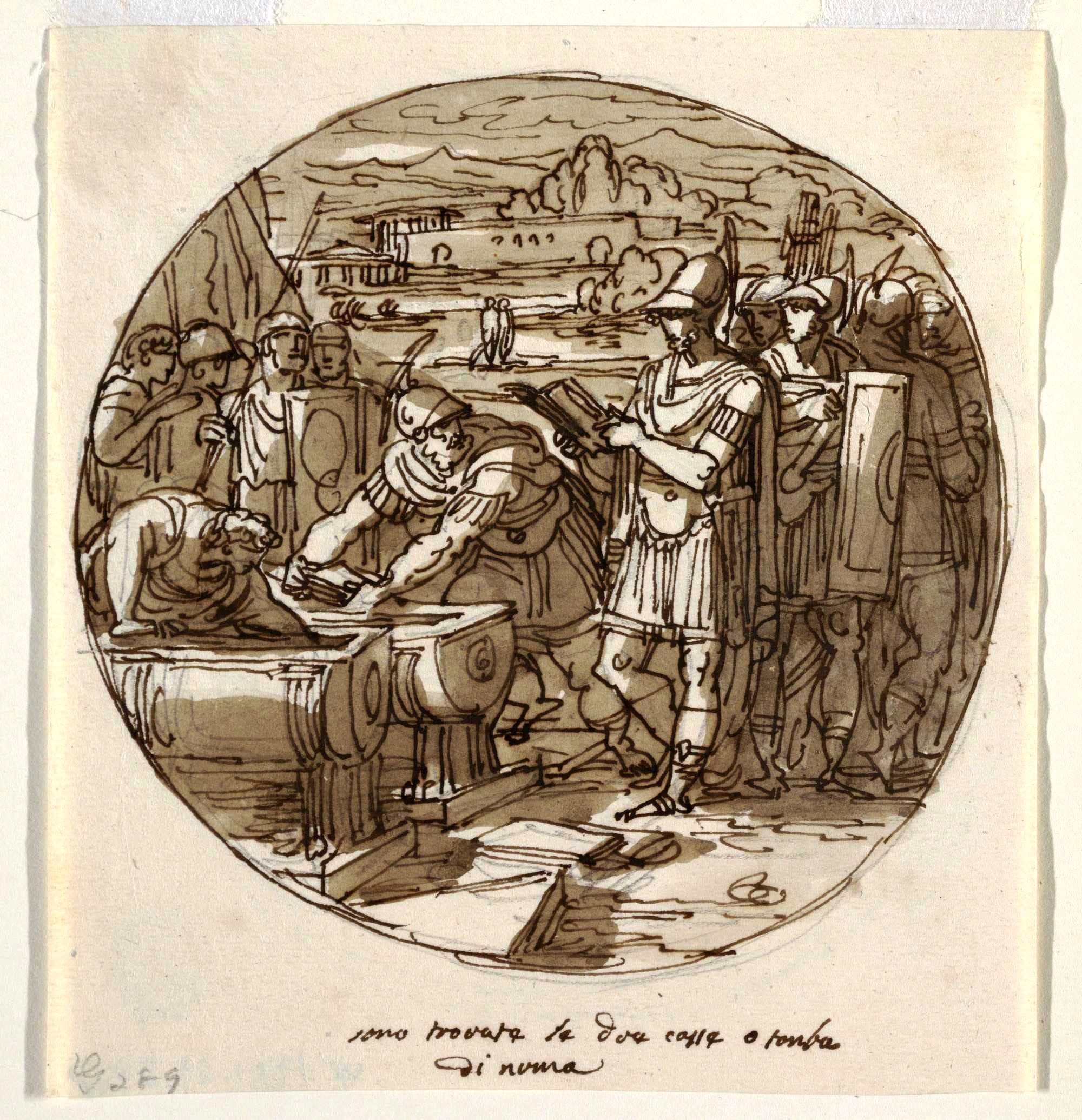
This is a later tradition attached to Numa’s memory. Plutarch includes it because Numa was remembered as a king connected with sacred knowledge and religious law.
In these ancient accounts, Numa stands in the quiet space between Romulus and the later kings of Rome. He is not remembered for conquest, but for the attempt to make a young and violent city live under ritual, law, and the fear of the gods.
Rome would not remain that kind of city for long. But in the tradition around Numa, there was a moment when its greatest achievement was not expansion, but peace.
Plutarch, "Life of Numa"
Livy, "History of Rome, Book 1"
R. J. Littlewood, “imperii pignora certa: The Role of Numa in Ovid’s Fasti"


About the Roman Empire Times
See all the latest news for the Roman Empire, ancient Roman historical facts, anecdotes from Roman Times and stories from the Empire at romanempiretimes.com. Contact our newsroom to report an update or send your story, photos and videos. Follow RET on Google News, Flipboard and subscribe here to our daily email.
Follow the Roman Empire Times on social media: