
Valens: The Emperor Rome Remembered Through Disaster
Valens is remembered for Adrianople, but his reign reveals a harsher story of religion, manpower, imperial pressure, and Roman control.

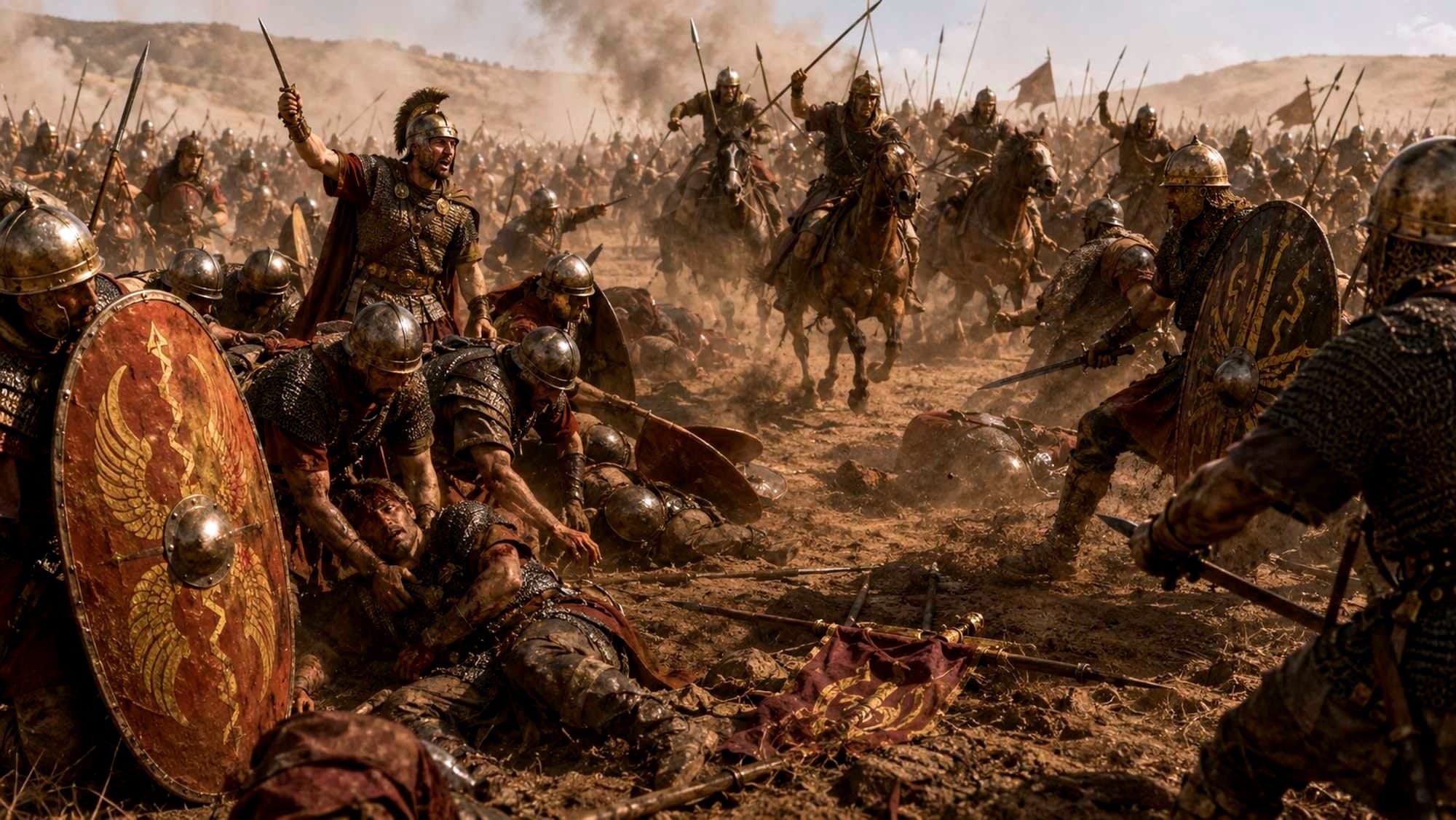
Valens ruled the eastern half of the Roman Empire at a moment when power had become divided, religion had become political, and the frontiers demanded constant attention. Yet his name is still usually drawn toward one event: Adrianople, the battle in A.D. 378 where he disappeared in one of Rome’s most devastating defeats. That ending shaped everything that came after. For later writers, especially Nicene Christian authors, Valens became the emperor whose religious errors and harsh policies ended in divine punishment.
But Valens was more than the man who died at Adrianople. His reign reveals a difficult eastern empire, a ruler overshadowed by his brother, a Christian world divided by doctrine, a state trying to discipline bishops and monks, and a government desperate for order, manpower, and control. His failure was real. So was the harshness of some of his policies. But the memory of Valens was built by enemies who had the advantage of his disastrous death
A Brother’s Empire, an Unequal Throne
Valens came to power because of his brother. After Jovian died in A.D. 364, Valentinian I was proclaimed emperor and soon chose Valens to share the government with him. Valens was not made a subordinate Caesar, but an Augustus, a full emperor. Even so, the balance between the brothers was never equal. Valentinian remained the stronger personality, the more forceful soldier , and the ruler whose authority shaped the imperial partnership.
This comparison followed Valens throughout his reign. Valentinian ruled the West and was remembered, despite his severity in other matters, as a ruler who kept some distance from religious disputes. Ammianus Marcellinus, who did not spare Valentinian’s faults, still described him favourably in matters of worship.
He did not force his subjects into one form of religion, nor did he try to impose his own faith through intimidating decrees. When bishops tried to draw him into doctrinal quarrels, he reportedly answered that he was only a layman and that priests should handle priestly affairs.
Valens ruled in a different environment. The East was far more deeply entangled in Christian doctrinal conflict. Nicene and Homoian Christians competed for churches, bishops, imperial favour, and public legitimacy. Ecclesiastical disputes were not private theological debates. They could affect cities, crowds, courts, and imperial order. An emperor in the East could not easily remain detached.
This difference helped form the later contrast between the brothers. Valentinian could be praised as moderate partly because his western situation made restraint easier. Valens, ruling the East, became involved in disputes that were sharper and more dangerous. Later church historians then interpreted his actions through their own doctrinal loyalties. Valentinian became the ruler who did not interfere. Valens became the ruler who oppressed the true Christians.
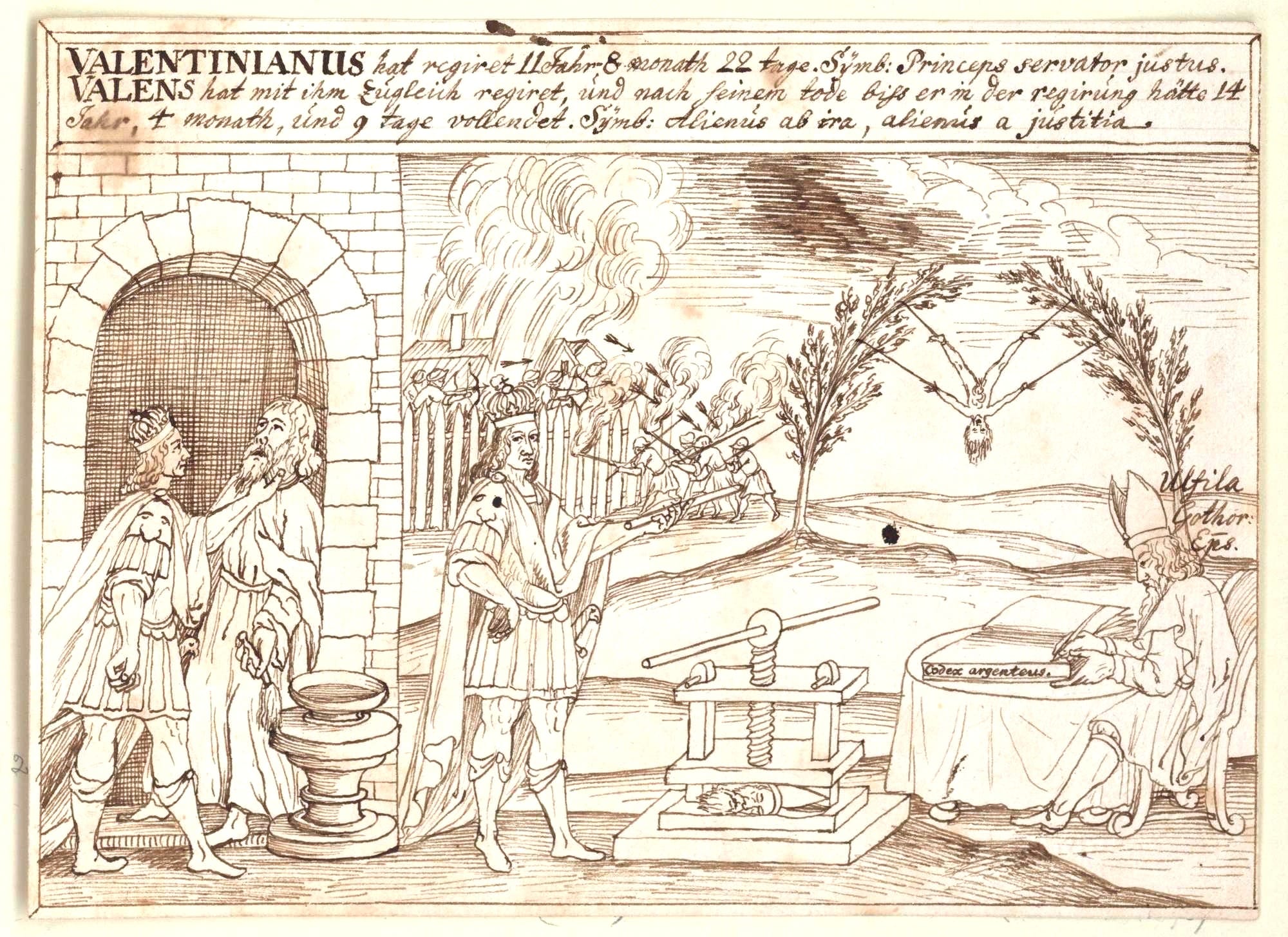
That image was not invented from nothing, but it was shaped by hostile memory. Valens supported Homoian Christianity, and that support placed him on the wrong side of the later Nicene tradition. But his policy may not have been driven by deep theological obsession. Homoian communities were already dominant in many eastern regions when he became emperor. Preserving their position may have seemed to him a way to preserve public order.
The methods he used were severe, but also traditional. Exile, confiscation, and military pressure had long belonged to the Roman state’s arsenal. Earlier emperors had expelled religious groups, philosophers, astrologers, Christians, and troublesome bishops when they were considered threats to civic peace. Constantine the Great and Constantius II had already used exile as a tool in Christian disputes. Valens inherited those methods and applied them in a more bitterly divided East.
For the imperial government, the issue could be described as order. For Nicene bishops and churches, it was persecution. Both perspectives matter. A bishop removed from his church was not experiencing “administration” in any neutral sense. His life, authority, and community were being attacked. Yet the emperor’s logic was not necessarily that of a simple persecutor hunting enemies of faith. He was acting like a Roman ruler who believed peace could be imposed from above.
Valens did not always use coercion. After the revolt of Procopius had ended, he allowed Athanasius to remain in Alexandria. In Antioch, Nicenes could be left alone when they did not appear dangerous. Some accounts even show Valens ordering exile in anger and then recalling the command.
Before the Gothic war in 378, Jerome and Rufinus mention a recall of Nicene exiles. This may have been a practical attempt to restore unity before war, or a response to public pressure against his policies.
The case of Basil of Caesarea shows how complicated Valens’ religious policy could be. Basil was a Nicene bishop, and Valens supported the Homoian side. Yet their relationship was not one of uninterrupted persecution. Basil was a powerful regional figure, useful in local affairs and influential in Cappadocia.
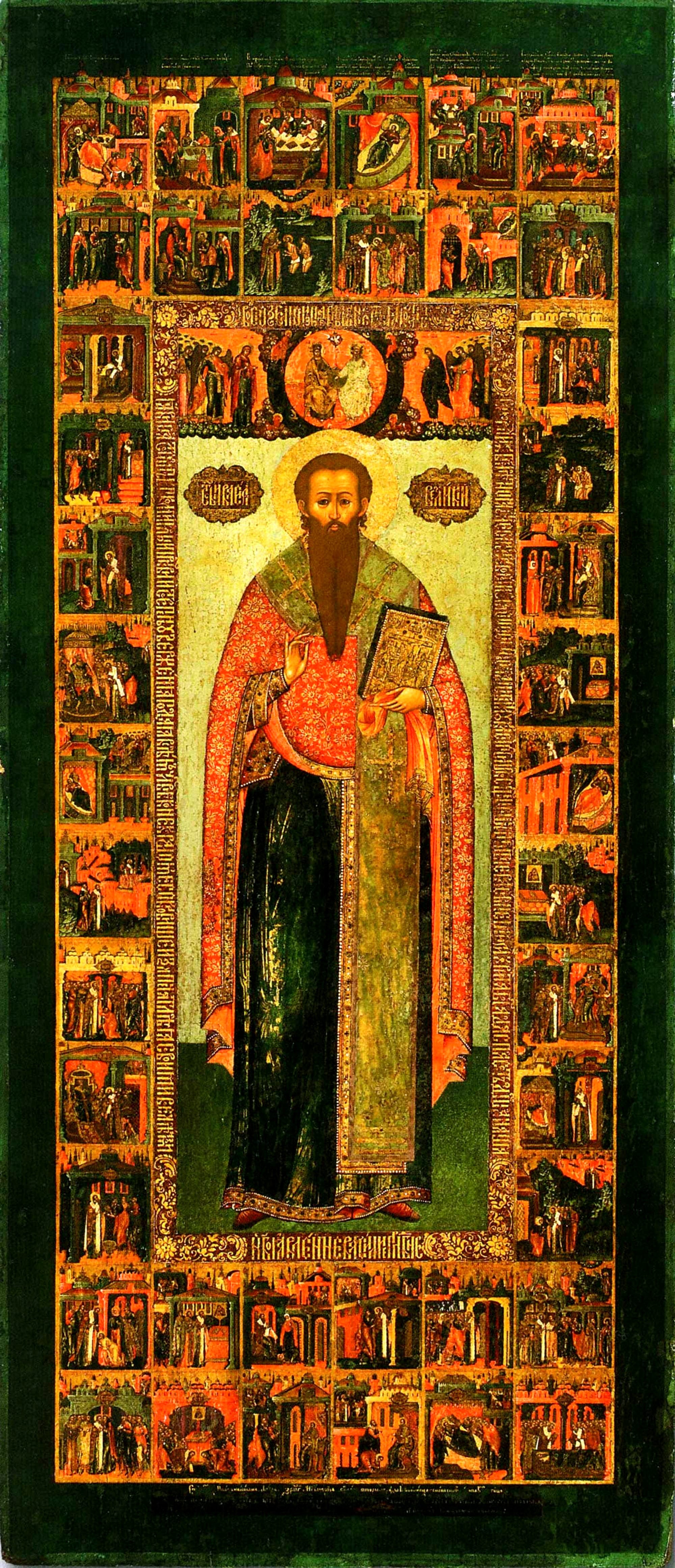
Valens even made donations of imperial estates to Basil’s church for charitable purposes. Doctrinal enemies could still exchange favours when political and social interests required it.
Later writers transformed these encounters into scenes of moral drama. Basil appears fearless, spiritually superior, and immovable. Valens appears anxious, clumsy, angry, or humbled by divine intervention. In these stories, the emperor holds earthly power, but the bishop possesses the higher authority. Basil’s parrhesia, his bold freedom of speech before power, becomes the central image. The emperor may command soldiers and sign decrees, but the holy bishop stands above him in spiritual truth.
This was how Valens became a persecutor in memory. Gregory of Nazianzus called him
“the emperor fighting against Christ”
and
“the tyrant of faith.”
Valens could be compared with Xerxes, Herod, Julian, or earlier persecuting emperors. The charge worked because it placed him inside an older Christian pattern: the impious ruler who opposes God’s people.
The language of blame followed familiar ancient patterns. A bad ruler could be said to have been misled by corrupt advisers, wicked bishops, eunuchs, or women. Valens was portrayed as corrupted by Homoian bishops such as Eudoxius of Constantinople and Euzoius of Antioch.
His wife Domnica was also blamed in some accounts, almost as another Eve who drew him away from the truth. Such stories were not simply biography. They were ways of explaining how a Christian emperor could become, in Nicene eyes, an enemy of true Christianity.
After Valens died, the attacks became stronger. During his lifetime, criticism was more cautious. Once he was gone, and gone in disaster, hostile writers had the ending they needed. Adrianople could be read not only as defeat, but as judgment. The emperor who had exiled bishops and supported the wrong creed had died terribly. The story became almost irresistible: a persecutor met the fate of persecutors.
Ambrose linked Valens’ religious error with military disaster, asking,
“How can the Roman state be secure with such custodians?”
Theodoret later shaped the battle into a drama of ignored warnings. Valens was told that God had turned against him and that the barbarians had been roused because of his blasphemy. When he died, the conclusion was clear: he had paid for his errors.
That interpretation sealed his reputation. Yet the larger fourth-century world was full of emperors who pressured dissenters. Constantine, Constantius II, Constans, Julian, Theodosius I, Arcadius, Honorius, and Theodosius II all used coercion in religious affairs in one way or another. Valens was probably not uniquely harsh. He was less successful, less fortunate, and remembered by writers whose version of Christianity became dominant.
The result was a reputation almost impossible to undo. Valens was not innocent, but neither was he only the villain of Nicene memory. He was an emperor trying to maintain order in a divided Christian East, using old Roman methods that created new Christian stories of persecution. (“A Misunderstood Emperor? Valens as a Persecuting Ruler in Late Antique Literature.” By Maijastina Kahlos)
When Monks Became a Problem for the State
The harshest evidence against Valens comes from his treatment of monks. Here the problem was not only theology. It was also manpower, taxation, military recruitment, civic duty, and the Roman state’s suspicion of men who withdrew from ordinary obligations.
Jerome preserves one of the most striking notices of Valens’ reign. Under the year A.D. 375, he reports that Valens passed a law requiring monks to serve as soldiers, and that those who refused were beaten to death with cudgels. The Latin is severe:
“Valens lege data ut monachi militarent, nolentes fustibus iussit interfici.”
In plain terms, monks were ordered into service, and those who refused could be killed with rods.
This notice has often been doubted because Jerome is the only independent source for that exact law. Yet the case for rejecting it is not strong enough to dismiss the episode completely. Jerome finished his Chronicle around 380 or 381, only a few years after the events.
He had lived in Syria during the relevant period, first in Antioch, then as an ascetic near Chalcis, then again in Antioch before moving to Constantinople. Valens was also often in Antioch and other eastern cities connected with frontier defence. Jerome was not writing from a distant century.
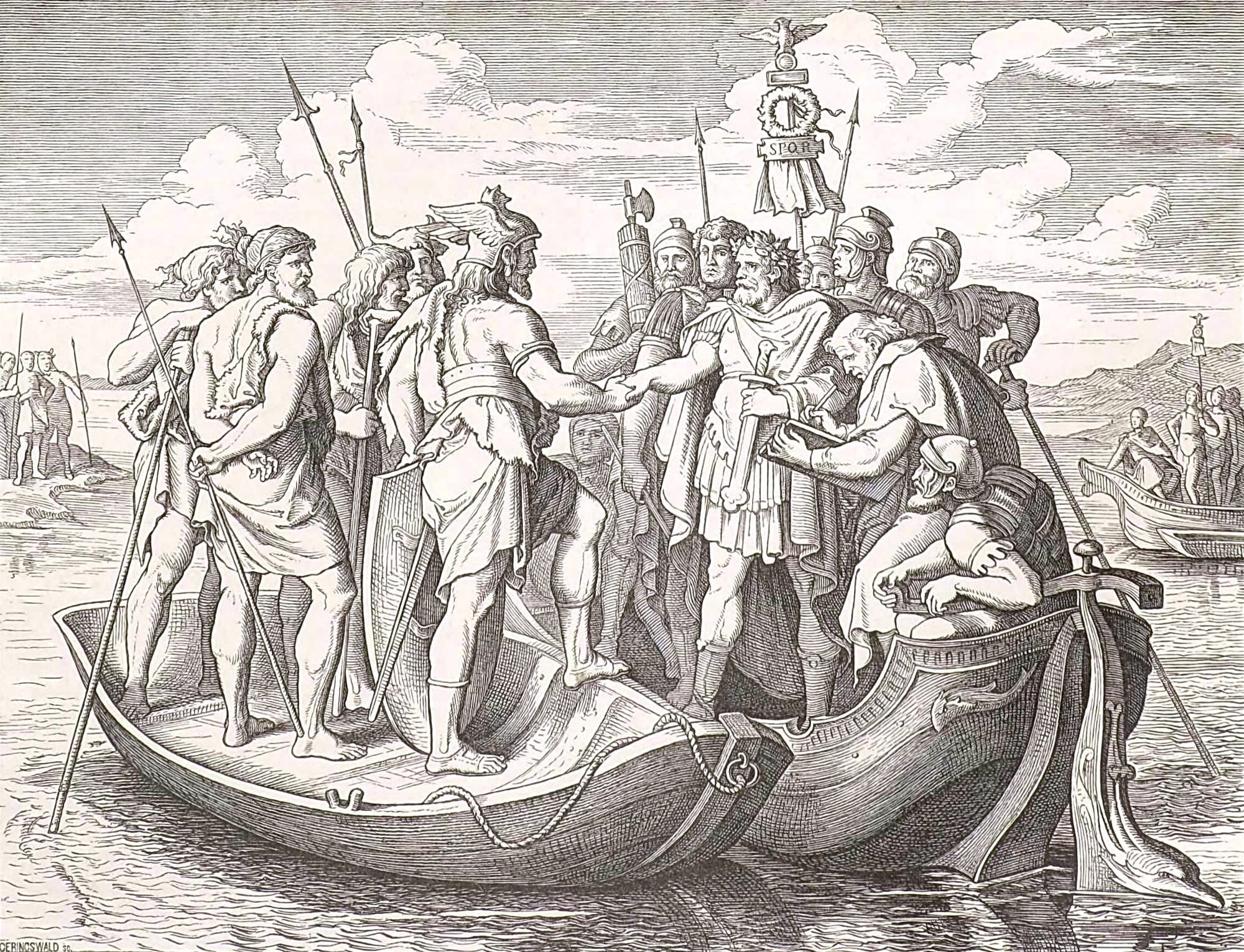
The wider evidence also makes the notice plausible. Valens seems to have tried to avoid open persecution early in his reign, but after the death of Athanasius of Alexandria in 373, his government became more violent toward religious resistance. The Alexandrian succession crisis brought imperial intervention, armed force, trials, torture, exile, and punishment.
Monks were among those targeted. Some were sent to mines and quarries. Others were exiled. The pressure was not restricted to Egypt; evidence also points to attacks or expulsions in Syria and other eastern regions.
Valens’ suspicion of monks fits the broader character of his rule. He and Valentinian were practical emperors. They cared about frontier defence, taxation, curial obligations, and administrative efficiency. Monastic withdrawal challenged that world.
To supporters, the monk was a holy man who had left society for God. To the imperial government, he could appear as a man avoiding service, tax obligations, municipal duties, and the normal burdens of Roman life.
A law of 373 makes that suspicion visible. It describes some monks as “devotees of idleness” who had abandoned municipal obligations and gone into solitude under the pretext of religion. That phrase is revealing. It does not sound like theological debate.
It sounds like administration, irritation, and social control. The monk is not imagined as a spiritual athlete, but as someone who has removed himself from the duties that sustained the city and the empire.
This mattered because the Roman state needed bodies. It needed soldiers, miners, taxpayers, councillors, and officials. Valens had serious manpower problems in the 370s. He needed recruits for the army, and he needed labour for mining after financial strain and coinage reform created pressure on imperial resources. In that context, monks could look like an unused reservoir of men.
Sending monks to mines or forcing them into military service was therefore not random cruelty. It was a brutal attempt to convert religious withdrawal into state labour. The punishment matched the charge: men who had fled civic obligation were dragged back into service.
The use of cudgels also fits the military logic. Beating with rods was associated with military punishment, especially desertion. If Valens saw monks as men deserting their obligations, Jerome’s notice becomes more credible. The violence was extreme, but it belonged to a Roman world where the state could punish refusal with terrifying force.
The conflict reveals a deeper tension inside the Christian empire. Monasticism celebrated withdrawal from the world. The Roman state depended on participation in the world. Ascetics might describe their life as spiritual warfare, but Valens needed actual soldiers. Monks might reject wealth, office, marriage, and public life; the empire needed taxpayers, sons, councillors, and recruits.
This does not soften the policy. It makes it clearer. Valens’ treatment of monks was severe, and some of it was violent. But it was not only a matter of Homoian hostility toward Nicene ascetics. It was also a struggle between two visions of duty. One was ascetic and Christian, centred on renunciation. The other was imperial and Roman, centred on service.
Nor was Valens alone in distrusting the new monastic movement. The rise of monasticism in the fourth century produced admiration, but also anxiety. Critics could accuse monks of idleness, hypocrisy, refusal to marry, refusal to serve, and social disruption. The monk was becoming a powerful figure in Christian imagination, but not everyone welcomed what that meant for the state.
Valens’ policy may even have strengthened what it tried to break. By exiling monks, sending them away, and turning them into confessors, the emperor helped spread their reputation. Violence against ascetics could make them appear as heirs of the martyrs. A policy meant to discipline monasticism could give it greater moral power.
This is one of the ironies of Valens’ reign. He tried to force monks back into the machinery of Roman order. Instead, his coercion helped later Christian writers place monks more firmly in the story of holy resistance. The emperor wanted service; the monks became witnesses. (“Valens and the Monks: Cudgeling and Conscription as a Means of Social Control” by Noel Lenski)
Governing an Empire Under Pressure
Valens’ reign was not only a religious story. It was also a reign of revolt, frontier diplomacy, administrative pressure, finance, and military crisis. A fuller view of the emperor begins with the fact that he had to rule as part of an imperial college, not as an isolated monarch.
Valentinian’s decision to make Valens Augustus gave his brother full imperial rank, but the partnership remained unequal. Valentinian held the stronger position, and the division of territory gave him the larger share. Coins, inscriptions, and public messaging promoted concord and brotherly equality, but the political reality showed Valens dependent on Valentinian’s seniority and prestige.
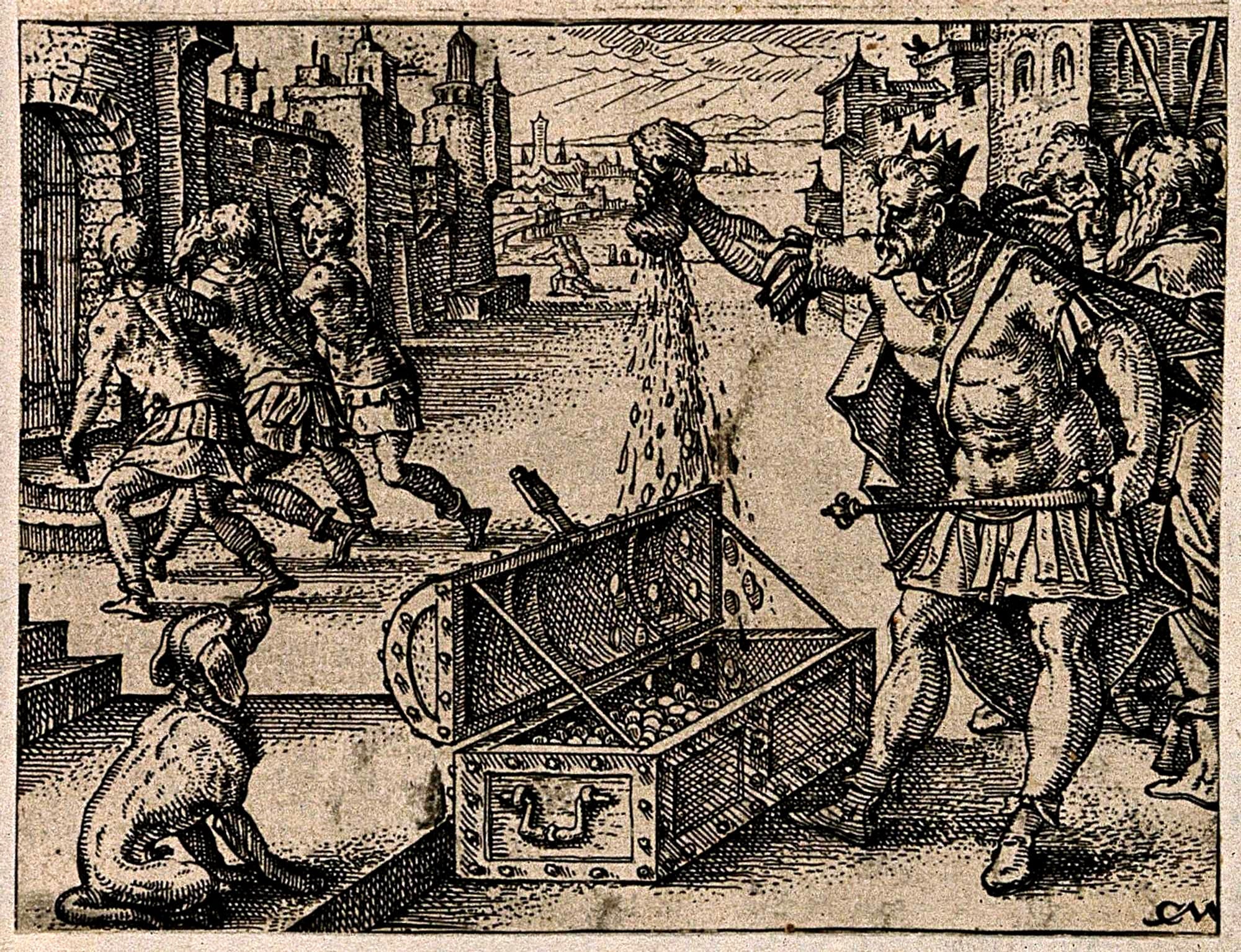
That imbalance mattered during the revolt of Procopius in 365–366. Procopius was connected to the Constantinian dynasty, and his rebellion exploited precisely the kind of legitimacy Valens lacked. Valens and Valentinian were Pannonian soldiers, elevated after the death of Jovian. They had power, but not the glamour of dynasty. Procopius could trade on that absence.
The revolt should not be treated as a comic interlude. It threatened Valens early and exposed the insecurity of his rule. Procopius had limited military backing, but he used dynastic association and cultural prestige to challenge a new emperor whose authority had not yet settled. Valens survived, but the experience helps explain the harder edge of his later government. A ruler nearly overthrown at the beginning of his reign could become more suspicious of disorder.
The Gothic frontier also troubled Valens before the great crisis of 376–378. His first Gothic war was not driven by obvious necessity. Roman claims beyond the Danube were more limited than imperial propaganda suggested, and the eventual peace was a compromise. Valens could not focus indefinitely on the Danube because eastern pressures demanded attention.
The Persian frontier was one of those pressures. The treaty of 363, made after Julian’s failed Persian expedition and Jovian’s retreat, left Armenia and Iberia in an ambiguous position. Rome and Persia both tried to exploit the settlement. Valens had to manage the eastern frontier carefully, balancing Roman influence, Persian pressure, and the danger of renewed war.
Other problems added to the strain. Valens had difficulties with the Maratocupreni, Isaurians, Saracens, and the revolt of Mavia. These were not the famous disasters of his reign, but they show an eastern empire that constantly demanded attention. Valens’ government had to respond to local unrest, frontier pressures, and diplomatic crises across a wide territory.
Administration and finance formed another major part of his rule. Valens and Valentinian often legislated together on public order, family law, weights and measures, education, entertainments, and corruption. Both emperors were harsh toward dishonest officials. Both were concerned about the decline of the curial class, whose service was essential to local government. Both preferred useful building projects over empty display.
Valens also tried to reduce taxation and repair fiscal damage left by Julian’s financial policies. His reforms were not without cost. Early efforts may have contributed to the conditions behind Procopius’ revolt, while coinage reform and financial pressure later produced harsher regulation of mining, confiscations, and the sale of imperial estates. Administrative energy did not always mean administrative success.
His religious policy belongs inside this wider concern for order. At first, Valens imitated the tolerance associated with Valentinian. Even the magic trials of the 370s arose from fears of conspiracy rather than a simple attack on pagans. In Christian affairs, his aim appears to have been religious harmony, though enforced by coercive means when he thought necessary.
He tolerated Nicenes when they caused little trouble, left Basil alone, and showed restraint in some places. Serious problems arose especially after Athanasius’ death, when arrests, pressure on bishops, and the forced service of monks and ascetics became more prominent.
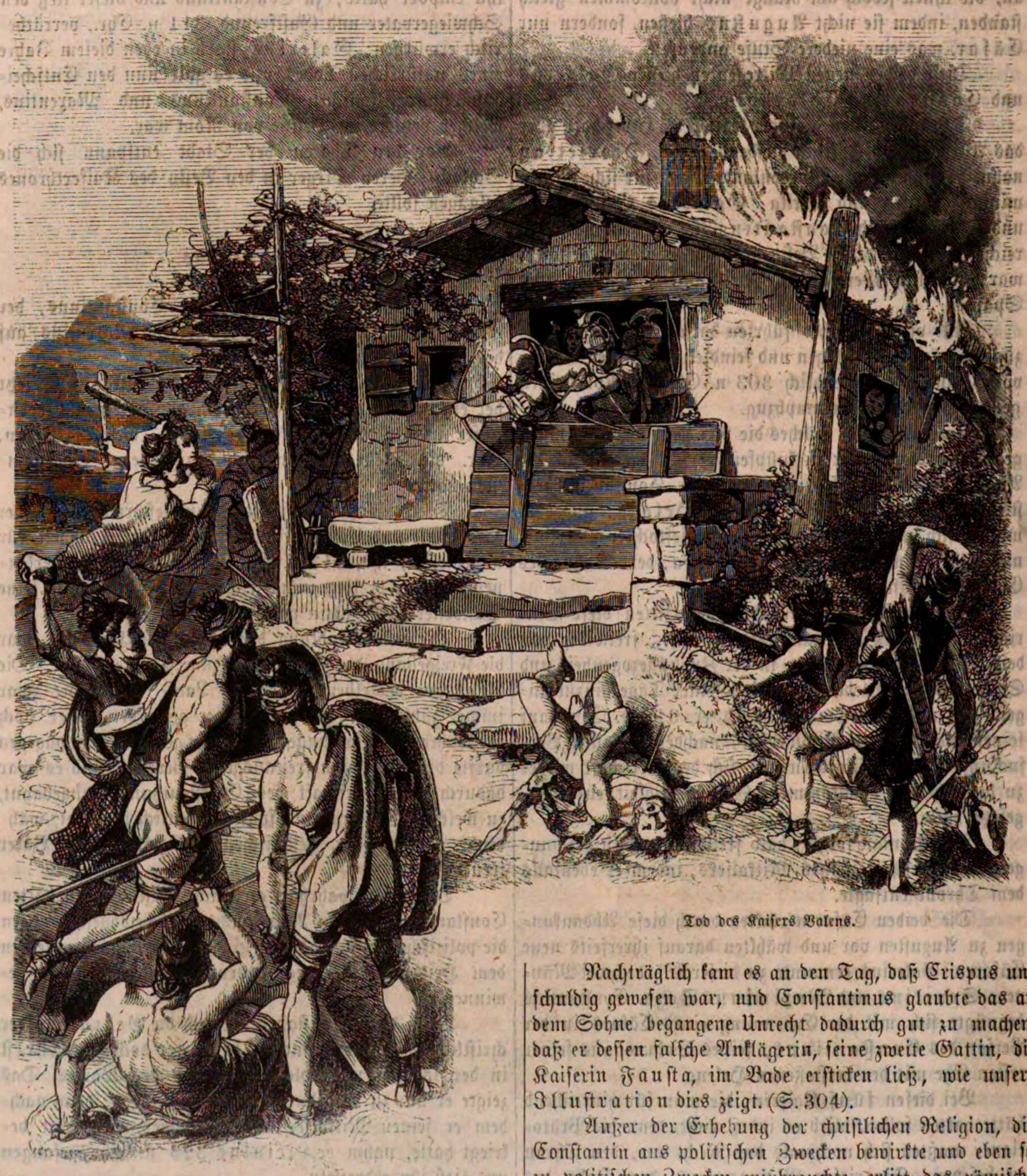
The same mixture of opportunity and danger appears in the Gothic crisis. When large groups of Goths reached the Danube in 376, Valens had reason to see possible advantage in admitting them. The East needed manpower. If the newcomers could be disarmed, supplied, distributed, and supervised, they might become soldiers, taxpayers, and useful settlers.
The plan was not absurd. Roman governments had long used settlement, recruitment, diplomacy, and controlled violence to manage peoples beyond the frontier. The danger lay in implementation. The Goths were numerous, Roman control was weak, and officials on the frontier behaved badly.
Hunger, exploitation, corruption, and humiliation turned admission into rebellion. What had been intended as controlled settlement became a military crisis inside the empire.
Valens’ approach to the final campaign was shaped by more than battlefield calculation. Eastern frontier problems delayed him. Gratian’s western support was inadequate or slow. After Valentinian’s death, Valens’ relationship with Gratian carried political tension. Valens could claim seniority as emperor, but Gratian controlled a larger part of the empire. Waiting too long for his nephew risked making Valens look dependent.
This helps explain the decision to fight at Adrianople, though it does not excuse it. Valens faced pressure from the Goths, from imperial prestige, and from the uncomfortable politics of assistance. If Gratian arrived and victory followed, who would receive the glory? If Valens waited and seemed hesitant, what would that say about his authority?
At Adrianople, all these pressures converged. The result was catastrophe. Yet the battle should not erase the rest of the reign. Valens governed through civil war, religious conflict, frontier diplomacy, administrative reform, fiscal strain, military shortage, and imperial rivalry. He was not a glamorous emperor, but he was not an idle one. His rule was an attempt to keep the eastern Roman state functioning under pressure.
That is why his failure matters. It was not the failure of one bad day alone. It was the failure of systems that had become harder to manage: recruitment, settlement, frontier control, religious unity, finance, and shared imperial authority. Adrianople revealed those weaknesses in the most brutal form. (“Failure of Empire: Valens and the Roman State in the Fourth Century A.D”, by Robin Seager, (review of Noel Lenski) in The Classical Review.)
The Emperor Behind the Catastrophe
Valens is difficult to rescue from his ending. Adrianople gave his reign a shape that later writers could not resist. The emperor who supported Homoian Christianity and used coercion against Nicene opponents died in a disaster that could be read as divine punishment. The ruler who needed manpower was destroyed by a crisis born from failed recruitment and settlement. The emperor who wanted order became remembered through chaos.
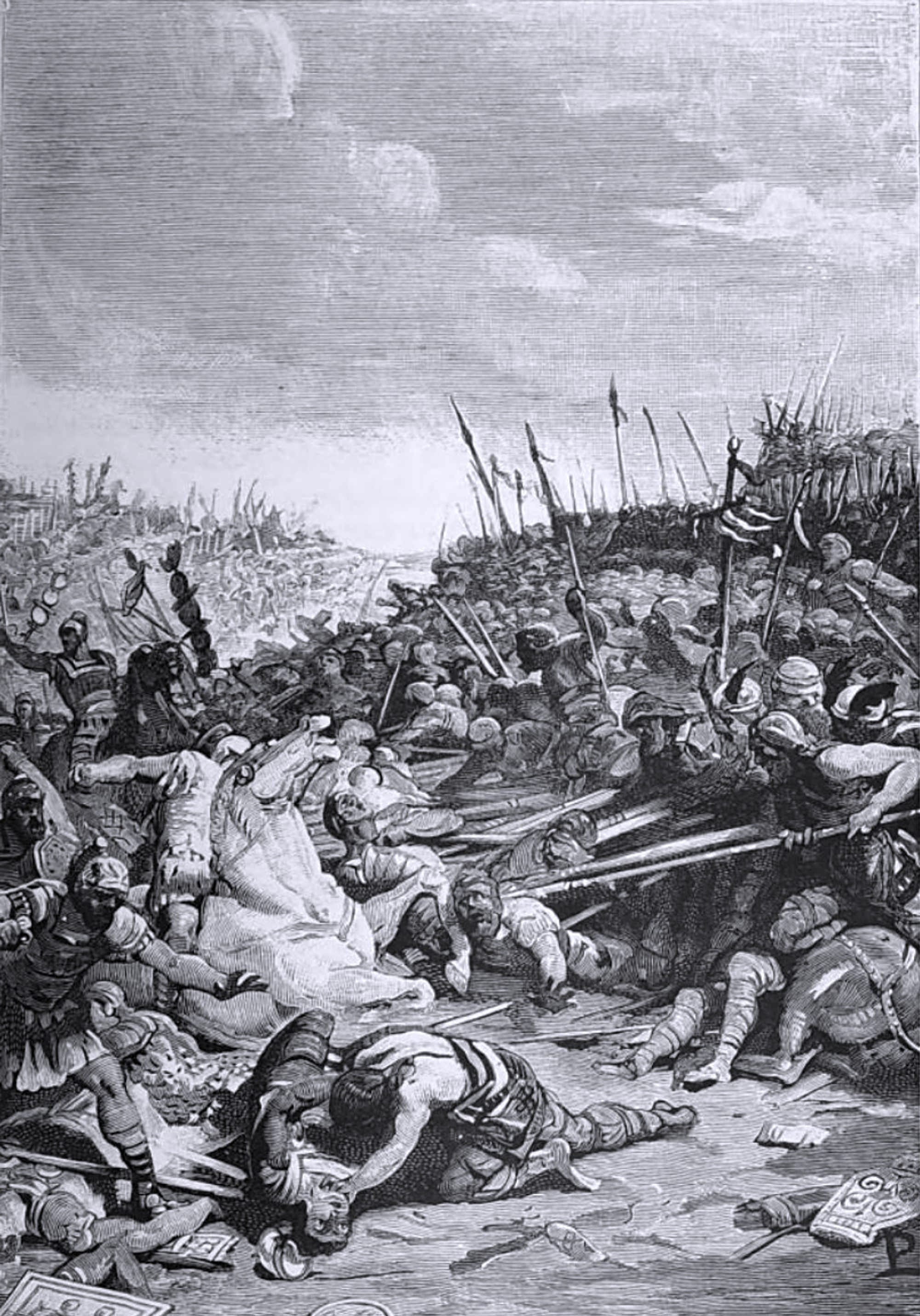
He was not a heroic figure. His policies could be harsh, his temper suspect, his religious choices divisive, and his judgement at Adrianople disastrous. He used exile, confiscation, military force, and forced service. Monks and bishops suffered under his government. The Gothic crisis was mishandled, and the consequences were immense.
But the old caricature is too simple. Valens was not merely a foolish emperor who rushed blindly into defeat, nor only the persecutor created by Nicene memory. He was a ruler of the eastern Roman Empire at a time when every instrument of order carried danger. To discipline bishops could create confessors.
To force monks into service could turn them into martyrs of ascetic life. To admit Goths could strengthen the army, or create an enemy within the frontier. To wait for Gratian could save an army, or humiliate an emperor.
His reign stands at the meeting point of late Roman pressures. Dynastic weakness, religious division, monastic withdrawal, fiscal strain, manpower shortage, eastern diplomacy, Gothic migration, and imperial rivalry all passed through his rule. Adrianople did not create those tensions. It exposed them.
Valens lost the battle, and he also lost control of his memory. Theodosius I, who came after him, would be celebrated by Nicene writers despite using coercion of his own. Valens, who backed the wrong Christian side and died in the wrong way, became the warning. His defeat seemed to explain his life.
The more troubling truth is that Valens was a Roman emperor using Roman tools in a world those tools no longer controlled easily. His government sought discipline, unity, service, and obedience. What it often produced was resentment, resistance, and stories of persecution.
Rome remembered Valens through disaster because disaster made sense of him. Behind that memory stood a more complex ruler: overshadowed by his brother, challenged by rebels, pressured by Persia, entangled with bishops, hostile to monks, tempted by Gothic manpower, and finally destroyed by a crisis he could not master. His reign was not only the road to Adrianople. It was a warning about an empire still powerful, still organized, still ambitious — but increasingly unable to make its own solutions safe.

About the Roman Empire Times
See all the latest news for the Roman Empire, ancient Roman historical facts, anecdotes from Roman Times and stories from the Empire at romanempiretimes.com. Contact our newsroom to report an update or send your story, photos and videos. Follow RET on Google News, Flipboard and subscribe here to our daily email.
Follow the Roman Empire Times on social media: