
The Most Dangerous Place in Rome? Beside the Emperor
Near the emperor, influence could bring honours, wealth, office, and command – but it also exposed courtiers, freedmen, jurists, relatives, and guards to suspicion, rivalry, and sudden violence.

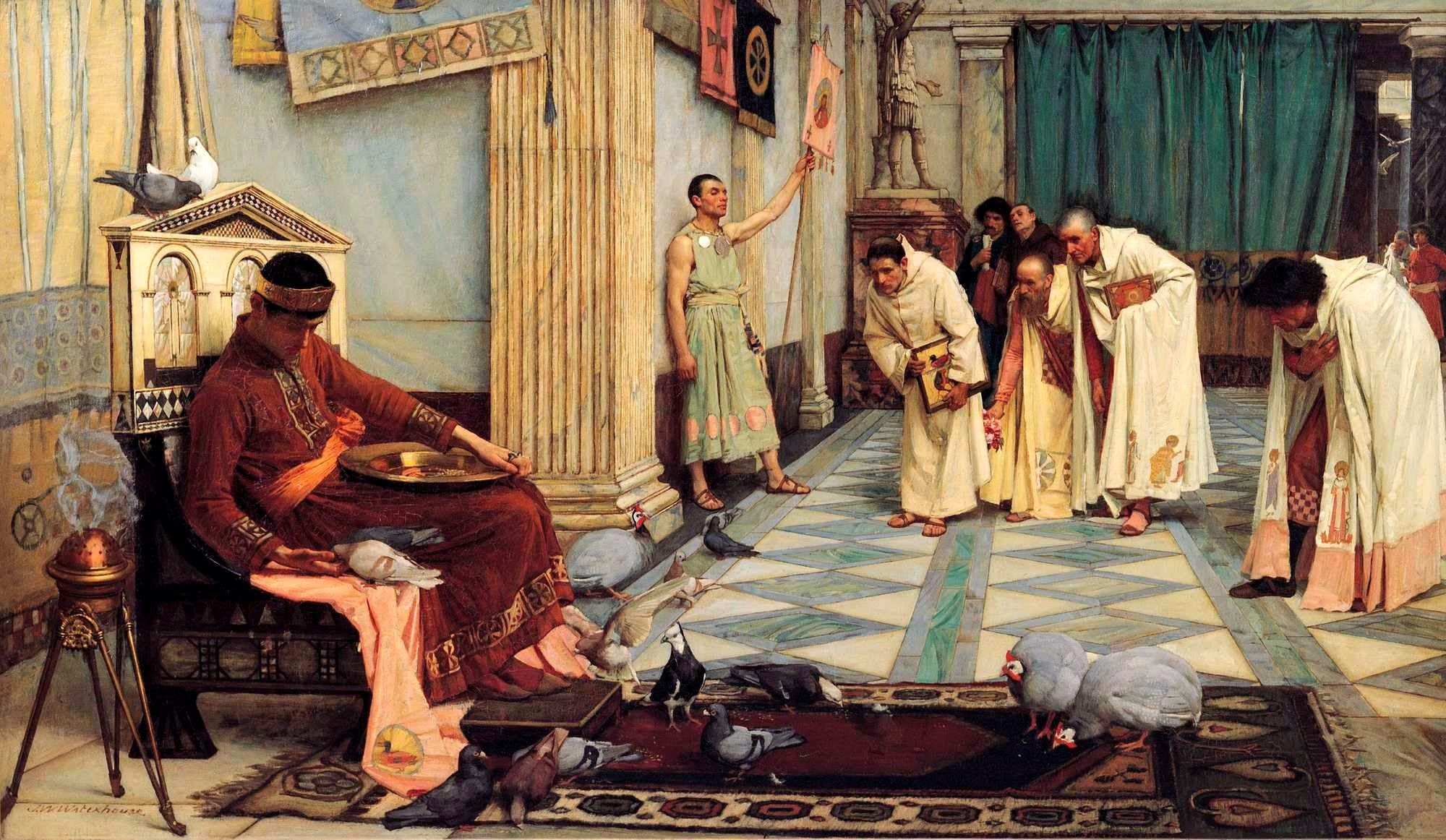
In the Roman Empire, power gathered around one man. That made the people nearest to him unusually influential – and unusually exposed. The emperor was not only a distant figure on coins, statues, military standards, and public monuments.
He was the living center of petitions, appointments, letters, hearings, favours, punishments, inheritances, legal rulings, accusations, and careers. Cities could send embassies to him.
Governors could consult him. Private individuals could place written petitions before him. Senators needed his favour. Jurists could sit beside him in council. Freedmen and secretaries could manage the flow of letters, requests, and information. Prefects commanded the soldiers stationed closest to his body.
To stand near the emperor was to stand near the machinery of empire.
That closeness could bring rank, wealth, honours, military command, social elevation, and influence far beyond ordinary expectation. But it could also turn a person into a target. Near the emperor, favour was visible.
Influence provoked resentment. Access created suspicion. A whisper could become an accusation. A rival could become an enemy. The guards who protected the palace could also threaten it. Imperial confidence could make a career, but the loss of that confidence could end a life.
The imperial court was not a formal constitutional institution like the Senate. It had no fixed legal shape, no public rulebook, and no stable membership that made its power easy to define. Yet imperial history cannot be understood without it.
Around the emperor gathered relatives, senators, equestrians, jurists, freedmen, secretaries, guards, prefects, petitioners, envoys, favourites, and rivals. Their world was not merely ceremonial. It was a political space where access to imperial favour was negotiated.
It was also a place where everyone watched everyone else.
The Court Had No Constitution, but It Had Power
The Roman court was difficult to define because it was not simply one thing. It was not just the emperor’s family, although wives, mothers, sons, daughters, and relatives could be central to court politics. It was not merely the imperial household, although slaves and freedmen could occupy positions of extraordinary practical importance.
It was not the Senate, although senators moved through it and depended on imperial favour. It was not the army, although bodyguards and Praetorian prefects made the palace a military space as well as a political one. The court was where these groups overlapped.
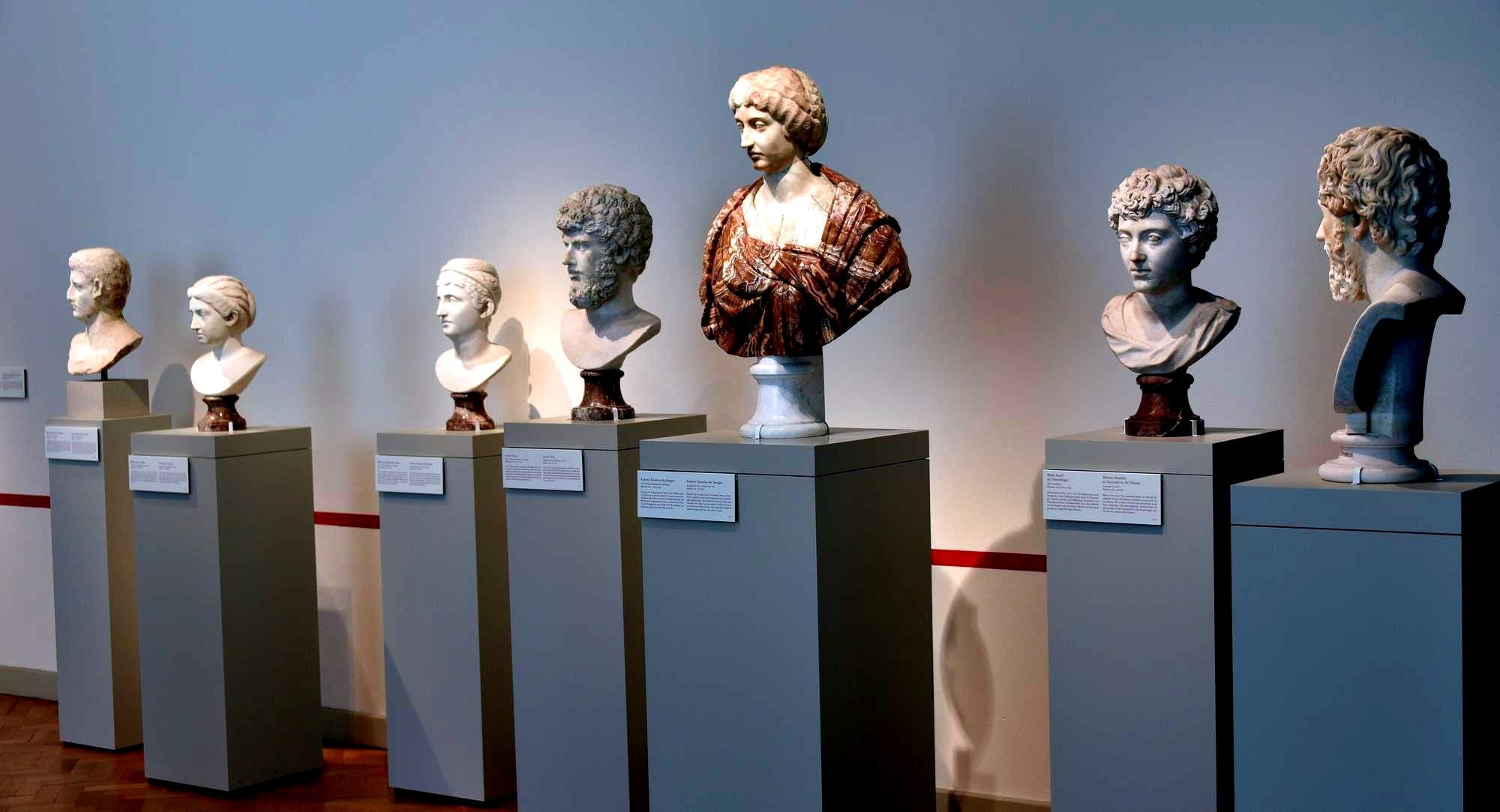
It was the space around the ruler where people sought favour, recognition, office, protection, advancement, and survival. Its power did not need a constitutional title. It operated through presence, access, proximity, recommendation, observation, and exclusion.
Public spectacles displayed imperial power before the people. The emperor could be seen at the games, in ceremonies, in processions, and in the monumental spaces of Rome. But spectacle was not the same as the working center of rule. The court’s deeper function was the concentration and redistribution of power.
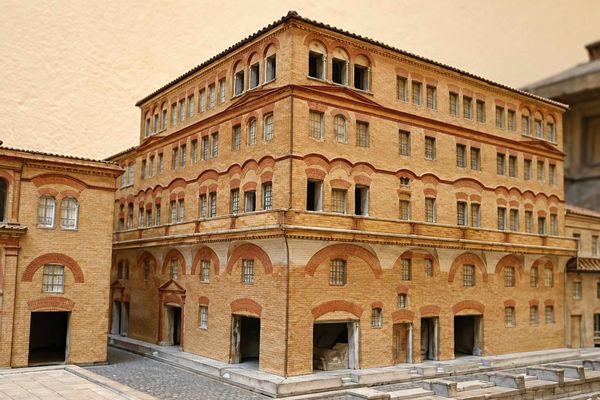
Around the emperor, office, wealth, judgement, social advancement, and political survival could be pursued. The Palatium was therefore more than a residence. It was the monumental setting of a system that gathered ambition around the ruler.
In the Republic, power had been pursued through office, elections, family prestige, patronage, and public competition. Under the emperors, competition increasingly turned toward imperial favour. The question was no longer only which aristocratic family held rank, or which nobleman could win office before the people.
The question became who could reach the emperor, who could influence those near him, and who could survive the rivalries created by that access. This was why the court was dangerous.
Seeing, Being Seen, and Hiding Everything
The court functioned like a stage, but not a harmless one. People came to be seen by the emperor, or to be seen by those who could reach him. They watched rivals trying to do the same. A greeting could matter. A summons could matter. A place at dinner could matter. A sign of exclusion could be read as a warning. A rumour could move faster than an official order.
The court was open enough for social life to unfold, but the political process remained partly veiled. Decisions might later appear publicly as appointments, verdicts, letters, edicts, or punishments. Yet the route by which they were shaped could remain hidden inside conversations, recommendations, rivalries, household influence, and private access.
Visibility was power, but it was also exposure. Everyone could be seen, and everyone had something to hide. This is why descriptions of court life often linger on faces, gestures, silences, and reactions. The palace was not only a place where decisions happened. It was a place where people displayed loyalty, fear, ambition, grief, caution, and calculation, whether they wished to or not.
The death of Britannicus gives one of the clearest images of this world. The setting was not a battlefield or a public execution. It was a dinner. Britannicus sat in the emperor’s presence, surrounded by Nero, members of the imperial household, and elite observers.
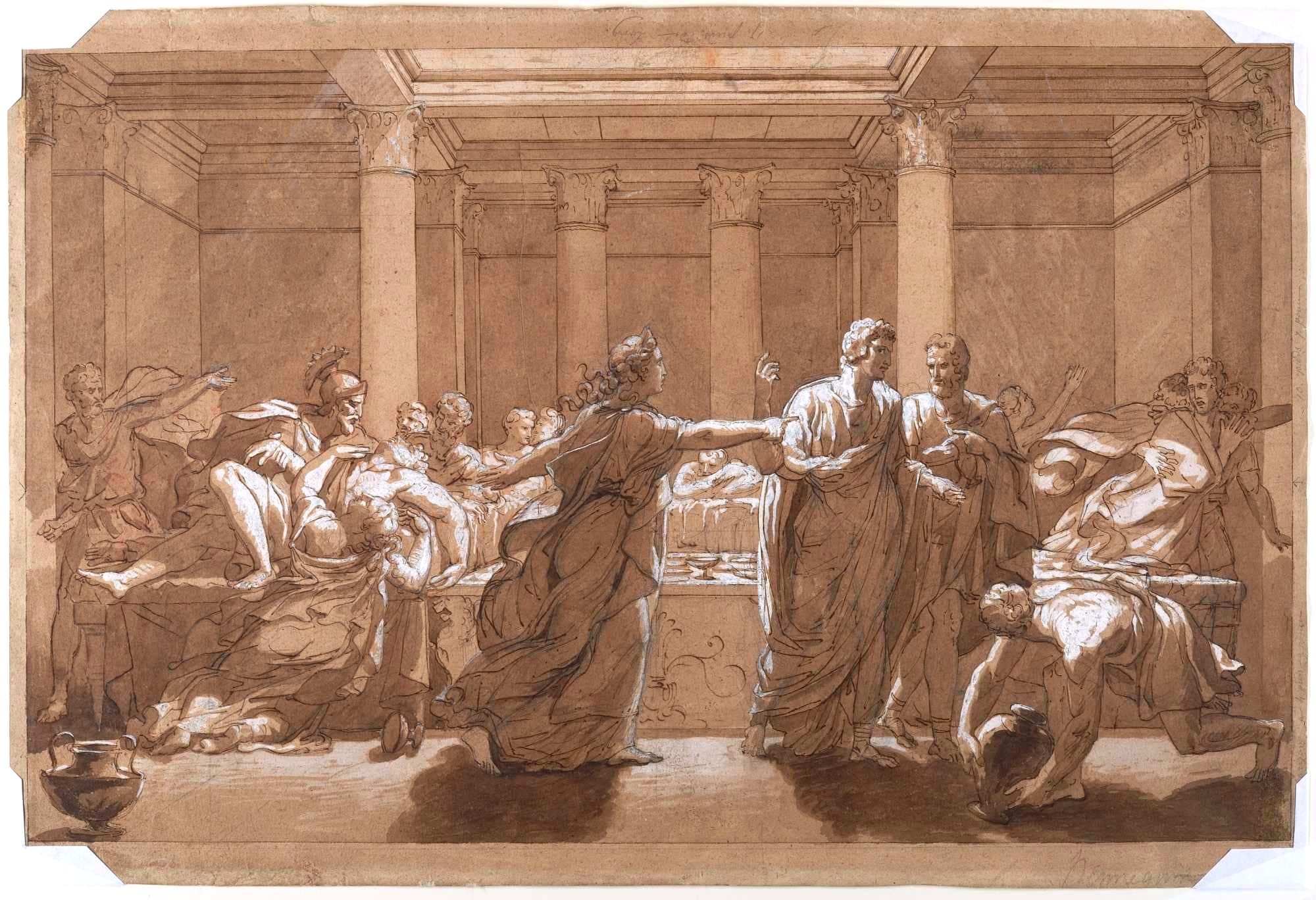
The poison was administered in a way designed to evade the usual precaution of tasting the wine. When Britannicus collapsed, the room itself became part of the event.
The account does not focus only on the death. It also records the reactions of those present. Some were frightened and fled. Others, more aware of the danger, remained still and looked toward Nero. Nero reclined as though nothing unusual had happened and claimed that Britannicus had long suffered from such attacks.
The most revealing details concern Agrippina and Octavia. Agrippina tried to suppress her terror, but the effort itself revealed what she understood: Britannicus’ death had removed an important counterweight and warned her of what Nero might do next. Octavia, though still young, had already learned to conceal grief, affection, and every emotion.
At such a table, survival depended not merely on innocence, rank, or blood. It depended on self-control. To show fear could be dangerous. To mourn openly could be dangerous. To understand too quickly could be dangerous. Even the face had to be governed. Near the emperor, the body itself became political.
The Emperor’s Side Was a Working System
The people closest to the emperor mattered because imperial rule was intensely personal.
The emperor received information and gave answers. He was approached by cities, provincial communities, officials, associations, and private persons. He heard cases, issued replies, confirmed privileges, dealt with disputes, and gave decisions that could affect status, office, property, punishment, or favour. The business of government moved toward his person. That made the circle around him more than ceremonial.
A ruler who answered petitions needed people who could receive, prepare, draft, advise, organize, and transmit. A ruler who heard cases needed assessors and legal minds. A ruler who travelled needed escorts and attendants. A ruler who controlled appointments and honours needed advisers, secretaries, and trusted intermediaries. A ruler guarded by soldiers needed commanders near him. Imperial power was personal, but it was never solitary.
The emperor’s entourage included several different kinds of people. Some were public attendants whose presence linked the imperial age to older republican habits of office. Others came from the emperor’s own household. Some were freedmen who held secretarial or administrative functions.
Others were educated men, rhetoricians, jurists, or members of the equestrian and senatorial orders who entered imperial service from outside the household. Friends and advisers stood near the ruler in less easily defined ways. Praetorian prefects held a specific office that placed them beside the emperor through command of the guards.
These groups did not all hold the same rank or perform the same work. But they shared one important feature: they stood close to imperial activity. They were near the place where requests were heard, letters sent, petitions answered, information judged, and decisions formed.
This created a dangerous middle zone. Power did not lie only in the final decision. It also lay in the route by which a matter reached decision.
Freedmen and the Uneasy Routes to Power
Few groups show the strangeness of court power better than imperial freedmen. Freedmen had existed in Roman society long before the emperors, and wealthy households could depend on them in many ways. But monarchy gave some freedmen a new kind of visibility. A freedman attached to the emperor’s household might stand closer to power than men of far higher birth.
This disturbed Roman social expectations because it allowed former slaves to acquire influence, wealth, and status through service to the ruler.
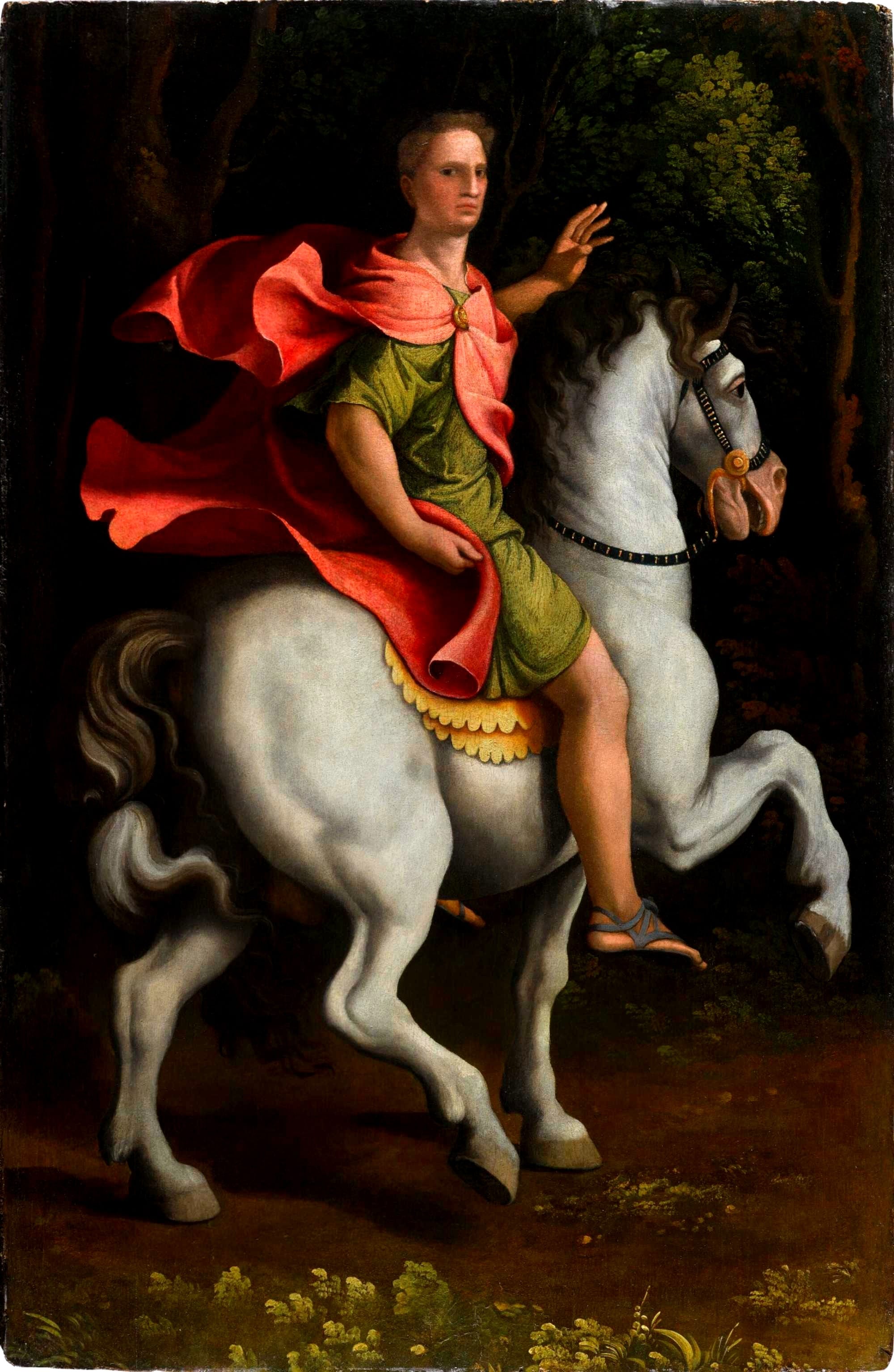
The court of Claudius became especially associated with powerful freedmen. Narcissus, Pallas, and Callistus appear as men whose influence was striking because it crossed normal expectations of rank. They were not senators from old families. Their importance came from imperial service, household access, and closeness to the channels through which requests, information, and decisions moved.
Their power was remembered not simply because they had once been slaves, but because they worked near imperial decisions and the emperor’s relations with his subjects. Their influence was only a small part of the much larger imperial household, which contained many slaves and freedmen serving in palaces, villas, estates, and administrative roles.
Yet the few who worked near the emperor attracted disproportionate attention. Their position created tension because it bent conventional Roman hierarchy.
A senator might possess ancestry, office, and public dignity, yet still need access through someone of servile origin. A freedman could be socially inferior and politically useful at the same time. That contradiction made him visible and resented. The closer he stood to imperial business, the easier it was for others to see him as an obstruction, broker, favourite, or hidden power.
Narcissus was especially associated with decisive action during the crisis of Messalina. Pallas became linked with Agrippina’s rise and with financial influence. Callistus appears among the influential freedmen of the reign. Such men are often framed as manipulative or overmighty, but their prominence also shows a structural fact about the court: those who stood near the emperor’s business could become politically essential.
Their danger followed from the same source. A freedman close to the emperor could be useful while imperial favour lasted. But because his influence offended elite expectations, he was easy to hate and easy to blame. When court alignments shifted, such men had few protections beyond the imperial confidence that had raised them.
Secretaries, Jurists, and the Work of Decisions
The emperor’s work required skilled assistants. Government involved correspondence, petitions, legal cases, hearings, and written decisions. This created a need for men who could manage language, law, documents, and procedure. The emperor’s side therefore attracted secretaries, intellectuals, orators, jurists, and men trained in public communication.
Closeness to the emperor was not achieved only through birth, wealth, household service, or military command. It could also come through expertise. Men who were prominent in their native cities, or distinguished in literature and rhetoric, could be drawn toward imperial service.
Others came through the equestrian military and civilian career that developed during the first century CE. These routes brought men from Italian and provincial upper classes into contact with the emperor.
Law became especially important because jurisdiction formed a major part of imperial activity. The emperor heard cases, gave decisions, answered legal questions, and issued written replies.
By the second century, men with legal qualifications became more visible in imperial service. The names of great jurists such as Papinian, Paul, and Ulpian belong to this world, where legal expertise and imperial government overlapped.
Their role should not be imagined as purely bureaucratic. Legal writing in this period also belonged to a broader literary and intellectual culture. Jurists were educated men operating in a world where knowledge of law, custom, language, and precedent could bring them close to imperial power. But this closeness carried risk.
The jurist near the emperor did not work in a quiet academic space. He entered the world of imperial decisions, petitions, justice, office, favour, and armed force. To advise the ruler was to stand near conflicts. To participate in judgement was to be connected with outcomes that created winners and losers.
To hold office beside the emperor was to become visible to rivals, soldiers, and political enemies. Ulpian’s death gave one of the starkest examples.
He was a jurist of exceptional stature and held high office under Severus Alexander. His role placed him near the young emperor and near the attempt to bring order to government. Yet the Praetorian Guard turned violently against him. The soldiers killed him despite his position at the center of imperial authority.
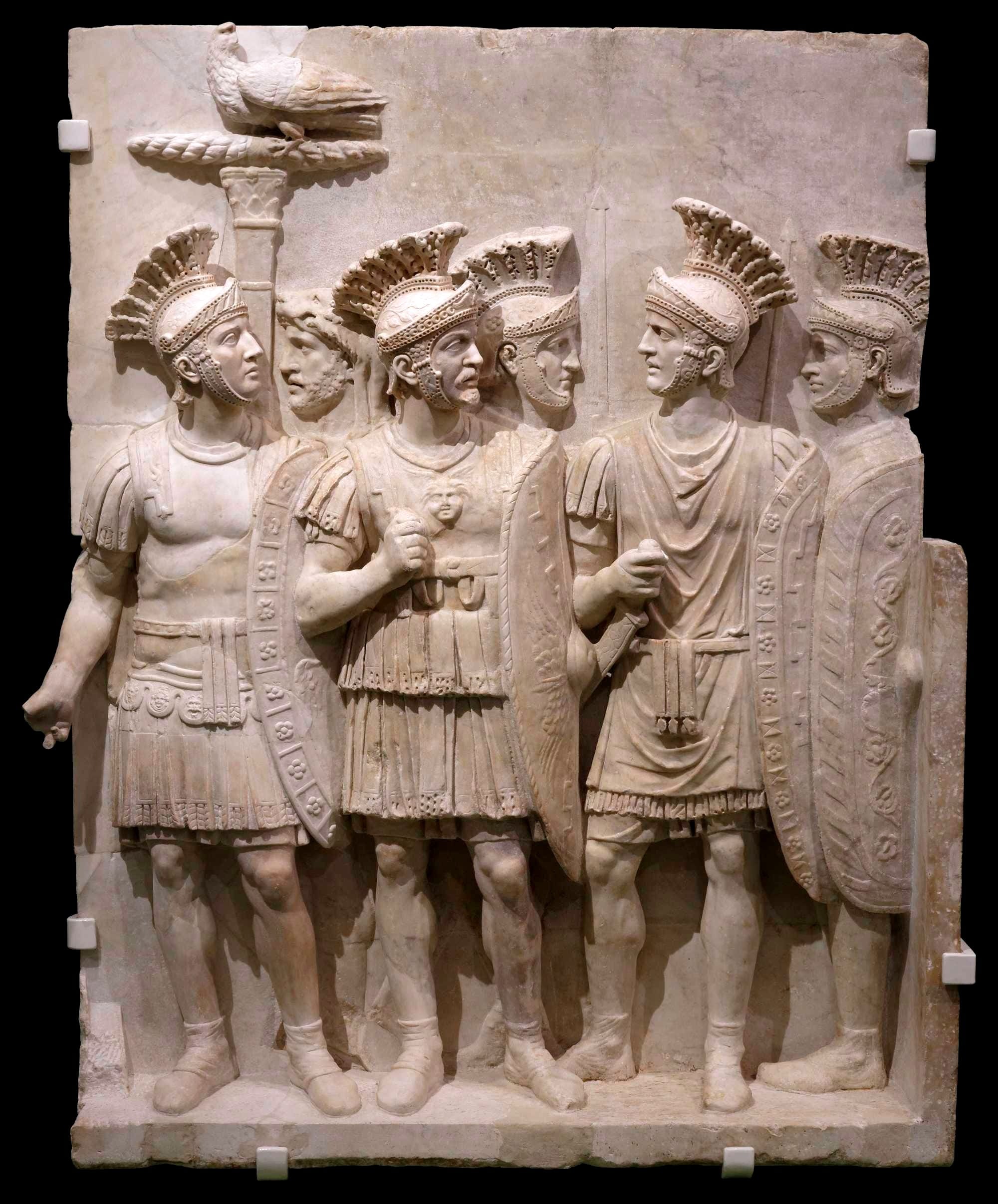
The significance of the episode lies in the contrast between law and armed force. Ulpian represented legal knowledge, administration, and imperial counsel. The Praetorians represented the soldiers closest to the emperor’s person.
When conflict came, law did not protect the lawyer. Near the emperor, the distinction between legal authority and physical force could collapse.
Friends, Advisers, and the Price of Intimacy
Beyond formal posts stood the less easily defined circle of imperial friends and advisers. The emperor could appear before subjects, petitioners, or litigants accompanied by a group of friends and counsellors.
These men were expected, at least in principle, to provide advice. Their presence gave the emperor’s decisions a social and political setting. A ruler might be the source of judgement, but he was not imagined as acting without any surrounding council of trusted men.
This circle could include people of senatorial or equestrian rank. It could include men with rhetorical, legal, administrative, or military experience. Their status did not always depend on a single office. Some were near the emperor through friendship, trust, experience, or usefulness. Others held formal positions, but their influence came as much from access as from title. Such closeness was delicate.
A friend of the emperor might appear honoured, but his standing depended on imperial favour. His position could be difficult to measure from outside, and perhaps even from inside. Those who came before the emperor saw him attended by friends and advisers, yet the exact weight of any one adviser’s voice was not always visible. Influence was real, but often hard to define.
This uncertainty mattered. It meant that people seeking favour could look not only to the emperor, but to those around him. A petitioner, envoy, official, or rival might try to understand who had access, who could advise, who could recommend, and who could obstruct. The emperor’s friends became part of the route toward imperial response.
The relationship between ruler and adviser could therefore produce both honour and exposure. Advisers were close enough to share in the prestige of imperial decisions. They were also close enough to share in blame when decisions angered others.
Sejanus and the Danger of Becoming Too Powerful
The rise and fall of Sejanus showed how dangerous imperial closeness could become when command, access, honours, and suspicion converged.
Sejanus was not emperor. His power came from standing near Tiberius and commanding the Praetorian Guard. That position placed him beside the military force closest to the imperial person. Tiberius’ withdrawal from Rome made Sejanus’ role even more visible. He could appear as the man through whom power was reached, feared, and interpreted.
His elevation went beyond ordinary favour. He received high honours, and his name could be linked publicly with the emperor’s. He was appointed consul for 31 CE, although he had not passed through the usual senatorial career. The distinction was extraordinary because it placed a Praetorian prefect inside one of Rome’s highest symbols of public honour.
This visibility made his position more dangerous. A man who became indispensable near the emperor could also become intolerable. The closer his name came to imperial prestige, the easier it became to see him as something more than a servant of power.
His fall was sudden and public. The man who had seemed to stand nearest the center was destroyed by that same center. His case showed a recurring pattern of imperial politics: proximity could lift a man above his formal station, but it could also make his destruction necessary once he appeared too powerful.
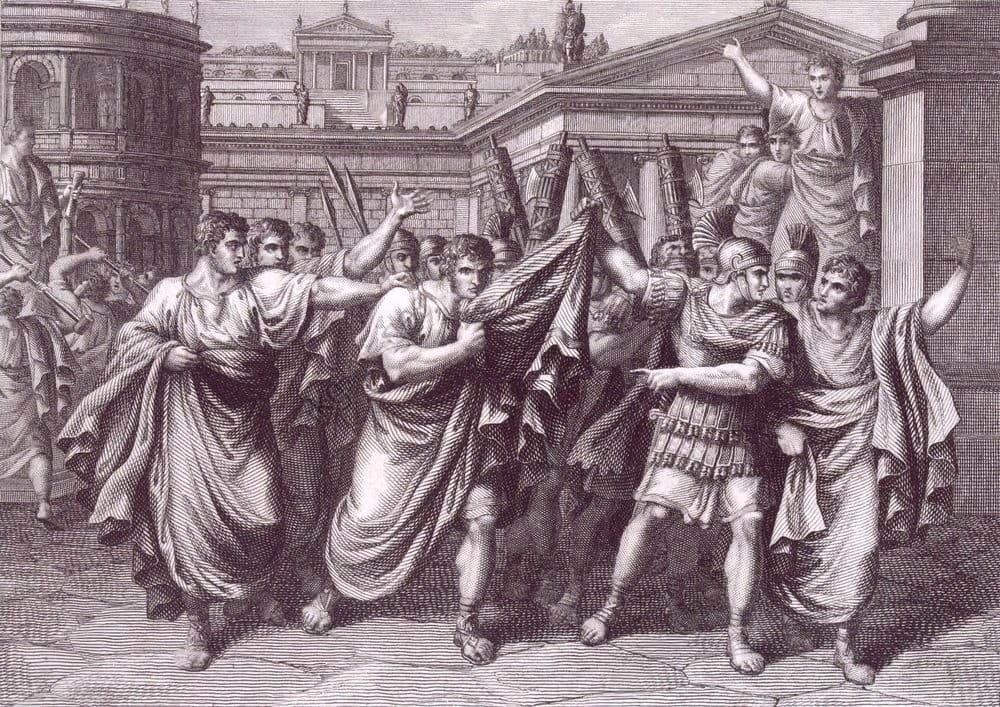
The danger lay not simply in ambition. It lay in visibility. Sejanus became powerful enough for others to fear that he was no longer only serving imperial authority, but sharing or threatening it.
The Praetorian Prefect: Guardian and Threat
No office better reveals the danger of proximity than the Praetorian prefecture. The prefect stood beside the emperor through command of the Praetorian Guard. This gave him a direct connection to the ruler’s security, his entourage, and the soldiers closest to the imperial person.
Unlike the undefined friendship of an adviser, the prefecture had a formal basis. But it was still revocable at the emperor’s will, and its power came from proximity as much as from title.
The presence of the Praetorian prefect near the emperor could be intimidating. When Herodes Atticus appeared before Marcus Aurelius at Sirmium in the 170s, the prefect Bassaeus Rufus threatened him with death. The episode shows the prefect not as a distant administrator, but as a figure standing near imperial judgement and capable of making the danger of the ruler’s presence immediately felt.
The prefecture also developed over time. Later, some of its functions moved beyond the old role of standing at the emperor’s side. But the older connection remained fundamental: the Praetorian prefect belonged to the ruler’s immediate world. He was part of the entourage, but also more than an attendant. He represented armed authority close to the emperor. That made the office powerful and unstable.
A man who commanded the guards could protect the emperor. He could also become indispensable, feared, or suspected. His role connected military force with court access. He was near audiences, decisions, and the physical security of the regime. In a system where the emperor’s person was the center of power, the commander of the soldiers nearest that person could not be politically neutral.
The prefect’s danger lay in this closeness. His office made him useful, but usefulness beside the emperor could easily turn into vulnerability. If he displeased the ruler, he could be removed. If he became too powerful, he could be feared. If he stood between the emperor and others, he could be hated. If soldiers resented him, the palace itself could become dangerous.
The office embodied one of the central patterns of imperial politics: near the emperor, service and threat could become difficult to separate.
Plautianus and the Fatal Marriage into Power
Plautianus, the Praetorian prefect under Septimius Severus, shows how proximity could become dangerous even at the highest level of imperial trust.
He rose to extraordinary prominence beside Severus. His position as prefect already placed him near the emperor’s person, the guards, and the machinery of power. His influence grew further when his daughter Plautilla was married to Caracalla. That marriage tied his family to the imperial house and seemed to give his power dynastic weight.
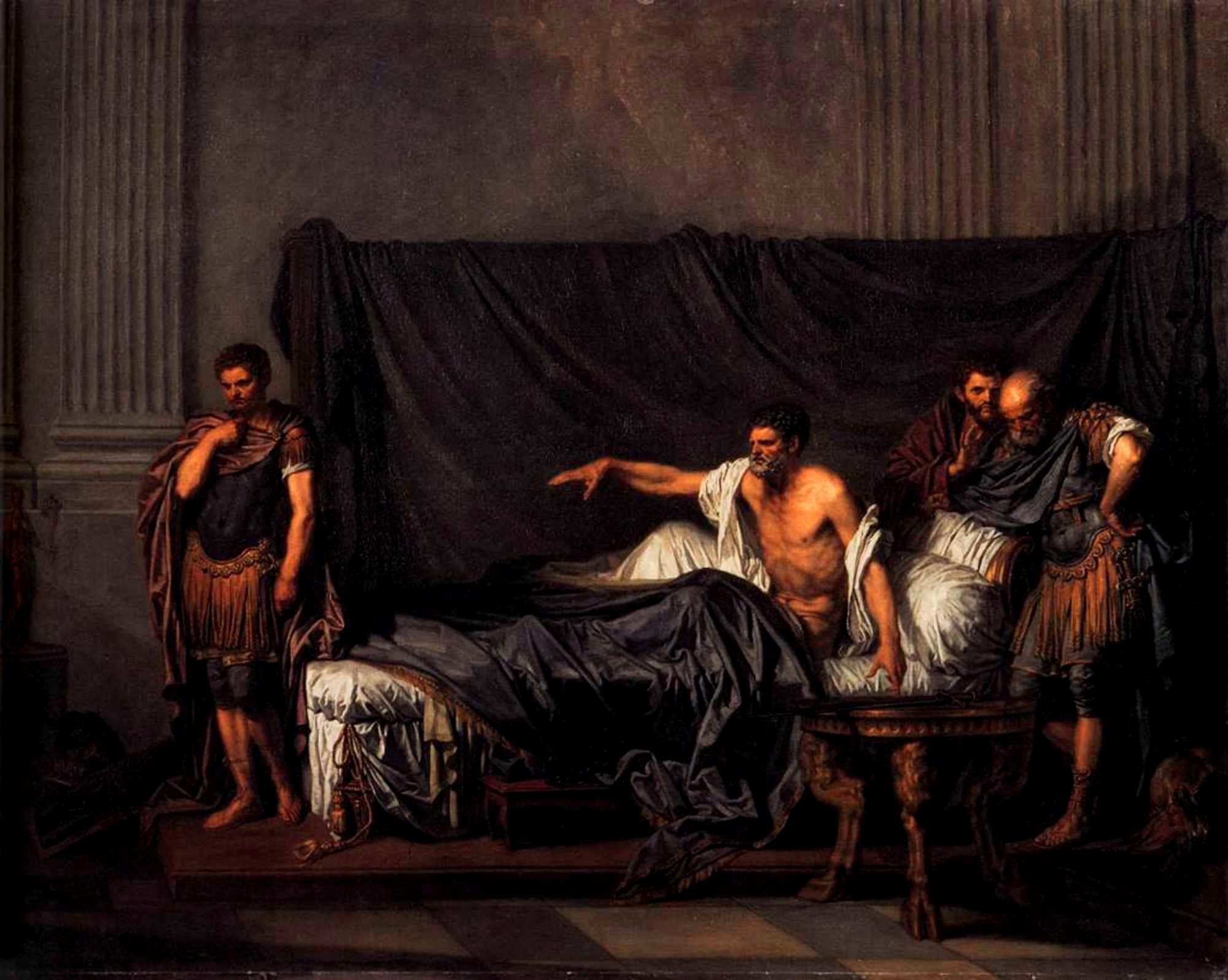
But the connection that looked like security also sharpened the danger. Caracalla’s hostility toward Plautilla made the marriage politically unstable. Plautianus was not merely a powerful prefect; he was now a figure whose household had been inserted into the future of the dynasty. A powerful minister might be tolerated. A powerful minister whose daughter was married to the heir could appear threatening.
Plautianus was accused of conspiracy and killed. His daughter was exiled and later killed after Caracalla became sole ruler. The fall of the family shows the violent instability of power beside the throne. Imperial marriage could elevate a household beyond ordinary rank, but it could also turn that household into a rival to be removed.
Plautianus did not fall because he was distant from power. He fell after his power had been drawn into the imperial family itself.
Women Near the Emperor
The danger of closeness did not belong only to men holding office. Women of the imperial household could be central to court politics because dynastic power depended on marriage, birth, legitimacy, adoption, and succession. A mother, wife, sister, or daughter could influence access, patronage, and public perception. She could also become a focus of fear.
Agrippina the Younger stood near power through marriage, motherhood, and imperial blood. Her influence under Claudius and in the early reign of Nero shows how women of the imperial house could shape politics without holding ordinary office.
She helped secure Nero’s position and stood at the center of succession. Her public prominence, family connections, and maternal authority made her one of the most powerful figures near the throne.
But dynastic power could become dangerous once the emperor no longer needed it. Agrippina’s authority helped elevate Nero, but after his accession it also threatened to overshadow him. The same maternal position that had strengthened his legitimacy could later appear as control.
The narrative of Nero’s reign presents her isolation as a stage in his movement toward independence. Her allies were removed or weakened. Her access became more restricted. Her presence, once useful, became intolerable.
Agrippina’s fate shows that imperial kinship did not guarantee safety. In the court, family closeness could become political danger. A mother could be honoured as the source of legitimacy, then feared as a rival center of authority.
Messalina, wife of Claudius, shows another side of the same world. Her story is preserved through scandal, accusation, sexual politics, and court intrigue. However exaggerated some details may be, the political structure beneath them is clear.
The emperor’s wife was not merely a domestic figure. Her relationships, allies, enemies, and perceived ambitions mattered because she stood near the emperor’s person and the imperial household.
Women near the emperor could be honoured, feared, blamed, or eliminated. Their danger came from dynastic visibility. They were close to the emperor not only in space, but in blood, marriage, and legitimacy.
Hearings, Petitions, and the Visibility of Power
The emperor’s work often took place through hearings and responses. Embassies could appear before him. Cities could send decrees and requests. Individuals could submit written petitions. Legal cases could be heard in his presence.
In these settings, the emperor was not merely an image of rule. He was an active point of communication between subjects and power.
Hearings involved more than silent receipt of documents. They could include speeches, exchanges, questions, and replies. The emperor might listen with advisers present. In legal cases, consultation with a council is explicitly attested.
The form of the procedure could vary according to the emperor’s preferences. Some rulers preferred formal speeches; others dealt with matters separately. Written evidence, oral interrogation, personal judgement, and advice from assessors could all belong to the world of imperial decision-making.
Written petitions created another channel. The emperor’s replies to petitions were a regular part of imperial work. Rescripts and other responses could be issued frequently when circumstances allowed, while edicts appear to have been less frequent in ordinary imperial business. The routine activity of the ruler was therefore heavily tied to answering, deciding, corresponding, and responding.
This helps explain why access mattered so much. A person did not need to command an army to influence imperial government. A secretary who handled requests, a jurist who advised on law, a friend who spoke at the right moment, a prefect who stood by the emperor, or a freedman who knew the channels of communication could all matter because the emperor’s government depended on these channels.
The emperor could not personally gather every fact, prepare every case, draft every answer, hear every petition, manage every audience, or judge every issue without assistance. His power was personal, but its operation depended on a surrounding structure of people. That structure made proximity useful. It also made proximity dangerous.
The Guards Who Could Kill
The final danger near the emperor was the simplest: armed men. The Praetorian Guard was meant to protect the ruler, but its proximity to the imperial person gave it leverage. Guards could defend an emperor, intimidate his enemies, murder him, or force political change.
Their role varied across time, but the pattern was clear enough: the men closest to the emperor’s body could become decisive when legitimacy faltered. The murder of Pertinax revealed this danger with brutal clarity.
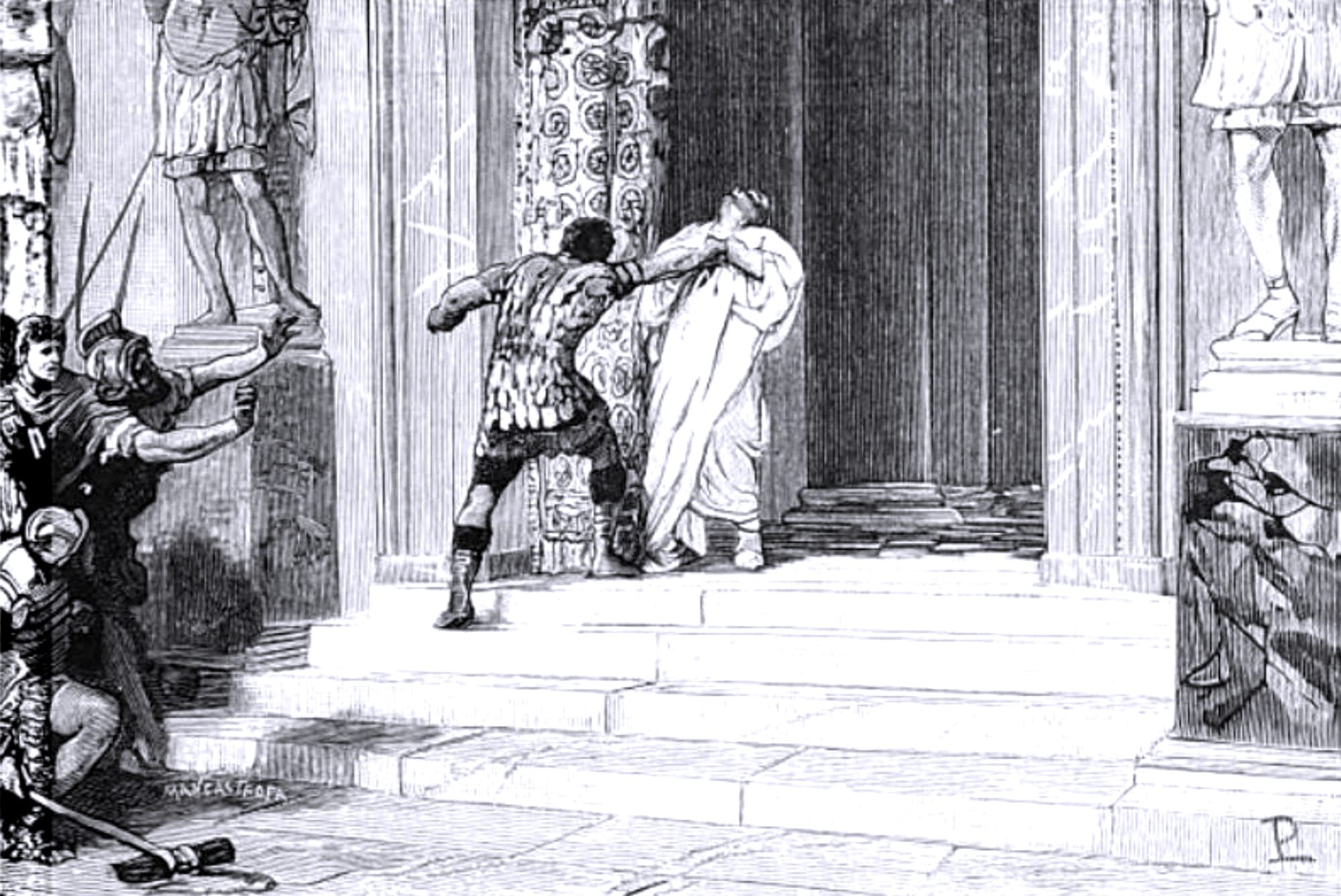
Pertinax came to power after Commodus and attempted to restore discipline and order. The Praetorian Guard, however, had its own expectations, especially over money. When those expectations were disappointed, the palace became the site of fatal confrontation.
The guards entered the palace and killed the emperor after a reign of only a few months. The men meant to protect the ruler became the force that ended him.
Pertinax’s death exposed the fragility of imperial authority when soldiers at the center turned hostile. The emperor could command provinces, armies, governors, and cities in theory, but if the troops inside Rome refused obedience, the immediate danger was physical and direct.
After Pertinax was killed, the imperial center became the object of open competition. Didius Julianus gained power in the crisis that followed, remembered as a disgraceful moment when imperial rule was treated as something to be bought from the soldiers. His brief reign showed what happened when the Praetorian Guard’s proximity to power became a political marketplace.
Julianus obtained the title, but not real security. The same soldiers who could help create an emperor could not guarantee the loyalty of the empire. Provincial armies moved against him. Support collapsed. He was abandoned and killed.
His case shows that standing beside the emperor – or even becoming emperor through those beside him – did not necessarily mean controlling the empire. Palace power could be immediate but unstable. The guards could make a ruler in Rome, but armies elsewhere could reject him. The imperial center was powerful, but it was not self-sufficient.
Macrinus and the Leap from Prefect to Emperor
Macrinus carried the danger of proximity further than most. As Praetorian prefect under Caracalla, he stood close to imperial security, information, and military authority. The prefecture placed him near the emperor in a practical sense and near the violence that could surround the imperial person. When Caracalla was murdered in 217 CE, Macrinus emerged as emperor.
His rise showed how the office of prefect could become a route to the throne. It also showed how unstable that route could be. Macrinus had not been born into the senatorial imperial aristocracy. His power came from office, proximity, and the military-political crisis created by Caracalla’s death.
Once emperor, he faced the difficulty of turning palace opportunity into lasting rule. His reign was short. The same system that allowed a prefect to rise quickly also allowed opposition to gather quickly against him.
Macrinus’ career shows the double edge of standing near the emperor. A prefect could be close enough to imperial power to emerge from the death of one ruler as the next. But the leap from powerful servant to emperor did not erase the instability of his position. It made it more visible.
Why the Emperor Needed Dangerous People
The system was dangerous, but it could not function without proximity. The emperor needed people around him because imperial rule required constant mediation. Someone had to receive letters. Someone had to draft replies. Someone had to advise on law. Someone had to command guards. Someone had to arrange audiences. Someone had to manage records, petitions, finances, and appointments. Someone had to tell the emperor what was happening beyond his sight.
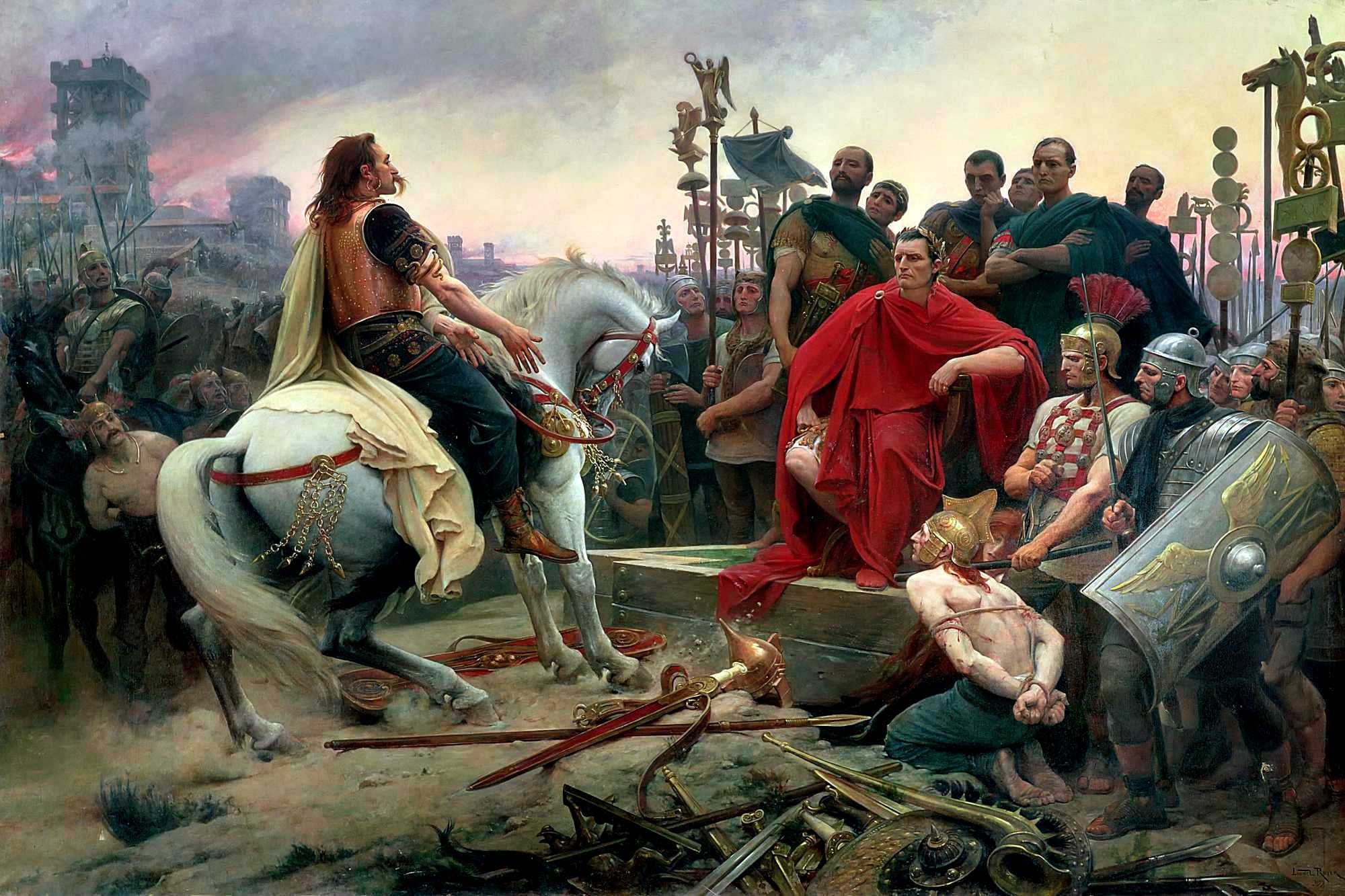
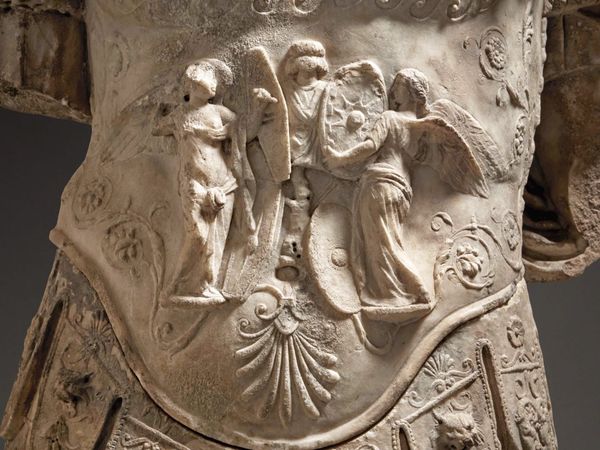
The emperor could not be everywhere. His statues, inscriptions, and portraits gave him symbolic presence across the empire, but government still required human channels. Provincial cities, governors, soldiers, associations, and private individuals all generated requests and information. Those currents moved toward the imperial center, and people near the emperor helped process them.
That necessity explains why the same kinds of figures kept appearing: freedmen, secretaries, jurists, prefects, friends, relatives, imperial women, and trusted companions. They were not accidental ornaments of monarchy. They were part of how personal rule worked.
But because their authority depended on closeness, favour, and access rather than transparent constitutional office, it remained unstable. A senator could resent a freedman. Soldiers could resent a jurist. A prince could resent his father’s favourite.
A mother’s influence could anger an army. A prefect’s command could become indistinguishable from ambition. A useful adviser could be reimagined as a secret ruler. The emperor needed such people, but the system made them suspect.
The Paradox of Standing Beside Power
Roman imperial power created a recurring paradox. The closer a person stood to the emperor, the more powerful he or she could become. Yet that same closeness made the person more visible, more envied, more useful as a scapegoat, and more vulnerable to sudden destruction. The emperor’s side was a place of opportunity. It was also a place of exposure.
A freedman could become richer and more influential than men born into old families. A jurist could help shape imperial justice. A prefect could command the soldiers who guarded the ruler. A senator could gain office through favour. A woman of the imperial family could shape succession.
A secretary could stand near the flow of decisions. A favourite could rise faster than formal rank alone would allow. But none of these positions was safe.
The same court that granted access also created rivals. The same favour that elevated a person also marked that person out. The same proximity that allowed advice also invited blame. In a system where decisions gathered around one man, every person near that man became politically charged.
That is why the most dangerous place in Rome was not always the battlefield, the frontier, or the Senate floor. For many of the empire’s most powerful figures, danger waited in the palace, at dinner, in the council, among guards, behind petitions, inside imperial friendship, and beside the emperor himself.
Power in Rome did not only flow from the throne.
It also burned those standing too close to it.
- “The Roman Imperial Court: Seen and Unseen in the Performance of Power.” by Andrew Wallace-Hadrill
- "The Emperor in the Roman World (31 BC–AD 337)." by Fergus Millar
- “The Roman Emperor and the Local Communities of the Roman Empire.” by Jonathan Edmondson
- Tacitus, Annals.
- Suetonius, Lives of the Caesars.
- Cassius Dio, Roman History.
- Herodian, History of the Empire.
- Historia Augusta, used for Severan material.

About the Roman Empire Times
See all the latest news for the Roman Empire, ancient Roman historical facts, anecdotes from Roman Times and stories from the Empire at romanempiretimes.com. Contact our newsroom to report an update or send your story, photos and videos. Follow RET on Google News, Flipboard and subscribe here to our daily email.
Follow the Roman Empire Times on social media: