Roman Empire Anecdotes
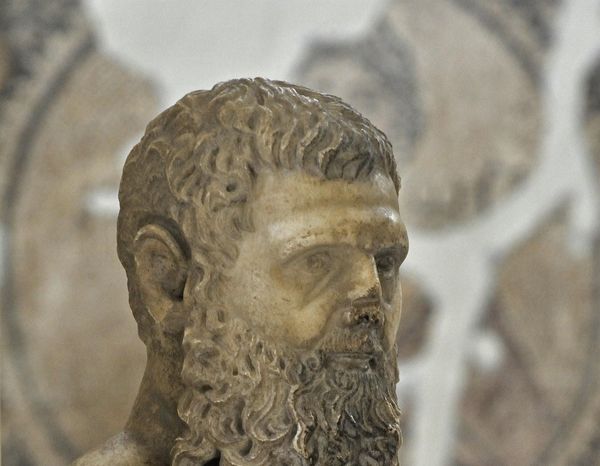
Pertinax: Eighty-Seven Days Before Rome’s Imperial Auction
An experienced commander took over after Commodus’s murder. His programme for Rome soon brought him into conflict with the men guarding the throne.

Roman Empire Anecdotes
An experienced commander took over after Commodus’s murder. His programme for Rome soon brought him into conflict with the men guarding the throne.
Roman Empire Historical Facts
He was not an emperor, yet his wealth and influence rivalled those of Rome's rulers. How did Gaius Fulvius Plautianus rise so high, and what threatened his position?
Roman Empire Historical Facts
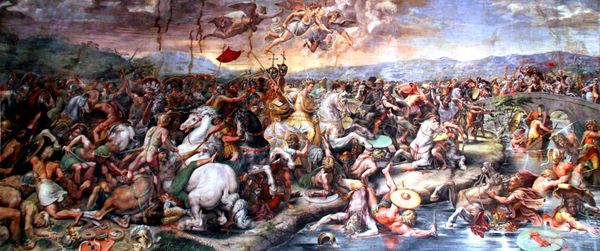
On 28 October AD 312, Constantine confronted Maxentius outside Rome in a battle that ended with a disastrous retreat toward the Tiber. Ancient accounts describe fierce fighting, broken bridges and the drowning of an emperor, but disagree over how the final moments unfolded.
Roman Empire Historical Facts
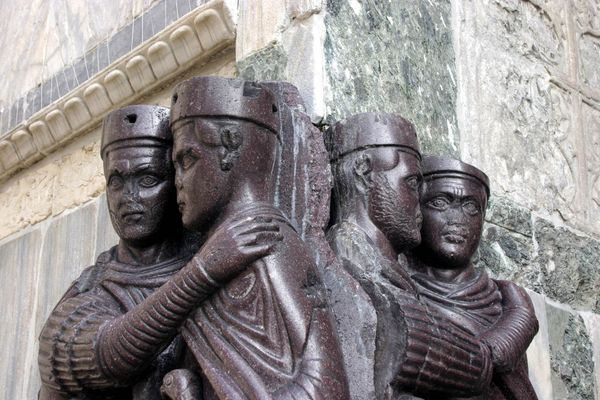
From Augustus’ lost grandsons to Diocletian’s planned abdication, the next reign depended on family arrangements and the people willing to uphold them.
Roman Empire Anecdotes
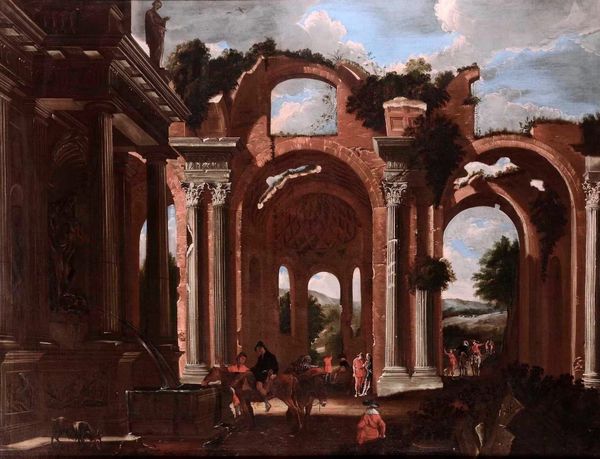
Maxentius ruled Rome for just six years, yet commissioned some of its most impressive monuments, including a colossal basilica, a restored temple, and an imperial complex with its own circus and mausoleum. After his defeat, several of his buildings became associated with Constantine.
Roman Empire Historical Facts
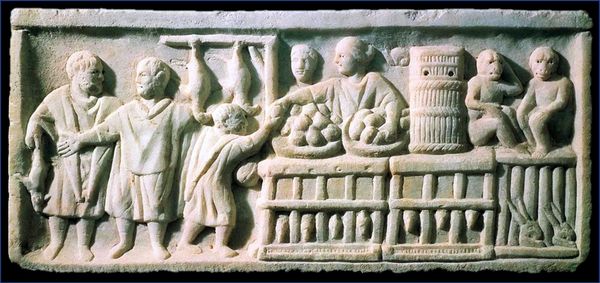
Roman women lent money, ran shops and workshops, owned productive property, took part in long-distance trade and managed agricultural estates. The surviving evidence reveals a much wider female presence in the Roman economy than the traditional image suggests.
Roman Empire Anecdotes
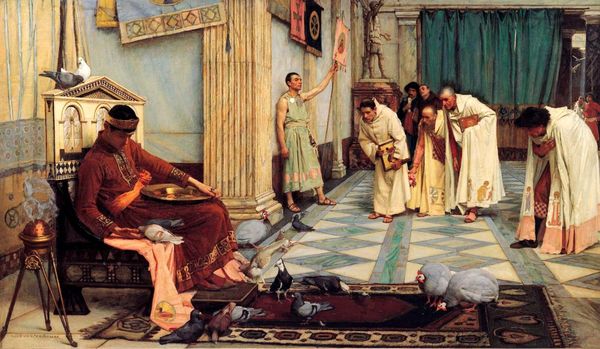
Near the emperor, influence could bring honours, wealth, office, and command – but it also exposed courtiers, freedmen, jurists, relatives, and guards to suspicion, rivalry, and sudden violence.

Roman Empire Anecdotes
Ulpian rose from Tyre to the heart of Roman power, giving Roman law a language of justice, freedom, and dignity before dying in the violence of imperial politics.
Roman Empire Historical Facts
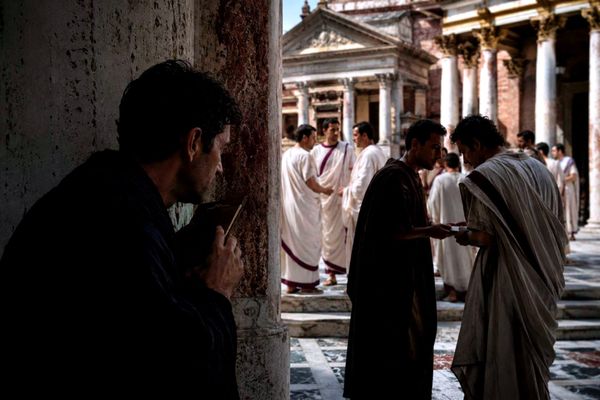
Rome had no modern intelligence agency, but its spies, scouts, informers, couriers, and imperial agents helped the state watch enemies, cities, provinces, and its own people.
Roman Empire Historical Facts
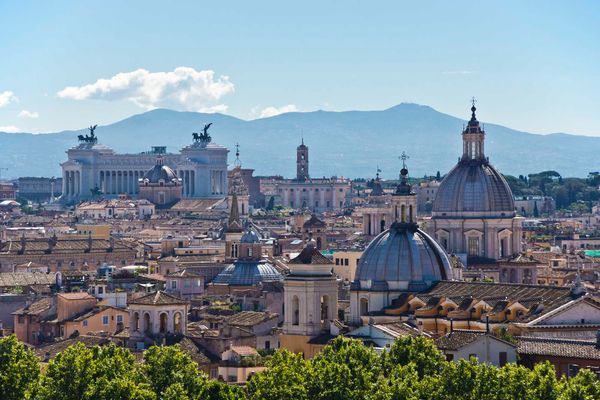
Rome’s worst emperors were not defined by excess alone. From rigidity and paralysis to paranoia and absence, these reigns reveal how imperial power failed – and why those failures mattered.
Roman Empire Historical Facts
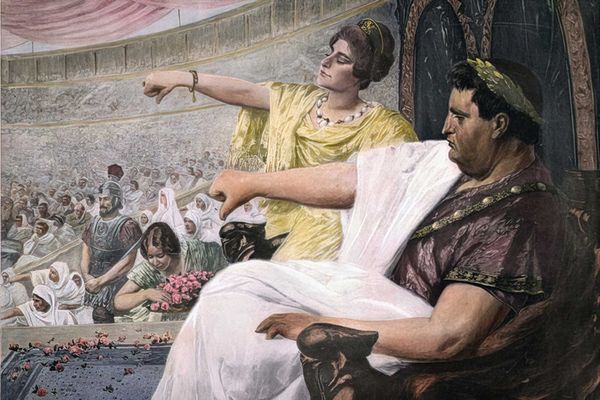
Through myth, theatre, and fire, Nero transformed scandal into legend. Reviled by elites yet adored by crowds, he turned empire into stagecraft and himself into Rome’s most enduring paradox.
Roman Empire Historical Facts
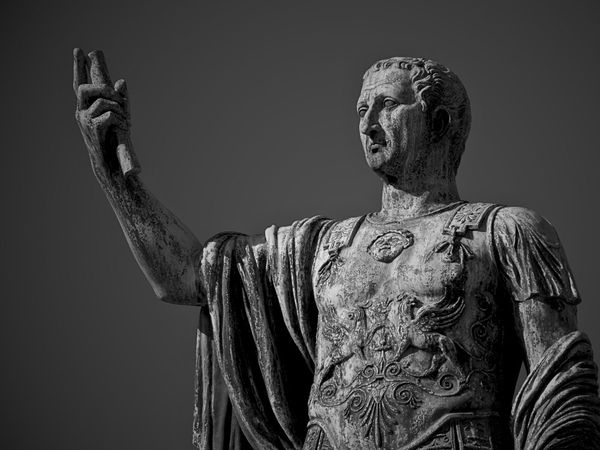
Amid the ruins of Domitian’s tyranny, Nerva brought calm without conquest. His short reign restored justice, dignity, and trust—laying the quiet foundations for Rome’s most peaceful age.
Roman Empire Historical Facts
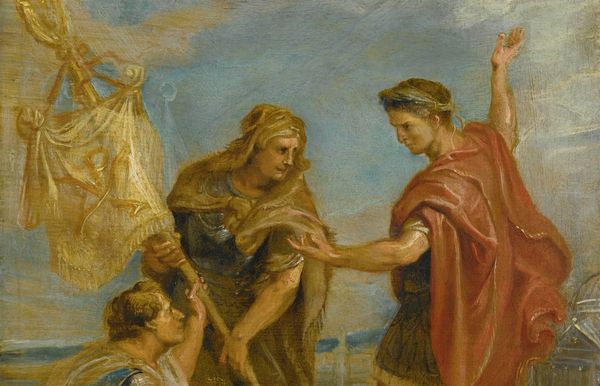
When Constantine raised the Christian cross above his armies, the world changed. Yet behind the miracle at the Milvian Bridge lies an enduring question—did faith guide the emperor, or did empire guide his faith?
Roman Empire Anecdotes
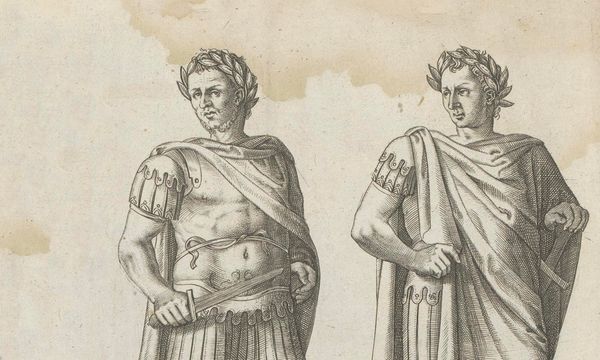
Ancient writers cast Titus and Domitian as rival brothers, with the younger plotting against the elder. Inscriptions, coins, and monuments, however, reveal a dynasty that publicly honored unity, complicating the image of fraternal enmity.

Roman Empire Historical Facts
Valerian’s capture by Shapur I in 260 CE was Rome’s most humiliating defeat—its emperor turned into a Persian trophy. His fate, ambiguous and unforgettable, inspired centuries of reinterpretation, from Christian polemic to Byzantine invective and Persian pride.
Roman Empire News
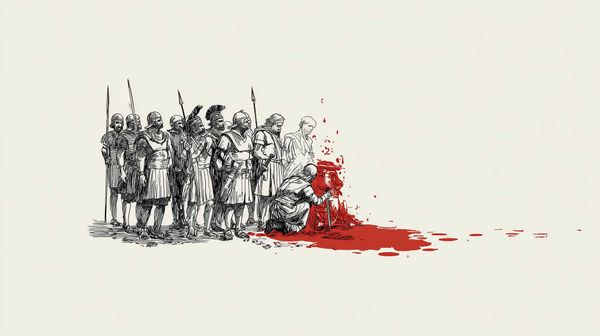
Political murder rarely restores an old order; in Rome it rewired incentives, putting armies, money and short-term bargains above process. From Caesar’s Ides to the auction of 193, assassinations taught Romans to price power—and to expect violence to decide it.