
Nannies of the Empire: The Wet Nurses Who Raised Roman Children
Roman wet nurses did far more than feed infants. They could shape a child’s speech, habits and earliest education, while sometimes remaining part of their lives for decades.

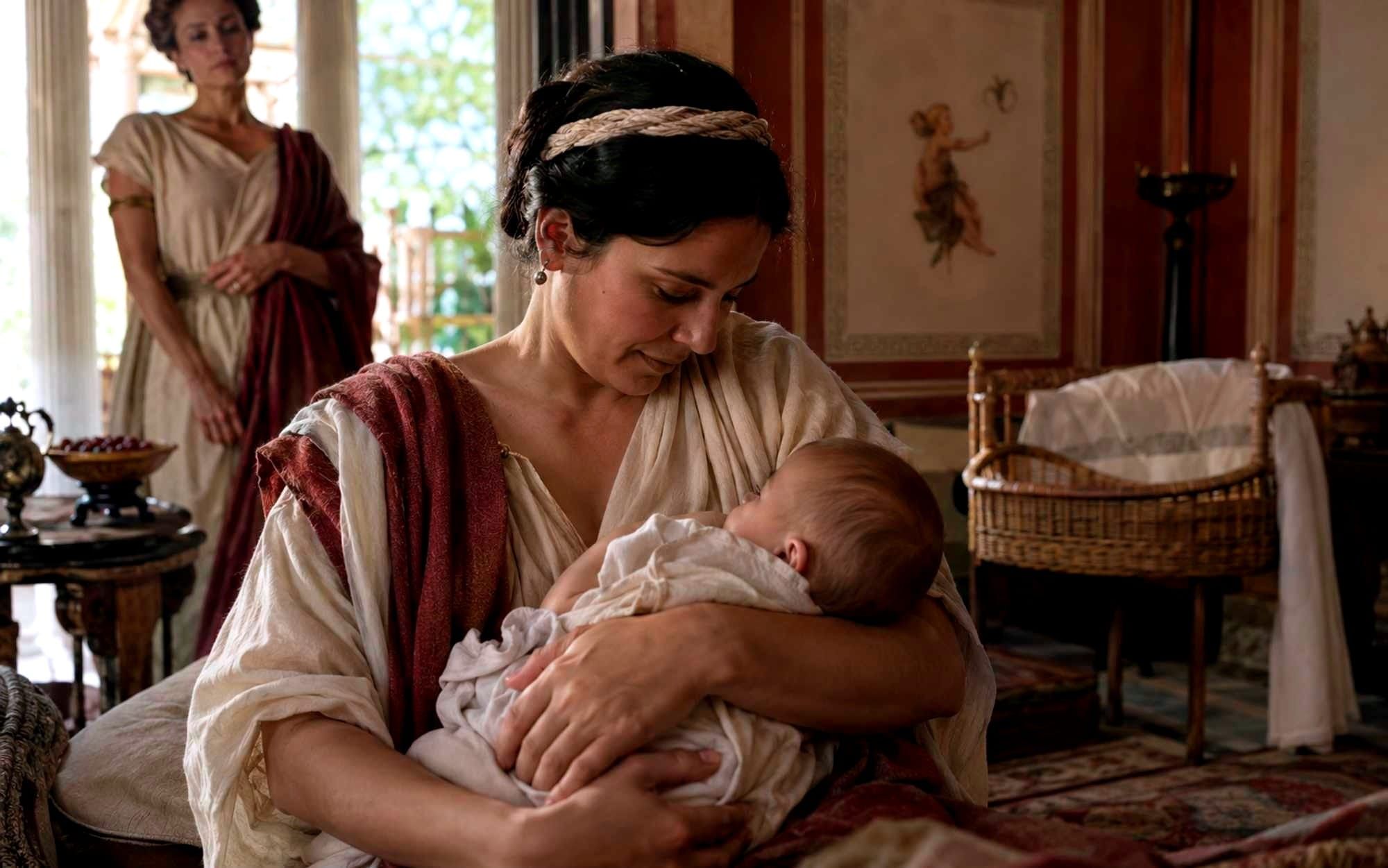
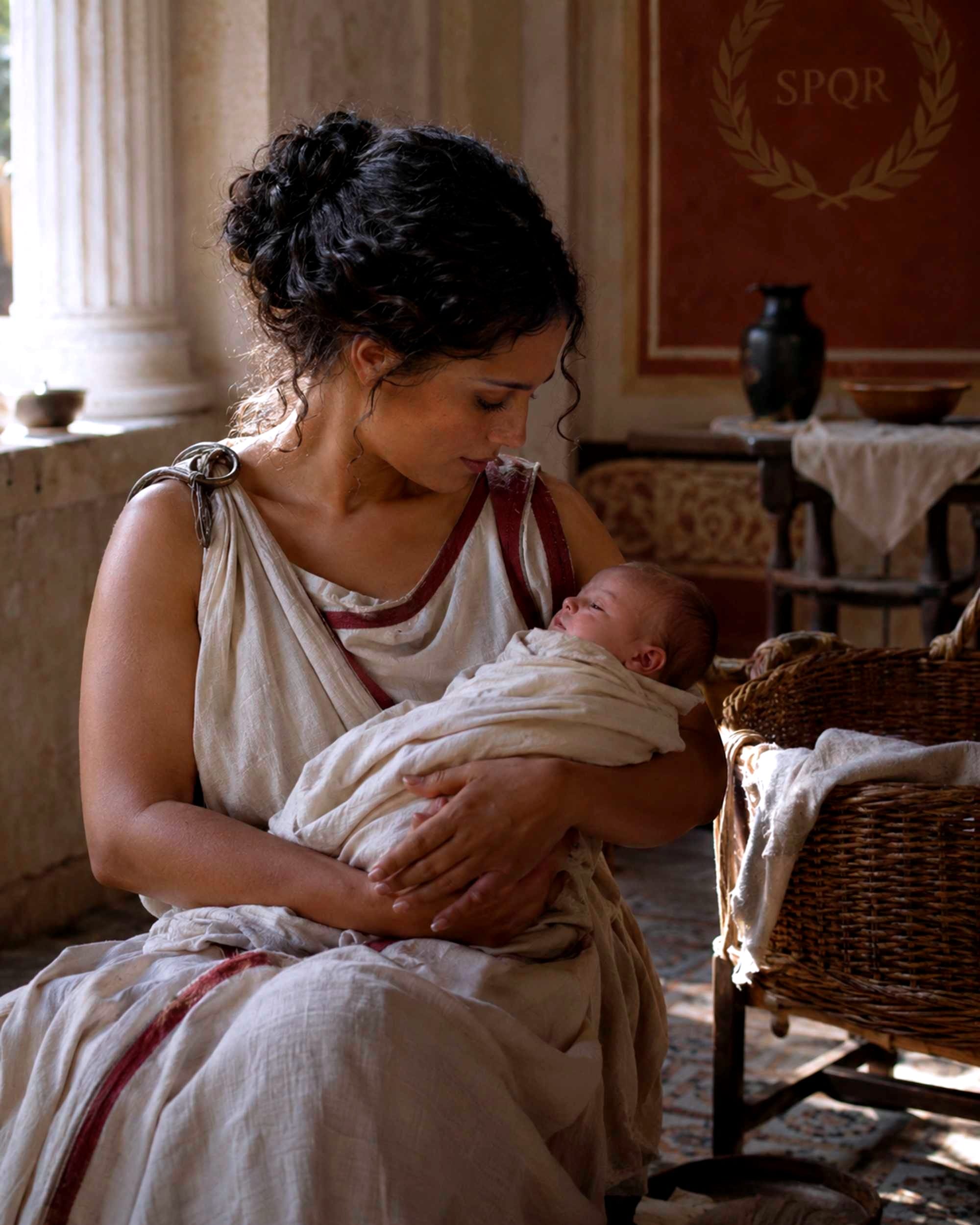
A Roman wet nurse could enter a child’s life almost as soon as it began. She might breastfeed the newborn, carry and bathe it, put it to sleep, watch for illness, supervise weaning and remain with it after the need for milk had disappeared. She was also one of the first people the child heard speaking, and in some households she could still be part of that child’s life many years later.
Romans called such a woman a nutrix, although the word covered more than the modern expression “wet nurse.” It could describe a woman who supplied milk, but it could also refer more generally to someone who nurtured or raised a child. Roman inscriptions even preserve the expression nutrix assa, a dry nurse whose role was not defined by breastfeeding. One woman, Volumnia Dynamis, was commemorated as both a nutrix assa and a freedwoman by Volumnia Procla. Her epitaph records the extraordinary age of 105.
Among the nurses who appear in elite households, inscriptions and legal texts were enslaved women, freedwomen and free women who worked for pay. Their position could be unusual: a woman with little social power might be trusted with the daily care of a freeborn child, sleeping near it, feeding it from her own body and helping to form its earliest habits.
Some relationships lasted only through the nursing period, while others continued into adolescence and adulthood. Nurses appear on tombstones, in letters, in biographies and even in Roman law. Some were freed, some received property, some joined relatives in commemorating children they had raised, and some remained beside former nurslings until death.
How Romans Chose a Woman to Feed Their Child
There was no single Roman pattern of infant feeding. Mothers breastfed their own children, while another lactating woman could become necessary after maternal death, illness, insufficient milk or other difficulties. Twins could make nursing harder, and a wealthy household might already contain enslaved women who had recently given birth. In larger homes, a nurse could also be one member of a broader group of attendants involved in caring for and educating children.
The medical writer Soranus of Ephesus devoted a substantial part of his discussion of newborn care to the choice and management of a nurse. He preferred the mother’s milk when other circumstances were equal, but he treated the use of another woman as a practical problem rather than simply condemning it. Her age mattered, as did her health, physical condition, previous pregnancies, breasts and milk. Her temperament also came under inspection. Soranus wanted a woman who was sober, healthy and attentive, and he discussed her food, exercise and daily routine in considerable detail.
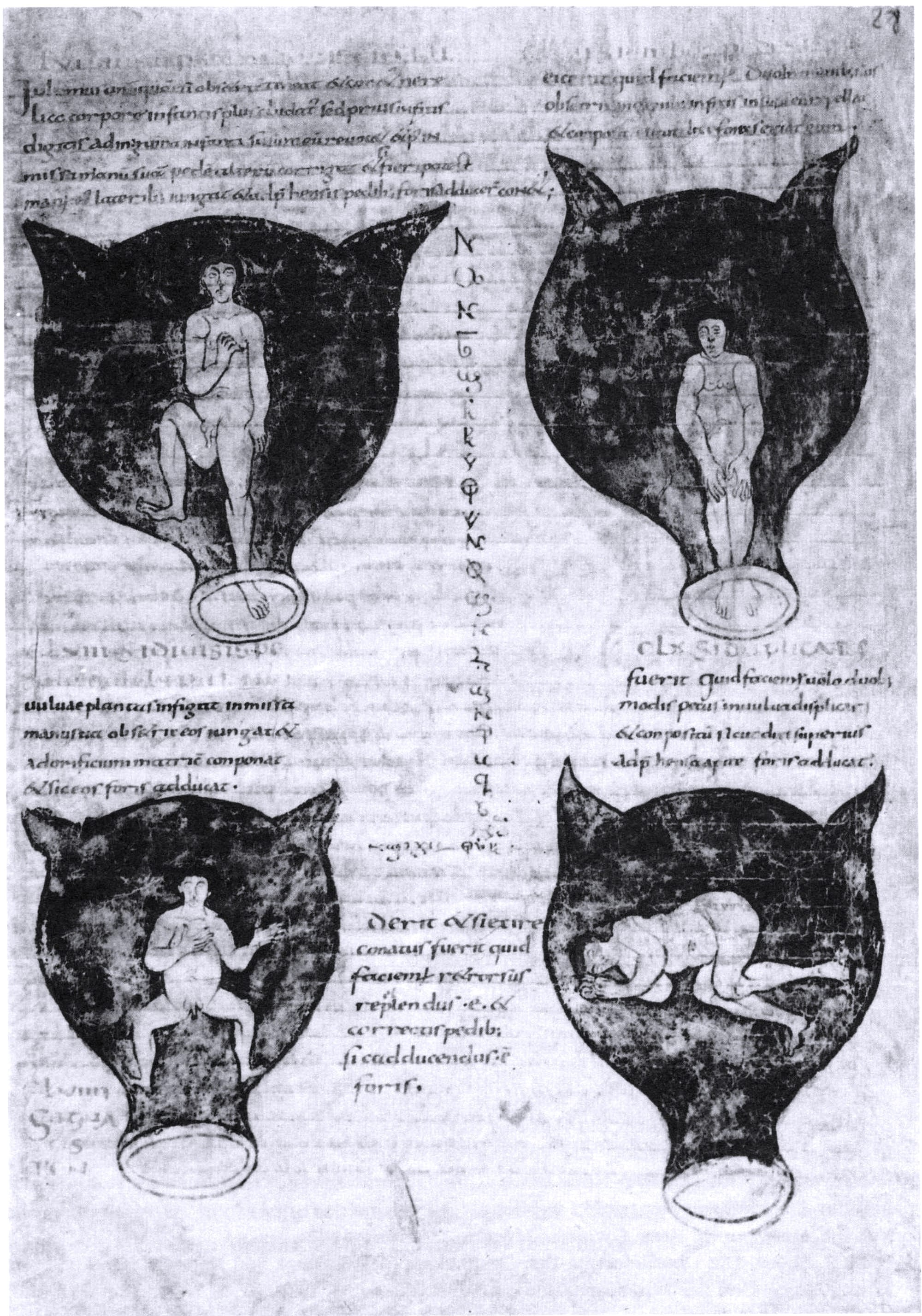
Her sexual life could also be controlled. Ancient medical theory held that intercourse and especially a new pregnancy might damage or interrupt the milk, and wet-nursing contracts from Roman Egypt sometimes imposed similar restrictions. A woman hired to feed another person’s infant might agree not to become pregnant during the contract and to continue supplying her own milk for a stated period.
These agreements could last for months or years. Contracts from Roman Egypt range from roughly half a year to three years, with two-year periods appearing frequently. Other foods could be introduced while breastfeeding continued, and complete weaning might come considerably later than the first introduction of solid food. Physical studies of ancient populations also fit a pattern of gradual rather than very early weaning.
Paid wet-nursing was not confined to slaves. Dio Chrysostom could imagine a poor but respectable woman earning money by nursing a motherless child or the baby of a wealthy household, placing the work among the ways an ordinary woman might support herself. For an enslaved woman, however, nursing another child did not require a freely negotiated agreement. It could simply become part of the work demanded from her.
Festus also preserves the name of a place in Rome associated with infants needing milk: the Columna Lactaria in the Forum Holitorium. He explains that it received its name because infants who needed to be fed with milk were brought there. His brief notice does not say that wet nurses stood there waiting to be hired, but it preserves another glimpse of the practical problem of finding nourishment for babies who could not be fed by their mothers.

The Other Baby Behind the Roman Wet Nurse
Every lactating nurse had recently been pregnant herself. Behind the Roman infant being fed was therefore another birth and, very often, another child, although that child is much harder to follow.
Sometimes the nurse’s own baby may already have died. In other cases the child could have been weaned early, fed by someone else or nursed alongside the employer’s child. An enslaved mother could have very little control over such decisions. Her capacity to produce milk had economic value to her owner, and the needs of the household she served did not necessarily coincide with those of her own infant.
Wet-nursing contracts concentrate overwhelmingly on the baby whose family was paying for the arrangement. They regulate the nurse’s milk, behaviour, diet and sexual activity because the employer wanted the child protected, while the nurse’s own infant receives far less attention. Roman inscriptions occasionally allow the woman to appear simultaneously as nurse and mother.
One records Vatronia Arbuscula, known as the nurse of Cercenia, purchasing a burial place for her own son Primus. In a very short text, the two sides of her life appear together: she was the woman who nursed someone else’s child and the mother burying her own.
Shared breastfeeding could also create a relationship between the children themselves. Romans had a word for a milk-sibling: conlacteus or conlactanea. An inscription from Rome names Arruntia Cleopatra as a nutrix and Lucius Arruntius Dicaeus as a conlacteus. Sharing a woman’s milk created a connection Romans considered recognizable enough to name publicly.
Plutarch gives an unusually vivid example in his Life of Cato the Elder. Cato’s wife Licinia breastfed their own son herself, but she also sometimes nursed infants born to enslaved women in the household. Plutarch says Cato wanted those children, having shared the same nourishment, to develop a brotherly affection toward his son.
Plutarch was presenting Cato as an exemplary old-fashioned Roman father, so his household cannot be treated as a model for ordinary practice. The story nevertheless depends on a recognizable idea: common nourishment could establish a social bond between children who were not related by blood and might not even share the same legal status.
Romans Thought Milk Could Carry Character
Roman concern about the nurse extended well beyond whether she produced enough milk. Ancient medical and philosophical theories treated milk as a transformed bodily substance capable of transmitting qualities from the woman to the infant. Health could pass through it, but so, Romans believed, could temperament, habits and even moral characteristics.
Aulus Gellius preserves one of the sharpest attacks on wet-nursing in Attic Nights 12.1. The philosopher Favorinus visits a senator’s household just after the birth of a son. The mother has endured a difficult labour and is resting. Her own mother proposes that nurses should be brought in rather than exhausting the young woman further, but Favorinus objects and turns breastfeeding into an argument about motherhood, nature and the character of the child.
“Therefore it is believed not without reason that, just as the power and nature of the seed are able to form likenesses of body and mind, so the qualities and properties of the milk have the same effect.” Aulus Gellius, Attic Nights 12.1.14
Favorinus imagines the nurse as foreign, enslaved, dishonest, drunken or immoral and asks why a well-born child should absorb the qualities of such a woman. His attack draws heavily on elite anxieties about class, slavery and foreigners, rather than offering a description of nurses as a group.
He also feared that the child would form its strongest attachment to the woman who fed it:
“Moreover, the child’s own feelings of affection, fondness, and intimacy are centred wholly in the one by whom it is nursed…” Aulus Gellius, Attic Nights 12.1.23
Favorinus wanted maternal breastfeeding partly because another woman might become too important to the child. Ancient medicine handled the same ideas more practically. A sick infant might be treated indirectly through alterations to the nurse’s diet or regimen because her milk was expected to carry those effects to the baby. Such thinking belongs to ancient physiology, not modern biology, but it influenced how nurses were chosen and supervised.
Ethnicity could be drawn into the same discussion. Ancient writers assigned supposed qualities to Egyptian, Thracian, Spartan, Greek and other nurses. Greek-speaking women were particularly attractive to some elite Roman families because the child could begin acquiring Greek language and culture before formal education started.
A Greek name on an inscription does not prove that the woman herself came from Greece, however. Enslaved and freed people frequently bore Greek names regardless of birthplace, while ancient descriptions of national character often relied on stereotype.
The First Voice a Roman Child Heard
The nurse could begin shaping a child before any professional teacher arrived. Quintilian starts his Institutio Oratoria with infancy. His future orator is not yet sitting in a classroom; he is listening, and Quintilian immediately turns to the people speaking around him.
“Above all see that the child’s nurse speaks correctly. The ideal, according to Chrysippus, would be that she should be a philosopher… No doubt the most important point is that they should be of good character: but they should speak correctly as well.” Quintilian, Institutio Oratoria 1.1.4
He then explains why:
“It is the nurse that the child first hears, and her words that he will first attempt to imitate. And we are by nature most tenacious of childish impressions…” Quintilian, Institutio Oratoria 1.1.5
Quintilian compares early habits to the first flavour absorbed by a new vessel and the first dye taken by white wool. A bad linguistic habit acquired in childhood could be difficult to remove later. The nurse therefore belonged to the beginning of education, speaking to the child, calming it, repeating words, correcting or indulging behaviour and probably telling many of the stories that filled the nursery.
Roman and Greek authors sometimes dismiss such material as aniles fabulae, old women’s tales, but complaints about them also reflect how early stories could become fixed in a child’s imagination. A Greek-speaking nurse offered another advantage in elite households. Greek remained central to upper-class Roman education, and hearing it from infancy could make later bilingual education easier. Quintilian himself wanted children to begin with Greek, although he warned against allowing it to dominate so completely that it distorted their Latin.
The woman feeding, bathing and comforting an infant might therefore also be the person from whom a future senator, advocate or administrator learned some of his first words.
Slave, Servant — and Something More
For an enslaved nutrix, affection existed inside a system that gave her very limited legal protection. Roman slaves had no legally recognized marriage comparable to that of free citizens. Their unions were not protected in the same way as free marriages, and children, parents and partners could be separated by sale, inheritance or the owner’s decisions.

The relationship with a nursling was equally vulnerable. A nurse might live intimately with a child for years without possessing any legal claim on that relationship, although some bonds clearly endured. T. Iulius Antigonus commemorated his nutrix, Spurinnia Nice Torquatiana, even though the two appear later to have belonged to different households. Whatever changes had taken place in ownership and status, he still publicly identified her through the role she had played in his childhood.
Roman law occasionally placed nurses among relationships carrying recognized personal obligations. Digest 40.2.13 lists a nurse among connections that could justify manumission by an owner below the normal age at which he could freely manumit a slave. The provision did not create a right to freedom for nurses, but it did allow the relationship itself to count as a legitimate reason for granting freedom.
Another passage, Digest 26.10.1.7, deals with proceedings against a guardian suspected of misconduct. Women were usually restricted in bringing such accusations, but a mother, nurse, grandmother or sister could act because of the connection she had with the child. A testamentary case in Digest 33.2.34.1 records two women explicitly identified as nurses, Sempronia and Maevia, who were to enjoy income from an estate together with the alumnus whom they had helped raise.
Cicero places nurses in another revealing category. In De Amicitia 74 he argues that length of acquaintance alone cannot define friendship, otherwise nurses and pedagogues, who had known a person since early childhood, would possess the greatest claim. He insists that such people deserve consideration, but in a different way from social equals.
A former nursling could therefore love, reward or free the woman who had raised him while continuing to inhabit a society in which she had begun as his social inferior and, in some cases, as property. Intimacy could survive that hierarchy without erasing it.
The Nurses Whose Names Reached the Tombstones
Funerary inscriptions preserve a number of named nutrices, although they cannot tell us how common such relationships were among Romans generally. Stone commemoration favoured people and households with the money, opportunity and desire to leave a monument, while countless enslaved caregivers disappeared without one. The language of epitaphs also needs care. Bene merenti, “well deserving,” was a common funerary formula and should not automatically be read as an extraordinary declaration of intimacy.
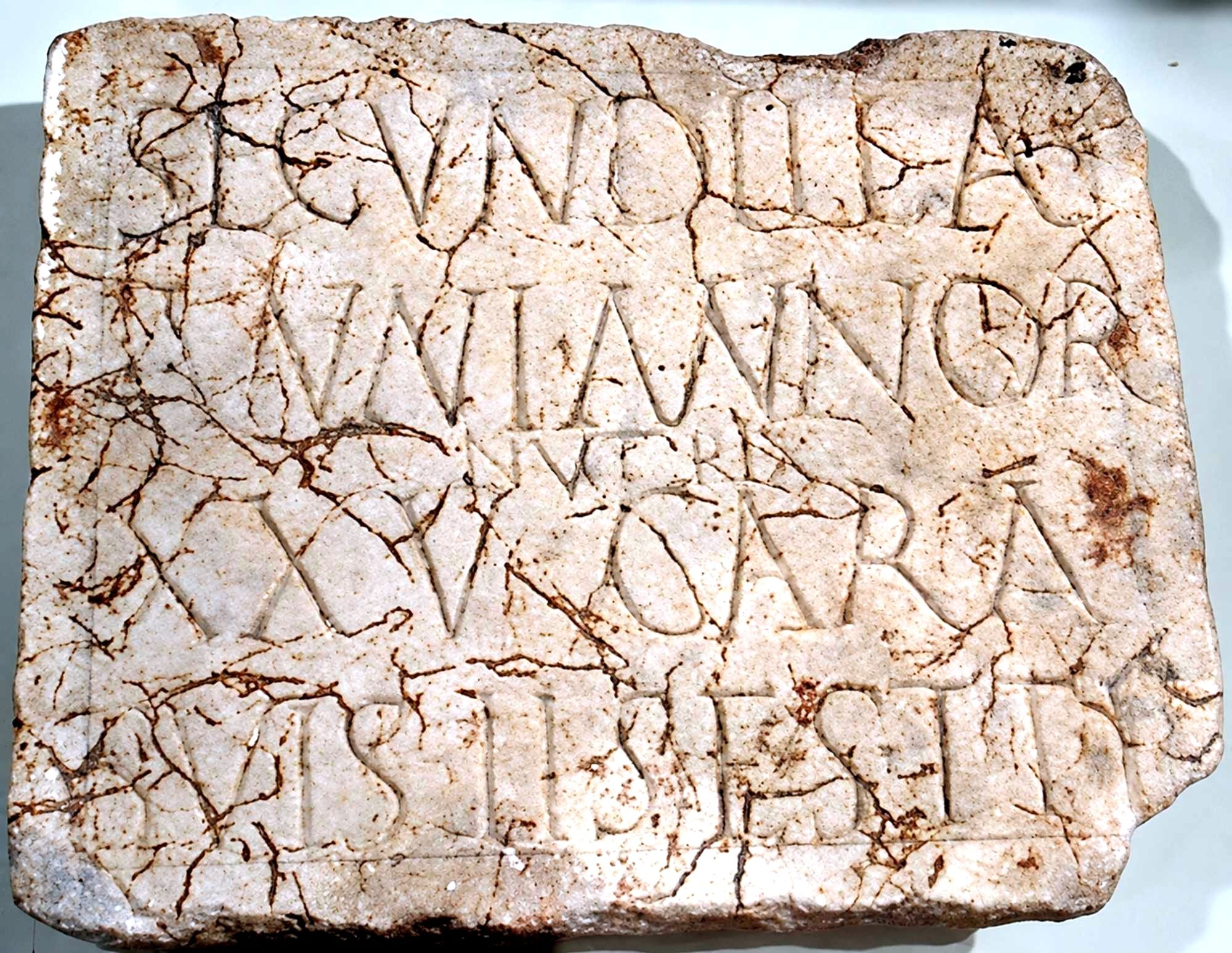
Some inscriptions use much more personal language. Iunius Iulianus commemorated Iunia Glaphyra as his nutrix karissima — his very dear nurse. Servia Cornelia Sabina was called both nutrix and mammula. Mammula carries a more intimate, affectionate sense than a simple occupational description and suggests the overlap between formal role and family language.
Flavia Nais appears among the people commemorating Flavius Gamus, a boy who died at thirteen. His father and grandfather were there too, placing the nurse beside male relatives in the public act of remembering him. Other inscriptions associate nurses with people who had reached their twenties or thirties. By then there could be no question of breastfeeding, but the woman remained identified as nutrix because the childhood relationship still defined her connection with the adult.
Pliny the Younger provides another case from elite life. He had given his former nurse a small farm. When its value and productivity declined, he wrote to a friend asking him to help her manage it. The gift belonged to Pliny’s adult life, long after she had ceased caring for him as an infant.
In another letter, Pliny describes Minicia Marcella, who died before reaching fourteen. Among the girl’s qualities he mentions her affection for her nurses, pedagogues and teachers, each according to the role that person had played in her upbringing.
Nurses also appear in the imperial household. An inscription names Valeria Hilaria as the nutrix of Octavia, daughter of Claudius and later wife of Nero. Other imperial inscriptions are more fragmentary and should be treated cautiously, but the title itself could remain attached to a woman for the rest of her life.
One remarkable monument from Cologne repeats the identity of the deceased twice: Severina nutrix, Severina nutrix. Her role as nurse had become part of the identity under which she was commemorated.
Some Nurses Stayed Until the Very End
Imperial biography preserves the most dramatic examples of lifelong attachment. When Nero’s position collapsed in AD 68, an old nurse was still among those close enough to try to comfort him. After his suicide, two nurses, Egloge and Alexandria, joined Acte in caring for his remains.
Suetonius records:
“His ashes were deposited by his nurses, Egloge and Alexandria, accompanied by his mistress Acte, in the family tomb of the Domitii on the summit of the Hill of Gardens…” Suetonius, Nero 50.1
The women accompanying Nero to the family tomb were connected with him through relationships reaching back to infancy, long before he became emperor.
Domitian’s nurse Phyllis appears after an even more violent death. Following the emperor’s assassination, she took charge of his body and cremated it on her suburban property on the Via Latina. Suetonius adds that Phyllis secretly carried Domitian’s remains to the Flavian family temple and mixed his ashes with those of Julia, Titus’ daughter, whom she had also raised.
Nero and Domitian belonged to imperial biography rather than ordinary household life, but less spectacular inscriptions and legal texts preserve similarly durable ties between nurses and former nurslings. A woman could remain known as someone’s nutrix decades after breastfeeding had ended, and in some cases the relationship continued through gifts, freedom, commemoration and burial.
Roman wet-nursing was never simply a sentimental arrangement. A woman could feed a child she had been ordered to nurse while her own baby was elsewhere. An employer could regulate her diet, pregnancy and sexual activity. A nurse might be sold or separated from the child, while a free woman might take the work because her household needed the money.
At the same time, she could become the first voice the child imitated, one of the people who taught it how to speak, the person who soothed it at night and the caregiver whose name remained connected to it long after infancy.
Years later, a former nursling might free her, give her property or put her name on a tombstone. In a few of the most memorable Roman accounts, when the child she had once carried reached the end of his life, his nurse was still there.
Véronique Dasen, “Des nourrices grecques à Rome?”
Anna Sparreboom, Wet-nursing in the Roman Empire: Indifference, Efficiency and Affection
Rosa María Conesa Navarro and Sara Casamayor Mancisidor, “The Use of Wet-Nurses in Ancient Rome as a Way of Rupturing the mores maiorum”
Claude-Emmanuelle Centlivres Challet, “Feeding the Roman Nursling: Maternal Milk, its Substitutes, and their Limitations”
Beryl Rawson, ed., A Companion to Families in the Greek and Roman Worlds
Soranus, Gynaecology, Book II
Aulus Gellius, Attic Nights 12.1
Quintilian, Institutio Oratoria 1.1
Plutarch, Cato the Elder 20
Cicero, De Amicitia 74
Pliny the Younger, Letters 5.16 and 6.3
Suetonius, Nero 42, 50; Domitian 17.3
Tacitus, Dialogus de Oratoribus 28–29
Dio Chrysostom, Discourses 7.114
Digest 26.10.1.7; 33.2.34.1; 40.2.13
Festus, s.v. Lactaria columna
Relevant CIL funerary inscriptions discussed in the modern sources




About the Roman Empire Times
See all the latest news for the Roman Empire, ancient Roman historical facts, anecdotes from Roman Times and stories from the Empire at romanempiretimes.com. Contact our newsroom to report an update or send your story, photos and videos. Follow RET on Google News, Flipboard and subscribe here to our daily email.
Follow the Roman Empire Times on social media: