Roman Empire Anecdotes
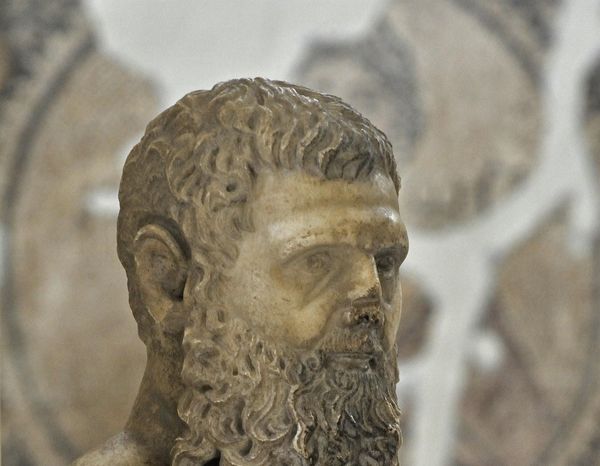
Pertinax: Eighty-Seven Days Before Rome’s Imperial Auction
An experienced commander took over after Commodus’s murder. His programme for Rome soon brought him into conflict with the men guarding the throne.

Roman Empire Anecdotes
An experienced commander took over after Commodus’s murder. His programme for Rome soon brought him into conflict with the men guarding the throne.
Roman Empire Historical Facts
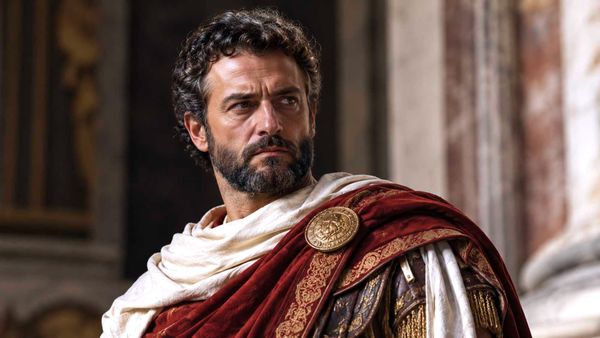
He was not an emperor, yet his wealth and influence rivalled those of Rome's rulers. How did Gaius Fulvius Plautianus rise so high, and what threatened his position?
Roman Empire News
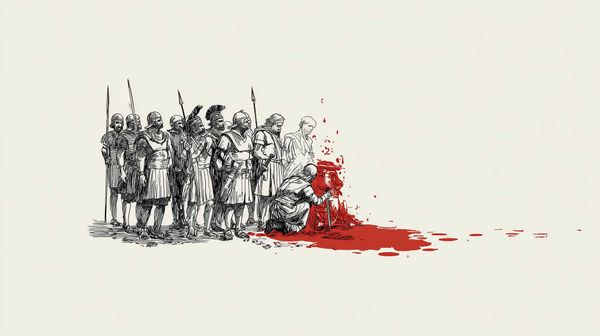
Political murder rarely restores an old order; in Rome it rewired incentives, putting armies, money and short-term bargains above process. From Caesar’s Ides to the auction of 193, assassinations taught Romans to price power—and to expect violence to decide it.

Roman Empire Anecdotes
From the sands of Africa to the edge of Britain, Septimius Severus rose as an emperor forged by ambition and war. Neither Rome-born nor Senate-chosen, he remade the Empire in his image—provincial, militarized, and enduring.

Roman Empire Historical Facts
A boy-emperor draped in silk and scandal, Elagabalus shook the Roman world with rituals, rumors, and rebellion. His brief reign remains one of the Empire’s most controversial and enigmatic chapters.
Roman Empire Historical Facts
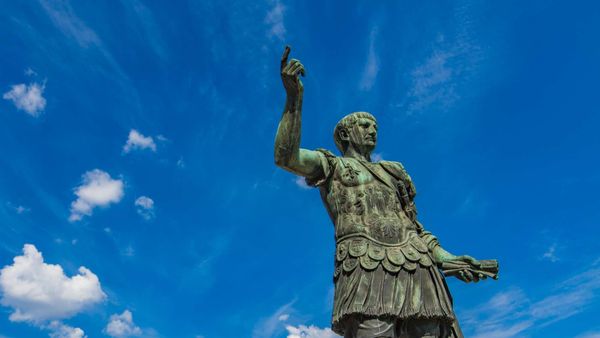
Emperor Trajan, is remembered by history as one of Rome’s greatest leaders, who epitomized the ideals of a just and capable ruler.

Roman Empire Historical Facts
As the Severan dynasty rose to prominence, the two brothers were groomed to jointly inherit their father’s empire. Despite their shared upbringing, their differences—both personal and political—were stark and irreconcilable.

Roman Empire Historical Facts
In the shadowed corridors of Roman history, Marcus Didius Julianus stands as one enigmatic figure to wear the imperial purple.

Roman Empire Historical Facts
How was apotheosis used as a religious practice, but also as a political tool in ancient Rome? How was it used to solidify dynastic legitimacy and reinforce imperial ideology?

Roman Empire Historical Facts
In the records of Roman history, Marcus Opellius Macrinus stands as a unique, and often overlooked figure.

Roman Empire Historical Facts
Maximinus Thrax, also known as Maximinus I, was a Roman emperor who reigned from 235 to 238 CE, marking the beginning of the Crisis of the Third Century.