
Jewish Rebel Tunnels at Horbat Burgin Open After Conservation
Beneath a village in the Judean foothills, older cisterns became rebel hiding places. A new heritage project presents the tunnels and the settlement built above them.

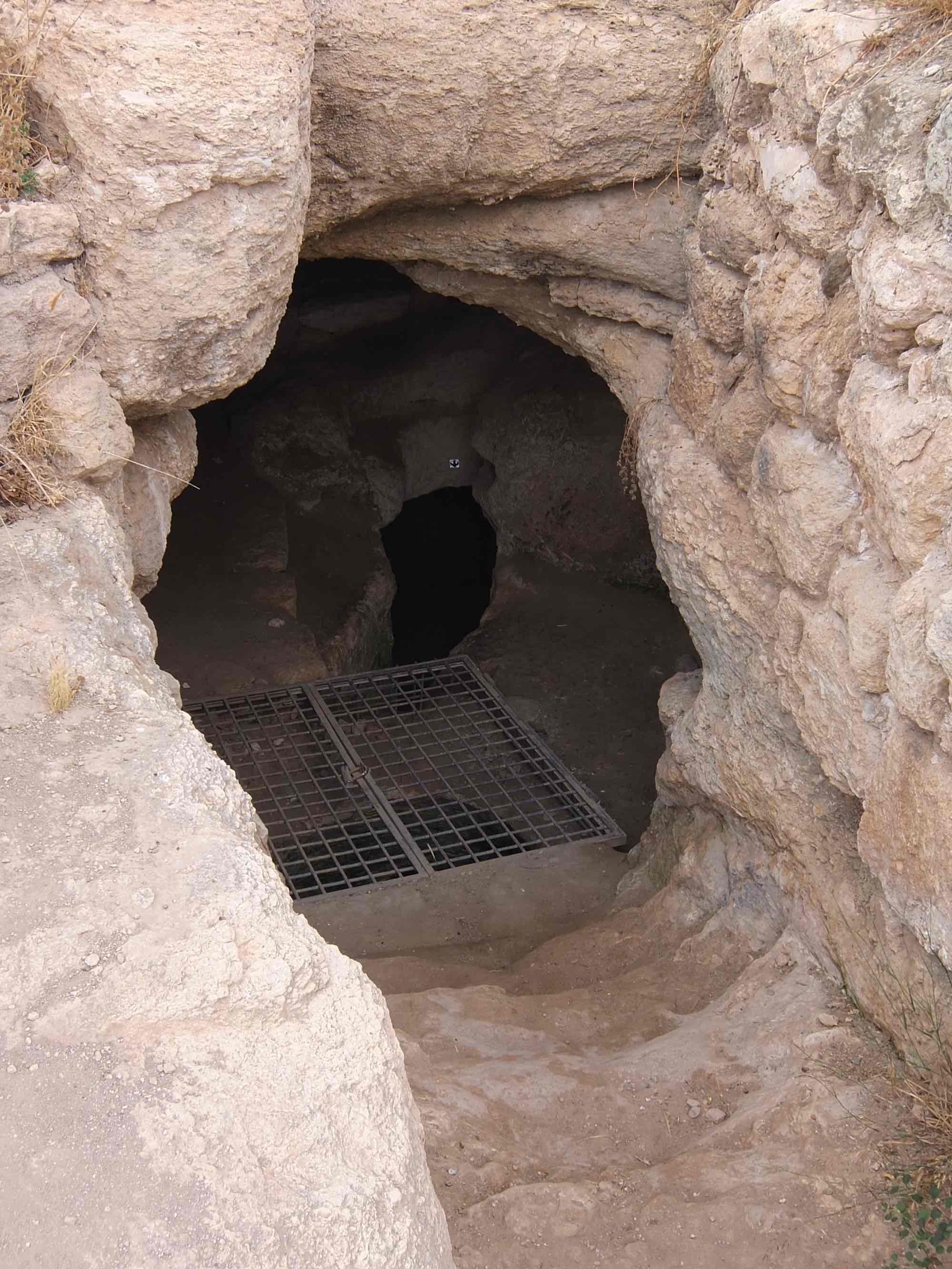
A newly inaugurated heritage project at Horbat Burgin is bringing visitors into an underground landscape used by Jewish rebels during the Roman period. The site, in Adullam–France Park in the Judean foothills, combines rock-cut hiding passages with settlement remains and a Byzantine church decorated with colourful mosaics.
The Israel Antiquities Authority announced the inauguration after excavation, conservation and development undertaken with Keren Kayemeth LeIsrael–Jewish National Fund and the Mateh Yehuda Regional Council. The work presents a village whose inhabitants built above ground, cut installations beneath their homes and repeatedly adapted the same spaces as the settlement changed.
Its Roman history is particularly visible in those subterranean alterations. Entrances cut into room floors, passages joining older chambers and openings high in cistern walls show how existing village infrastructure was incorporated into preparations for conflict. Excavators associate the settlement’s destruction with the Bar Kokhba revolt and document rebuilding afterwards.
A new inauguration with an earlier visitor history
The current announcement marks a further stage in making Horbat Burgin accessible. Public access has a longer history: the published report of excavations conducted between February and May 2008 explicitly describes preparing the site for visitors as part of the Adullam Caves Park project.
That campaign exposed entrances, connected parts of a hiding complex and installed stairs, ladders and safety grilles. Two burial caves were prepared for visits, while an observation point was established among the remains of later village houses on the hilltop. Conservation was already integral to the visitor route.
The new inauguration therefore follows earlier archaeological and visitor development. The latest authority announcement places the emphasis on extensive conservation and cooperation between the organisations responsible for the site. Its presentation brings together the hiding systems, the church and the broader history of settlement on the hill.
Entrances concealed beneath village rooms
The 2008 excavation investigated a small area on the eastern slope to expose exits from Hiding Complex H. Above the subterranean spaces, a room with a smoothed bedrock floor preserved two entrances cut directly into the rock. These connected the building above with chambers below.
One entrance lay near the room’s southeastern corner and led into a chamber designated B5. Another occupied the centre of the room, where a step and a circular shaft provided access. Recesses cut into the sides of the shaft probably helped people climb in and out.
The excavators interpreted the central shaft as a possible exit and ventilation opening for another chamber incorporated into the hiding system. Pottery and coins recovered above the bedrock floor and in its cracks dated this settlement layer to the Early Roman period, continuing into the first half of the second century CE.
Water cisterns became hiding places
Some underground rooms had served the village long before their conversion into refuges. Excavation identified cisterns and staircases originating in the Hellenistic period. Water channels, drawing holes and access steps preserved the earlier purpose of spaces subsequently connected with the Roman-period hiding network.
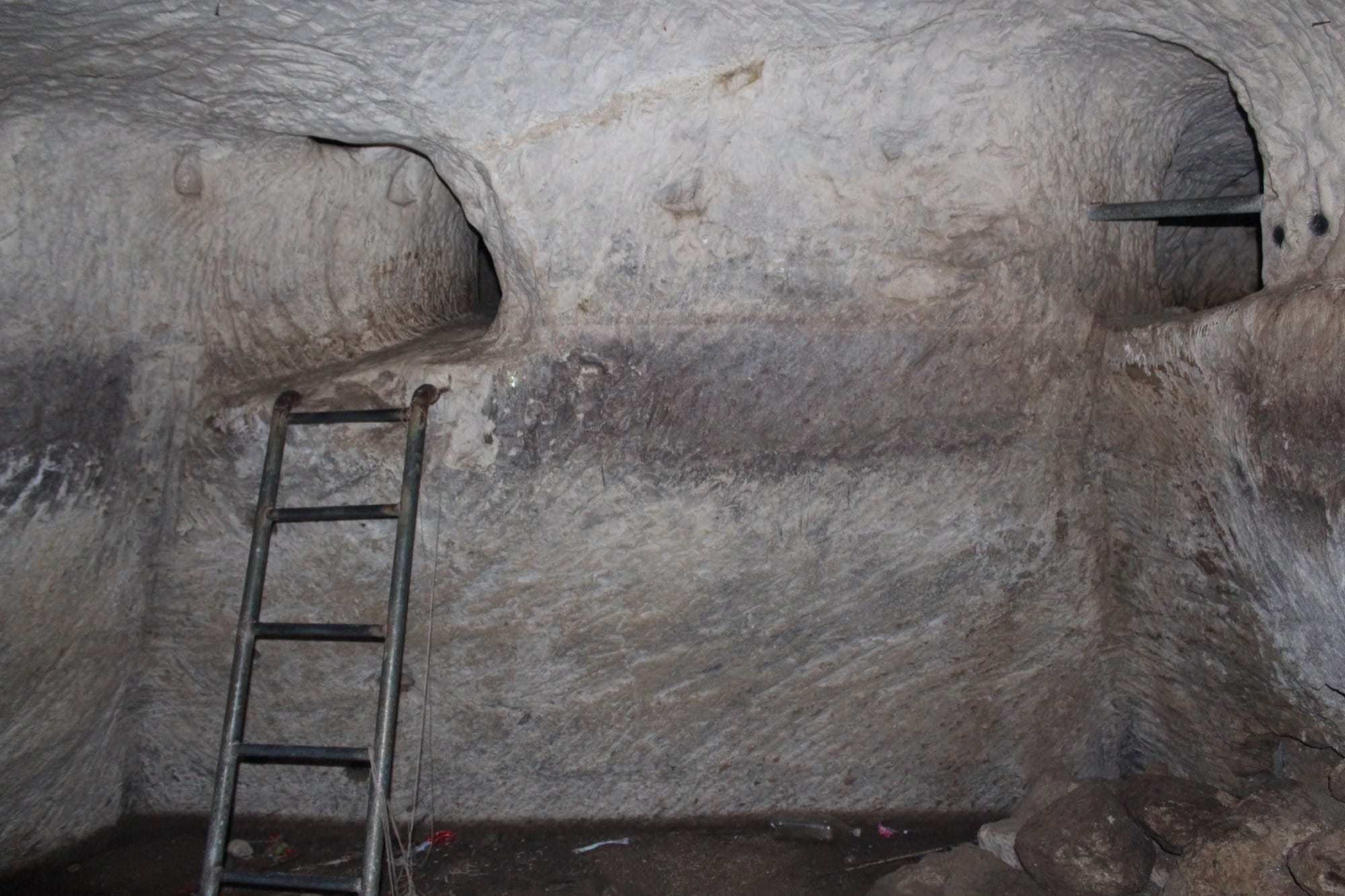
In Chamber A2, entrances into hiding cavities were cut close to the ceiling during the first and second centuries CE. The excavation report interprets this alteration as preparation to fight the Roman army. After the Bar Kokhba revolt, the chamber returned to use as a cistern.
Another chamber, B1, also began as a Hellenistic cistern. A substantial dividing wall later separated two wings of the hiding complex, while a shaft linked rooms at different levels. The excavation team suggested that one such shaft could have allowed defenders to strike an enemy moving through the narrow passage below.
Underground resistance in the Roman account
The hiding systems belong within the wider history of Jewish resistance to Rome. The authority’s latest account describes extensive networks cut in the Early Roman period and identifies the Bar Kokhba revolt as the episode in which the settlement was damaged and destroyed. This places the village within a conflict fought under Emperor Hadrian.
Cassius Dio describes underground preparations in his account of that revolt. In Roman History 69.12.3, preserved in epitome, he presents protected positions, concealed meeting places and ventilation openings as part of the rebels’ strategy:
To be sure, they did not dare try conclusions with the Romans in the open field, but they occupied the advantageous positions in the country and strengthened them with mines and walls, in order that they might have places of refuge whenever they should be hard pressed, and might meet together unobserved under ground; and they pierced these subterranean passages from above at intervals to let in air and light.
Dio’s description concerns the wider revolt. At Horbat Burgin, the excavated entrances, converted cisterns and interconnected cavities provide the local archaeological evidence. The same report records that the Early Roman settlement layer ended with the revolt and that new construction began during the second half of the second century CE.
New buildings rose above the passages
Following the destruction, buildings were constructed above the earlier remains. In the excavated area, walls from the previous room continued in use, floors were raised and an entrance to an underground chamber was blocked with a large stone and covered with packed earth.
A row of pillars belonged to the first phase of this rebuilding. Later, the spaces between them were closed to form a room. Pottery on its floor included material dating to the third century CE, tracing continued occupation after the hiding system’s Roman-period use.
Byzantine construction added another layer. The excavation exposed a room with a mosaic pavement and an adjoining courtyard; elsewhere, the newly presented complex includes a church and monastic remains. The mosaic recorded in the 2008 excavation featured a five-petalled rosette in yellow, blue, black and white stones.
Conservation follows the damage left by looters
Archaeological work at Horbat Burgin developed alongside efforts to halt antiquities theft. The authority reports that looters broke into burial caves and hiding systems and damaged buildings above ground. The excavation report likewise describes deep illicit pits cutting through archaeological layers and debris left within underground rooms.
Conservation involved stabilising vulnerable rock and masonry as well as preparing access. During the earlier visitor project, workers reinforced a deteriorating chamber ceiling, secured a stone vault, treated fissures in a burial cave and installed protective structures. Robber pits near the hilltop observation point were filled for safety.
The latest project continues that combination of excavation, protection and public presentation. Alongside the tunnels, winepresses and pigeon-raising installations preserve evidence of the settlement’s working landscape. Visitors encounter both the underground preparations for war with Rome and the succession of communities that built, farmed and worshipped above them.



About the Roman Empire Times
See all the latest news for the Roman Empire, ancient Roman historical facts, anecdotes from Roman Times and stories from the Empire at romanempiretimes.com. Contact our newsroom to report an update or send your story, photos and videos. Follow RET on Google News, Flipboard and subscribe here to our daily email.
Follow the Roman Empire Times on social media: