
Roman Jewellery Workshop Found Beneath Mancot Housing Development
Casting moulds, enamelled brooches and changing buildings reveal an industrial settlement near Roman Chester. The finds are being studied ahead of a planned museum display.

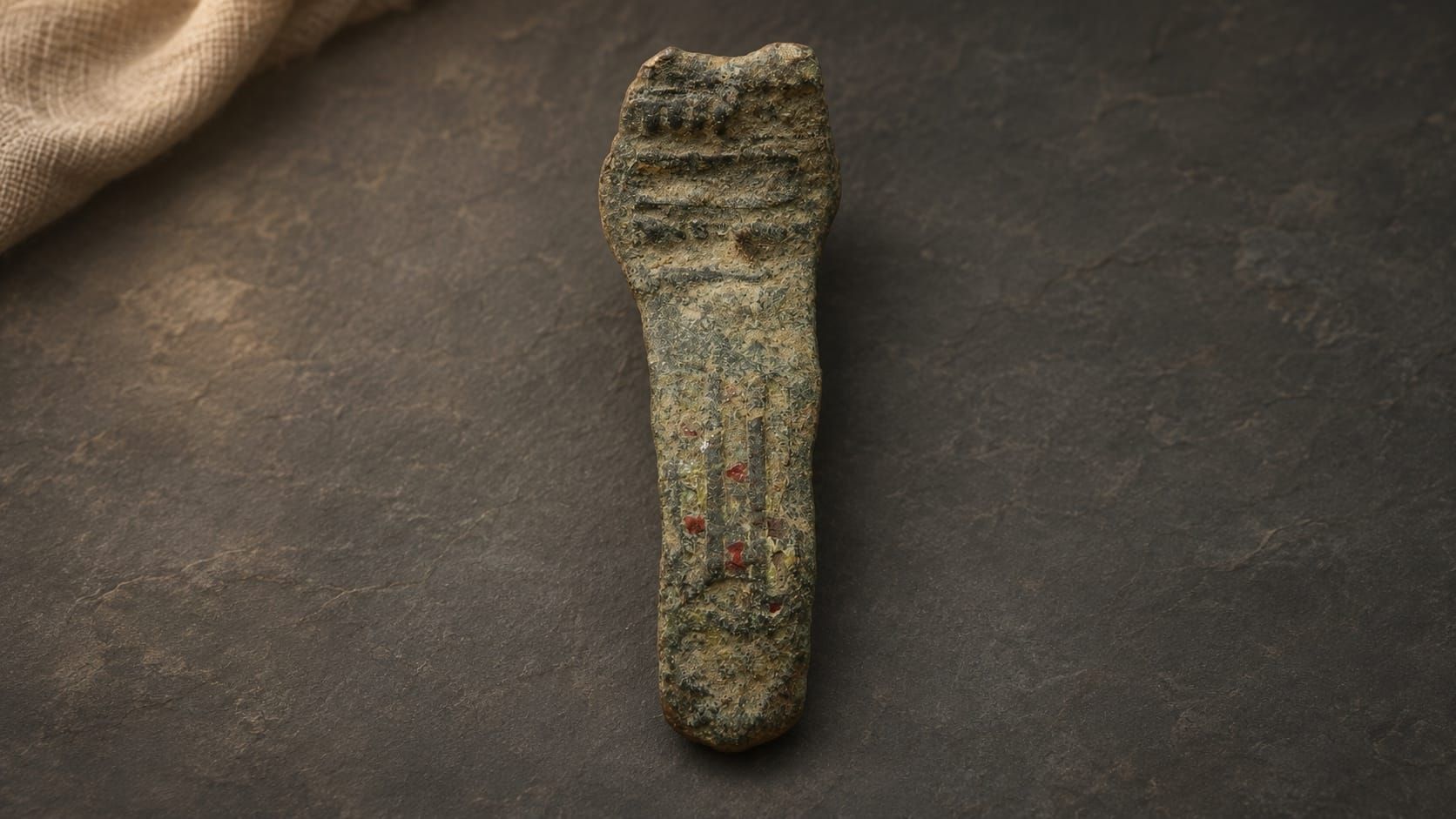
A Roman settlement with evidence of brooch manufacture has been identified beneath a housing development at Mancot in Flintshire, north-east Wales. Archaeologists recovered decorative clothing fasteners, casting moulds, coins and pottery from a site overlooking Chester, adding an industrial community to the known Roman landscape around the legionary fortress.
Heneb: The Trust for Welsh Archaeology dates the discovery to December 2025. Its announcement, published on 9 November 2026, describes work undertaken for Castle Green Homes at the Gladstone Grange development on Gladstone Way. The investigation was completed before the housing was built over the excavated remains.
The finds are now moving through conservation and specialist study. Alongside the immediate evidence for metalworking, the excavators have recorded successive buildings and a settlement extending towards modern Mancot. Flintshire's museum service hopes to display some of the objects in 2027, bringing the results of the development excavation before a local audience.
Surveying the ground before 300 new homes
The investigation formed part of the archaeological assessment for a scheme of 300 homes on land allocated for housing by Flintshire Council. Castle Green Homes commissioned Heneb to examine the site's archaeological potential, and ground geophysics identified buried structures and traces of earlier activity before the full investigation took place.
Excavation revealed a settlement organised within a network of plot boundaries and drainage systems. Heneb's published plan shows highlighted Roman buildings, with a substantial drainage ditch forming the eastern boundary for most of them.
The mapped settlement appears to continue westwards beneath the area known as Big Mancot. Houses now cover the investigated development site, but the archaeological record extends the story beyond that excavated ground. The village lies between Hawarden and Queensferry, within a landscape whose Roman occupation is becoming better documented through recent discoveries.
Timber houses followed by new buildings
Heneb identifies several phases in the settlement's development. Timber-built houses, some possibly belonging to the end of the Iron Age, were followed by elongated, semi-rectangular buildings by the third century AD. The proposed earlier origin remains provisional, while the later buildings provide a clearer indication of the settlement's changing form.
Coins provide another strand of chronological evidence. Heneb illustrates a coin of the emperor Commodus, identifying it with AD 192. The BBC also reports a coin depicting Constantine. Together, the reported finds place objects from widely separated parts of the Roman period within the excavated assemblage.
The later coin brings the chronology into the age of Constantine the Great. Project manager Chris Matthews described successive occupation over a long period when discussing the discovery with the BBC. The building sequence and coin finds are being considered together as the team develops its account of the site's history.
Brooches combined fastening with colour
The metalwork collection includes a variety of brooches used to secure clothing. These objects combined a practical fastening mechanism with decorative designs, making them part of the material evidence for Roman dress. The finds complement the wider picture of Rome's clothing and textile industries, which involved both everyday garments and conspicuous ornament.
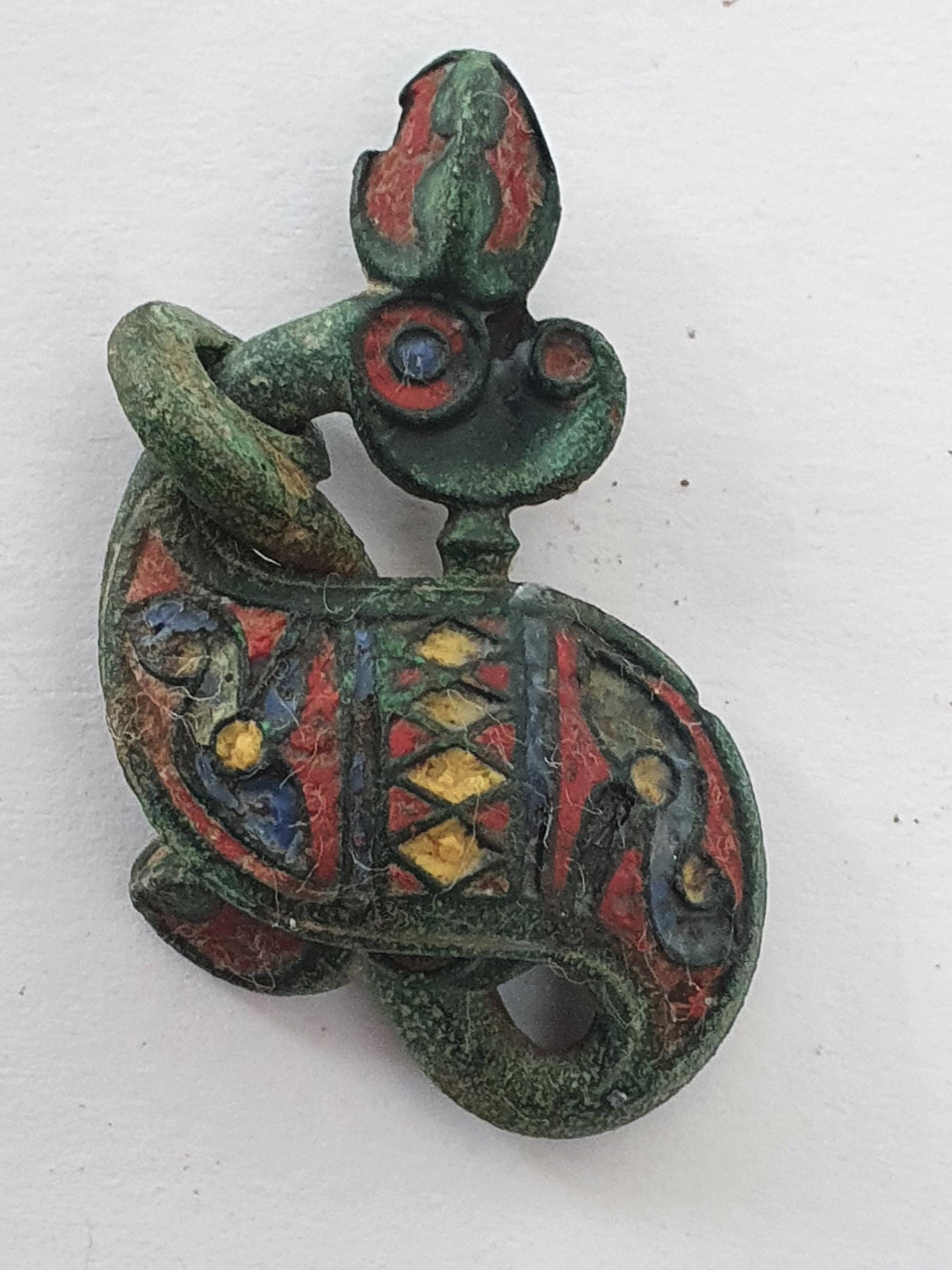
Some Mancot brooches retain coloured enamel, and the reported collection includes animal-shaped designs. The BBC's photographs show a disc-shaped example with surviving green decoration and another elongated brooch retaining orange enamel. Conservation has made the surviving decorative surfaces easier to examine alongside the corroded metal beneath and around them.
Heneb's illustrated announcement also identifies an enamelled Wirral-type brooch and a large brooch of a type often found on Anglesey. The range of forms is a significant part of the assemblage: the workshop interpretation concerns the production of varied fasteners rather than the repeated discovery of one identical design.
Casting moulds point to local manufacture
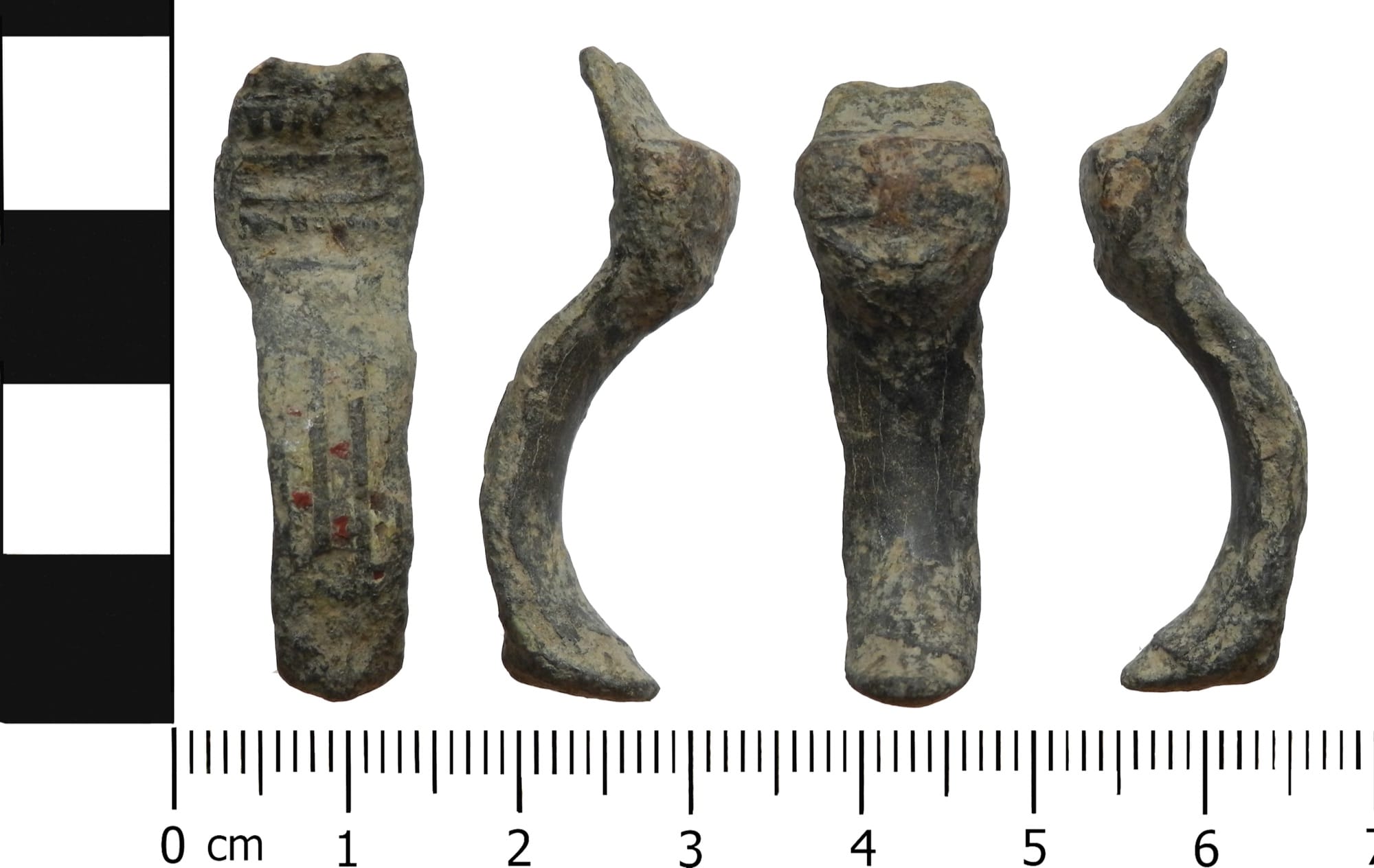
The clearest reported evidence for production comes from casting moulds recovered with the metalwork. Heneb publishes three examples identified as moulds for Roman brooches. In the BBC report, Matthews links the lead moulds with the manufacture of a wide range of brooches, placing craft activity within the settlement itself.
The excavators interpret the material as evidence for an industrial community using the region's metal resources. Heneb proposes that brooch manufacture probably formed part of a supply network serving local inhabitants and Chester. This interpretation connects the manufacturing equipment with the nearby market while leaving the detailed organisation of production for further research.
Specialist analysis will help clarify the materials involved. Research on Roman copper-alloy brooches from British sites has examined copper combined with zinc, tin and lead, using chemical analysis alongside the classification of brooch forms. At Mancot, identifying the metals and manufacturing methods is among the questions the museum specialists will now investigate.
Looking towards Roman Chester
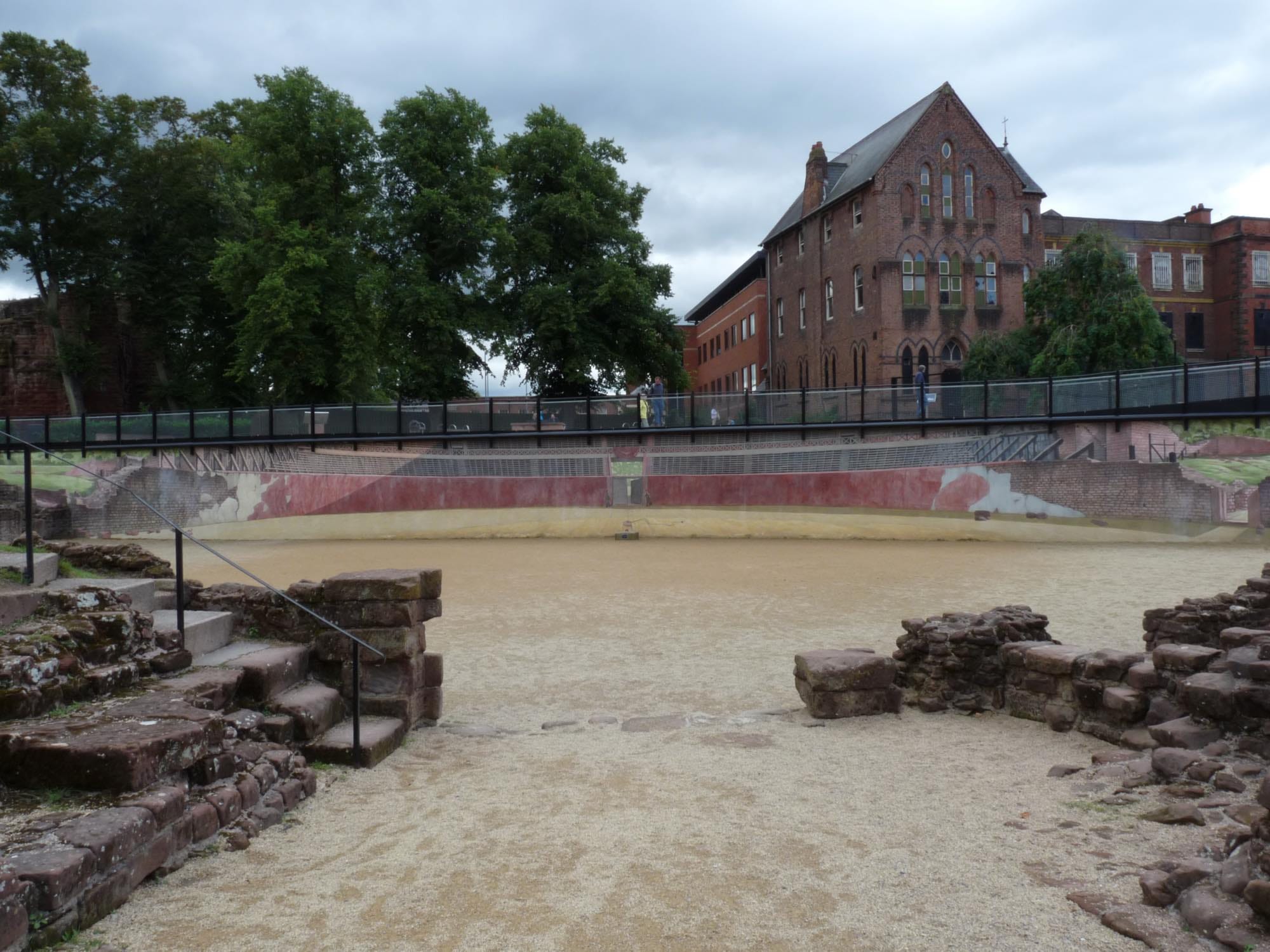
The settlement overlooked Chester, the site of the Roman legionary fortress of Deva Victrix. Heneb places Mancot within that fortress's surrounding landscape, where relatively little Roman activity had previously been documented in this part of Flintshire. The discovery adds buildings and industrial evidence to an area often characterised as an undeveloped hinterland.
The proposed connection with Chester includes both the local community and the population around the Roman centre. Matthews told the BBC that the workshop may have supplied Chester. Pottery recovered at Mancot also points to connections extending to continental Europe, adding evidence for exchange alongside the material associated with local manufacture.
Mancot joins discoveries at Greenfield and Rossett that are prompting a reassessment of north-east Wales during Roman rule. Matthews related the previously sparse archaeological record to an older debate about relations between Roman and local populations. The new finds are giving archaeologists more substantial evidence of settlement and economic activity with which to examine that question.
Conservation before a return to Flintshire
A number of brooches and moulds have already undergone conservation, with further analysis planned at the National Museum of Wales in Cardiff. Specialists will examine how the brooches were made, the metals used and the origins of their raw materials. That work follows the completed field investigation and the recording of the settlement's layout.
The objects are expected to pass to Flintshire Museum Services when the work is complete. Sophie Fish, museums manager at Gwella, told the BBC that she hoped some of the most interesting Mancot finds could be displayed at Mold Museum in 2027. The brooches are among the objects singled out for that proposed display.
The planned return would place the manufacturing equipment and ornaments within the county's growing Roman collection. For Mancot, the evidence already combines changing buildings, organised plots and brooch production in a settlement beside Roman Chester. Further study of the recovered objects will develop that account of the community that occupied the site.



About the Roman Empire Times
See all the latest news for the Roman Empire, ancient Roman historical facts, anecdotes from Roman Times and stories from the Empire at romanempiretimes.com. Contact our newsroom to report an update or send your story, photos and videos. Follow RET on Google News, Flipboard and subscribe here to our daily email.
Follow the Roman Empire Times on social media: