
Roman Frog Graveyard: Tiny Bones Reveal Insights on Roman Climate
Digested bones point to short-eared owls feeding on young frogs near Cambridge, with clues to seasonal activity in a Roman landscape.

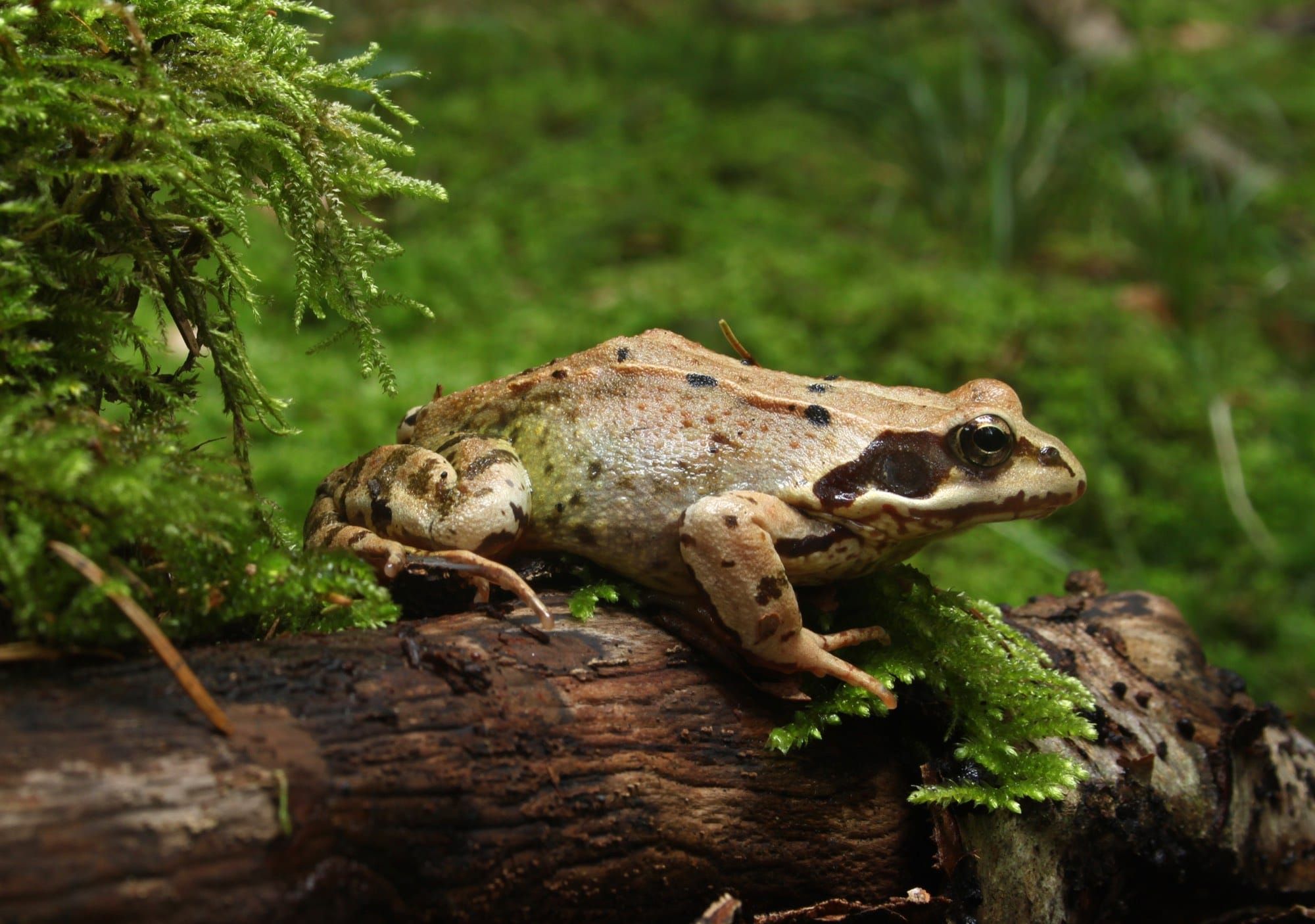
Thousands of tiny bones from a settlement near Cambridge have revealed a winter feeding ground. A new analysis identifies short-eared owls as the most likely source of a dense deposit of frog remains, turning an unusual excavation find into evidence for rural life in Roman Britain.
The remains were recovered at Bar Hill during archaeological work for the A14 Cambridge to Huntingdon road improvement scheme in 2016–2018. Researchers examined damage caused by digestion, patterns of breakage and the size of amphibian bones to reconstruct how the deposit formed. Their results favour birds feeding on a temporary abundance of young frogs.
Published online in Environmental Archaeology on 17 October 2026 and publicised in November, the study also revises the chronology of the shallow gully containing the bones. Radiocarbon evidence places the animals in the Roman period, while their likely predators offer a possible explanation for how this part of the settlement was used through the year.
A shallow gully with thousands of bones
The concentration came from Settlement 5, an Iron Age and Roman site near the Fen edge. One shallow gully, numbered 38.165, contained 9,135 small-animal specimens, or 72 per cent of the 12,683 recorded across the settlement. Frogs dominated an assemblage that also included voles, mice and shrews. These are counts of recovered remains, rather than individual frogs.
The gully extended approximately 20 metres (66 feet) within an earlier enclosure. Excavators initially interpreted it as part of a roundhouse, although its original function remained uncertain. Environmental samples were taken from different positions and depths, allowing the later investigation to compare material from its centre and both ends.
That distribution helped establish whether the accumulation represented a shared process. The research team selected material from throughout the feature and concentrated on amphibian long bones and small-mammal teeth, which preserve useful traces of digestion. They also assessed damage produced after burial, separating those changes from marks left when the animals were eaten.
The damage that pointed to predators
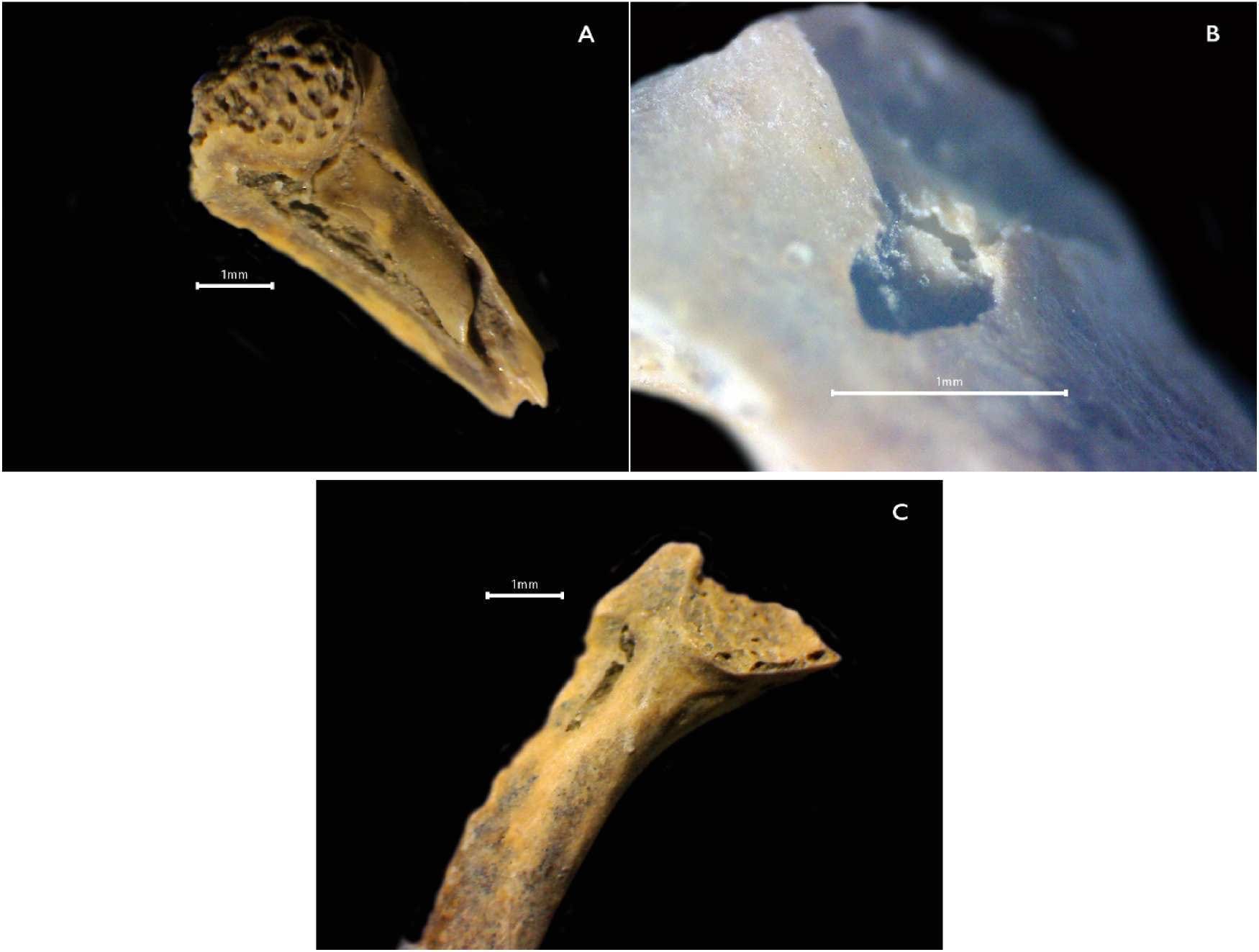
Digestion affected 85.9 per cent of the amphibian long bones examined. Broken edges had often become rounded, indicating that bones broke before passing through a predator’s digestive system. Flaking, thinning and damage around joints supplied further evidence of consumption.
At the same time, many bones survived with comparatively little breakage: 52.6 per cent of the amphibian long bones were unbroken. Predators process their prey differently, leaving characteristic patterns of damage. Comparing the proportion of damaged bones with the severity and form of that damage narrowed the range of animals capable of producing the deposit.
The team found no butchery, burning or preference for larger frogs of the kind that would support human consumption. The gully’s shallow, gently sloping sides also made a pitfall explanation unlikely. The digestive traces instead supported a concentration of prey remains, with the pattern repeated in samples from different parts of the feature.
Why short-eared owls fit the evidence
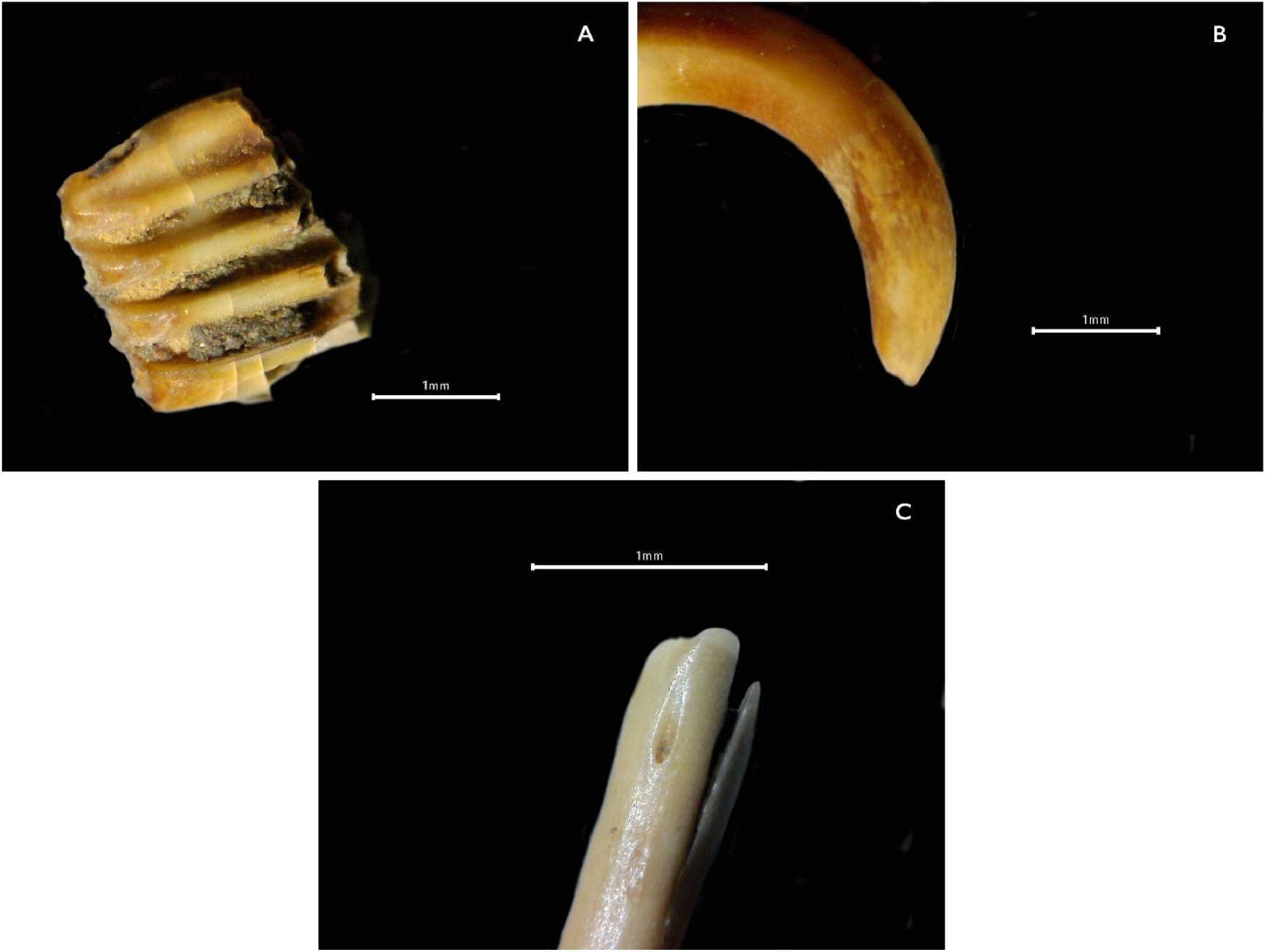
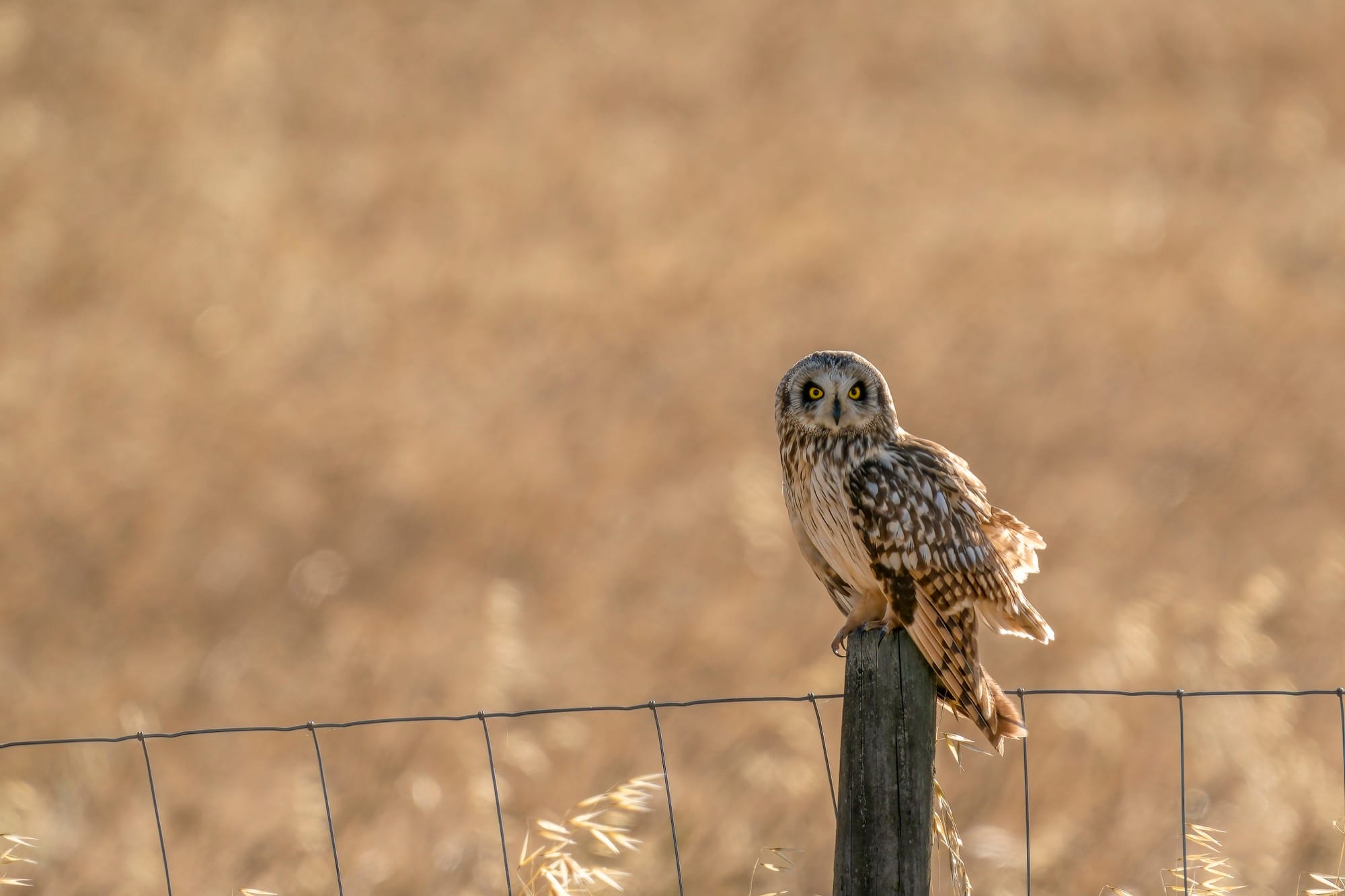
Short-eared owls provided the closest comparison for the amphibian remains. Both the degree of digestion and the breakage pattern matched published studies of their prey debris. Frequent flaking on the bones strengthened that identification, while the contrast between heavily affected frog bones and more lightly digested rodent teeth offered another useful clue.
The proposed predators also suited the reconstructed habitat. Short-eared owls hunt and roost in open grassland. Evidence from pollen, molluscs and charcoal indicated that woodland around Bar Hill had been cleared by the Roman period, creating a setting more favourable to these grassland hunters than to owls dependent on wooded roosts.
Rodent remains showed somewhat more damage than expected from short-eared owls alone. The researchers suggest that other birds, possibly hen harriers, contributed to the accumulation. These raptors can roost alongside short-eared owls. The proposed mixed roost explains the variation while leaving short-eared owls as the leading source of the amphibian bones.
A season recorded in young frogs
To investigate when the frogs died, the team measured 179 distal humeri, the ends of upper-arm bones. Frog size changes with age, so the measurements could be compared with a reference specimen and published growth research. Most specimens were smaller than a reference frog estimated to have reached the summer of its second year.
The resulting age profile suggested that many had been feeding away from their breeding ponds long enough to grow substantially, but died in their first winter or the following spring. Combined with the excavation evidence for a single episode of infilling, the researchers interpret the deposit as a short, intensive feeding episode extending from autumn towards spring.
Three frog specimens were selected for radiocarbon dating. Their calibrated ranges span parts of the second to fourth centuries AD, with overlap suggesting a third-century episode. This places the accumulation within the Roman occupation of the landscape and shows that the gully remained open, or was created, considerably later than its initial Iron Age interpretation implied.
Pasture and ponds at the Roman Fen edge
The study connects the frogs’ abundance with a changing wetland landscape. As water retreated in the Roman period, temporary ponds would have appeared on newly exposed ground. Common frogs, Rana temporaria, can breed successfully in such ponds, and the researchers propose that these conditions produced a short-lived abundance of young animals.
Woodland clearance supplied the other part of the explanation. Land opened for livestock grazing provided hunting ground for birds that could exploit the frogs as they moved through damp grassland. The proposed feeding episode therefore brought together environmental change and the effects of people reshaping an agricultural landscape.
Bar Hill itself was remodelled from the first century AD onwards, with rectangular enclosures replacing the earlier arrangement. Several routes between enclosures appear to have served livestock management and movement. The bone-filled gully lay close to one of these proposed corridors, placing the predators’ feeding ground within an agricultural landscape shaped by Roman-period activity.
A winter roost beside a working settlement
The roost interpretation gives the researchers a way to investigate seasonal human activity. Short-eared owls generally select quiet ground for communal roosts. If their behaviour resembled that of modern birds, a roost near the gully suggests that people and dogs visited this particular area infrequently during the feeding season.
The team’s preferred explanation is seasonal livestock movement: a corridor used in summer could have become quiet enough for birds in autumn and winter. Deliberate avoidance for social or ritual reasons is another possibility they discuss, partly because later boundaries and a Roman cemetery appear to acknowledge elements of the earlier enclosure.
The small bones thus contribute to the settlement’s history as well as its ecology. Their damage identifies a likely group of predators, their sizes indicate a season, and their dates relocate the accumulation within Roman use of the site. The remaining question is why this patch of ground became quiet enough for the birds to gather there.


About the Roman Empire Times
See all the latest news for the Roman Empire, ancient Roman historical facts, anecdotes from Roman Times and stories from the Empire at romanempiretimes.com. Contact our newsroom to report an update or send your story, photos and videos. Follow RET on Google News, Flipboard and subscribe here to our daily email.
Follow the Roman Empire Times on social media: