
Roman Graves and a Wartime Shelter Reshape a Valencia Housing Project
Five burials beside the Via Augusta were reported in 2024. A project update now describes a wartime structure that will remain inside the new building.

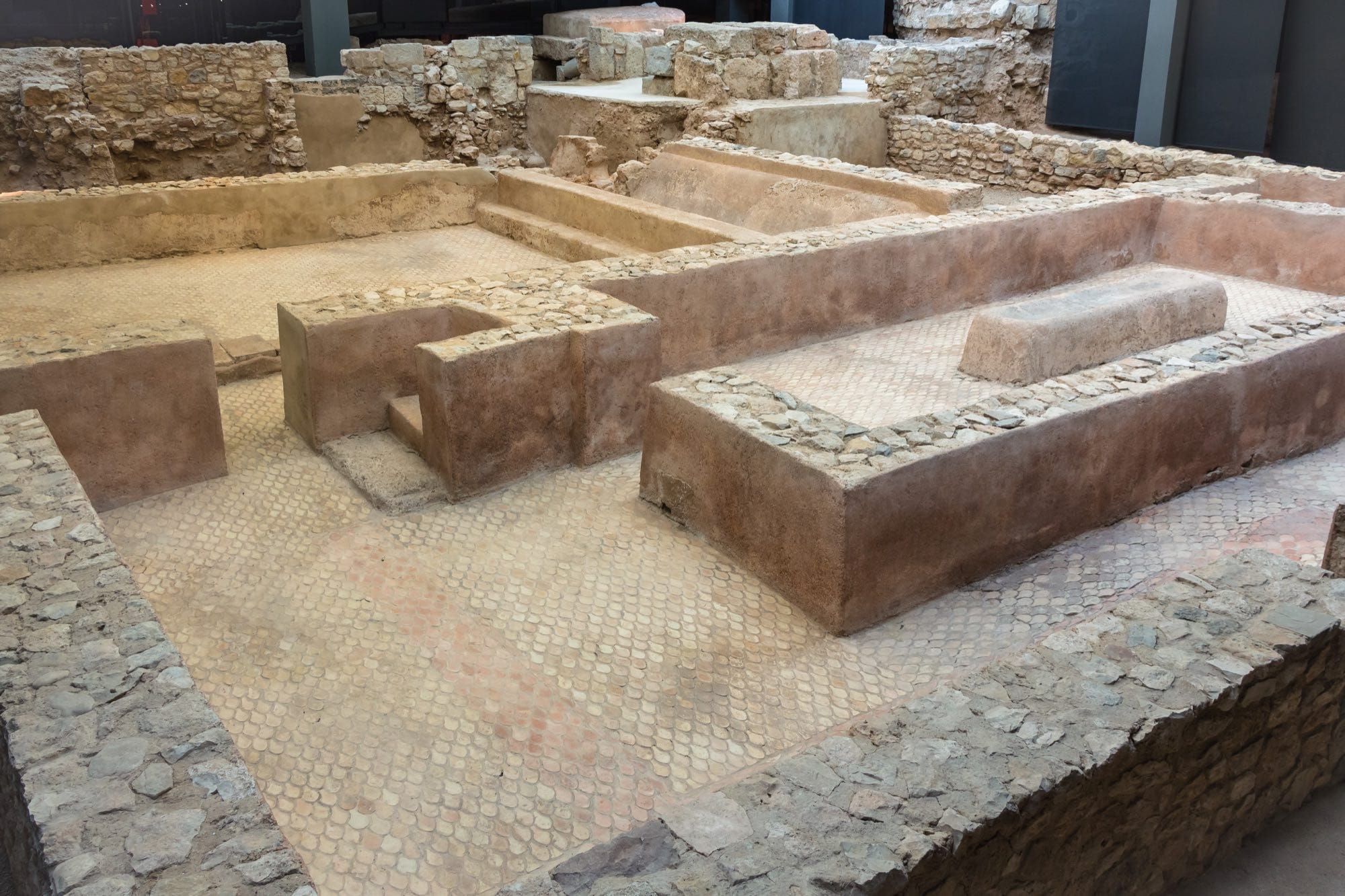
Roman burials and a Spanish Civil War air-raid shelter have become part of the redevelopment of a residential site in Orriols, a neighbourhood of Valencia. The remains were encountered during work on Nova Urbe, a housing project on Agustín Lara street, near the boundary with Torrefiel.
The five Roman burials were already being excavated when they were reported in January 2024. A project update issued by developer Metrovacesa on 27 October 2026 describes archaeological supervision and changes to the building design that will preserve the wartime shelter within its basement.
The finds bring together two very different uses of the same urban area. The Roman graves belong to the funerary landscape associated with the Via Augusta, while the shelter represents a much later response to aerial warfare. Both have required the development to accommodate Valencia’s buried heritage.
Five burials beneath Agustín Lara
On 18 January 2024, municipal sources confirmed that archaeologists had identified five Roman burials during construction in Orriols. The report described three forms of grave: examples made with tiles, burials in pits and one burial in an urn. Excavation was continuing at the time of the announcement.
The work was being carried out by archaeologists contracted by Metrovacesa and the building company Bertolín. Technicians from Valencia’s city council and the regional government’s heritage service were supervising the intervention. The cemetery’s connection with the Via Augusta formed part of the municipal account of the discovery.
The different grave forms place several burial arrangements within the excavated area. The tile-built examples also connect the site with the ceramic materials familiar from Roman brick and tile production. The initial announcement described the graves while the excavation was still under way, with the urn burial recorded alongside the other two forms.
A cemetery beside the Via Augusta
The Roman road provides an important reference for understanding Orriols. In the 2026 account published by Las Provincias, the Via Augusta is associated with the route of present-day Sagunto street. The earlier municipal report likewise placed the newly excavated cemetery in relation to that ancient route.
Archaeological scholarship had already documented a second-century cemetery beside the Via Augusta in Orriols, north of the Roman city. A fourth-century mausoleum was found alongside it, with lead sarcophagi containing skeletons and some grave goods. These earlier discoveries establish a longer funerary history for this part of Valencia.
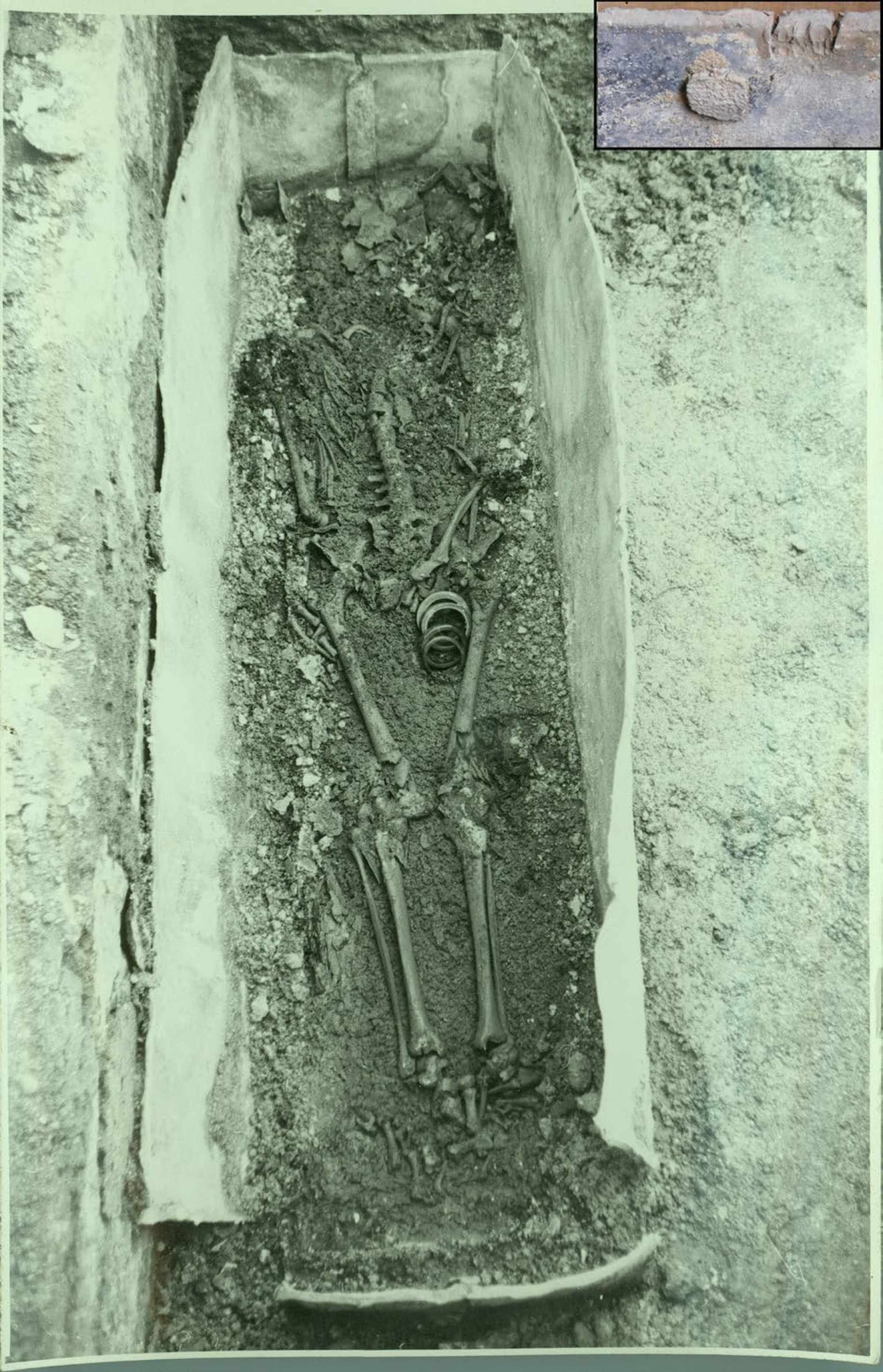
The road and the burial grounds therefore belong to the same recorded landscape around the ancient settlement. Our account of how Roman roads were built provides the wider engineering background.
The Roman city behind modern Valencia
Ancient Valencia was known as Valentia. Excavations in its centre, particularly at La Almoina, have revealed the monumental setting of its imperial forum. The Roman public square occupied the site of an earlier forum, with buildings arranged around a more imposing civic centre during the imperial period. The excavated complex includes remains identified as a basilica, the curia, or city council chamber, and associated administrative buildings.
The city’s development followed a substantial interruption. Archaeological and literary evidence place its destruction in 75 BC, followed by an extended period of abandonment. Modest urban activity resumed towards the end of Augustus’s reign, with construction increasing under Claudius and Nero and accelerating in the Flavian period.
The imperial city expanded beyond the extent of its Republican predecessor. Its archaeological record includes public buildings, water infrastructure, houses and cemeteries. After destruction in the later third century AD, parts of the civic centre were repaired or rebuilt, while other structures, including the forum basilica, remained abandoned. Orriols adds a funerary perspective to a city also known through its civic monuments.
Earlier graves help place the new excavation
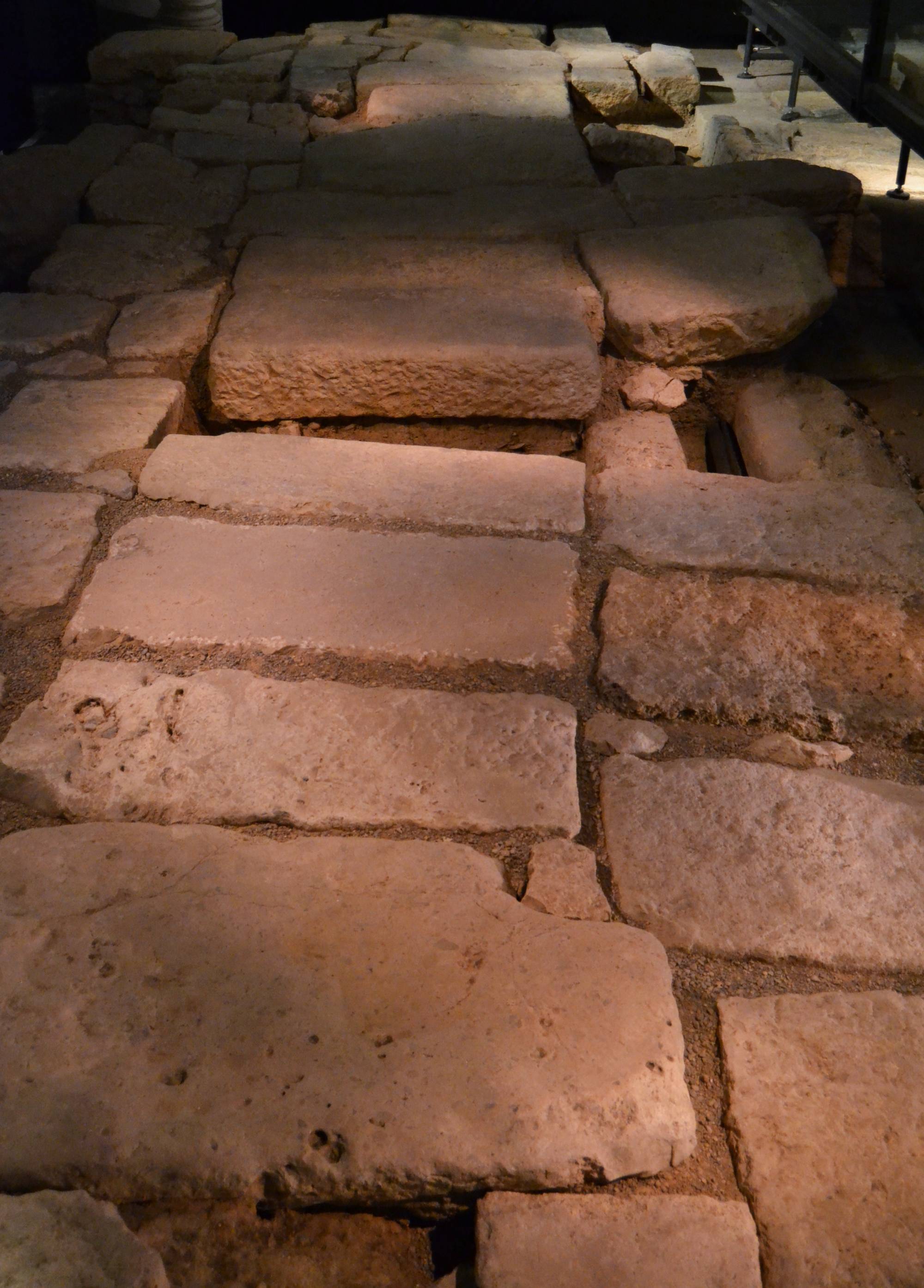
The municipal account of the Agustín Lara discoveries linked them with tombs uncovered on Constitución avenue in 1995. That earlier excavation had already established the presence of Roman funerary remains in the neighbourhood. The five burials reported in 2024 extend the documented evidence available from subsequent building work.
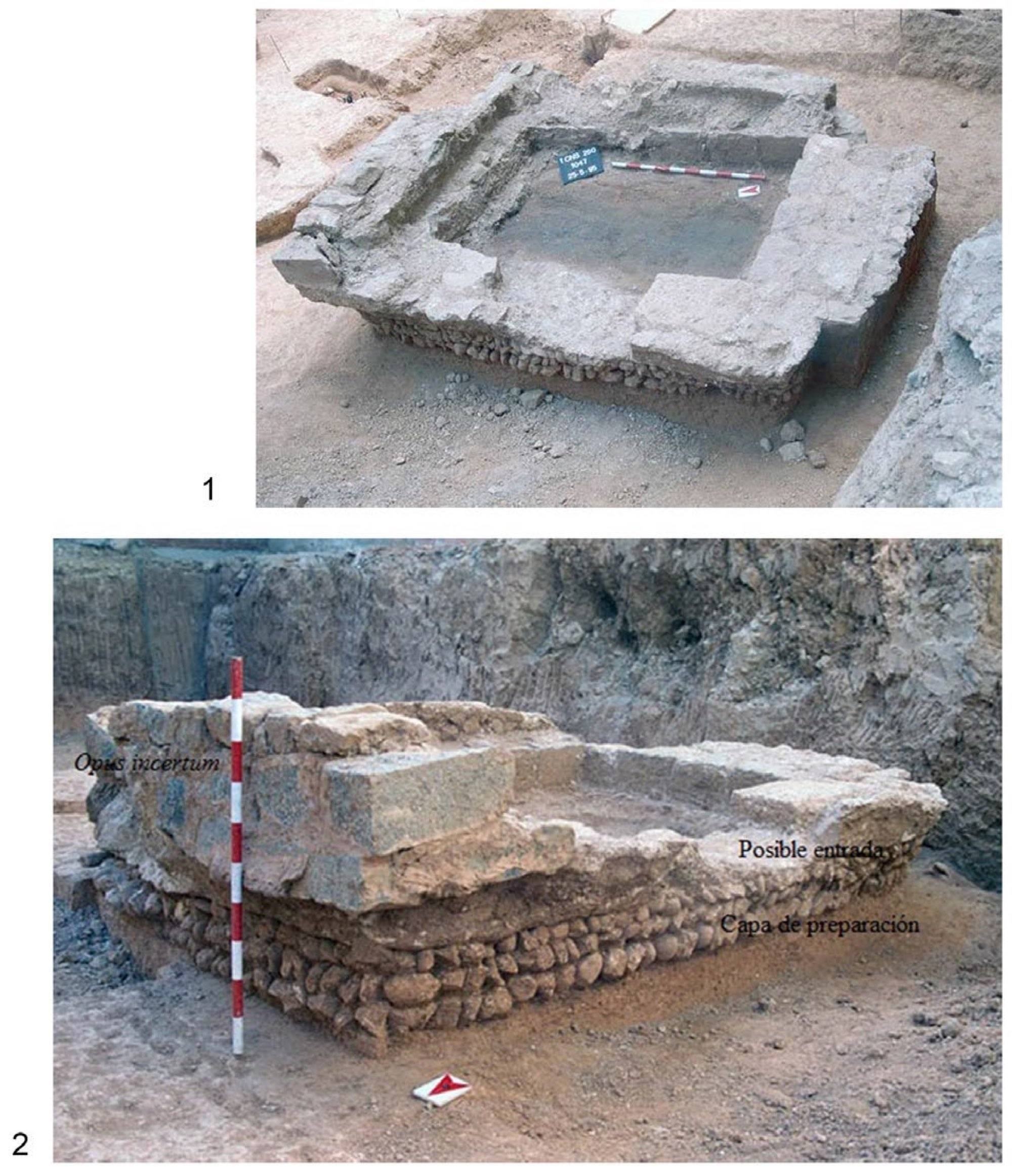
The older Orriols mausoleum also belongs to a period of change in Valentia’s cemeteries. The archaeological synthesis describes continued use at La Boatella, the end of use at the western cemetery north of Quart street after the third century, and the appearance of later funerary sites beside the Via Augusta.
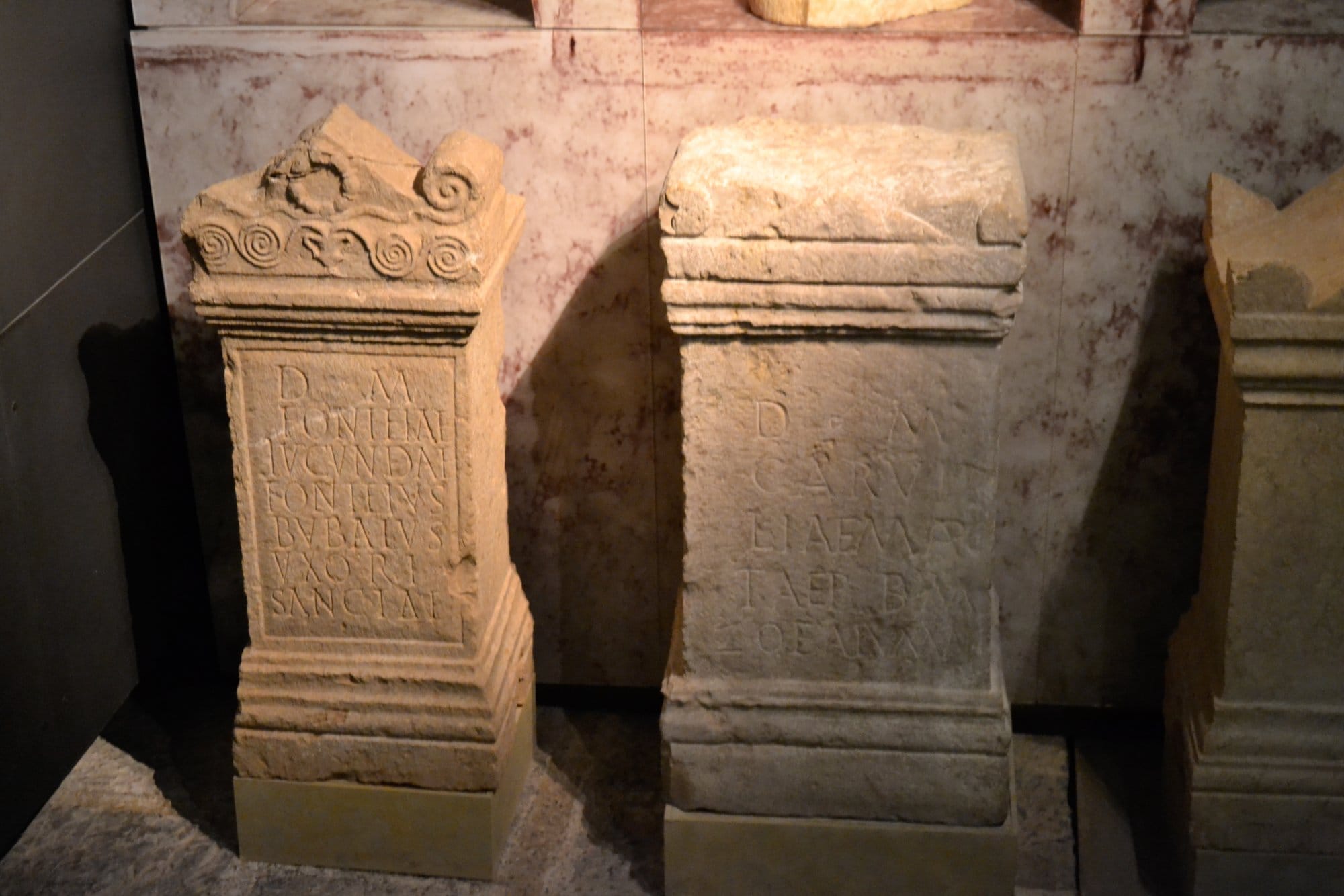
At Orriols, the fourth-century mausoleum and its burials were interpreted as retaining pagan traditions. A separate cemetery at La Roqueta, also beside the road, had a Christian character. These local differences sit within the broader history of Roman funeral rites and burial practices, which varied across communities and periods.
A wartime shelter changes the building plan
The other major structure identified during the project is an air-raid shelter from the Spanish Civil War. Metrovacesa reports that it was found during excavation for Nova Urbe II, the development’s second phase. Its preservation requires a different architectural response from the recording of individual graves and other archaeological deposits.
According to the developer, the shelter is classified as a Bien de Relevancia Local, a local heritage designation under Valencian cultural-heritage legislation. The company adapted its architectural project to retain the structure within the basement and says the scheme provides for its conservation and restoration.
The archaeological work and changes to the project have involved coordination with Valencia’s city council and the Generalitat Valenciana, the regional government. Metrovacesa puts the additional investment associated with the adaptations and archaeological intervention at approximately €1.9 million.
Housing above a layered archaeological site
Nova Urbe consists of two phases comprising 139 new homes. It forms part of the Agustín Lara integrated urban-development programme, which also includes work on streets and public space. Metrovacesa reports that the urbanisation works incorporated 864 square metres (approximately 9,300 square feet) of green space.
The development has proceeded with specialist archaeological monitoring because Orriols is designated an archaeological surveillance area. The developer says this work has allowed the remains encountered during excavation to be documented and catalogued, with their treatment coordinated with the responsible public authorities.
The current preservation plan retains the air-raid shelter within the new building, while the Roman burials join the archaeological record of the Via Augusta’s surroundings. Public access to the shelter remains unconfirmed in the November reporting. The company’s announced scheme therefore combines new housing and public space with the continued presence of a protected wartime structure beneath the residential building.


About the Roman Empire Times
See all the latest news for the Roman Empire, ancient Roman historical facts, anecdotes from Roman Times and stories from the Empire at romanempiretimes.com. Contact our newsroom to report an update or send your story, photos and videos. Follow RET on Google News, Flipboard and subscribe here to our daily email.
Follow the Roman Empire Times on social media: