
Antonius Musa: The Doctor Who Saved Augustus
When Augustus fell dangerously ill in 23 BC, Antonius Musa resorted to an unconventional treatment. His success brought him extraordinary honours, but another patient from the imperial family would prove less fortunate.

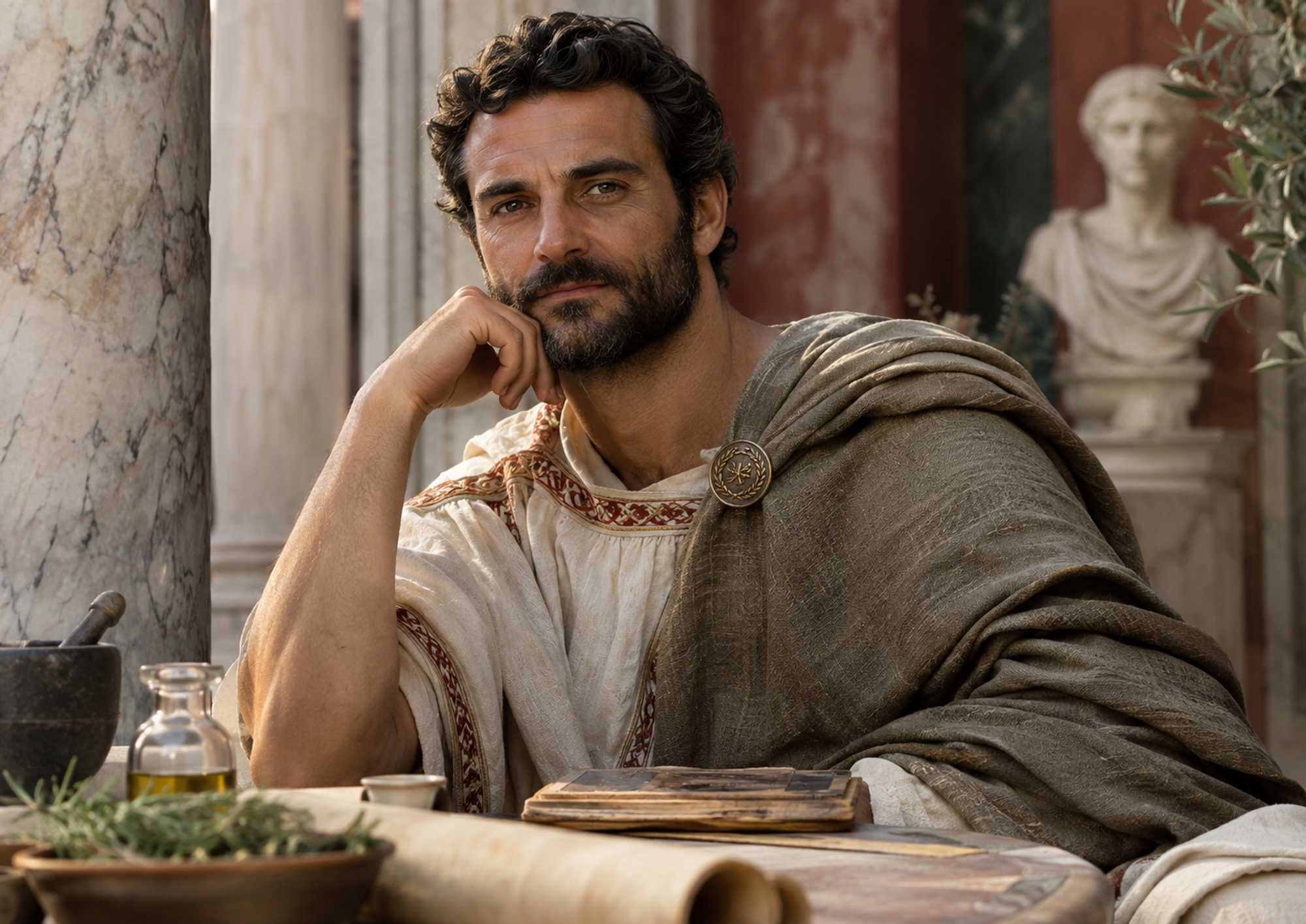
In 23 BC, barely four years after receiving the title Augustus, Rome's first emperor believed he was about to die. His health had deteriorated so dramatically that he summoned the magistrates and leading members of the Senate and equestrian order to discuss the affairs of the state. He entrusted his fellow consul, Calpurnius Piso, with a record of Rome's military forces and public revenues, while his trusted associate Marcus Agrippa received his personal signet ring.
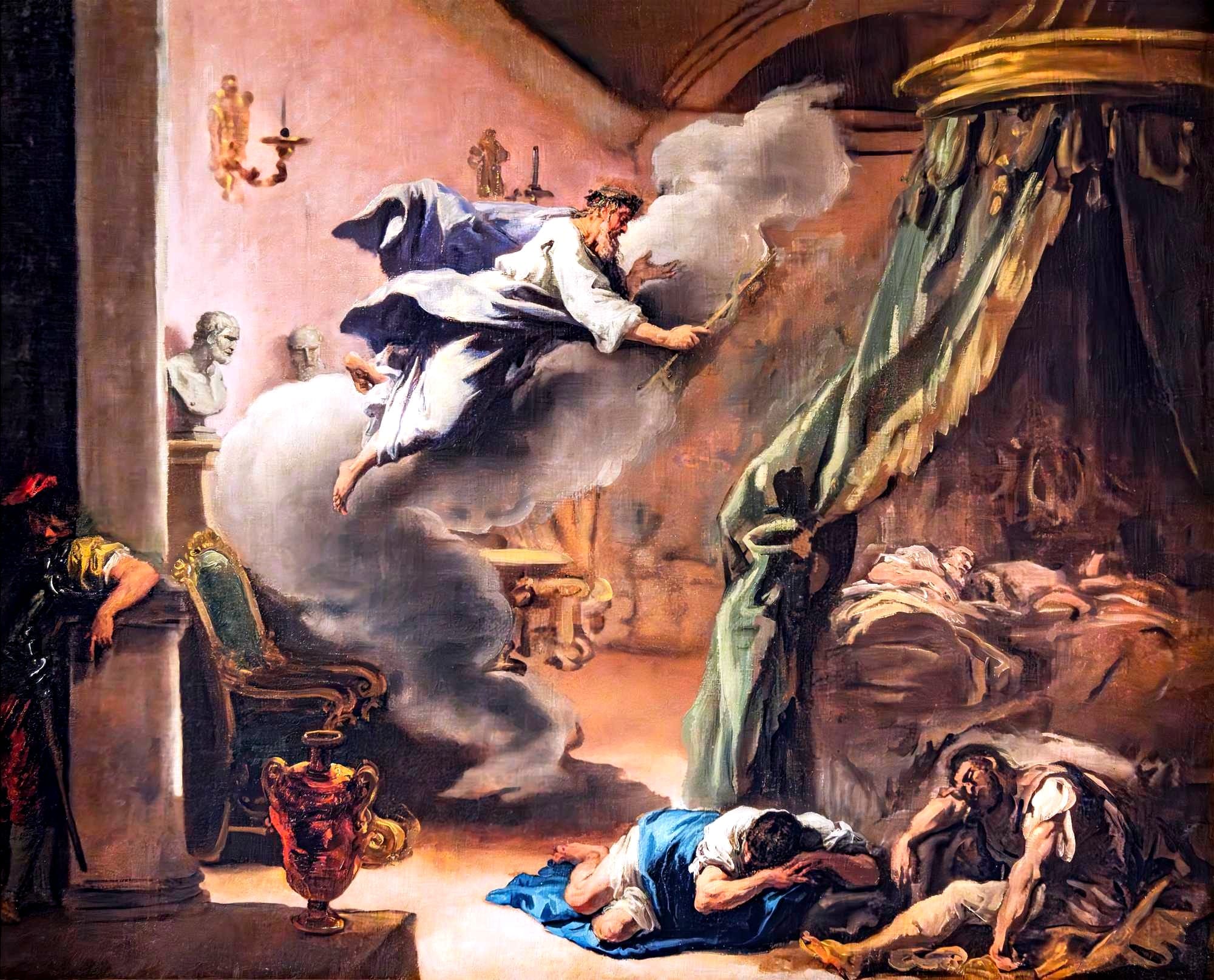
Although many expected Augustus to designate his nephew Marcellus as his successor, he made no such appointment. The future of the political order established after the civil wars was uncertain, and the man upon whom it depended had become incapable of attending even to the most urgent matters. Previous medical treatments had failed, but a physician named Antonius Musa proposed a radically different approach involving cold baths and cold drinks.
Augustus recovered, and Musa became one of the most celebrated physicians of his generation. His achievement brought him wealth, extraordinary privileges and a public monument, but another illness within the imperial family would soon confront him with a very different outcome.
From Greek Medicine to the Imperial Household
Little is known about the early life of Antonius Musa. Cassius Dio describes him as a freedman, but his origins and the circumstances of his early career remain unknown. His Roman family name, Antonius, has been associated with the possibility that he once belonged to the household of Mark Antony, although the precise connection is unknown.
Musa practised medicine within the tradition of Asclepiades of Bithynia, a Greek physician whose therapeutic methods had gained considerable attention in Rome. Asclepiades developed a medical system that differed from the traditional explanation of disease through disturbances of the bodily humours. He understood the body as composed of minute particles moving through passages, with illness arising when their normal movement was disrupted.
Treatment was intended to restore the proper condition of the body. Asclepiades employed dietary regulation, exercise, massage, bathing and carefully selected medicinal substances, adapting his methods to the patient's condition. Both warm and cold water had therapeutic applications, and the temperature of a bath or drink was determined by the effect the physician wished to achieve.
Musa shared this medical tradition with his brother Euphorbus, who became the personal physician of Juba II, king of Mauretania and husband of Cleopatra Selene, the daughter of Mark Antony and Cleopatra VII. While one brother served Rome's emperor, the other practised at a North African royal court renowned for its intellectual and scientific interests.
Pliny the Elder credits the two brothers with introducing the practice of applying copious quantities of cold water to the body after bathing. The treatment was intended to counteract the relaxing effect of warm water and restore the body's firmness.
Euphorbus achieved a lasting distinction of his own through his association with a medicinal plant found in the Atlas Mountains. Juba named the plant after his physician and composed a short treatise describing its properties. The substance became widely used in ancient pharmacology, and the physician's name survives today in the botanical genus Euphorbia.
When Warm Treatments Failed
Augustus had experienced numerous health problems long before the crisis of 23 BC. During the Cantabrian War in northern Hispania, his condition became so serious that he withdrew to Tarraco and left the continuation of military operations to his commanders. Further illness delayed his return to Rome, and he was unable to attend the wedding of his daughter Julia to Marcellus in 25 BC.
The illness that subsequently threatened his life involved an affliction of the liver. Warm applications had failed to improve his condition, and Musa recommended that the previous treatment be reversed.
Suetonius describes the decision in his biography of Augustus:
“Since hot fomentations gave him no relief, he was led by the advice of his physician Antonius Musa to try cold ones.” Suetonius, Life of Augustus, 81.1
The treatment was consistent with the medical principles Musa had inherited from Asclepiades. Rather than continuing with applications that had proved ineffective, he employed their opposite. Cassius Dio's account indicates that the treatment included both cold bathing and the consumption of cold liquids.
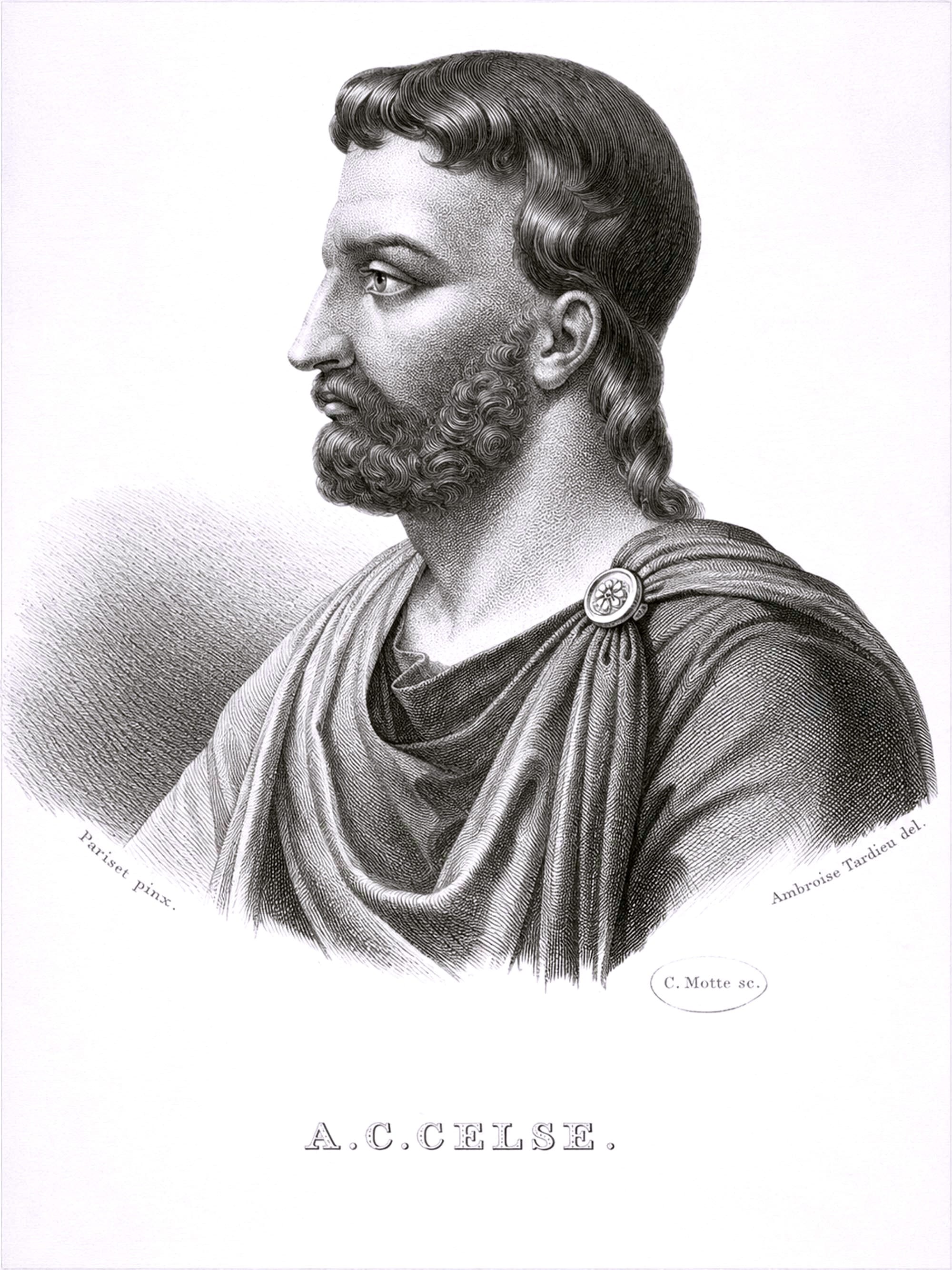
The approach was sufficiently unusual for Suetonius to describe it as hazardous. Several decades later, the medical writer Aulus Cornelius Celsus recommended warm bathing for patients suffering from liver abscesses and advised against exposure to cold. Even after the celebrated recovery of Augustus, the use of cold water for such complaints did not become universally accepted medical practice.
In this particular instance, however, Augustus recovered. The success of the treatment established Musa's reputation and helped popularise cold-water therapy among the Romans.
A Statue Beside the God of Medicine
The rewards bestowed upon Antonius Musa were extraordinary, particularly for a man whom Cassius Dio identifies as a former slave. Both Augustus and the Senate presented him with considerable sums of money, and he received the privilege of wearing gold rings, an important distinction associated with elevated social standing in Roman society.
The benefits of his achievement extended beyond Musa himself. According to Dio, he received exemption from taxation for himself and his fellow physicians, including those who would practise medicine in future generations.
Physicians had already benefited from the patronage of Julius Caesar, who granted Roman citizenship to those practising medicine in Rome, as well as to teachers of the liberal arts. The privileges associated with Musa's success represented another significant development in the recognition of the profession.
Perhaps the most remarkable honour was the erection of a statue financed through collective contributions. Suetonius records that:
“A sum of money was raised and Musa's statue set up beside that of Aesculapius.” Suetonius, Life of Augustus, 59.1
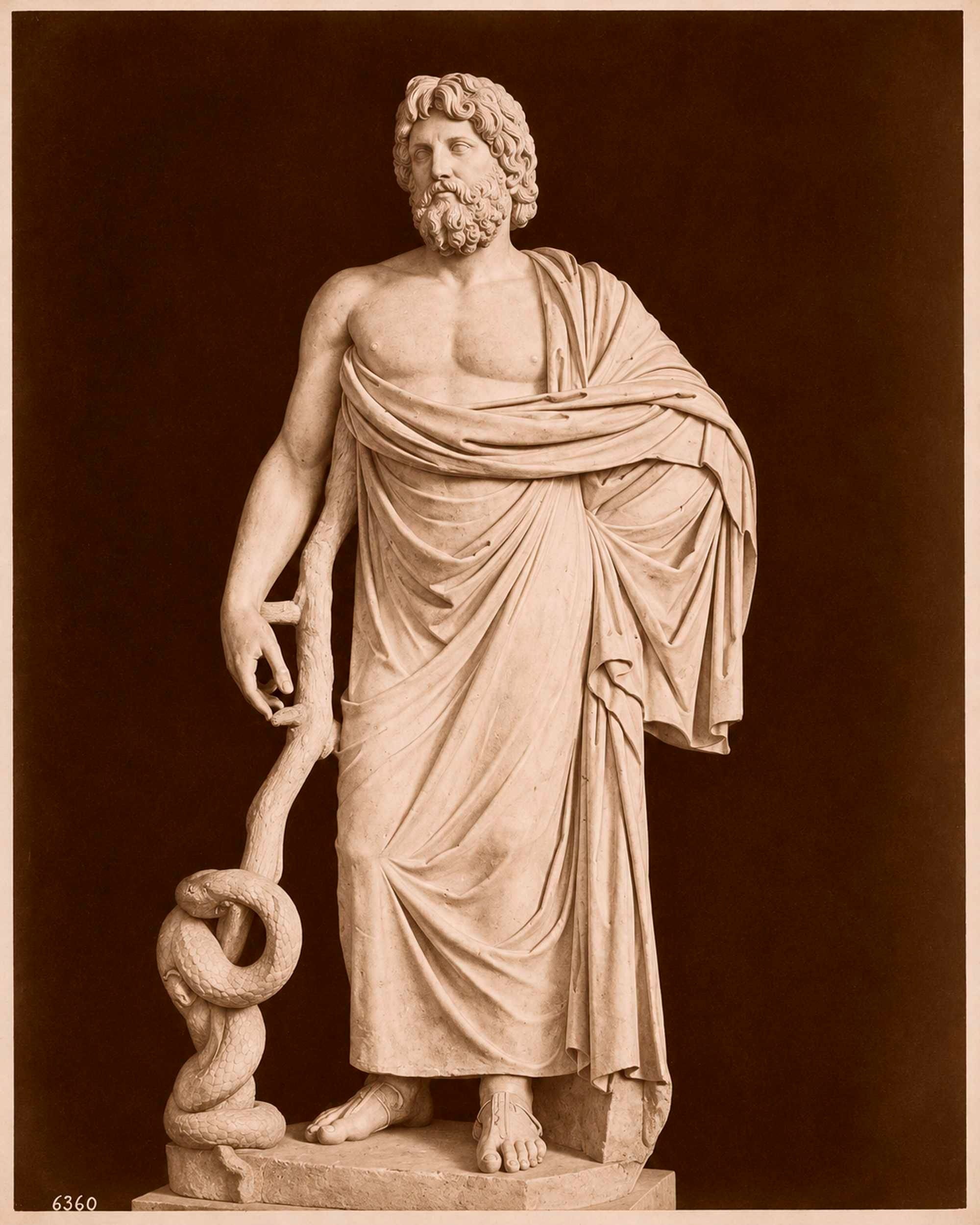
Asclepius, known to the Romans as Aesculapius, was the god of medicine and healing. The placement of Musa's statue alongside his image was an exceptional public tribute to a living physician.
The survival of Augustus mattered to far more people than his immediate household. The monument acknowledged a medical achievement that had acquired considerable political and public significance, and Musa's name became inseparable from the emperor's recovery.
Looking After a Chronically Ill Emperor
The events of 23 BC were the most celebrated episode of Musa's career, but the medical care of Augustus involved considerably more than treating an isolated illness. The emperor experienced recurrent health problems throughout his life and adopted a daily routine adapted to his physical limitations.
Suetonius describes a man who was particularly sensitive to changes in temperature. Augustus experienced recurring abdominal discomfort at the beginning of spring, suffered from congestion during certain weather conditions and frequently felt unwell around the time of his birthday.
During winter, he protected himself with several layers of clothing, including four tunics beneath a thick toga, a woollen garment and coverings for his legs. Even the winter sun troubled him, and he wore a broad-brimmed hat when walking outdoors.
His physical exercises changed considerably over the course of his life. After the civil wars, Augustus abandoned military exercises involving weapons and horses and turned instead to ball games. Later, riding and walking became his preferred forms of exercise, and he would sometimes finish his walks with a series of small jumps while wrapped in a blanket or cloak.
Travelling was similarly adapted to his physical condition. He preferred journeys by litter, often travelling slowly at night and dividing relatively short distances into several stages. Whenever practical, he travelled by sea.
Bathing also required particular care. Augustus frequently had his body anointed with oils, sometimes perspired beside a fire and subsequently had himself washed with lukewarm water or water heated by the sun.
When he experienced complaints affecting his muscles and joints, he used warm saltwater and the sulphurous springs of Albulae. Rather than immersing his entire body, he sat on a wooden bathing seat and placed his hands and feet in the water alternately. He referred to the seat by the Hispanic word dureta.
These practices closely resemble the regulated lifestyle advocated within the medical tradition followed by Musa. They involved moderate physical activity, controlled exposure to heat and cold, rest and adjustments to the patient's physical circumstances, rather than dependence upon a single therapeutic method.
Augustus also preferred relatively simple food. Despite the elaborate dinners served in his household, he was particularly fond of coarse bread, small fish, cheese and fresh figs. When thirsty between meals, he sometimes ate bread soaked in cold water, watermelon, fresh fruit or lettuce stalks instead of drinking. Lettuce itself was associated with another celebrated episode in Musa's medical career.
The Physician Who Prescribed Lettuce
Pliny the Elder recounts that Augustus had once been forbidden to eat lettuce by his previous physician, Gaius Aemilius. Antonius Musa reversed this recommendation, and the emperor reportedly recovered from his illness after consuming the vegetable.
The incident illustrates another occasion on which Musa departed from the treatment recommended by a fellow physician. The date and nature of this illness are unknown, and Pliny does not associate it specifically with the cold-water treatment of 23 BC.
Lettuce possessed several qualities valued by ancient physicians. It was considered cooling, particularly suitable for consumption during summer, and was believed to relieve digestive discomfort and stimulate the appetite. Its medicinal properties were consistent with treatments intended to counteract excessive bodily heat.
The recommendation proved so influential that lettuce acquired considerable popularity. According to Pliny, a method was devised for preserving it in oxymel, a preparation of honey and vinegar, allowing it to be consumed during months when it was not normally available.
Augustus himself also recorded another successful treatment involving a medicinal plant. In a letter quoted by Pliny, he stated that he had recovered his health through the consumption of bitter vetch, a plant regarded in ancient medicine as possessing warming properties.
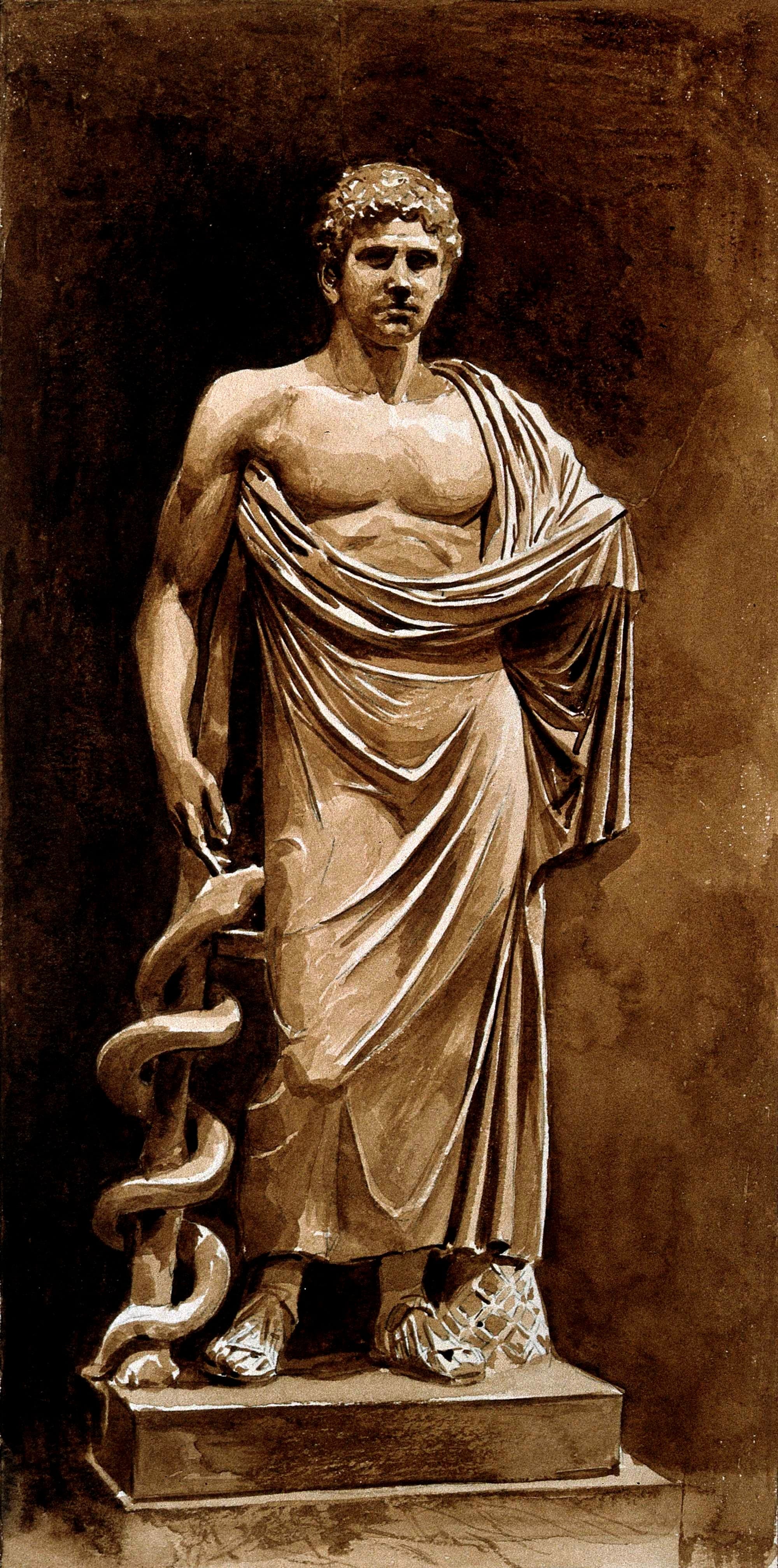
Musa's most famous achievement involved cold water, but his knowledge also extended to nutrition, medicinal plants and pharmaceutical preparations. His approach to treatment encompassed a variety of remedies adapted to the patient's condition.
The Patient He Could Not Save
The same year that Antonius Musa achieved his greatest success brought another medical crisis within the imperial family. Marcus Claudius Marcellus was the son of Augustus' sister Octavia and had married the emperor's daughter Julia. His relationship with Augustus, together with the exceptional honours bestowed upon him at a young age, encouraged expectations that he might eventually succeed his uncle.
Following his recovery, Augustus supported Marcellus in the organisation of magnificent public games during his tenure as aedile. The young man appeared to have a promising political future, but before the end of 23 BC he fell seriously ill.
Antonius Musa treated Marcellus using the same approach that had previously saved Augustus. This time, the patient died. Cassius Dio places the unsuccessful treatment immediately after his account of Musa's rewards:
“when Marcellus fell ill not long afterward and was treated in the same way by Musa, he died.” Cassius Dio, Roman History, 53.30.4
The nature of Marcellus' illness is unknown. His death occurred during a particularly unhealthy period in Rome and Italy, when widespread disease claimed numerous lives. Dio also records that suspicions arose concerning Livia, whose sons had been overshadowed by the prominence of Marcellus, although the historian also notes the widespread mortality caused by illness that year.
Nothing in the surviving accounts establishes that Musa deliberately harmed Marcellus or that the treatment itself caused his death. The physician's inability to save the young man nevertheless became part of the historical account of his career.
Augustus honoured his nephew with a public funeral and placed his remains in the mausoleum he had constructed for his family. The theatre bearing Marcellus' name subsequently became one of Rome's most prominent public monuments.
Musa's reputation, however, did not disappear with the death of Marcellus. Among those who continued to follow his medical recommendations was one of the greatest poets of the Augustan age.
Horace and the Displeasure of Baiae
The poet Horace provides a rare contemporary glimpse into Musa's medical practice. In the fifteenth poem of his first book of Epistles, addressed to a friend named Vala, he discusses his plans to spend time in southern Italy.
Baiae, situated on the Bay of Naples, was celebrated for its warm mineral springs and sulphurous baths. Its popularity among wealthy Romans made it an attractive destination for those seeking both medical treatment and recreation. For Horace, however, Musa's recommendations had made his usual resort unsuitable.
As the poet explains:
“For Antonius Musa makes Baiae useless to me, and yet puts me in ill favour there, now that in midwinter I drench myself in cold water.” Horace, Epistles, 1.15
Horace humorously imagines the inhabitants of Baiae complaining that their myrtle groves were being abandoned and their sulphur baths, traditionally valued for relieving lingering physical complaints, were being neglected. Patients were instead visiting colder regions and exposing themselves to cold spring water.
Following Musa's advice, Horace considered travelling to Velia or Salernum. He asked Vala about their winter climates, inhabitants, roads and supplies of drinking water, but medical considerations were not his only concern.
The poet also wanted to know which region offered the better food, where he might find good wine and which coastal waters contained more fish and sea urchins. He hoped to return home well-fed, comparing himself to the pleasure-loving Phaeacians of Greek mythology.
The letter provides an unusually personal account of an ancient physician's influence upon the everyday decisions of his patients. Musa's instructions could determine where a man travelled, which bathing establishments he visited and how he spent his winter.
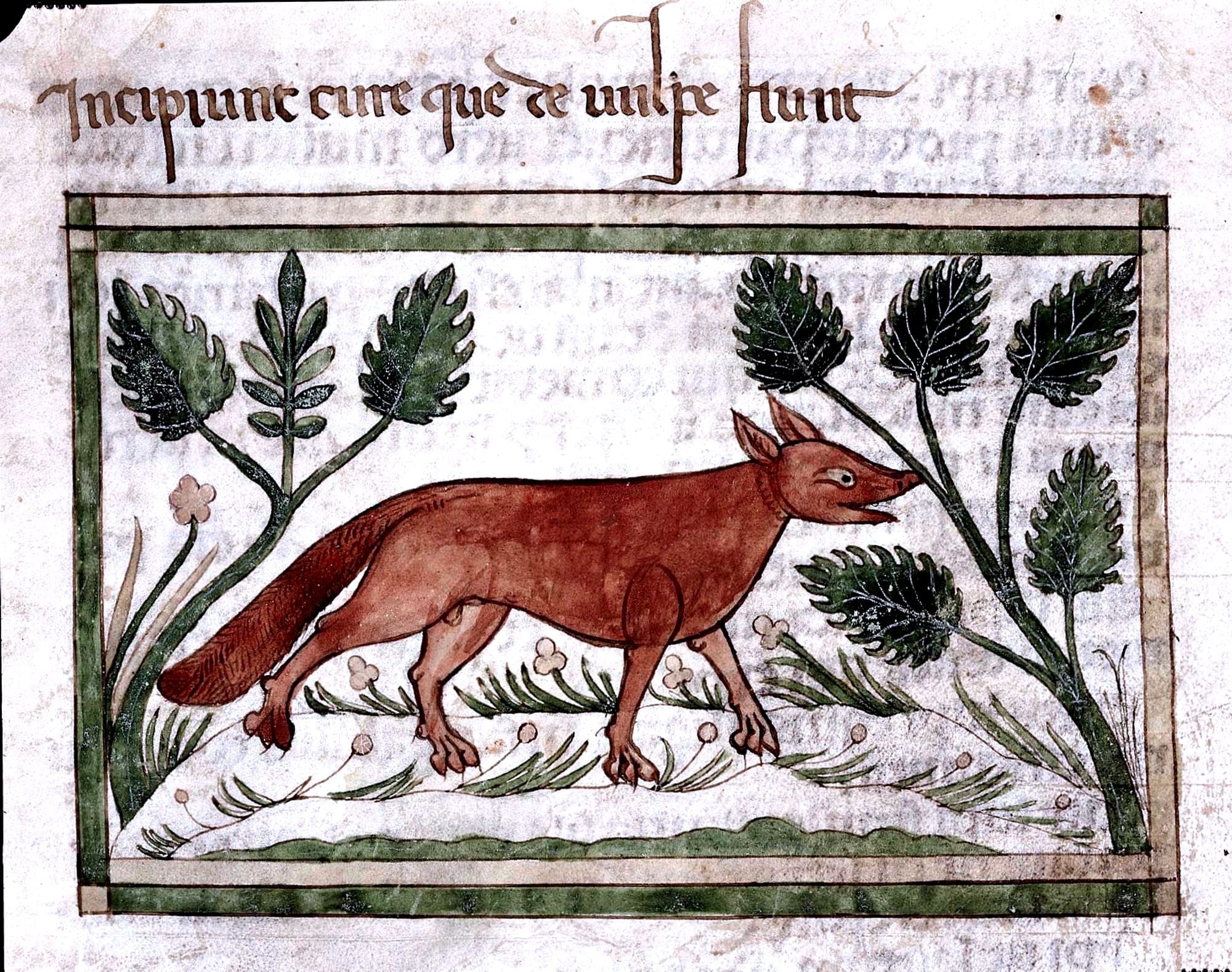
The popularity of cold bathing continued beyond Musa's generation. Pliny describes a later physician, Charmis of Massilia, who persuaded wealthy Romans to immerse themselves in cold water even during the winter frosts. What had once appeared to be a hazardous departure from conventional treatment had become fashionable.
Beyond Baths and Lettuce
Antonius Musa was also an accomplished pharmacologist. Although no authentic medical treatise written by him has survived intact, several preparations bearing his name were preserved by physicians who practised during the following centuries.
Among the most valuable testimonies is that of Scribonius Largus, a Roman physician associated with the reign of Claudius. In his collection of pharmaceutical preparations, the Compositiones, Scribonius describes a dry medicinal compound explicitly attributed to Antonius Musa.
The preparation contained seven ingredients: aloe, saffron, cinnamon, Syrian spikenard, asarabacca, balsam wood and mastic from the island of Chios. These substances were crushed together, and the resulting compound was stored in a glass container before being administered with water.
Scribonius recommended the preparation for abdominal swelling, stomach pain and loss of appetite. It was also intended to stimulate urination and relieve complaints associated with dropsy, hardening of the liver and jaundice.
The compound continued to circulate for centuries. Marcellus Empiricus, writing in Late Antiquity, preserved the preparation under Musa's full name, demonstrating the transmission of pharmaceutical knowledge across successive generations of medical writers.
Further remedies attributed to Antonius Musa appear in the pharmaceutical works of Galen. They include preparations intended for respiratory complaints, persistent coughing, loss of voice and disorders involving the liver and kidneys.
One treatment for persistent coughing was associated with a patient named Proxenos, offering another rare trace of Musa's medical practice beyond the imperial household. Remedies for eye complaints and excessive eyebrow growth also appear among the preparations transmitted under his name.
Pliny associates Musa with the medicinal use of adder's flesh, another indication of the diversity of substances employed in ancient pharmacology. His medical repertoire was not confined to vegetable preparations, dietary recommendations or bathing.
The transmission of these recipes was complicated by the existence of other ancient physicians bearing similar names, particularly Petronius Musa. Pharmaceutical preparations attributed simply to a physician named Musa cannot all be assigned securely to Augustus' physician. Those preserved under his full name nevertheless demonstrate the considerable range of remedies associated with his medical practice.
The Physician Whose Name Survived the Centuries
The circumstances and date of Antonius Musa's death are unknown. His reputation nevertheless survived through historical accounts, medical compilations and pharmaceutical traditions long after the disappearance of his original work.
His fame eventually led to the appearance of medical treatises falsely attributed to him. One concerned the preservation of health and was addressed to Maecenas, the celebrated patron of Augustan literature. Another, De herba vettonica, dealt with the supposed medicinal properties of betony and was presented as a work associated with Augustus' physician.
The latter treatise may have been composed as late as the fourth century AD. It contained 47 numbered sections describing preparations intended to treat a remarkable range of ailments, from headaches and digestive disorders to wounds, respiratory complaints and fevers. Betony was even credited with the ability to protect people from frightening apparitions and supernatural dangers.
The text subsequently circulated alongside other collections of herbal remedies throughout medieval Europe. Its influence reached Anglo-Saxon England, where a partial translation into Old English preserved numerous preparations attributed to the celebrated Roman physician.
Centuries after the fall of the Western Roman Empire, medicinal texts continued to invoke the name of Antonius Musa. Readers who knew little about the political circumstances of 23 BC could still encounter the physician of Augustus in manuscripts devoted to the treatment of everyday illnesses. The reputation he had acquired at the bedside of Rome's first emperor had become part of a medical tradition that extended far beyond the world in which he had lived.
Markwart Michler (1993), Principis medicus: Antonius Musa. Aufstieg und Niedergang der römischen Welt, II.37.1.
Sébastien Barbara (2014), “Memorial” Strategies of Court Physicians in the Imperial Period. In Brigitte Maire (ed.), ‘Greek’ and ‘Roman’ in Latin Medical Texts.
Antoine Pietrobelli (2014), The Pharmacological Treatise Περὶ εὐφορβίου of Juba II, King of Mauretania. In Brigitte Maire (ed.), ‘Greek’ and ‘Roman’ in Latin Medical Texts.
Ralph Jackson (1990), Waters and Spas in the Classical World. Medical History, Supplement 10.
Klaus-Dietrich Fischer (2020), A Most Sovereign Herb: Pseudo-Antonius Musa on Betony. Cuadernos de Filología Clásica. Estudios griegos e indoeuropeos, 30.
Cassius Dio, Roman History, Book 53.
Suetonius, Life of Augustus and Life of Julius Caesar.
Pliny the Elder, Natural History.
Horace, Epistles, Book I.
Aulus Cornelius Celsus, De Medicina
Scribonius Largus, Compositiones.
Galen, pharmaceutical writings (through Michler).
Marcellus Empiricus, De Medicamentis (through Michler).
About the Roman Empire Times
See all the latest news for the Roman Empire, ancient Roman historical facts, anecdotes from Roman Times and stories from the Empire at romanempiretimes.com. Contact our newsroom to report an update or send your story, photos and videos. Follow RET on Google News, Flipboard and subscribe here to our daily email.
Follow the Roman Empire Times on social media: