
Roman Empire Anecdotes
How a Roman Emperor Answered His Mail
Roman emperors received petitions, reports, legal questions and requests from across the Empire. Here is how that imperial correspondence actually worked.

Roman Empire Anecdotes
Roman emperors received petitions, reports, legal questions and requests from across the Empire. Here is how that imperial correspondence actually worked.
Roman Empire Anecdotes
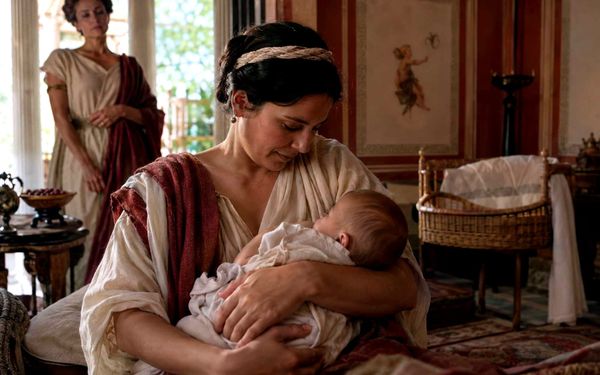
Roman wet nurses did far more than feed infants. They could shape a child’s speech, habits and earliest education, while sometimes remaining part of their lives for decades.
Roman Empire Anecdotes
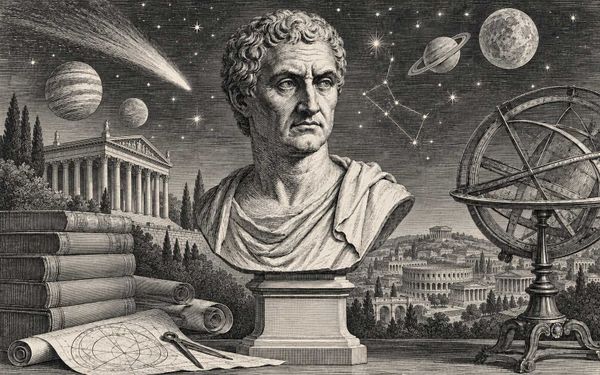
Roman astronomy was shaped by soldiers, statesmen, poets and natural philosophers who studied eclipses, stars, planets, calendars and comets.
Roman Empire Anecdotes
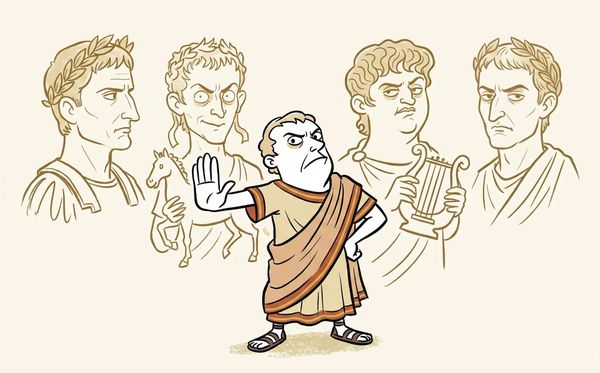
From Thrasea Paetus and Helvidius Priscus to Basil, Ambrose and Martin of Tours, six men were remembered for refusing imperial demands. Their stories reveal very different forms of resistance; and very different levels of historical certainty.
Roman Empire Anecdotes
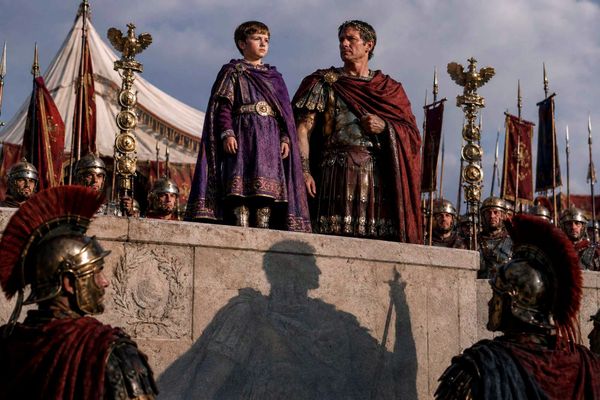
Raised to the rank of Augustus at just eight years old, Gratian spent his reign trying to grow into the military and political role his father had prepared for him.

Roman Empire Historical Facts
The rudis marked a gladiator’s release from compulsory service in the arena, but it did not always mean legal freedom. From training weapon to retirement award and referee’s staff, its meaning reveals much about gladiatorial careers, status and life after combat.
Roman Empire Historical Facts
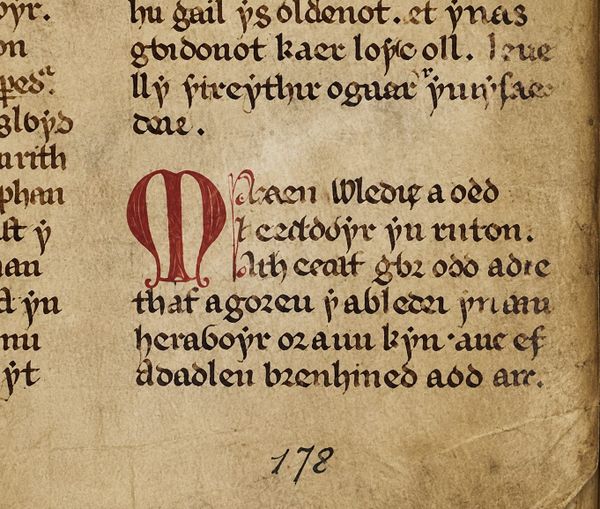
A Roman commander in Britain rose to imperial power in 383, ruled from Trier, challenged the western emperors, and later survived in Welsh tradition as Maxen Wledig.
Roman Empire Historical Facts
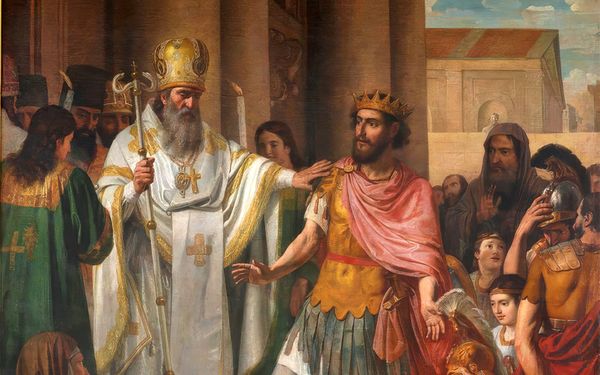
Theodosius I inherited an empire shaken by Adrianople and ruled through Gothic settlement, civil war, religious conflict and dynastic change. His reign became surrounded by powerful later legends, but the surviving laws, letters and histories preserve a more complicated emperor.
Roman Empire Anecdotes
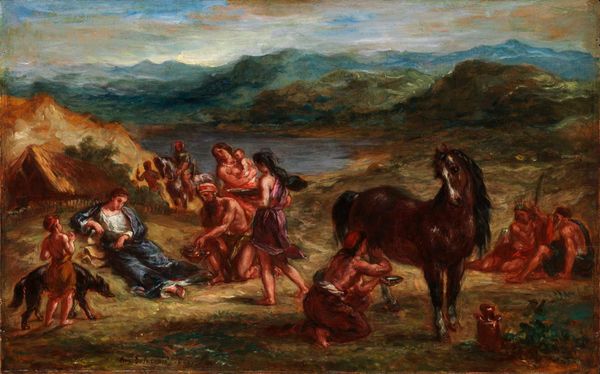
Exile in ancient Rome could mean escape, punishment, isolation or political survival. From Cicero to Ovid, Seneca and imperial prisoners, Roman exile took many forms.

Roman Empire Anecdotes
Romans had no single identity document. Names, census records, birth declarations, seals, witnesses and military diplomas could establish identity and legal status.
Roman Empire Anecdotes
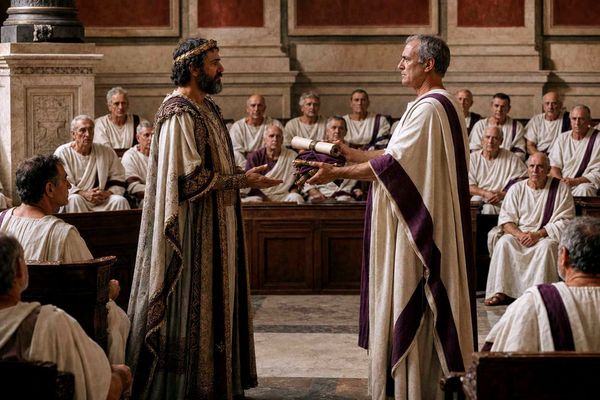
Rome often governed through allied kings rather than annexing their territories. The reigns of Massinissa, Deiotarus, and Herod show how this system operated.
Roman Empire Anecdotes
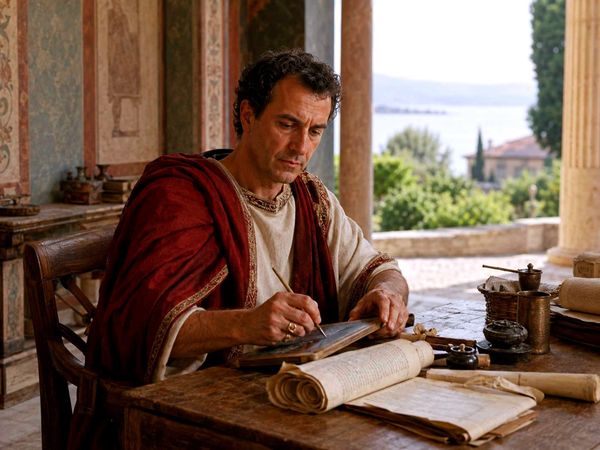
Sidonius Apollinaris lived through the passage from Roman to Visigothic Gaul. His letters preserve a world of villas, bishops, Gothic kings, Roman law, exile, and the fight to keep Latin culture alive.
Roman Empire Anecdotes
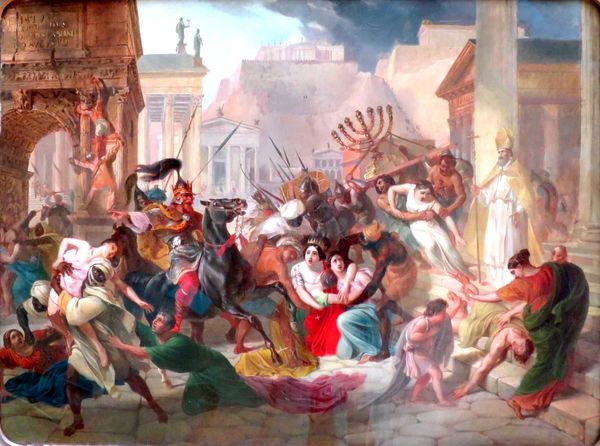
Petronius Maximus ruled the western Roman empire for only 77 days. His brief reign followed the murder of Valentinian III and ended just before Genseric’s Vandals entered Rome.
Roman Empire Historical Facts
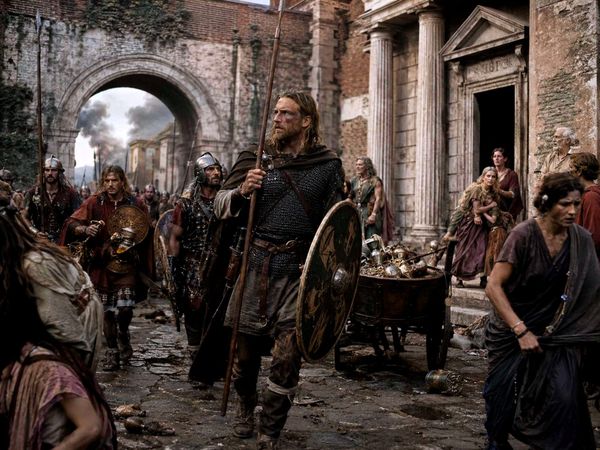
The result of years of failed negotiations between Alaric, his Goths, and the western imperial court, and not a sudden event, led to the sack of Rome in 410.
Roman Empire Anecdotes
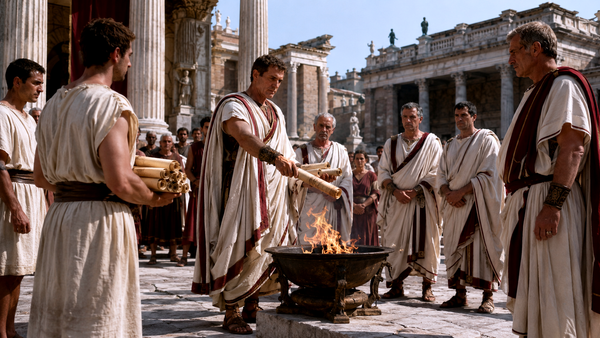
Ancient Rome did not burn books constantly. But when it did, the flames revealed what certain writings could do: authorize rites, predict the future, wound reputations, preserve memory, or prove dangerous truths.

Roman Empire Anecdotes
In AD 16, Libo Drusus was accused before the Senate in a case involving necromancy, astrology, informers, marked names, and fears around Tiberius’ rule.