
The Strange Necromancy Case of Libo Drusus in Ancient Rome
In AD 16, Libo Drusus was accused before the Senate in a case involving necromancy, astrology, informers, marked names, and fears around Tiberius’ rule.

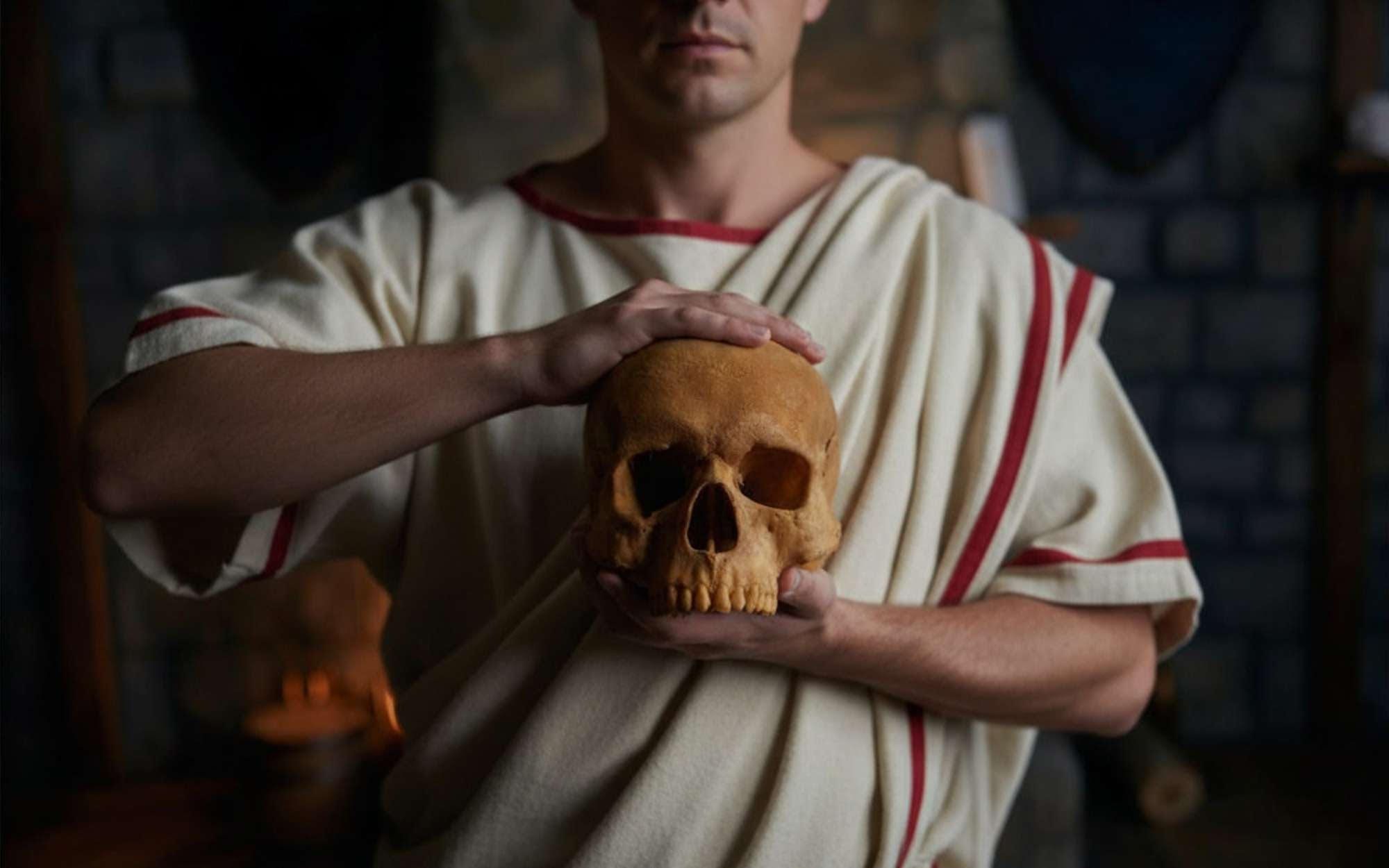
In September AD 16, while Rome was normally occupied with the Roman Games, the Senate was summoned to consider a case described as a matter of grave public danger. The accused was Libo Drusus, a young aristocrat from the Scribonian family, a man with an old name, powerful connections, and, according to the ancient evidence, hopes or fantasies that brought him too close to the politics of succession.
Before the trial reached its end, Libo was dead by his own hand. The case is one of the strangest episodes of Tiberius’ early reign. It involved astrologers, magicians, dream interpreters, a necromancer, informers, a marked list of names, frightened relatives, soldiers around a private house, and a Senate that continued to punish a man after his suicide.
Tacitus introduces the affair as more than an isolated scandal. He says that he will describe its beginning, progress, and end in some detail because it marked the discovery of a system that would, for many years, prey upon the commonwealth. In his telling, the trial of Libo Drusus is one of the first clear appearances of a darker political world: accusation, fear, and the profitable machinery of treason.
Yet the case is not simple. Ancient writers could present Libo as gullible, foolish, and inflated by aristocratic hopes. Seneca called him a young man
“as stupid as he was well born,”
with ambitions too high for his time and for himself. But the official response was severe: posthumous condemnation, penalties against his memory, public offerings, rewards for accusers, the expulsion of astrologers and magicians from Italy, and executions.
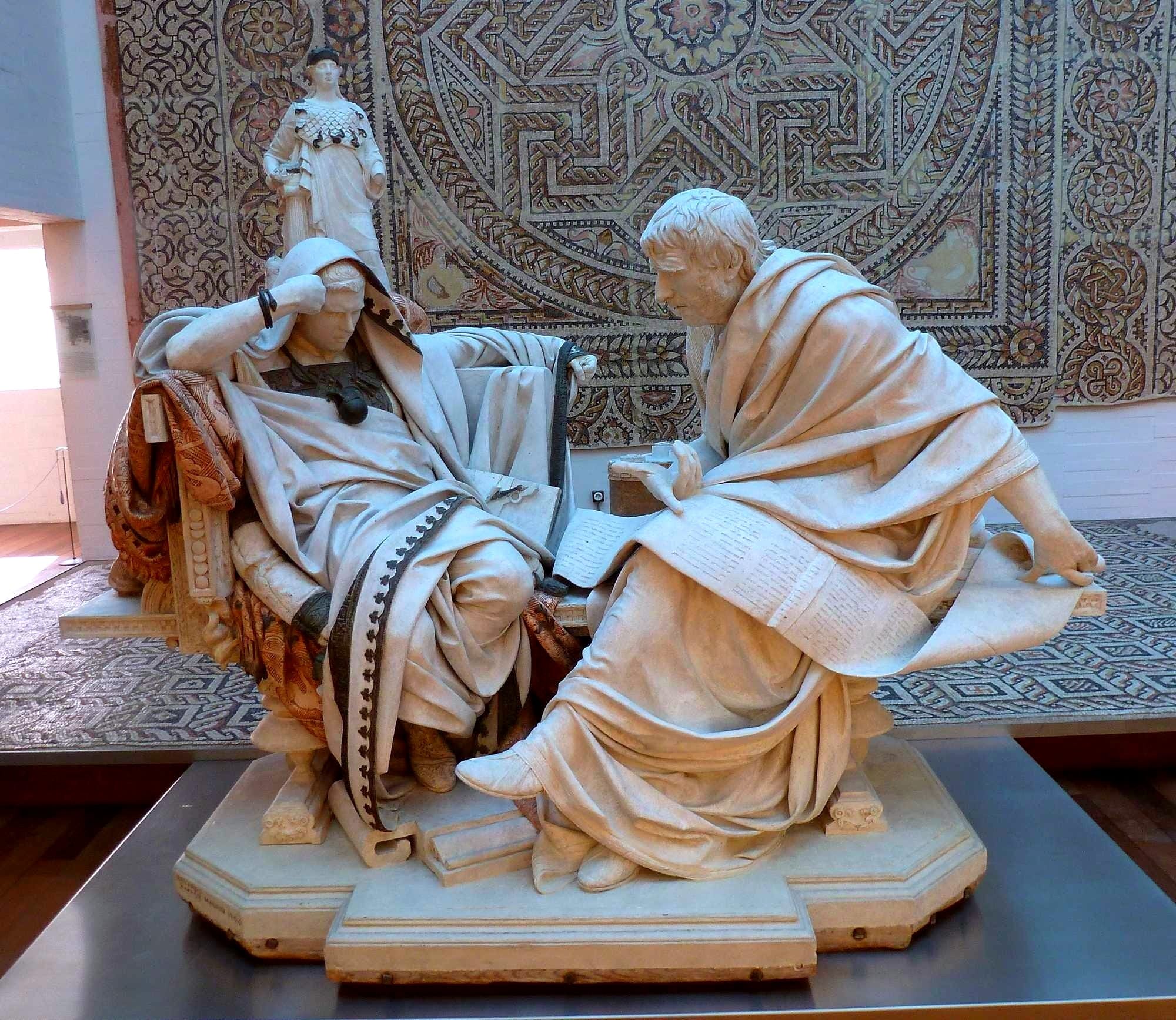
Modern scholarship has therefore treated the trial with caution. Some readings stress entrapment and the dark world of informers. Others argue that the government’s behaviour makes better sense if Libo was treated as a serious political danger, not merely as a ridiculous young nobleman dabbling in forbidden predictions.
The evidence does not allow a clean verdict on Libo’s guilt or innocence. What it does show is how, under Tiberius, noble ancestry, occult consultation, private ambition, and political suspicion could merge into treason.
A Noble Name Heavy with the Past
Libo was not a marginal figure. Tacitus identifies him as a member of the Scribonian family, and other ancient sources preserve his name in different forms. For the reader, the essential point is not the exact order of his names, but the world those names evoked.
He belonged to the Scribonii Libones, an old and distinguished family. Through family connections he stood close to Pompeian, Scribonian, Augustan, and Livian circles. Such connections mattered. In Rome, ancestry was not private decoration. It was political memory.
Tacitus says Firmius Catus, the friend who helped draw Libo into danger, reminded him of precisely these things: Pompey as an ancestor, Scribonia as a connection to Augustus, kinship with the Caesars, and a house filled with ancestral portraits.
The point was not subtle. In an aristocratic Roman house, ancestral images were public arguments. They said who a family had been, what honours it had held, and what place it could still imagine for itself.
A lesser man consulting astrologers about his future might have seemed ridiculous. A nobleman with Libo’s ancestry doing the same could look alarming. Under the Principate, the old nobility had not lost its meaning. Its danger had changed. Names that once suggested republican honour could now suggest alternative legitimacy, remembered factions, and possible centres of discontent.
This is why Libo’s background matters. It does not prove he was guilty. It explains why his behaviour could not easily be ignored.
The Friend Who Became an Informer
The case began, in Tacitus’ account, not with an open revolt, but with a friendship turned poisonous.
Firmius Catus was a senator and one of Libo’s closest friends. Tacitus presents him as pushing the young man toward the very things that would later be used against him: astrologers, magical rites, dream interpreters, luxury, and debt. He also reminded Libo of his ancestry and imperial connections.
This is one of the most revealing parts of the story. Catus does not simply discover danger. He helps make Libo’s danger legible. He encourages him, shares in his pleasures and debts, and gathers evidence.
The image is chilling because it presents accusation as cultivation. Libo is not only watched; he is drawn onward.
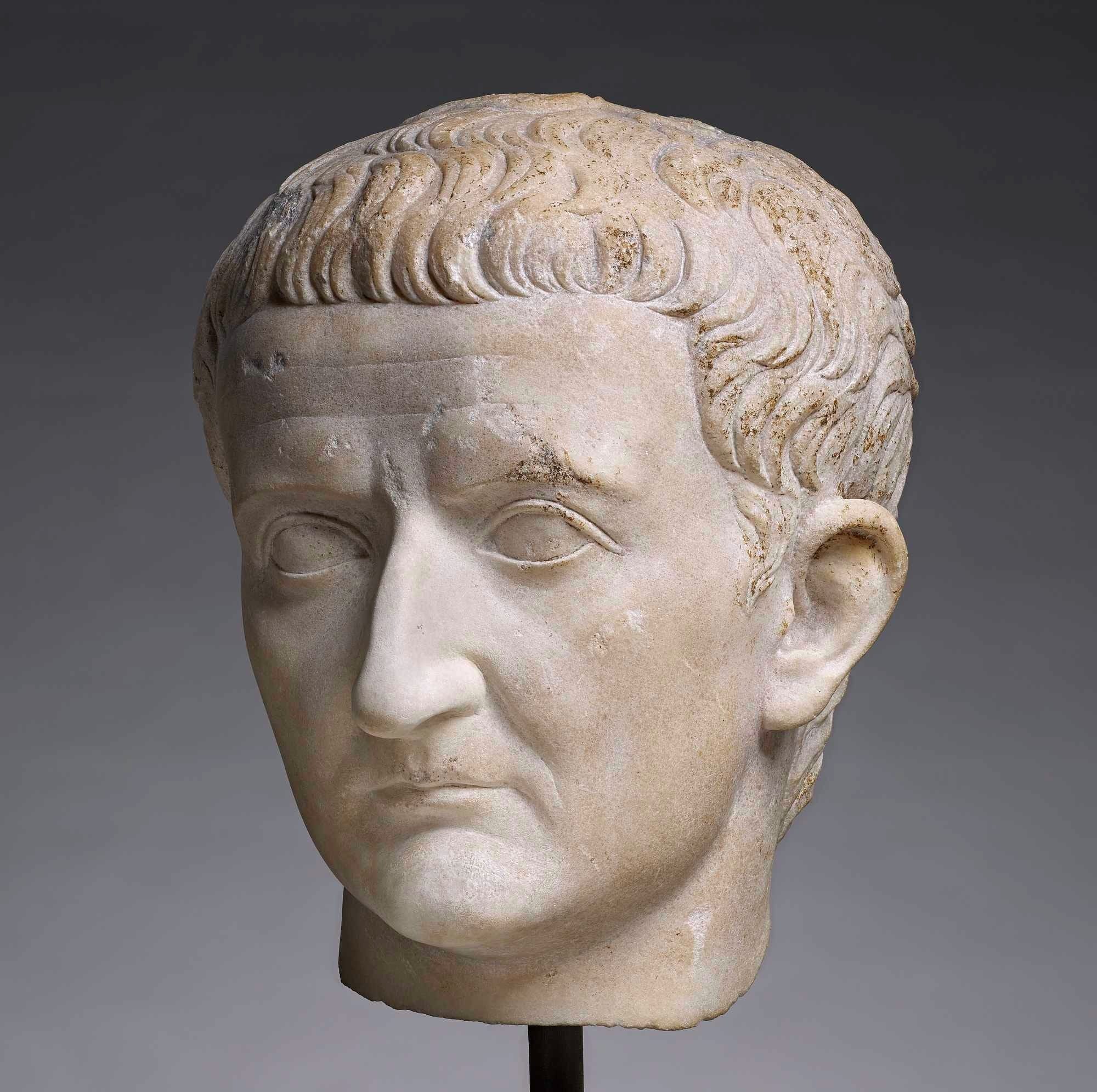
Catus then tried to bring what he had gathered to Tiberius through Vescularius Flaccus, a Roman knight close to the emperor. Tiberius declined a direct meeting with Catus, but he did not dismiss the information. Instead, he watched. He gave Libo a praetorship and invited him to dinner, while showing no visible anger.
That behaviour can be read in more than one way. It does not require Tiberius to be imagined as openly bloodthirsty from the beginning. He appears controlled, suspicious, and legalistic. He watches rather than immediately strikes. Yet that restraint did not make Libo safe. It meant the emperor preferred to know more. The friend had drawn the net. Others would tighten it
Astrology Was Not a Joke
The case moved from private suspicion to public crisis when a man named Junius claimed that Libo had asked him to raise the dead by incantations. Junius took the story to Fulcinius Trio, a prosecutor eager for notoriety.
Trio acted at once. Tacitus says he seized the accused, approached the consuls, and demanded a senatorial inquiry. The Senate was then summoned to deliberate on what was presented as a “great and terrible” matter.
To modern readers, the charges can sound absurd. Libo was said to have asked whether he would be wealthy enough to cover the Appian Road with money as far as Brundisium. Other accusations belonged to the same world of empty hopes, magic, prophecy, and aristocratic fantasy.
But that reaction risks missing the Roman setting. In early imperial Rome, questions about the future were not always harmless. To ask about rulers, heirs, deaths, power, or one’s own rise could become politically dangerous. Astrology and magic were not merely private curiosities when they touched the imperial house. The key evidence was not the ridiculous Appian Way question. It was a document.
Tacitus says that, on one paper, the accuser claimed mysterious or sinister marks had been added in Libo’s hand beside the names of members of the imperial family and several senators. That is the centre of the case.
A list of names could be terrifying if those names belonged to Caesars and senators. Were the marks predictions? Curses? Notes from an astrologer? Hopes for death? A coded plan? The sources do not tell us with certainty. Their uncertainty is part of their power.
Libo denied the handwriting. The prosecution pressed the point. His slaves were then sold to the treasury agent so they could be interrogated, because an older decree restricted the questioning of slaves in a case affecting their master’s life. Tiberius found a way around the restriction.
This detail shows how far the case had moved. Libo’s household itself was pulled into the machinery of investigation. The question was no longer whether a young nobleman had indulged foolish hopes. It was whether his private consultations had touched the safety of the imperial family and the Senate.
The Senate During the Games
The Senate met during a period normally associated with the Roman Games. That interruption itself gave the case an exceptional air. Rome should have been in festival. Instead, senators were summoned to hear a matter presented as dangerous to the state.
Libo changed into mourning and went from house to house with women of rank, begging relatives and connections to speak on his behalf. Tacitus says they refused him on different pretexts, but for the same reason: fear.
That fear played its role. To defend Libo was not simply to help a young aristocrat in trouble. It could mean standing too close to a man accused of revolutionary designs.
On the day of the Senate meeting, Libo was brought to the doors of the Curia in a litter. He was exhausted by fear and distress, unless, as some accounts claimed, he was pretending illness. Leaning on his brother, he stretched out his hands toward Tiberius.
The emperor’s face did not change.
Tacitus says Tiberius read the indictment and the names of the accusers with such restraint that he appeared neither to soften nor sharpen the charges. That moderation may have looked proper. It must have felt terrifying. The emperor gave no visible rescue.
The accusers included Fulcinius Trio, Firmius Catus, Fonteius Agrippa, and Gaius Vibius Serenus. The case also exposed the rewards available to accusation. After Libo’s death, his estate was divided among the accusers, and extraordinary praetorships were granted to those of senatorial rank. The trial therefore stands at a crossroads: law, fear, ambition, and profit.
Tiberius’ Fear
Suetonius places Libo among the dangers that made Tiberius hesitate at the beginning of his reign. In the same passage, he mentions Clemens, the slave of Agrippa Postumus; Libo’s alleged plotting; and military mutinies in Illyricum and Germany.
Suetonius says Tiberius often described his position with the image of
“holding a wolf by the ears.”
The phrase is vivid: dangerous to hold, dangerous to release.
He also preserves details that make Tiberius’ fear almost physical. When Libo sacrificed with him among the pontiffs, Tiberius had a leaden knife substituted for the usual one. When Libo requested a private conversation, Tiberius would only allow it with his son Drusus present. During the walk, he held Libo’s right arm under the pretext of leaning on it.

These details are not identical in tone to Tacitus’ account, but they support the same larger picture: Libo was not treated as harmless.
They also complicate Tiberius. He was cautious, perhaps fearful, perhaps calculating. He waited until his power was more secure before formally arraigning Libo in the Senate. That delay can be read as prudence. It can also be read as evidence that the emperor saw Libo as dangerous long before the public trial. Either way, Libo was being watched.
Death Before Judgment
After the first day of proceedings, Libo asked his relative Publius Quirinius to make a final appeal to Tiberius. The reply was that he should address his petitions to the Senate.
The answer was constitutionally proper. It was also devastating. The Senate was the very arena where his danger was being defined.
When Libo returned home, soldiers surrounded the house. Tacitus describes them in and around the portico, close enough to be seen and heard. Libo had arranged what was to be his last feast. In despair, he called for someone to kill him, tried to force a sword into the hands of his slaves, and finally struck himself.
Seneca gives the scene a different moral focus. He places Scribonia, Libo’s aunt, at the moment of decision. Scribonia, he says, was a woman of the stern old type. She asked Libo what pleasure he found in “doing another man’s work” — meaning, why do the executioner’s work for him? Libo did not take her advice. He killed himself.
The line is striking because it preserves the Roman moral question around suicide. Should a condemned man wait for the executioner, or choose his own death? For Seneca, the example belongs to a philosophical argument about freedom and death. For the history of the trial, it preserves something else too: the loneliness of Libo’s final hours.
His relatives had abandoned him. Soldiers stood nearby. The Senate had not finished. The emperor had sent him back to the Senate. Whether guilty or not, Libo believed the end had already been decided.
Punishment After Suicide
Death did not stop the proceedings. Tacitus says the prosecution continued in the Senate with unchanged gravity. Tiberius swore that, even if Libo had been guilty, he would have asked for his life had the young man not hurried into suicide.
That claim can be read in more than one way. It may show that Tiberius did not wish to appear cruel. It may also show how little the statement mattered once Libo was already dead.
The Senate moved against his memory. Cotta Messalinus proposed that Libo’s image should not accompany the funeral processions of his descendants. Gnaeus Lentulus proposed that no member of the Scribonian house should take the surname Drusus.
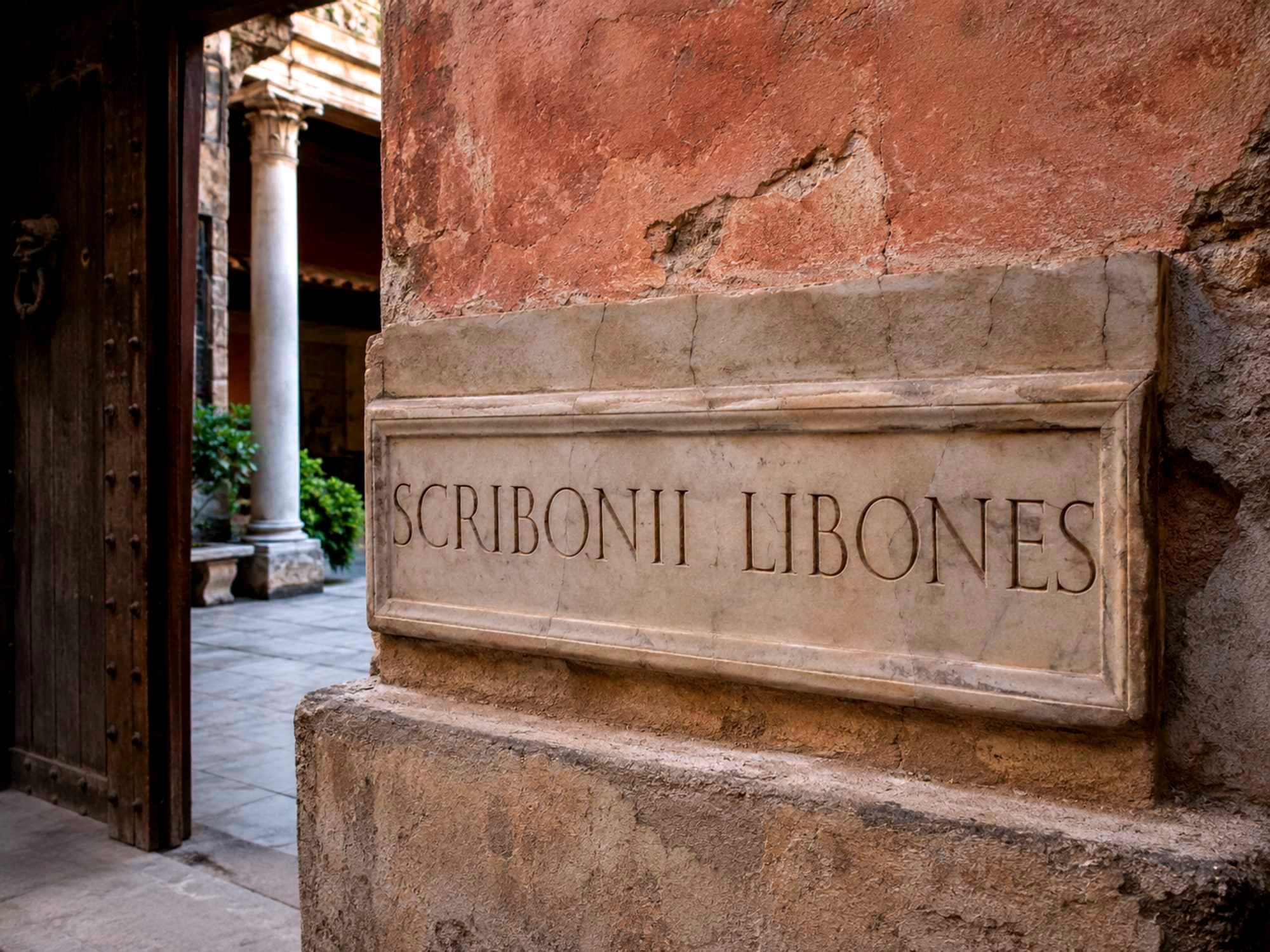
These were deep punishments in an aristocratic society. Roman family identity depended on names, images, and public memory. To remove an image from future funeral processions was to attack the family’s place in history. To forbid the name Drusus to the Scribonii was to sever a connection that had made Libo politically meaningful.
His property was divided among the accusers. Days of public thanksgiving were fixed. Votive offerings were made to Jupiter, Mars, and Concord. The thirteenth of September, the anniversary of Libo’s suicide, was declared a festival. Other decrees expelled astrologers and magicians from Italy. Two men, Lucius Pituanius and Publius Marcius, were executed. These details are hard to ignore.
If Libo was only a ridiculous young aristocrat destroyed by greedy informers, why public thanksgiving? Why Concord? Why punish the name? Why mark the calendar? Why expel practitioners of the occult from Italy?
The answer cannot be stated too strongly. These actions do not prove that Libo led a coherent conspiracy. But they do show that the state chose to remember the case as a public danger overcome.
Dio’s Harsher View
Cassius Dio presents the episode with a colder judgment on Tiberius. He says that Tiberius did not bring Libo to trial while he was well, but caused him to be brought into the Senate when he was already sick unto death. When Libo killed himself before the trial could proceed, Tiberius still judged him after death, gave his money to his accusers, and ordered sacrifices to commemorate the death.
Dio also draws attention to the contradiction between Tiberius’ own interest in divination and his punishment of others. Tiberius, he says, was constantly with Thrasyllus and made daily use of divination; yet he punished astrologers, magicians, and practitioners of similar arts.
That contrast has a deep meaning. The issue was not simply belief or disbelief in astrology. It was control. The emperor could consult divination. Others who used such arts in politically dangerous ways could be accused, exiled, or killed.
In that world, knowledge of the future was not neutral. It depended on who asked, what was asked, and whose life or power the answer touched.
The Shadow of Agrippa Postumus
The wider political setting deepens the case. Tiberius’ succession had not been simple. Augustus’ grandsons Gaius and Lucius Caesar were dead. Agrippa Postumus, another grandson, had been adopted and later exiled. He was killed around the time of Augustus’ death. The removal of these heirs did not erase their memory or the hopes attached to them.
The affair of Clemens shows how dangerous that memory could still be. Clemens, a slave of Agrippa Postumus, claimed or allowed others to believe that Agrippa had survived. Tacitus says rumours spread through Italy and Rome, and that many in the imperial household, among knights, and among senators were said to have supported him with money or advice.
Dio also places Clemens close to the Libo episode. He says Clemens pretended to be Agrippa, won support in Gaul and Italy, and marched toward Rome with the intention of recovering the dominion of his grandfather.
One modern reconstruction places Libo’s trial within this same atmosphere. On that reading, the timing of his destruction in AD 16 was not accidental. Libo’s ancestry and connections made him a possible point around which supporters of Augustus’ displaced line could gather.
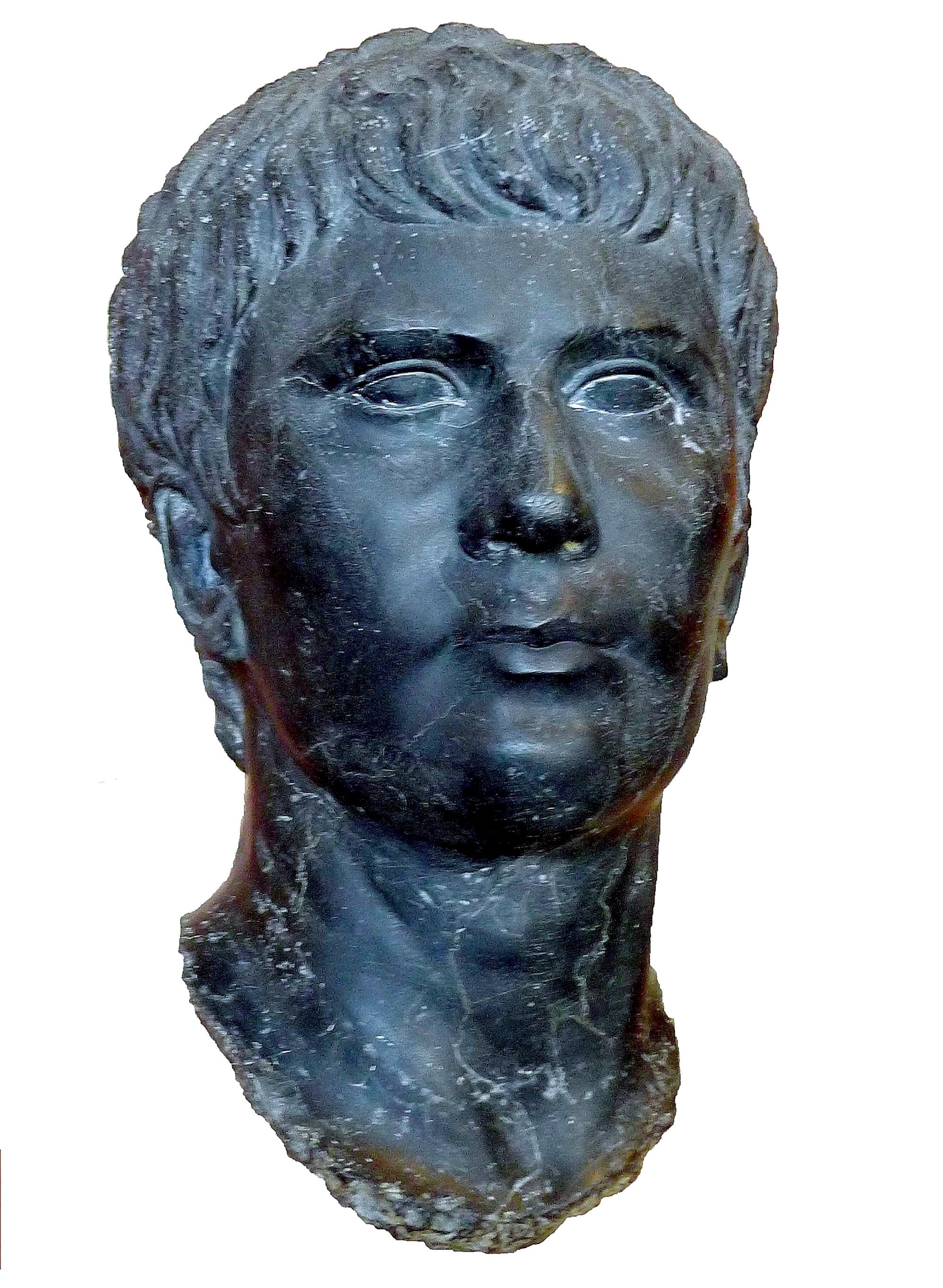
This remains interpretation. There is no surviving document that proves Libo was part of the Clemens affair. The evidence is circumstantial: timing, family connections, the severity of the response, soldiers around the house, the official language of danger, and the convergence of succession anxiety with occult inquiry.
But the reconstruction helps explain why the case was treated with such force. If Libo was seen, even loosely, as connected to people who wanted an alternative to Tiberius, then his foolishness could become politically useful to others and frightening to the regime.
A young nobleman’s fantasy might be harmless in one setting. In a nervous regime surrounded by memories of rival heirs, it could become dangerous.
Harmless Fool, Entrapped Victim, or Political Threat?
The trial of Libo Drusus remains difficult because several readings can be held at once.
He may have been vain and immature. Ancient writers thought so. Seneca’s judgment is harsh, and the Appian Way question supports the image of a foolish aristocrat imagining impossible wealth and impossible futures.
He may also have been entrapped. Tacitus makes Firmius Catus central. The language of encouragement and entanglement is deliberate. Catus urged him toward astrologers and magicians, reminded him of his ancestry, shared his luxuries and debts, and gathered evidence. In Tacitus’ account, the friend who becomes an informer is one of the real horrors of the story.
But Libo may also have been politically serious, or at least treated as politically serious. His ancestry mattered. The marked list mattered. The emergency Senate meeting mattered. The soldiers around his house mattered. The posthumous penalties mattered. The offerings to Concord and the festival date mattered. The expulsion and execution of occult practitioners mattered. These possibilities are not mutually exclusive.
A man could be foolish and still dangerous. He could be manipulated and still politically useful to others. He could be vain and still be punished as a threat. His private hopes could be absurd, but the world around him could make them lethal.
That is why the case is so revealing. It is not simply a story of guilt or innocence. It is the story of how early imperial Rome could transform suspicion into state danger.
What the Trial Revealed
The trial of Libo Drusus reveals the early Principate at its most uncomfortable. Republican forms remained. The consuls were approached. The Senate met. Charges were read. The emperor presented himself as controlled and procedural. Libo was told to ask the Senate. The machinery of public judgment still looked Roman, senatorial, and constitutional. Yet the political reality had changed.
The safety of the emperor and his family was becoming difficult to separate from the safety of the state. Occult consultation, aristocratic ambition, and marked names could be read through the lens of imperial security. A nobleman’s family history could make his private behaviour public. A friend could become an informer. A suicide could be followed by punishment. A trial could end in offerings to the gods and a festival of thanksgiving.
The case does not prove that Libo had a coherent plan to overthrow Tiberius. Nor does it prove that he was only a harmless fool. It shows something more troubling: under the early Principate, the meaning of an action depended on political fear.
To ask the wrong question, consult the wrong person, write the wrong names, or carry the wrong ancestry could be enough to attract fatal attention.
Libo died before sentence, but the Senate still condemned the danger attached to his name. In that sense, the trial was not only about what he had done. It was about what he might represent. In Tiberius’ Rome, suspicion could be stronger than proof. And once suspicion entered the Senate, it could become treason.
Andrew Pettinger, "The Republic in Danger: Drusus Libo and the Succession of Tiberius."
D. C. A. Shotter, “The Trial of M. Scribonius Libo Drusus.”
Ernestine F. Leon, “Notes on the Background and Character of Libo Drusus.”
Tacitus, Annals 2.27–32.
Seneca, Moral Letters to Lucilius 70.10.
Suetonius, Tiberius 25.
Cassius Dio, Roman History 57.15–16.

About the Roman Empire Times
See all the latest news for the Roman Empire, ancient Roman historical facts, anecdotes from Roman Times and stories from the Empire at romanempiretimes.com. Contact our newsroom to report an update or send your story, photos and videos. Follow RET on Google News, Flipboard and subscribe here to our daily email.
Follow the Roman Empire Times on social media: