
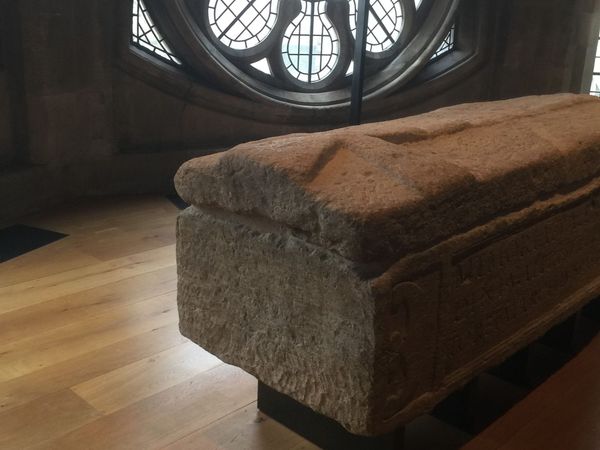
Roman Sarcophagus at Westminster Abbey May Have Held an Abbot
A new study links the skeleton in a Roman coffin to Westminster’s early medieval abbots, using radiocarbon dates, burial clues and the sarcophagus itself.

Roman Empire Times
Owner, explorer and history lover
Porto, Portugal
Hailing from the vibrant city of Athens, George's love for Ancient Greece and the Roman Empire drives him to write short stories inspired by the illustrious tales of these glorious times.
I write for Roman Empire Times about Roman archaeology, new discoveries and the research shaping our understanding of the ancient world. I’m from Athens, Greece, and based in Portugal.
I cover excavations, inscriptions, coins, monuments and the objects Romans left behind. My work follows new archaeological findings and revisits familiar historical stories through ancient evidence and modern scholarship.
My subjects range from a perfume bottle preserved at Pompeii to the networks revealed by millions of Roman coins. Across that coverage, I bring together the discovery, its historical setting and the people whose lives it helps illuminate.
My professional background spans digital publishing, technology and marketing. It includes digital revenue management and growth strategy at the Times of Malta, general management and digital strategy at Greek Reporter, and helping build ColombiaOne’s website and editorial team.
I studied geology and meteorology at Aristotle University of Thessaloniki. Alongside Christina Athanasiou, I co-own Sensei Minimal and help run Roman Empire Times, an independent publication launched in October 2023.
I follow Roman Empire Times’ editorial guidelines, grounding factual stories in reliable research and clearly attributed sources. I distinguish evidence from interpretation, explain significant historical disagreements and keep fictional storytelling clearly identified. I welcome corrections and information that helps improve our coverage. For factual corrections, please follow our corrections policy.
Saved articles stay in this browser. They do not sync across devices.
No saved articles yet.
A new study links the skeleton in a Roman coffin to Westminster’s early medieval abbots, using radiocarbon dates, burial clues and the sarcophagus itself.
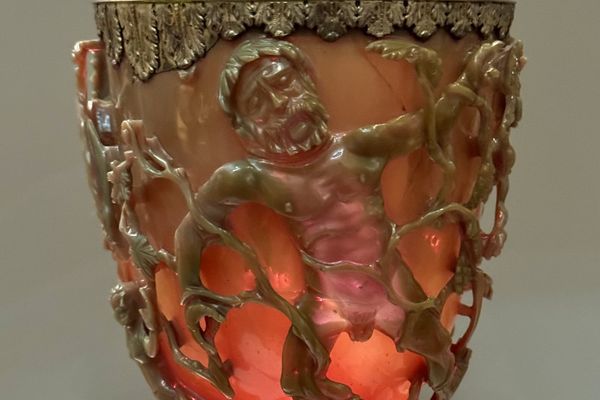
Four months of trials led to glass inspired by the Lycurgus Cup. The latest stage brings it into Elliot Walker’s sculpture for Sheffield’s Festival of the Mind.
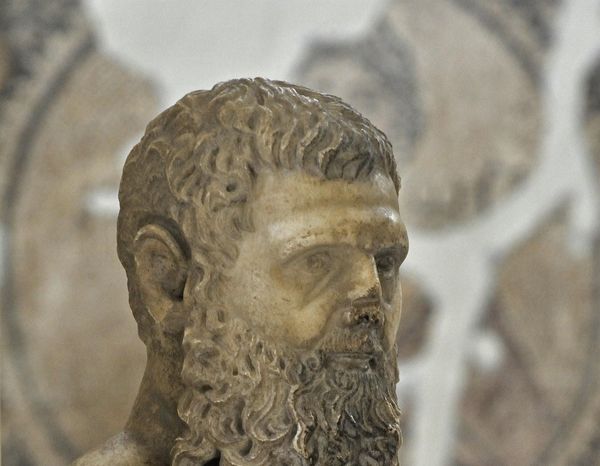
An experienced commander took over after Commodus’s murder. His programme for Rome soon brought him into conflict with the men guarding the throne.
A hill of broken amphorae, a frontier across Britain and gold mines in Spain reveal the lasting ways Romans changed the landscape.
Command legions, build cities and navigate imperial politics in our countdown of ten Roman video games, followed by two worlds with unmistakable Roman echoes.
Three camps east of Bayir trace a possible Roman expedition towards northern Arabia. A 2025 ground survey added pottery to the evidence first published in 2023.
Aerial footage puts the Pantheon’s dome and oculus in view, revealing the geometry behind one of Rome’s best-preserved ancient buildings.
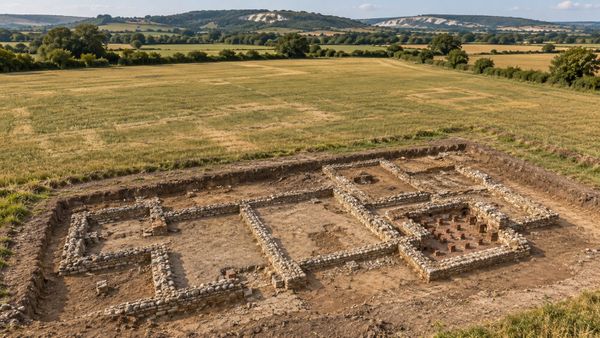
A community excavation at Trosley exposed painted rooms and a surviving hypocaust. Records from 2022, 2023 and 2026 trace the villa’s investigation.
A study of 243 ancient individuals finds that Mediterranean ancestry formed under Roman rule persisted through later migrations, with family ties traced across Hispania.
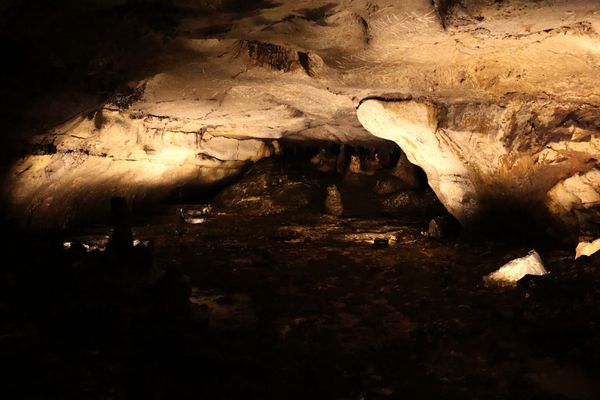
A sanctuary at Cova Dones may hold the Roman Empire’s largest known collection of Latin cave inscriptions, with women’s names and vows to a goddess.

A fourteen-minute bidding contest set a Roman antiquity record. Younger participants joined the wider sale, while the torso’s imperial identity remains debated.
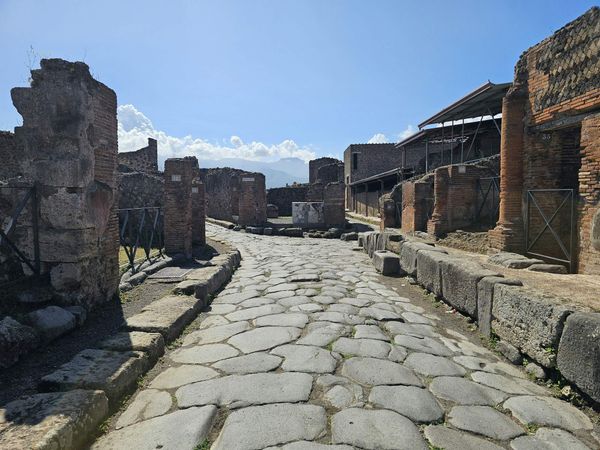
Buildings, objects and ancient texts show ten Roman practices with close parallels in everyday life, from busy streets to shared places of leisure.
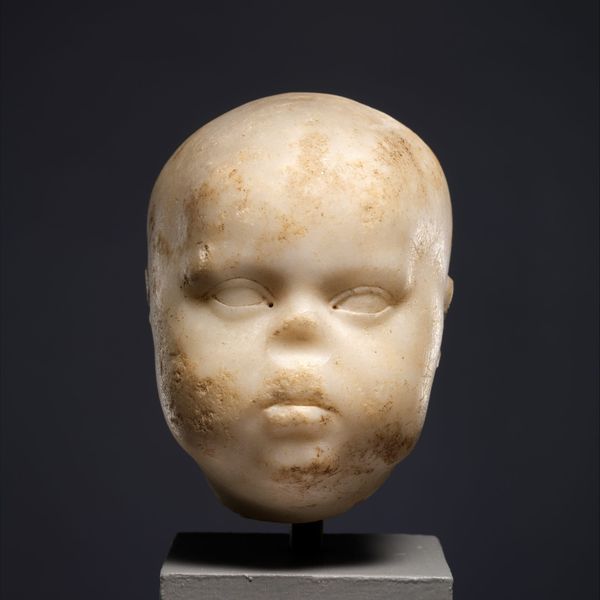
Family ties, imperial daughters and influential mothers give these ten Roman names their ancient histories, from Augustus’s household to the Antonine court.
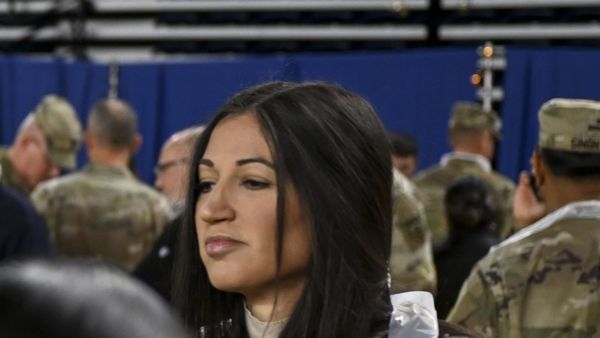
A Fox News claim blames Rome’s fall on women choosing careers over babies. Roman demographic research and evidence of working mothers tell a different story.
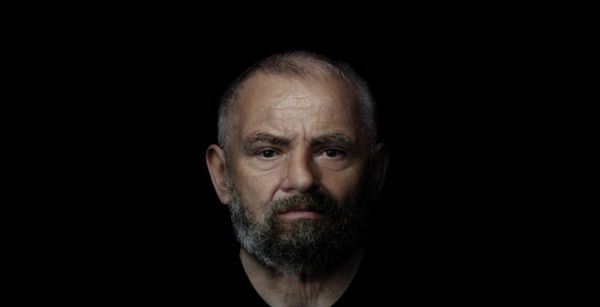
An international team has reconstructed an Inveresk resident’s face, while his bones and teeth document a journey north and a life shaped by injury.

A new interview about Agrippa brings Rome’s passage to one-man rule into the present, as the Conclave novelist warns about broken political rules.