
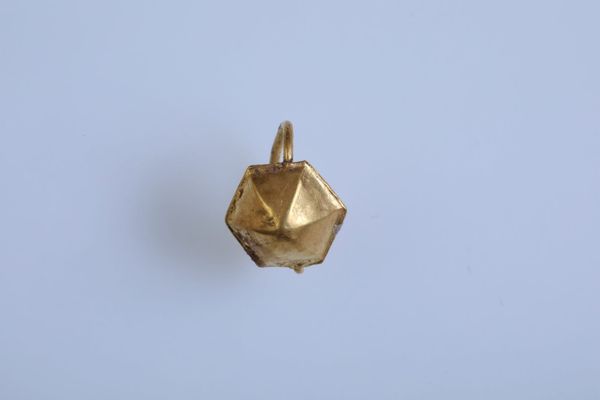
Gold Earrings Found in a Roman Child’s Grave in Bulgaria
Rescue excavations outside Augusta Traiana’s walls uncovered a child buried with gold jewellery and a coin of Aurelian among 135 graves.

Roman Empire Times
Owner, explorer and history lover
Porto, Portugal
Hailing from the vibrant city of Athens, George's love for Ancient Greece and the Roman Empire drives him to write short stories inspired by the illustrious tales of these glorious times.
I write for Roman Empire Times about Roman archaeology, new discoveries and the research shaping our understanding of the ancient world. I’m from Athens, Greece, and based in Portugal.
I cover excavations, inscriptions, coins, monuments and the objects Romans left behind. My work follows new archaeological findings and revisits familiar historical stories through ancient evidence and modern scholarship.
My subjects range from a perfume bottle preserved at Pompeii to the networks revealed by millions of Roman coins. Across that coverage, I bring together the discovery, its historical setting and the people whose lives it helps illuminate.
My professional background spans digital publishing, technology and marketing. It includes digital revenue management and growth strategy at the Times of Malta, general management and digital strategy at Greek Reporter, and helping build ColombiaOne’s website and editorial team.
I studied geology and meteorology at Aristotle University of Thessaloniki. Alongside Christina Athanasiou, I co-own Sensei Minimal and help run Roman Empire Times, an independent publication launched in October 2023.
I follow Roman Empire Times’ editorial guidelines, grounding factual stories in reliable research and clearly attributed sources. I distinguish evidence from interpretation, explain significant historical disagreements and keep fictional storytelling clearly identified. I welcome corrections and information that helps improve our coverage. For factual corrections, please follow our corrections policy.
Saved articles stay in this browser. They do not sync across devices.
No saved articles yet.
Rescue excavations outside Augusta Traiana’s walls uncovered a child buried with gold jewellery and a coin of Aurelian among 135 graves.
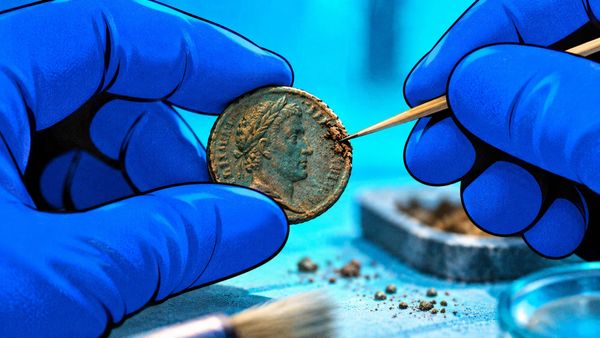
Students at Michigan State’s Classical Society worked on late Roman bronze coins, revealing the portraits and inscriptions that make ancient currency a historical source.
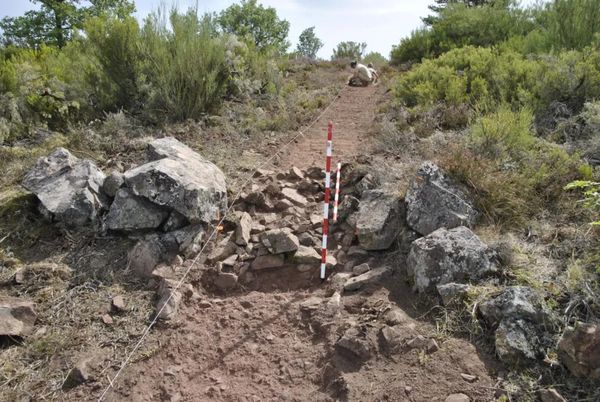
A newly identified camp near La Peña del Castro links Roman troops with a burned Iron Age hillfort, where researchers are examining whether conquest included deliberate attacks on local identity.
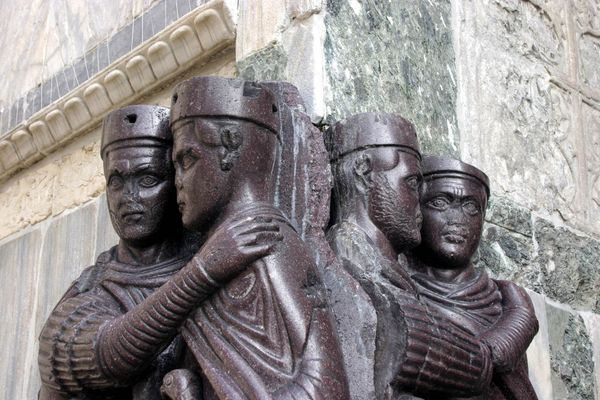
From Augustus’ lost grandsons to Diocletian’s planned abdication, the next reign depended on family arrangements and the people willing to uphold them.
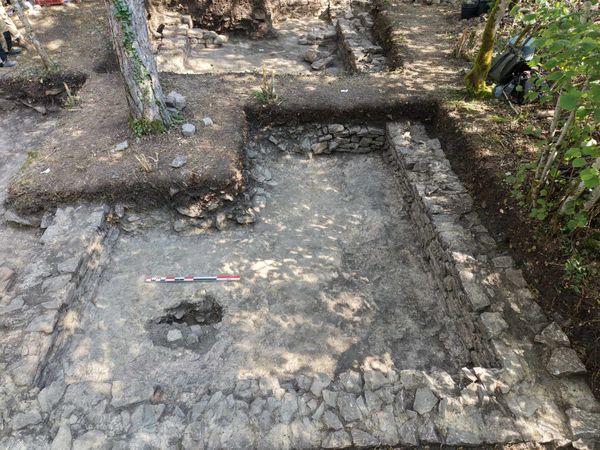
At a hilltop settlement in Burgundy, a possible palatial complex combines a large church, Roman-style heating and fine glass across the transition into the Middle Ages.
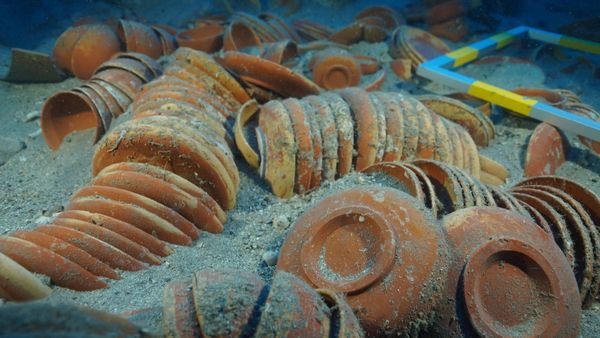
A cargo of plates, bowls and trays off Adrasan preserves evidence of ancient packing methods and a ceramic trade associated with a name in Cicero’s letters.
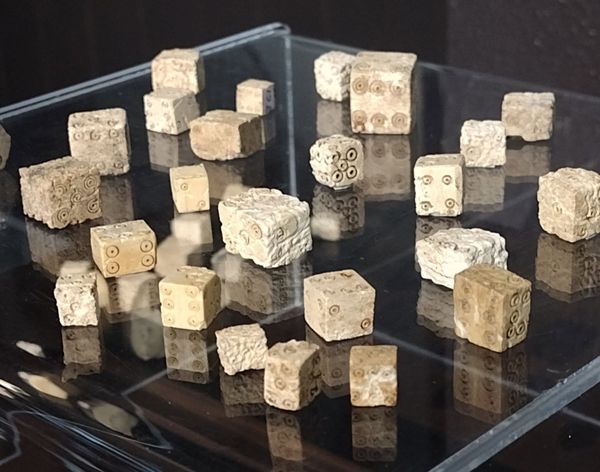
Excavations in France have produced an exceptional concentration of bone dice. A possible basin, altar fragments and Fortuna coins offer clues to their use.
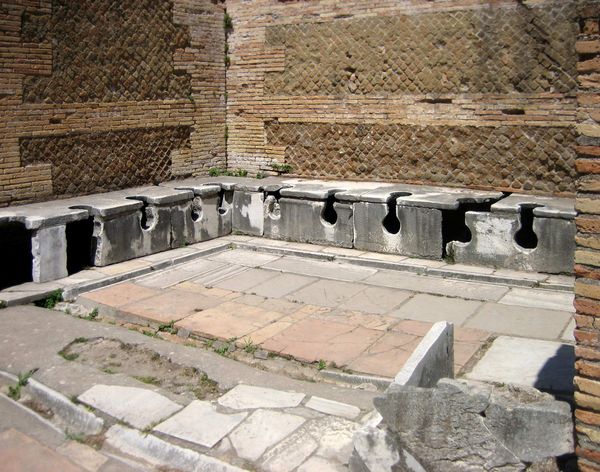
Microscopic traces in Roman toilet deposits show infections persisted despite public sanitation. A 2026 chamber-pot study adds evidence from the Danube frontier.
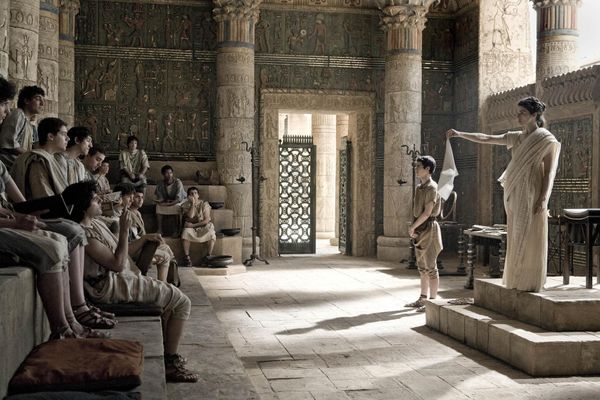
From arena spectacles to political intrigue, satire and scientific inquiry, ten Roman films earn their places in our countdown for different reasons.
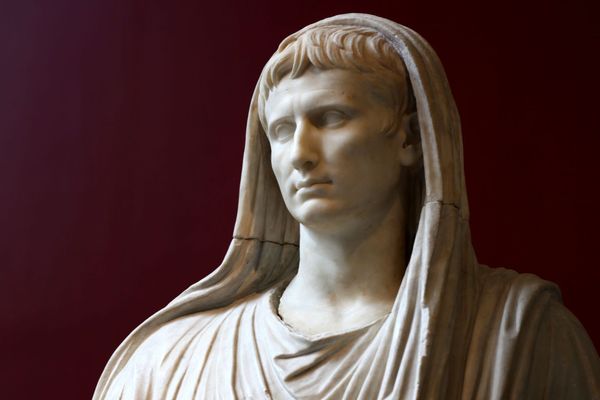
A guarded collection of Greek verses helped Rome prescribe rituals during war and crisis. Its history runs from a royal legend to Augustus’s temple.
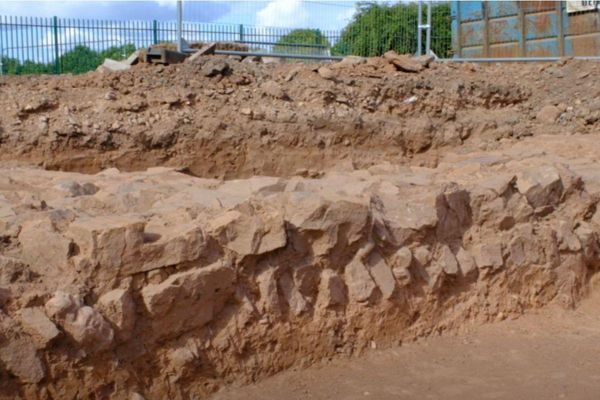
A seven-metre Roman road, a possible parade-ground wall and a culvert have emerged during building work at Caerleon Comprehensive School.
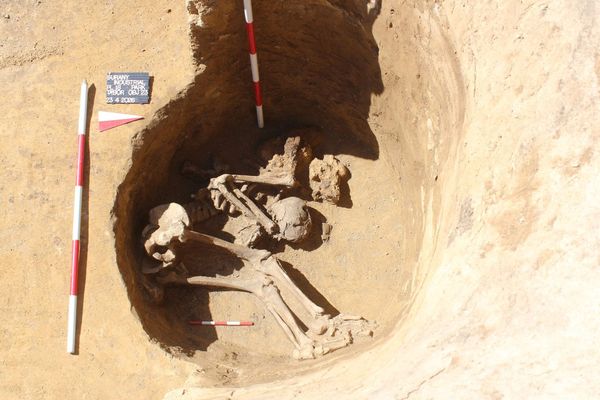
A 7.4-hectare camp near Šurany has yielded human remains, armour and weapons. Five entrances and an unusual gate add to its second-century story.
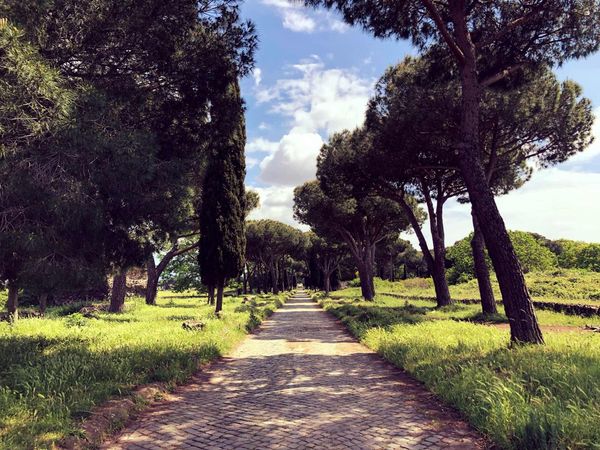
A study of Roman road alignments finds they have quite an impressive performance versus modern major roads, with terrain and construction explaining the gap between them.
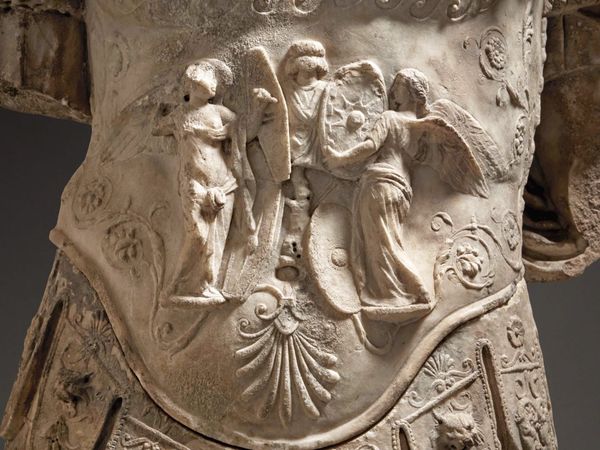
A first-century marble torso returns to auction on 21 October. Its sun chariot and Victories are clear; the emperor it represented and its exact setting are still debated.
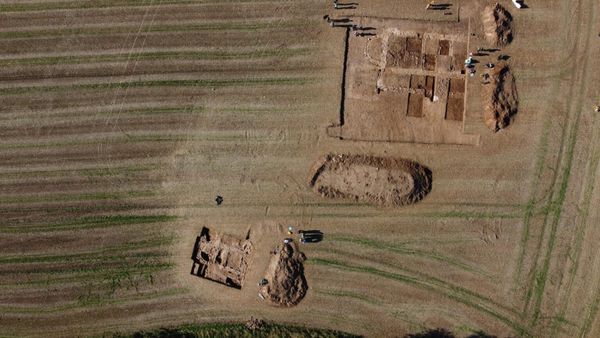
At Rossett, excavators found a quern beneath a North Wales villa, intact Roman floors and heating, and signs that its buildings changed over time.
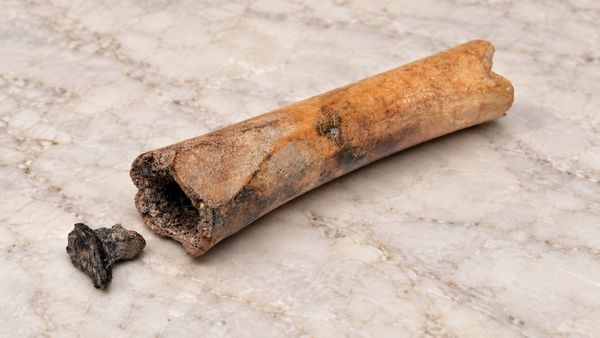
A Roman-era bone held hundreds of black henbane seeds. Researchers weighed a pipe theory, but its shape and uncharred contents point to deliberate storage.