
6 Reasons Rome’s Chosen Heirs Didn’t Always Become Emperor
From Augustus’ lost grandsons to Diocletian’s planned abdication, the next reign depended on family arrangements and the people willing to uphold them.

Augustus prepared two grandsons for Rome’s future, then lived long enough to lose them both. Centuries later, Diocletian arranged a succession between four emperors, only for the sons left outside it to pursue power. Naming the next ruler was an essential task of Roman government; making the arrangement hold was another.
Emperors had several ways to build continuity. They adopted sons, advanced relatives through public office, arranged marriages and shared imperial authority. These choices could give an heir a recognisable place before a vacancy occurred. Their effectiveness depended on people beyond the imperial household, especially the soldiers and political leaders expected to accept the result.
The recurring difficulty was bringing family expectations, an emperor’s intentions and the support of powerful groups into agreement. The arrangements changed across the centuries. Comparing a lost pair of heirs, rival adoptions, military choices and a planned abdication reveals why even considerable preparation could leave the next reign uncertain.
An imperial inheritance needed public acceptance
In the early empire, the emperor’s position depended on continuing acceptance among the senate, Rome’s urban population and the citizen soldiers. These groups had different ways of expressing support or hostility. A successor needed a workable relationship with them, alongside whatever claims he derived from the reigning household.
A family connection gave a candidate a valuable starting point. Adoption could create that connection when an emperor had no suitable biological son. Yet there was no fixed rule of primogeniture, automatically reserving imperial power for the eldest son. Several relatives or designated heirs might therefore have plausible expectations of advancement.
This combination made the emperor’s death a particularly demanding moment. Support attached to one ruler had to be secured for another. Where influential groups accepted the same candidate, continuity was possible; where armies backed different men, each claimant could possess the means to resist his competitors.
An heir first had to survive
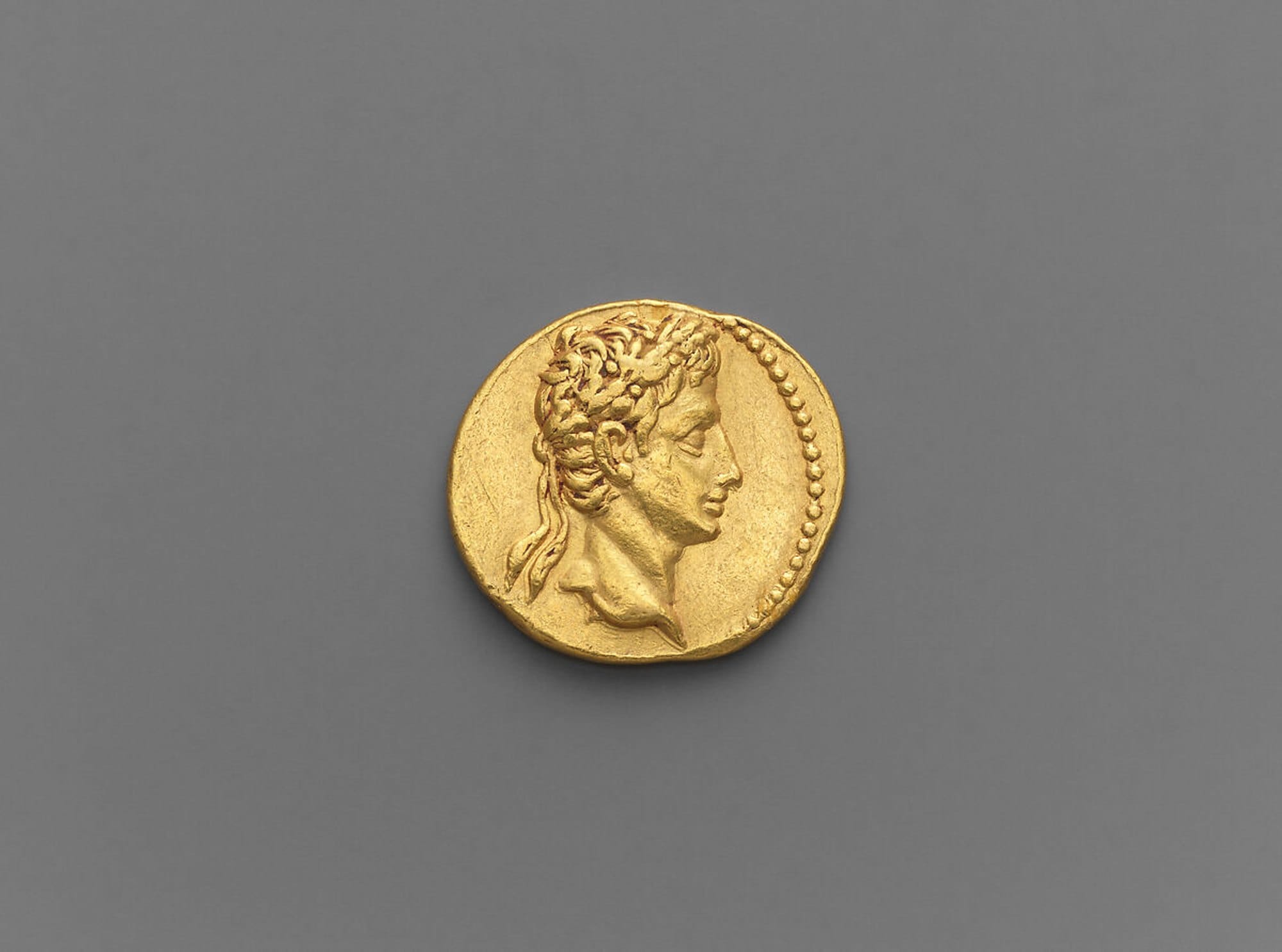
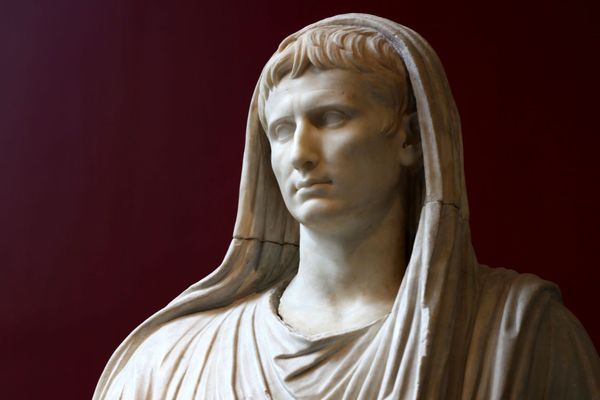
Augustus’ plans for Gaius and Lucius Caesar show how much work could precede a succession. His grandsons became his adopted sons and entered public life with exceptional prominence. Suetonius describes their preparation in Augustus 64.1:
“Gaius and Lucius he adopted at home”
Lucius died in AD 2 and Gaius in AD 4, while Augustus remained alive. Their deaths required a different settlement after years invested in their advancement. Gaius Caesar’s preparation for power illustrates the scale of that interrupted project: recognition and experience had been cultivated well before an expected transfer.
Augustus then adopted Tiberius, requiring him in turn to adopt Germanicus, although Tiberius already had a son. The arrangement reached beyond the next emperor into another generation. Preparing alternatives could preserve a dynasty through bereavement, but each revision changed the relationships around which expectations of future power had formed.
Adoption could build a dynasty, but not command agreement
Roman practices of adoption offered a means of creating sons and continuing a household. Applied to emperors, adoption also presented a chosen successor as family. A man selected from outside the existing bloodline entered a new dynastic relationship rather than remaining an unrelated officeholder.
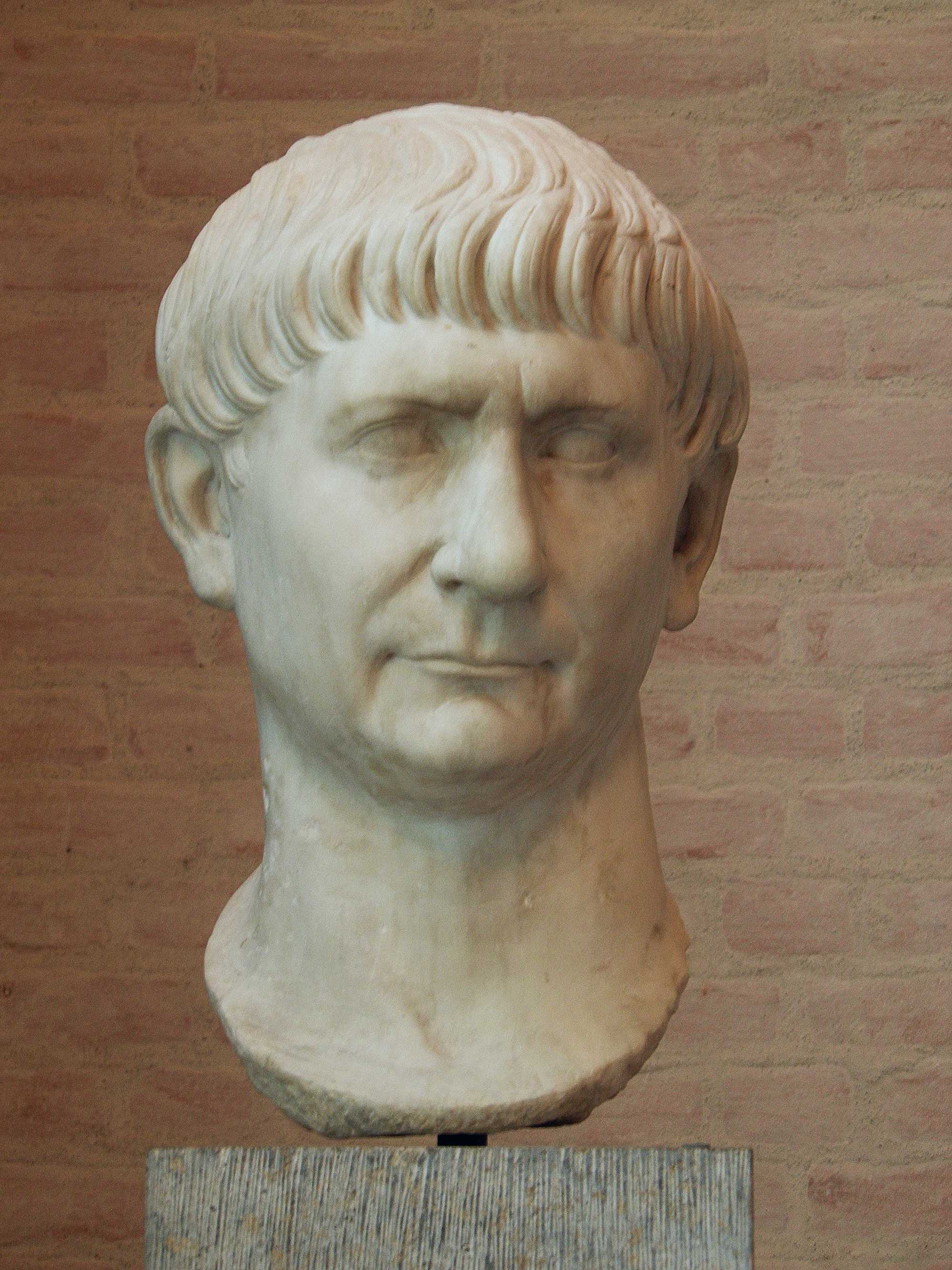
The contrast between two imperial adoptions is sharp. Galba adopted Piso in January AD 69; both were killed within days as Otho took power. Nerva’s adoption of Trajan in AD 97 was followed by Trajan’s accession the next year. The same broad instrument operated within very different conditions of political and military support.
Praise for Trajan helped turn adoption into an ideal of selecting the best ruler. Pliny’s Panegyricus, however, combines that praise with a prayer for Trajan to have a biological son. Adoption was compatible with hopes for hereditary continuity. Its celebrated success under Nerva provided an example to praise, rather than a procedure that could make every future choice secure.
Soldiers could make competing choices
The struggles of AD 69 exposed how far imperial power extended beyond the capital. Tacitus captured the implication of Nero’s fall in Histories 1.4:
“for the secret of empire was now revealed, that an emperor could be made elsewhere than at Rome.”
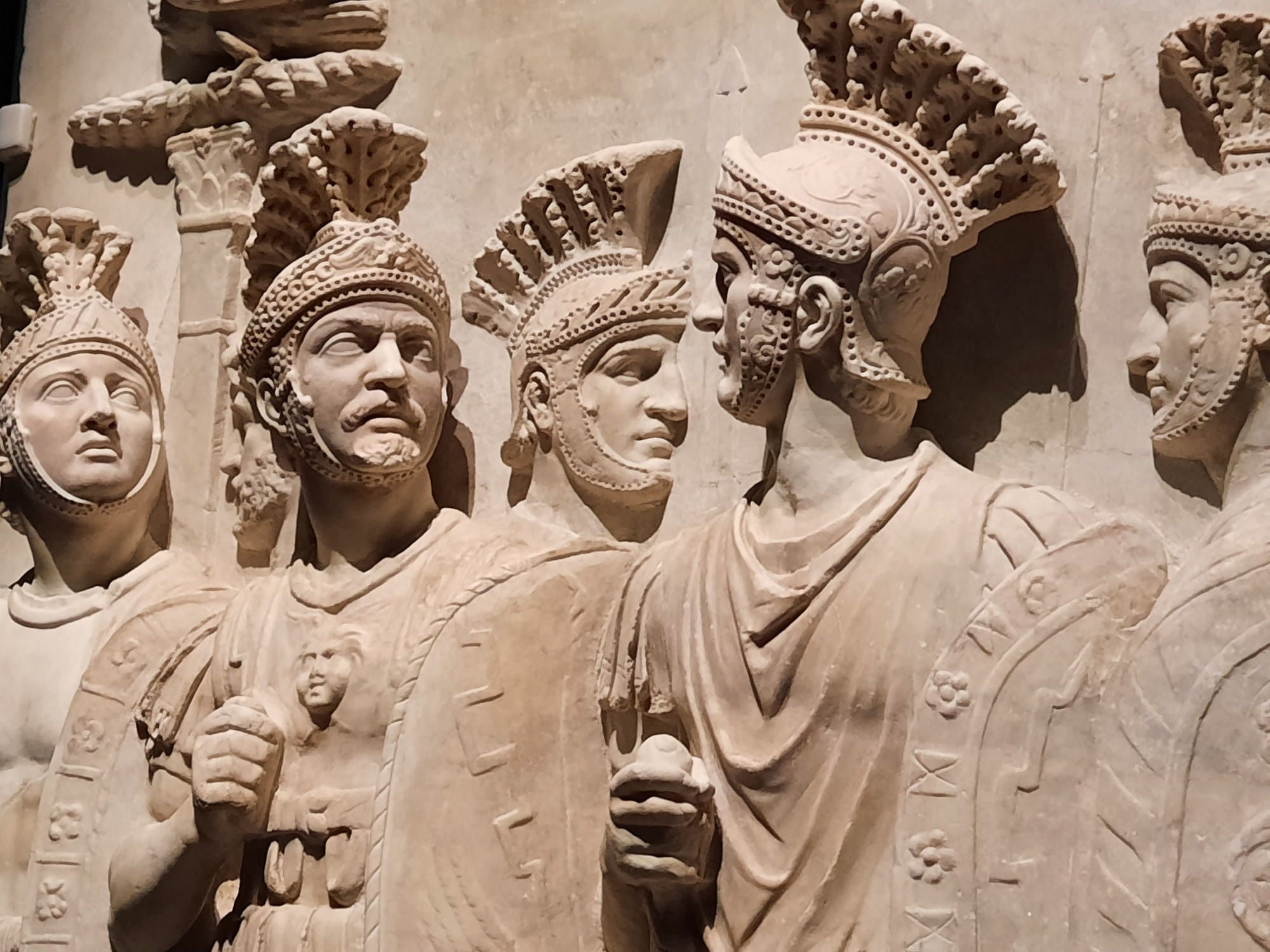
Provincial armies could give their own commanders a claim backed by armed force. The soldiers involved had several reasons to choose a side: rewards and material security, loyalty to an emperor, attachments to their units and concern for their own survival. The Praetorian Guard’s political role formed one part of a wider military contest. Different forces could see their interests served by different rulers.
Commanders also had to persuade their men. When Caecina tried to bring troops supporting Vitellius over to Vespasian, his soldiers arrested him and continued the struggle for Vitellius. Their refusal shows that a general’s decision and his army’s allegiance could diverge. An agreement among leaders might unravel when the men expected to carry it out rejected it.
Shared rule still had to accommodate family claims
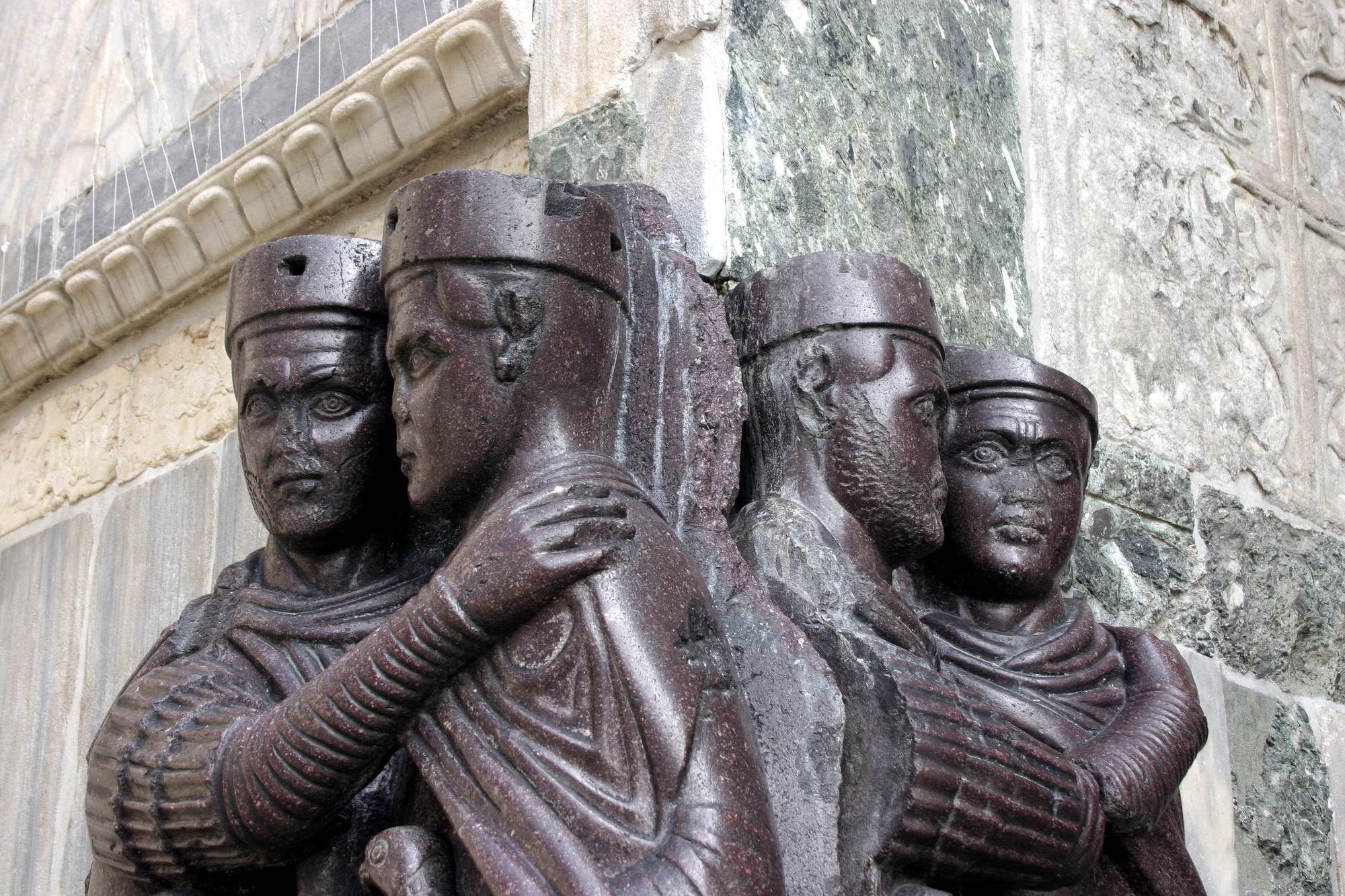
Diocletian’s Tetrarchy organised imperial government around two senior emperors, called Augusti, and two junior Caesars. Its imagery emphasised partnership: the famous porphyry figures now in Venice embrace one another, their matching appearance presenting a united imperial group. Shared authority supplied an organised route through which junior rulers could advance.
In AD 305, Diocletian and his fellow senior emperor Maximian abdicated. The junior emperors Constantius and Galerius became senior rulers, with Severus and Maximinus entering the junior positions. Constantine, the son of Constantius, and Maxentius, the son of Maximian, were left outside this arrangement.
When Constantius died at York in AD 306, troops proclaimed Constantine emperor. Maxentius took power at Rome later that year. The sons excluded from the planned succession found support for claims of their own. The Tetrarchy’s carefully displayed unity had to compete with the continuing appeal of imperial descent and the forces willing to act upon it.
A vacancy could also produce rapid agreement
An unexpected death could bring a different outcome. Julian died during the Persian campaign in AD 363 without having designated an heir. The army was on enemy territory, and senior officials had to find a ruler while also confronting the practical task of bringing the expedition out of danger.
The first approach was to the praetorian prefect Salutius, who declined on grounds of age and health. Jovian, commander of the household troops, then emerged as emperor within hours. The account of these deliberations in Ammianus Marcellinus brings the choice down to a gathering of officials and soldiers responding to an immediate emergency.
Jovian’s elevation shows that a vacancy could be resolved quickly through agreement around an available candidate. Across these different successions, the crucial task was securing enough support for one arrangement to prevail. An emperor could prepare heirs, confer honours or establish colleagues; a durable transfer still required the people holding political and military power to sustain his choice.



,_found_in_1803_at_Ostia,_Glyptothek,_Munich_(9014438164).jpg?ref=romanempiretimes.com)
.jpg?ref=romanempiretimes.com)
About the Roman Empire Times
See all the latest news for the Roman Empire, ancient Roman historical facts, anecdotes from Roman Times and stories from the Empire at romanempiretimes.com. Contact our newsroom to report an update or send your story, photos and videos. Follow RET on Google News, Flipboard and subscribe here to our daily email.
Follow the Roman Empire Times on social media: