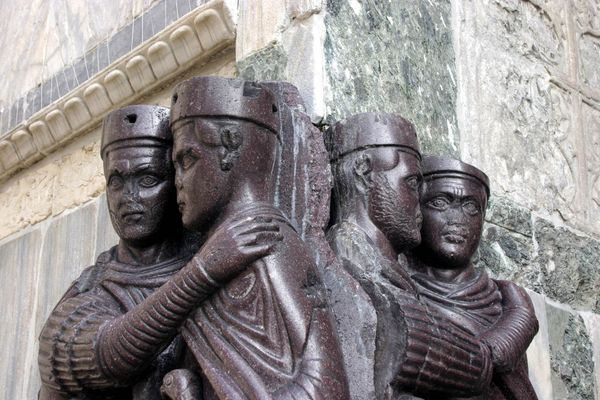
Roman Empire Historical Facts
6 Reasons Rome’s Chosen Heirs Didn’t Always Become Emperor
From Augustus’ lost grandsons to Diocletian’s planned abdication, the next reign depended on family arrangements and the people willing to uphold them.

Roman Empire Historical Facts
From Augustus’ lost grandsons to Diocletian’s planned abdication, the next reign depended on family arrangements and the people willing to uphold them.
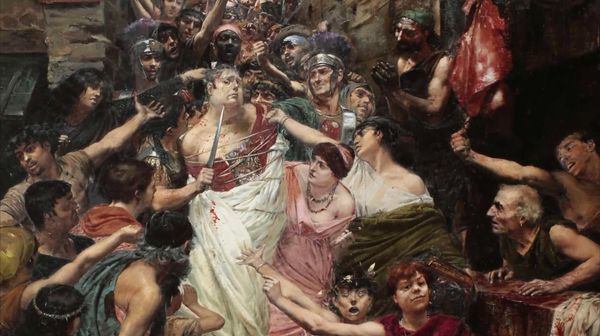
Roman Empire Historical Facts
Vitellius is remembered as Rome’s glutton emperor. Yet beneath the hostile portraits of civil war lies a more complicated ruler – one whose brief reign reveals as much about historical narrative as about power itself.
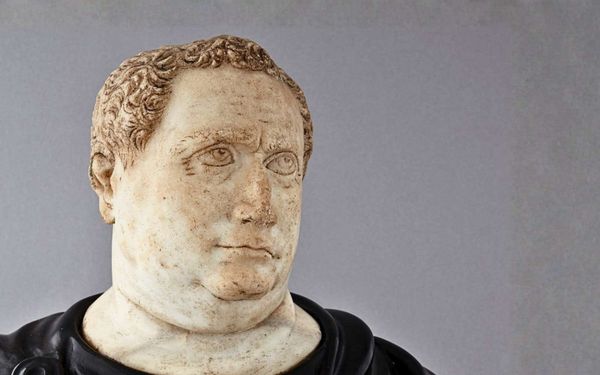
Roman Empire Anecdotes
From tyrants mocked for their bellies to scholars ridiculed for vanishing thinness, Roman writers turned body size into moral theatre. Fatness and emaciation were never neutral traits, but visible signs of luxury, weakness, discipline, or decline.
Roman Empire Historical Facts
Rome’s worst emperors were not defined by excess alone. From rigidity and paralysis to paranoia and absence, these reigns reveal how imperial power failed – and why those failures mattered.

Roman Empire Anecdotes
From Spain’s quiet frontier to Domitian’s court, Quintilian shaped Rome’s moral voice. His Institutio Oratoria united eloquence and virtue, teaching that only the good man can truly speak well.
Roman Empire Historical Facts
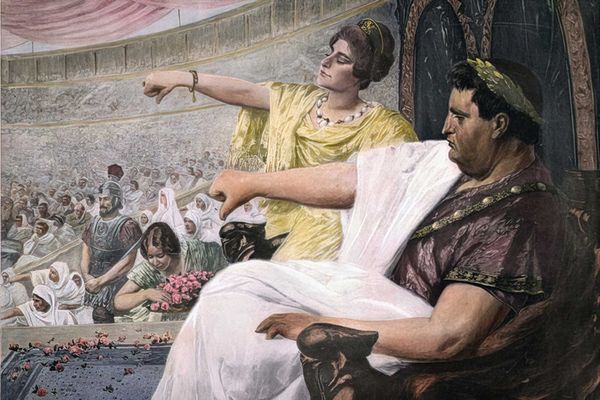
Through myth, theatre, and fire, Nero transformed scandal into legend. Reviled by elites yet adored by crowds, he turned empire into stagecraft and himself into Rome’s most enduring paradox.
Roman Empire News
Political murder rarely restores an old order; in Rome it rewired incentives, putting armies, money and short-term bargains above process. From Caesar’s Ides to the auction of 193, assassinations taught Romans to price power—and to expect violence to decide it.

Roman Empire Historical Facts
Feared as another Nero, Titus surprised Rome by becoming one of its most beloved emperors. In just two years, he faced Vesuvius, fire, and plague—emerging as a ruler praised for generosity, diplomacy, and a transformation still debated today.

Roman Empire Historical Facts
Beyond their role as imperial bodyguards, the Praetorian Guard operated as an elite security force, enforcing state authority through surveillance, arrests, and executions.
Roman Empire Historical Facts
Plutarch, the Greek historian, biographer, and philosopher, wrote in an era when Rome dominated the Mediterranean world, yet his works found an eager audience among the very people who had conquered his homeland.

Roman Empire Historical Facts
The Year of the Four Emperors (69 CE) is one of the most chaotic periods in Roman history, occurring after Emperor Nero's death and marking a transitional phase from the Julio-Claudian dynasty to the Flavian dynasty.

Roman Empire Historical Facts
Locusta was Rome’s most famous poisoner, employed by at least two different emperors, and an empress.