Roman Empire Historical Facts
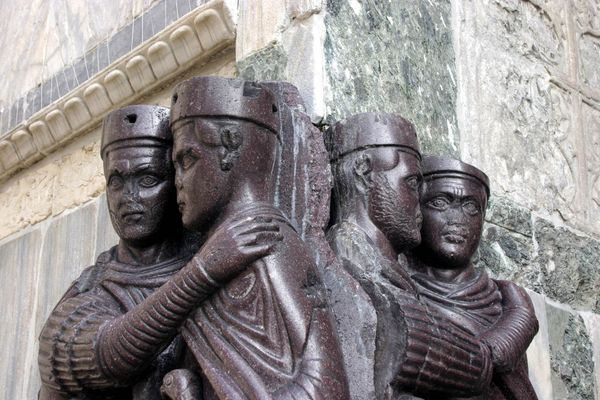
6 Reasons Rome’s Chosen Heirs Didn’t Always Become Emperor
From Augustus’ lost grandsons to Diocletian’s planned abdication, the next reign depended on family arrangements and the people willing to uphold them.

Roman Empire Historical Facts
From Augustus’ lost grandsons to Diocletian’s planned abdication, the next reign depended on family arrangements and the people willing to uphold them.
Roman Empire Anecdotes
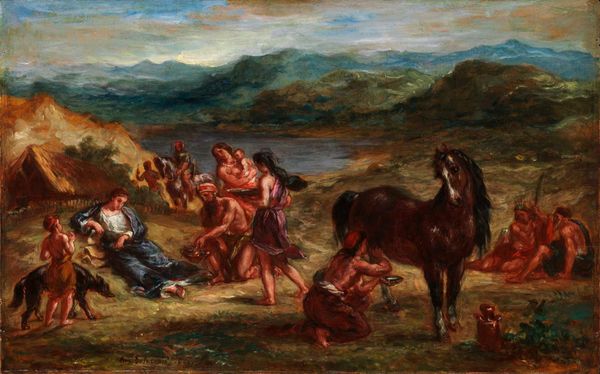
Exile in ancient Rome could mean escape, punishment, isolation or political survival. From Cicero to Ovid, Seneca and imperial prisoners, Roman exile took many forms.
Roman Empire Historical Facts
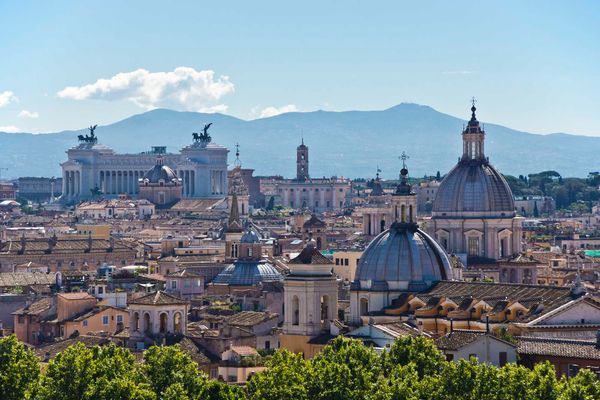
Rome’s worst emperors were not defined by excess alone. From rigidity and paralysis to paranoia and absence, these reigns reveal how imperial power failed – and why those failures mattered.

Roman Empire Anecdotes
From Spain’s quiet frontier to Domitian’s court, Quintilian shaped Rome’s moral voice. His Institutio Oratoria united eloquence and virtue, teaching that only the good man can truly speak well.
Roman Empire Historical Facts
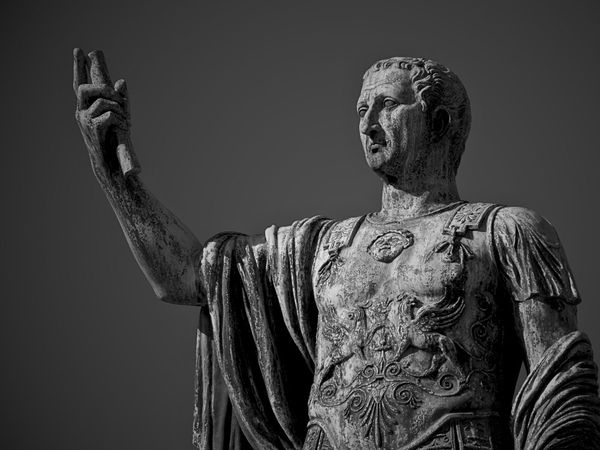
Amid the ruins of Domitian’s tyranny, Nerva brought calm without conquest. His short reign restored justice, dignity, and trust—laying the quiet foundations for Rome’s most peaceful age.
Roman Empire Anecdotes
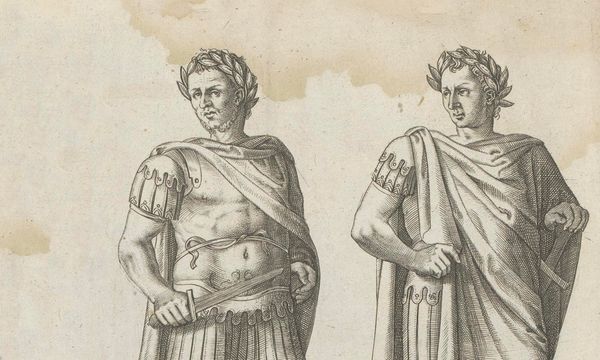
Ancient writers cast Titus and Domitian as rival brothers, with the younger plotting against the elder. Inscriptions, coins, and monuments, however, reveal a dynasty that publicly honored unity, complicating the image of fraternal enmity.

Roman Empire Anecdotes
Sextus Julius Frontinus embodied Rome’s genius for both war and order. From battlefield stratagems to aqueducts, his works reveal the mind of a senator who mastered strategy and sustained the Eternal City.

Roman Empire Historical Facts
Beyond their role as imperial bodyguards, the Praetorian Guard operated as an elite security force, enforcing state authority through surveillance, arrests, and executions.

Roman Empire Historical Facts
Emperor Domitian, who ruled Rome from 81 to 96 CE, is one of the most polarizing figures of the Roman Empire. Dismissed by many ancient writers as a tyrant and remembered for his strained relationship with the Senate, Domitian’s legacy is one of complexity and contradiction.

Roman Empire Historical Facts
The final ruler during the tumultuous Year of the Four Emperors, Vespasian established the Flavian dynasty, which governed the Roman Empire for 27 years.

Roman Empire Historical Facts
Trajan's Column is an iconic piece of Roman art and architecture, rich with historical, artistic, and cultural significance.

Roman Empire Historical Facts
Herodes Atticus is a fascinating figure, especially in the context of his relationship with the Roman Empire. A Greek aristocrat from Marathon, Herodes was born into immense wealth and became one of the most prominent benefactors in the Roman Empire during the second century AD.

Roman Empire Historical Facts
Commodus was largely seen as capricious, self-indulgent, and more interested in personal pleasures than in governing the empire.

Roman Empire Historical Facts
Ammianus Marcellinus wrote what is known as Res gestae, the ultimate historical account about the Roman Empire, that has survived to our days.

Roman Empire Historical Facts
Throughout the Roman Empire's history, numerous emperors met their end not in battle or from natural causes but by the hands of assassins.

Roman Empire Historical Facts
The dark side of Roman history. 5 of the worst emperors that left their mark on history with scandals, cruelty and paranoia.