
Wales Roman Villa Dig Finds Earlier Activity Beneath the Building
At Rossett, excavators found a quern beneath a North Wales villa, intact Roman floors and heating, and signs that its buildings changed over time.

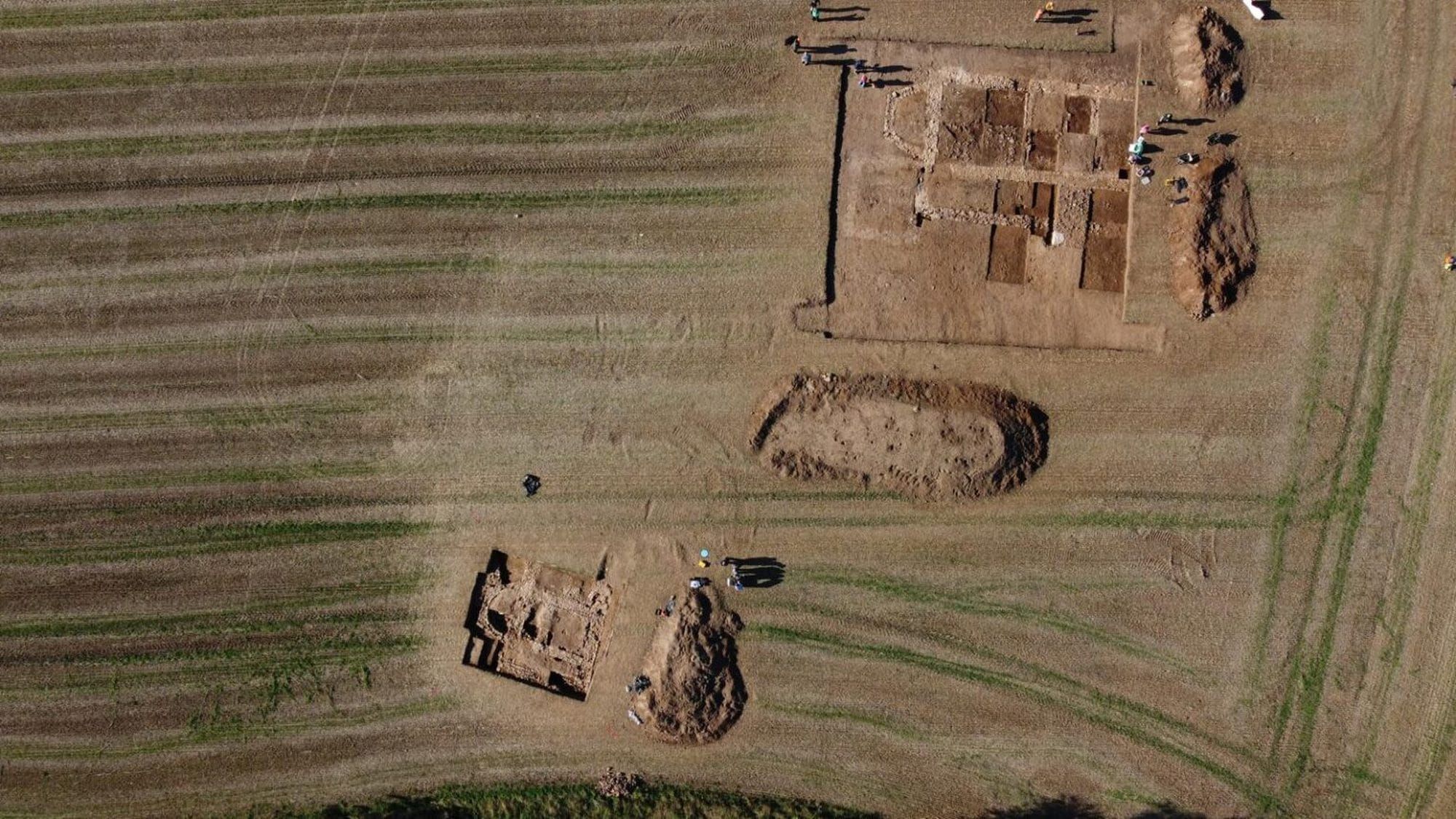
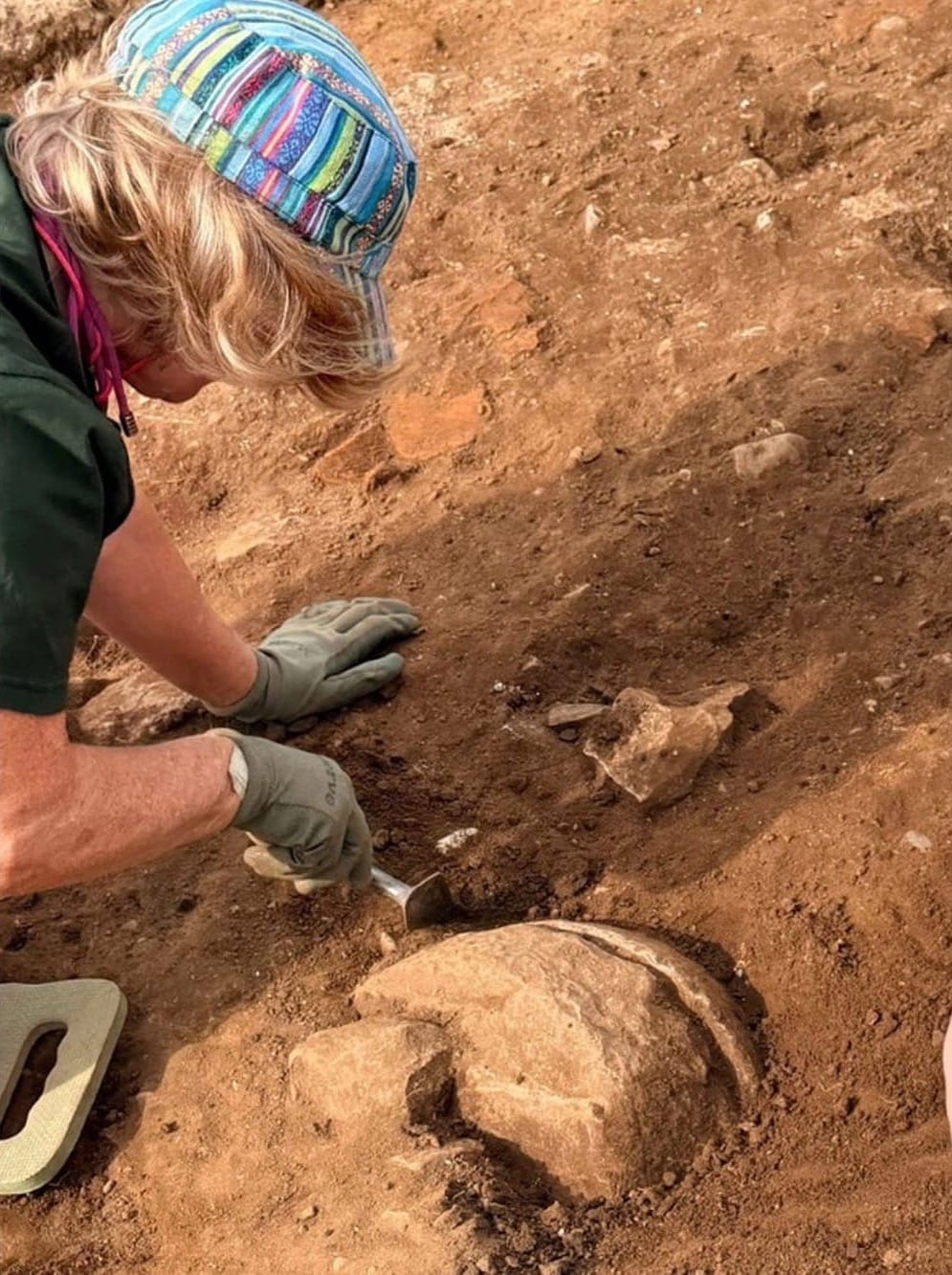
Archaeologists excavating a Roman villa near Rossett, Wrexham, have found a complete quern stone in a layer beneath the stone-built residence. The position of the grain-grinding stone adds a new, earlier phase to the site's history, while work on the buildings has revealed surviving floors, underfloor heating and evidence of changes to their layout.
The University of Chester announced the results on 5 October, after a two-week excavation carried out with DigVentures in late August and September 2026. Heneb, the Trust for Welsh Archaeology, has separately described a newly exposed D-shaped room and continuing work on a structure that may have served as a bathhouse. Analysis of the finds and excavation records is now under way.
Rossett is the first confirmed Roman villa in North Wales. Its rooms and finds place a substantial rural complex in a region where earlier accounts emphasised military settlements and simpler farmsteads. The new evidence also gives the researchers a way to investigate activity on the same ground before the stone villa was built, adding a local sequence to our account of life in Roman Britain.
A quern below the stone villa
The complete quern was found beneath the building's stone construction, according to the University of Chester. A quern was used to grind grain, and its position in an earlier layer is the crucial part of the find. It documents activity at Rossett before the standing villa took shape.
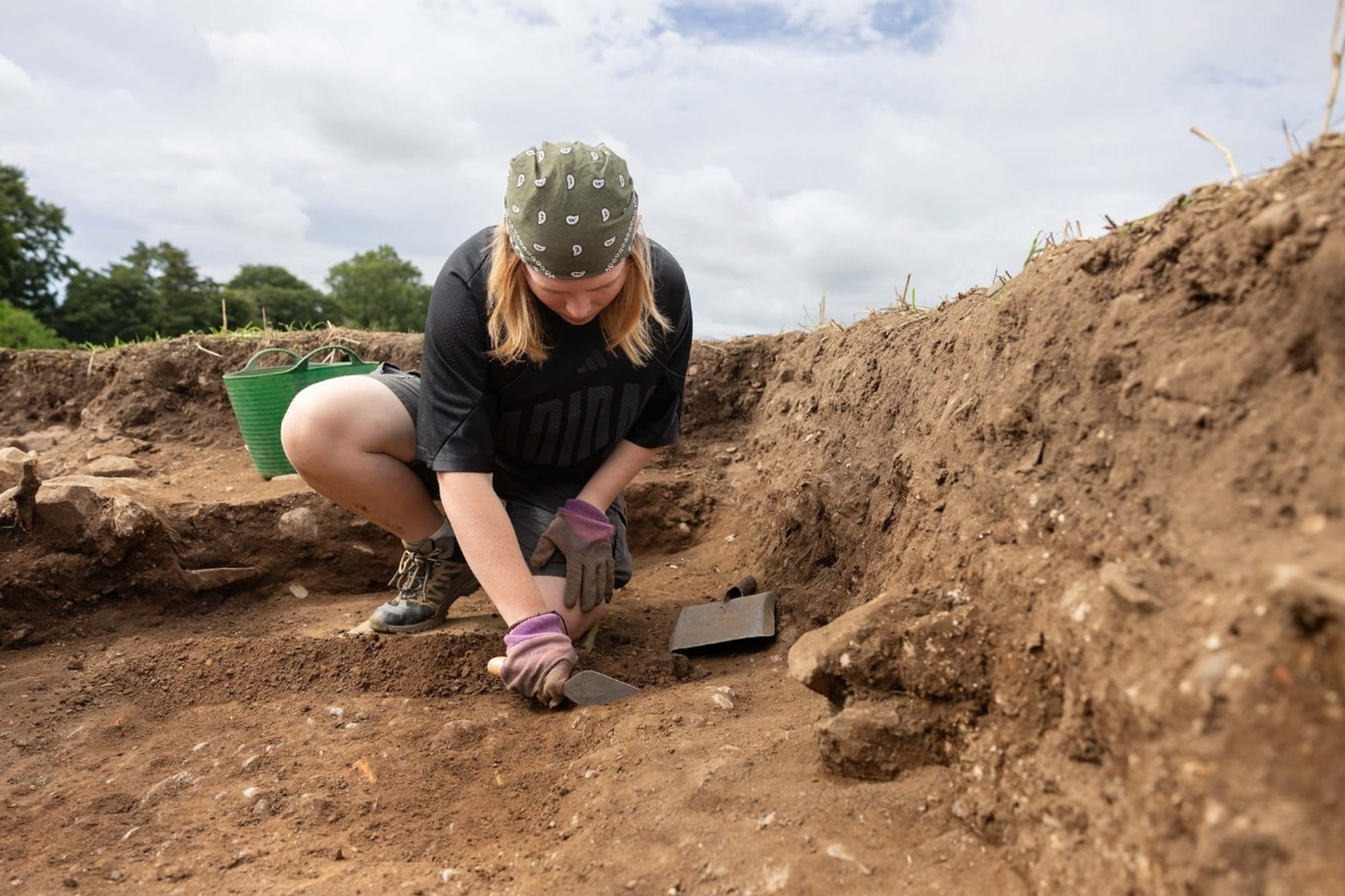
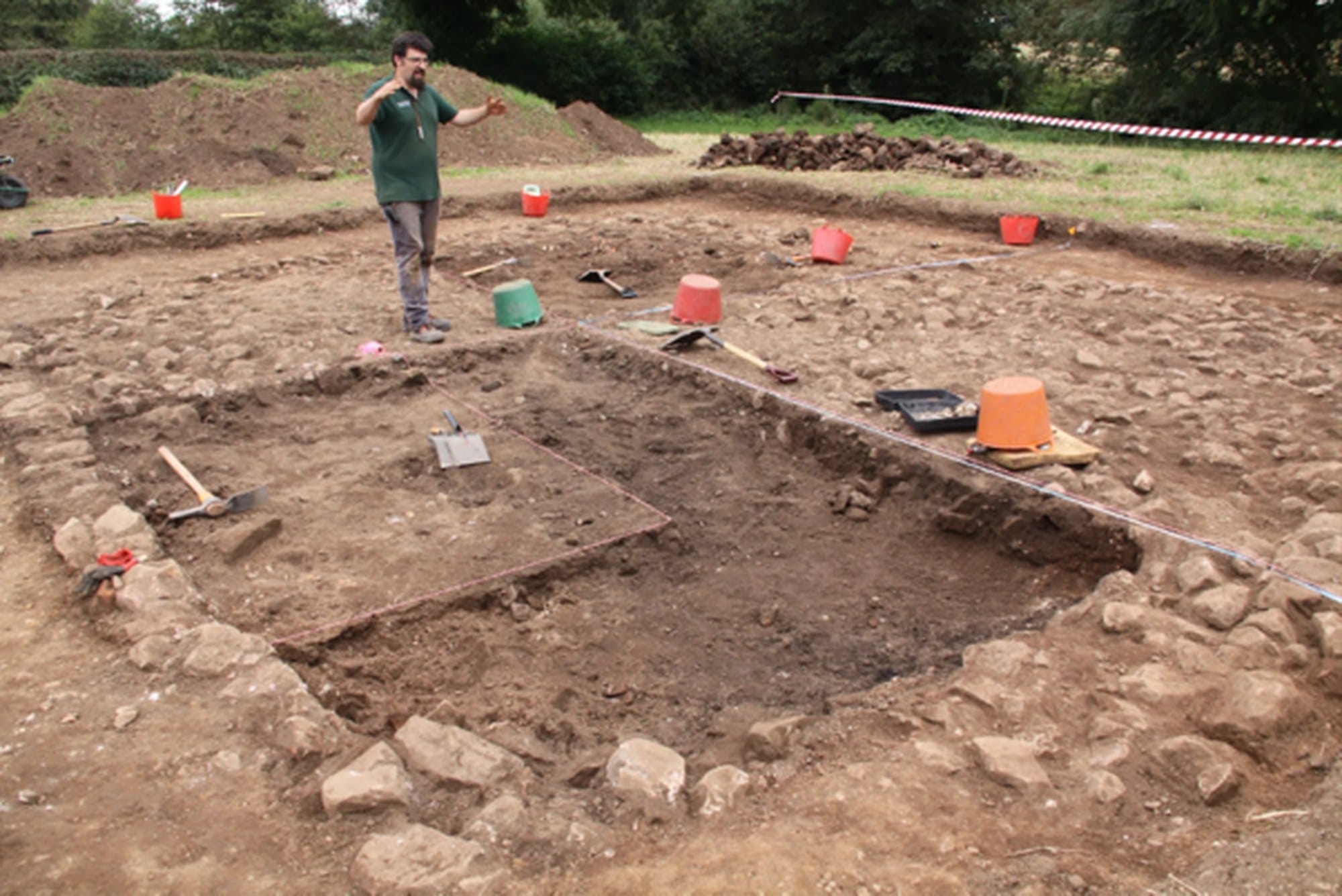
Excavators have also identified features beneath and around the main building that may belong to earlier use of the site. DigVentures reported a possible hearth with a burnt clay surface in Trench 3, where it is investigating the main villa. The relative positions of walls and surfaces are helping the team work out which parts were built, altered or removed in sequence.
The quern's context gives the investigation a firm starting point, although the earlier activity still needs dating and interpretation. The team is examining the finds, environmental samples and field records from the 2026 season. Those results should clarify how the pre-villa layer relates to the later buildings and what kind of occupation preceded them.
A villa that changed over time
The new excavation exposed intact Roman floor levels and remains of a hypocaust, the system that carried heat beneath a raised floor. The University of Chester says the preservation in Trench 1 was better than the team expected. Together with wall relationships in the main range, the floors show that the complex developed in more than one building phase.
In Trench 3, DigVentures recorded walls that appear to have been added or removed as the building changed. Its September field update described a possible hearth and a layout that may preserve an earlier phase. These are provisional readings from excavation; the final sequence will depend on analysis of the recorded layers and finds.
The heating remains are a substantial feature of the complex, and how Roman hypocaust heating worked helps explain why tile supports and floor levels are important to the excavators. Painted wall plaster and other building materials reported from Rossett indicate decorated rooms as well as heated ones. Their distribution may help identify how different parts of the villa were used.
A possible bathhouse beside the main range
Trench 1 contains a separate structure a few metres from the main villa building. Hypocaust remains were reportedly found, a possible plunge pool and a deep feature that might be a drain or an earlier foundation. Its team also identified a tile-stack base while excavating an apse, or D-shaped projection, in September.
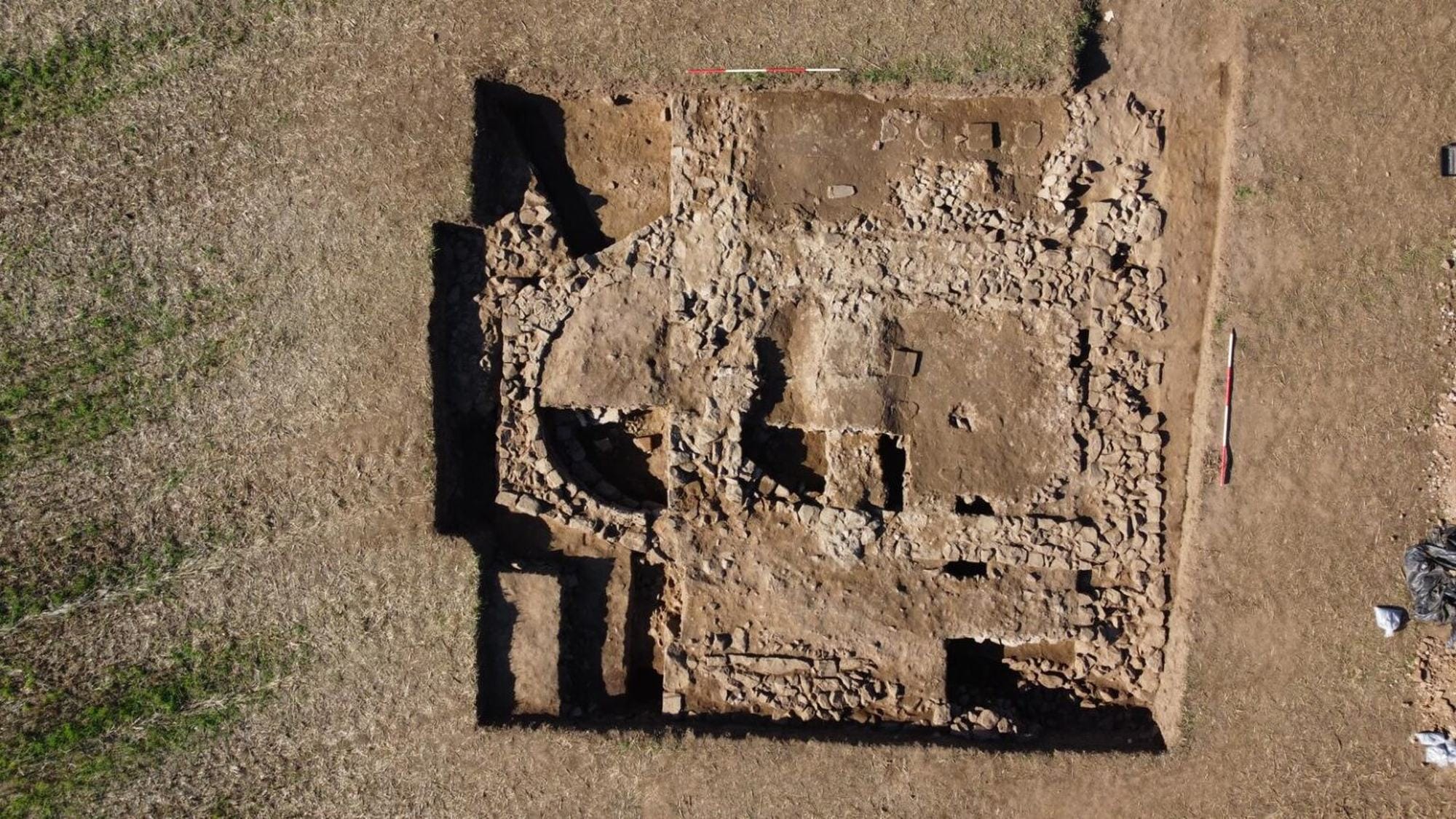
Heneb's October account says the season exposed the villa's western half, including a D-shaped room previously visible as a cropmark and in ground-penetrating radar results. Excavation has now exposed part of that plan in the ground. Together with the heating and possible water-related features reported, this has made a bathhouse an important interpretation for the team.
The University of Chester reports that the structure may have functioned as a bathhouse at one stage of its life. Its changing layout means that any eventual account of the rooms will need to follow the building's phases, rather than give the whole structure one permanent function. The excavators intend to return to Trench 1 to investigate its plan and its relationship to the wider villa.
From a lead ingot to a buried complex
The search began after metal detectorist Rob Jones found an inscribed Roman lead ingot near Rossett in 2019. The find prompted a partnership between the University of Chester, Wrexham Museum and other specialists to examine Roman activity in the area. The ingot was a starting point for survey, rather than an object excavated from the villa itself.
Geophysical work in 2020 revealed the footprint of a winged-corridor villa, with possible outbuildings, a field system and a trackway. Excavation in 2021 confirmed at least two Roman structures. Heneb also records a later medieval building made with stone taken from the Roman remains, evidence that the site continued to affect the landscape after the villa's use ended.
The 2026 season has returned to questions raised by those first investigations: how far the buildings extended, how the rooms changed and what lay below them. Aerial views of Trenches 1 and 3 show the separated areas being excavated. Their relationship is central to reconstructing the complex as a series of buildings and activities across the site, rather than a single isolated house.
A rural site in Roman Wales
The villa's plan and associated field features place Rossett in the history of Roman rural settlement. A villa could combine residence, agricultural work and other activity, so the newly found quern is one useful piece of the site's economic history. Roman agricultural villas as working estates provide a wider comparison, while the Rossett interpretation must follow its own excavated evidence.
Pottery, coins, animal bones, painted plaster and building materials have been recovered across the site. The university reads their combination as evidence of a well-resourced community with connections beyond the immediate area. The particular routes, origins and dates of those connections are questions for detailed study of the artefacts.
Rossett's significance is geographic as well as architectural: it is the first confirmed villa in North Wales, though Roman villas are known elsewhere in Wales. The discovery extends the map of such high-status rural buildings into the north-east. It gives researchers a case through which to examine how wealth, farming and Roman-style building appeared near the western edge of the province.
What happens after the dig
The University of Chester and DigVentures carried out the 2026 work with students, local volunteers and crowdfunding participants. Heneb supported the fieldwork and volunteer supervision, while Wrexham Museum, the Portable Antiquities Scheme and PAS Cymru were among the project partners. Public tours and open afternoons also brought visitors to the site during the season.
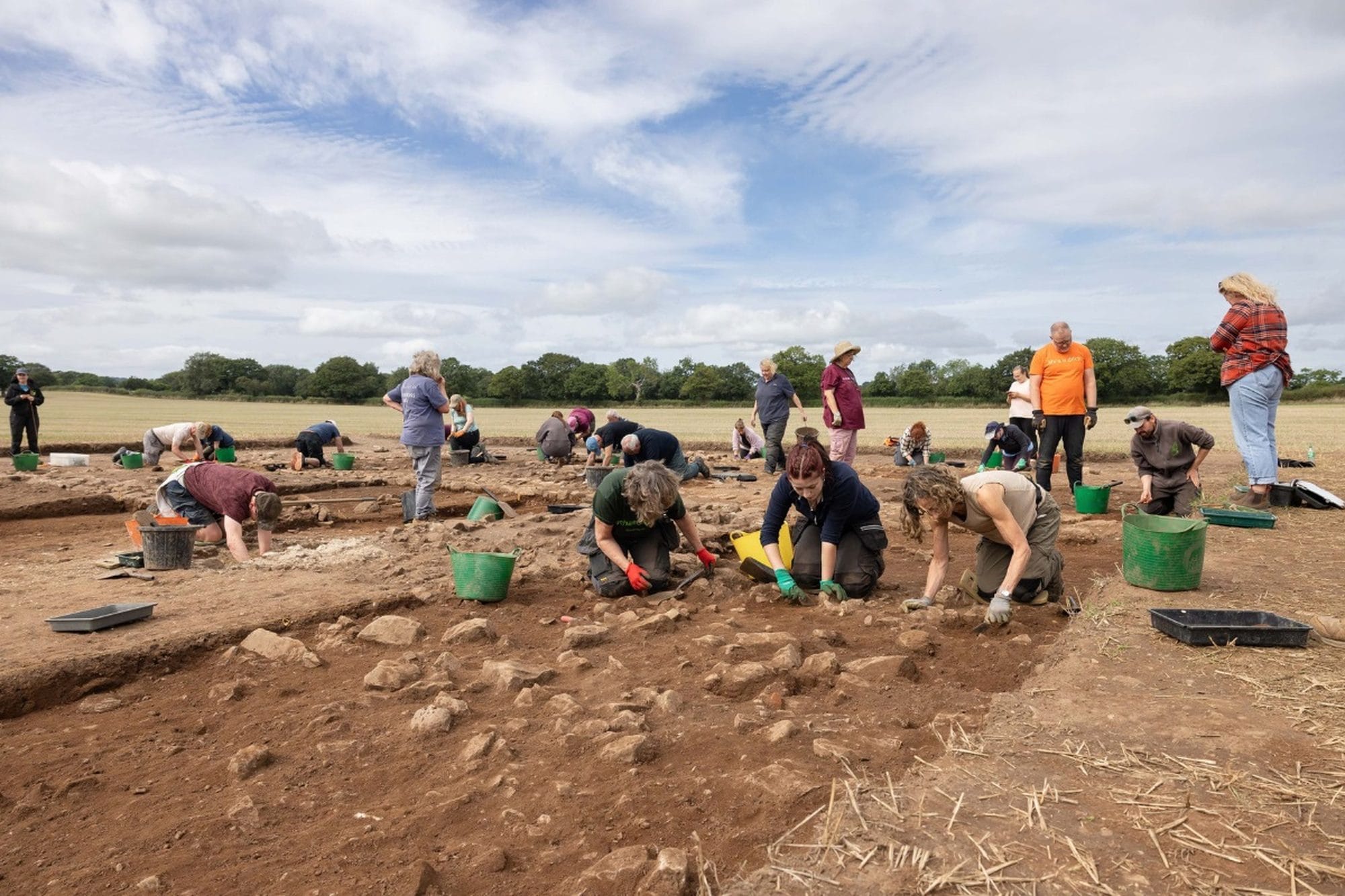
The excavation has moved into analysis of artefacts, environmental samples and records. The university says the results will feed into a public report and guide possible further work in 2027. Establishing the building phases, the function of the heated structure and the date of activity below the villa are the immediate research questions.
The strongest result so far is a more detailed sequence for a Roman complex that changed over time, with a quern beneath its stone-built phase and unusually well-preserved floors and heating above. As the finds are studied, Rossett can show more precisely how a rural community occupied and reshaped this part of Roman Wales.
University of Chester, “New discoveries at Rossett Roman villa shed light on life in Roman Wales,” 5 October 2026.
Heneb, “Collaboration at Rossett Roman Villa, Wrexham,” 6 October 2026.
DigVentures, Rossett Roman Villa fieldwork timeline, September 2026.
Wrexham Council, “Exciting find in Rossett as Roman Villa discovered,” 12 November 2020.
Caroline Pudney and Steve Grenter, “A Roman Villa near Rossett,” Journal of the Chester Archaeological Society 91 (2021); opening page and abstract consulted.



About the Roman Empire Times
See all the latest news for the Roman Empire, ancient Roman historical facts, anecdotes from Roman Times and stories from the Empire at romanempiretimes.com. Contact our newsroom to report an update or send your story, photos and videos. Follow RET on Google News, Flipboard and subscribe here to our daily email.
Follow the Roman Empire Times on social media: