
Gold Earrings Found in a Roman Child’s Grave in Bulgaria
Rescue excavations outside Augusta Traiana’s walls uncovered a child buried with gold jewellery and a coin of Aurelian among 135 graves.

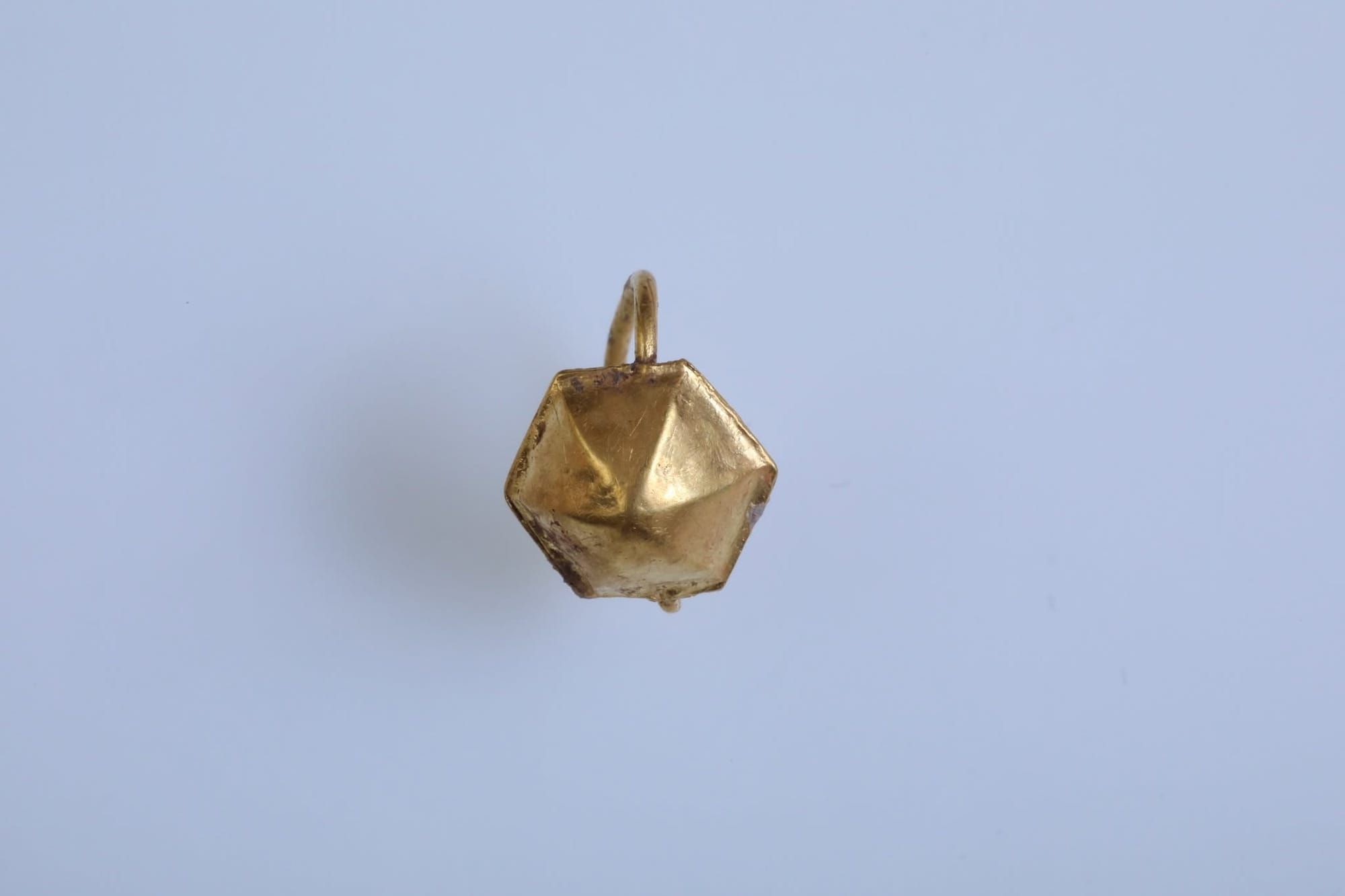
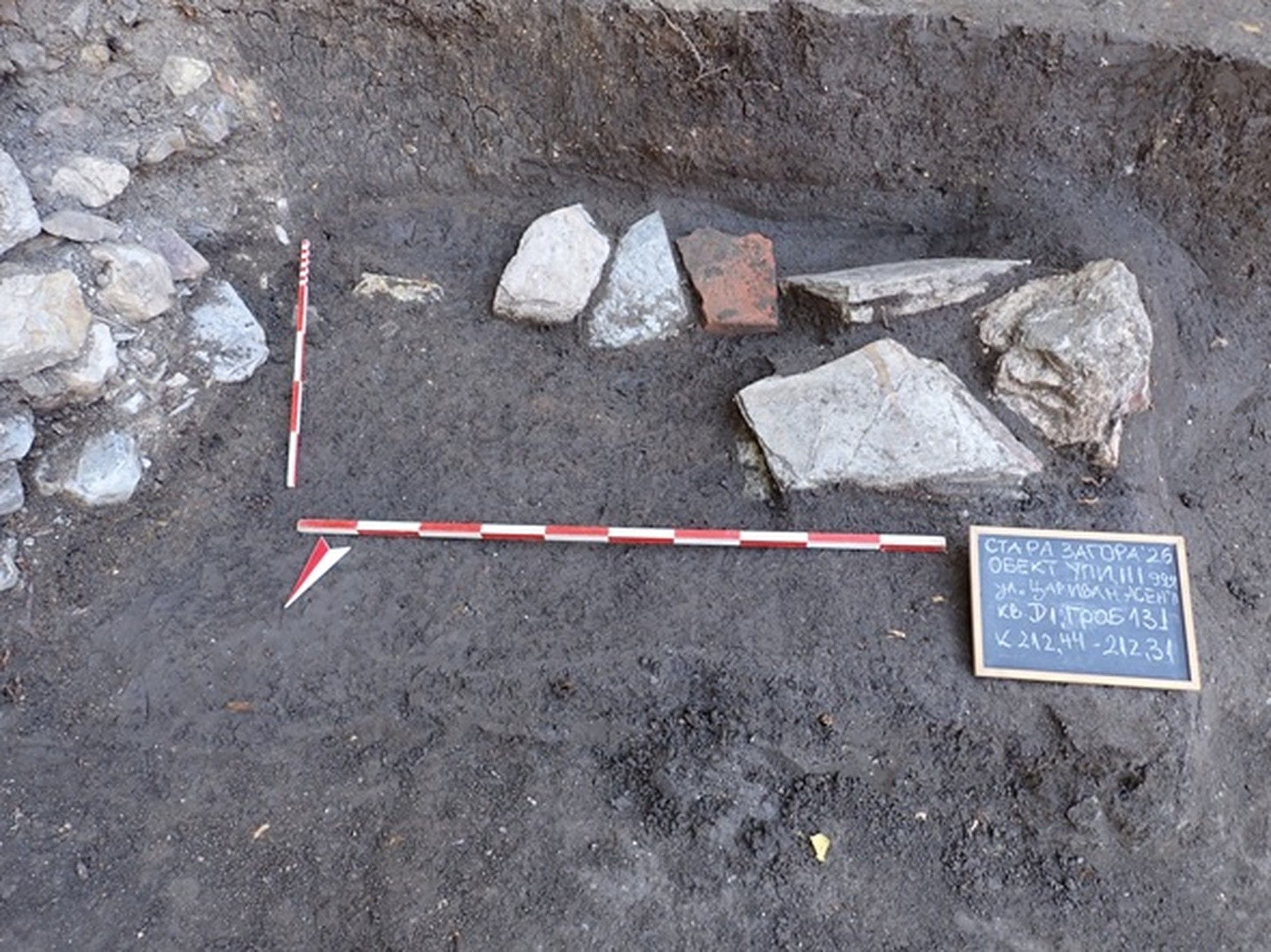
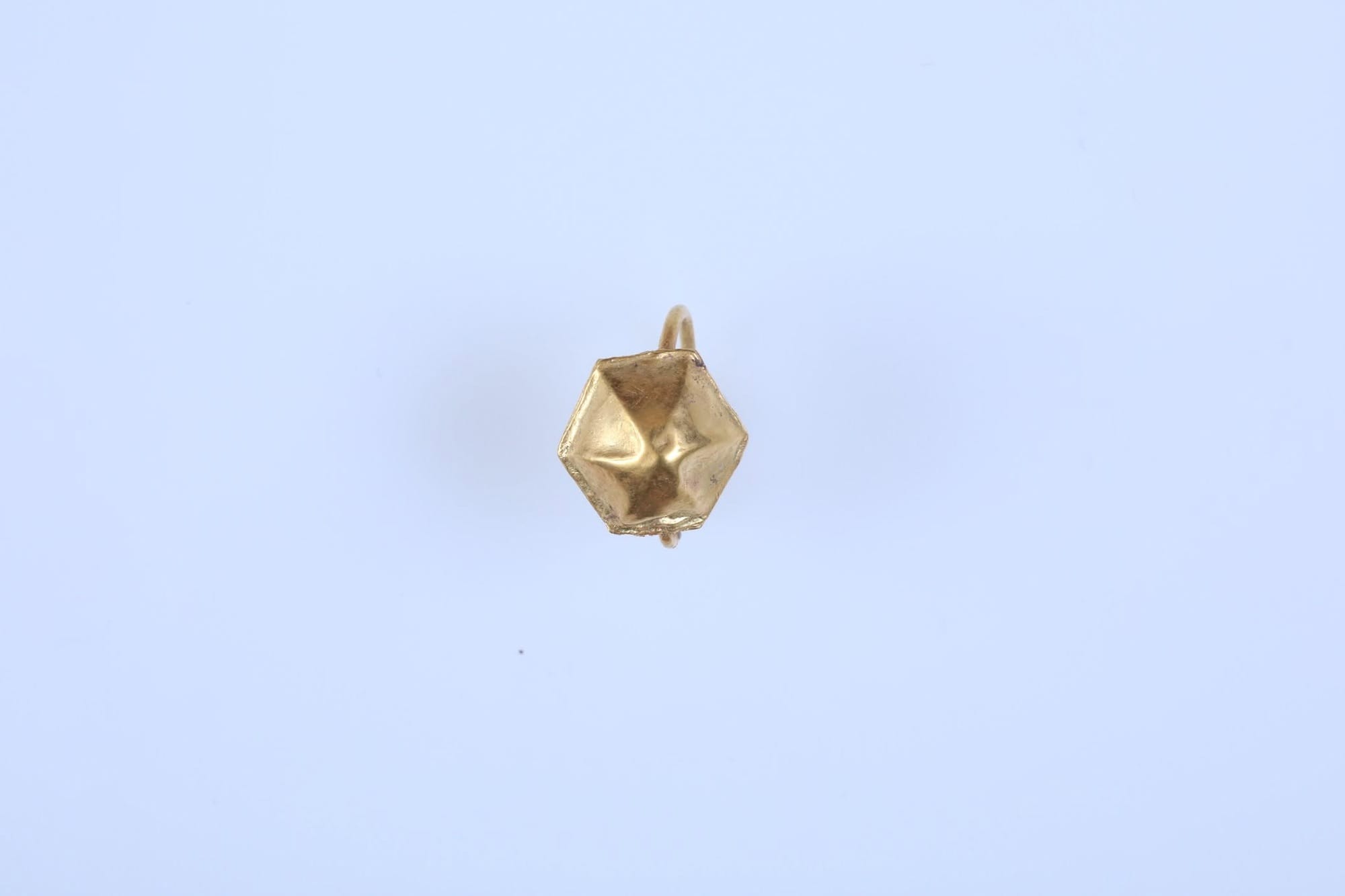
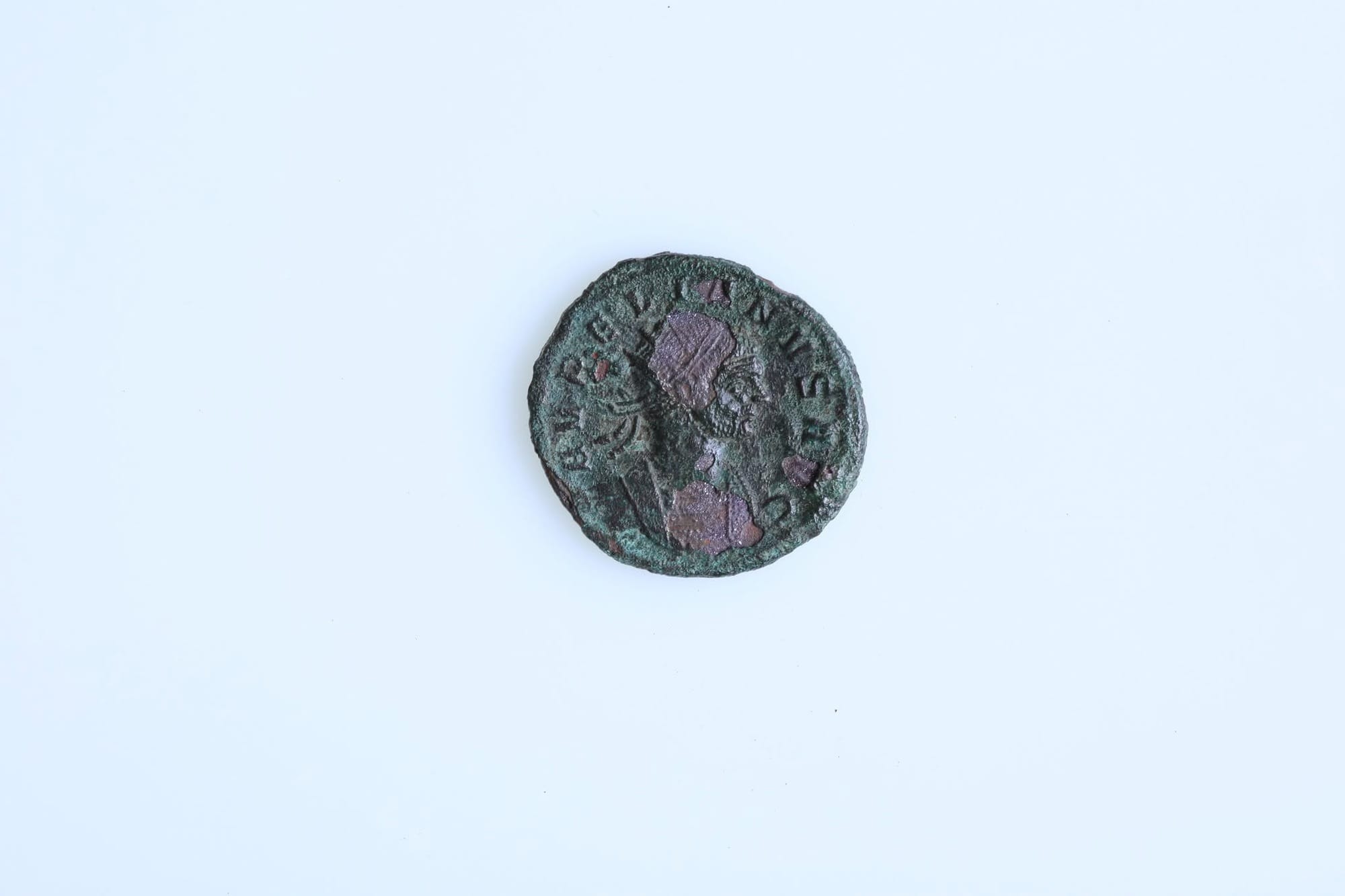
Two gold earrings and a coin of Emperor Aurelian have been found in a child’s grave in Stara Zagora, Bulgaria, during rescue excavations outside the walls of Roman Augusta Traiana. The burial belongs to a cemetery containing 135 graves, uncovered on land intended for a residential building and garages.
The Regional History Museum in Stara Zagora announced the finds on 14 October 2026. Its archaeologists identified the coin as an antoninianus struck at Serdica, present-day Sofia, in AD 274–275, and assigned the grave to that period. The child had been laid with the head to the west and the feet to the east.
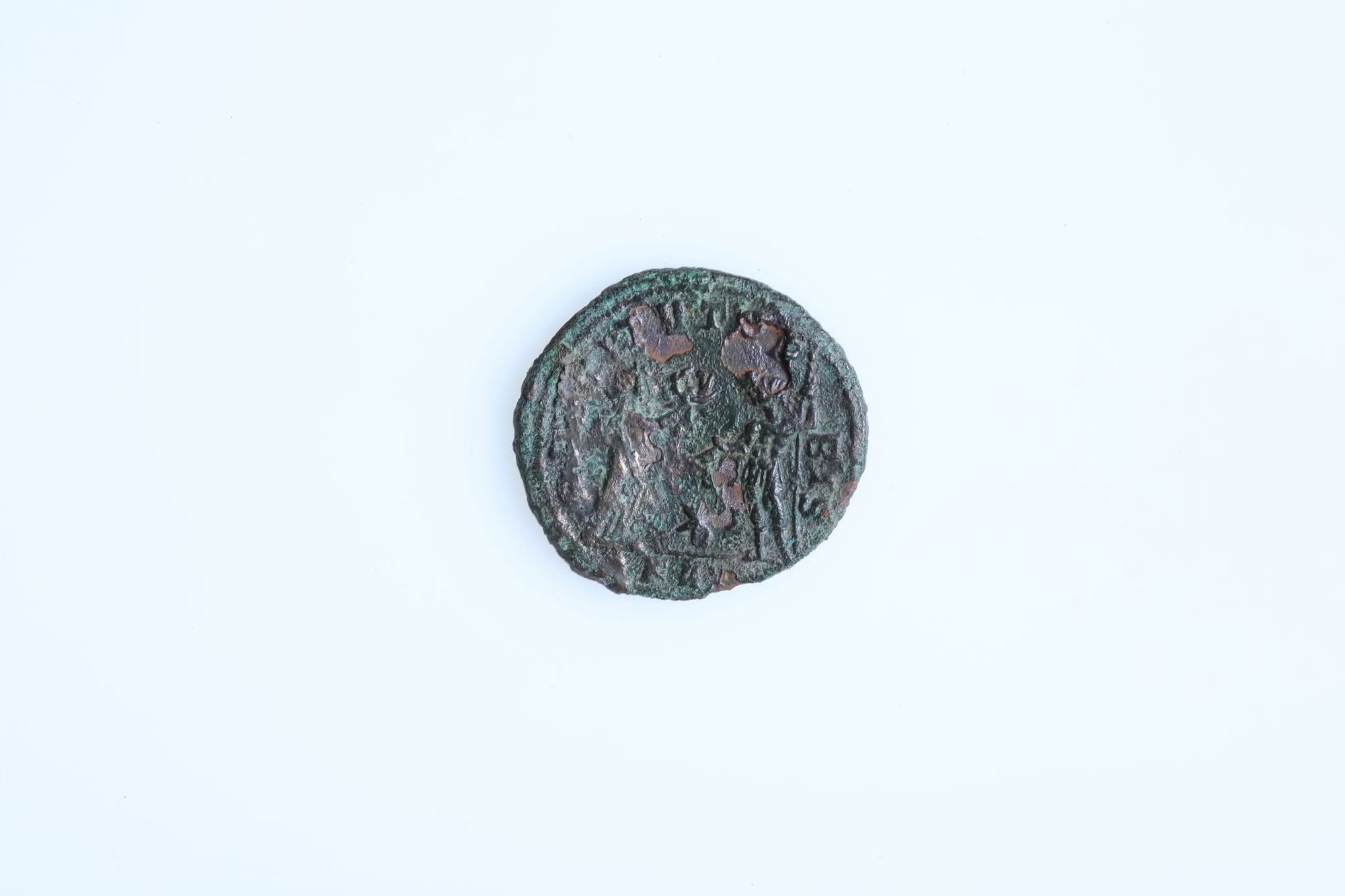
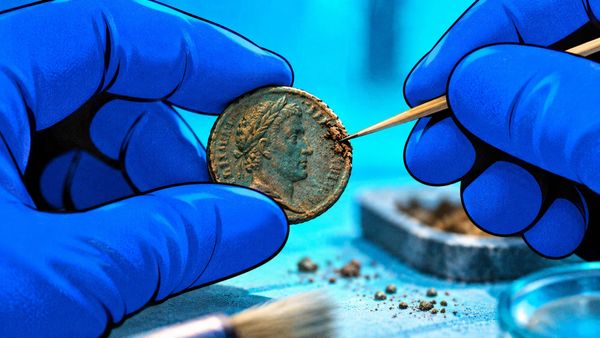
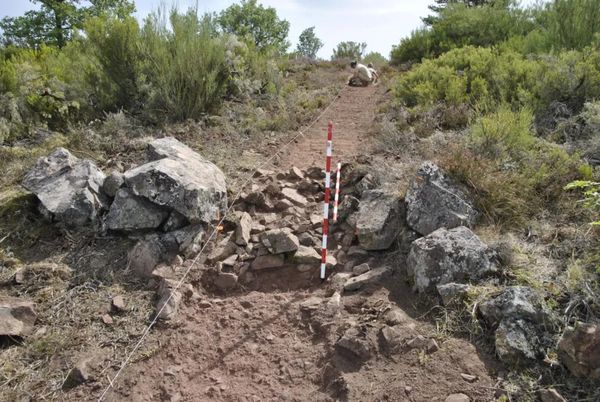
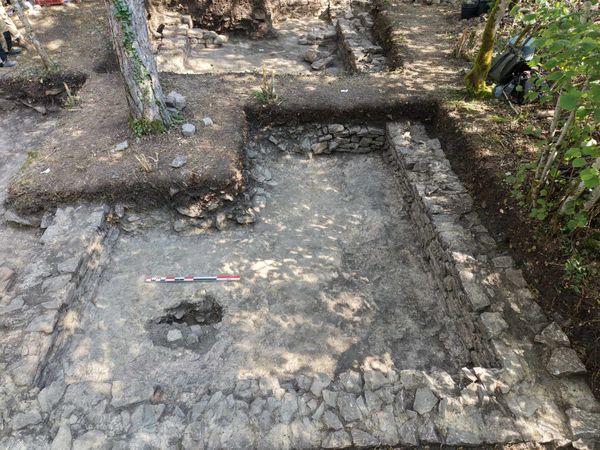
The museum’s photographs show the two earrings individually, alongside both faces of the coin and successive stages of the excavation. Together with the surrounding burials, the finds document personal ornaments and funerary practices in a city whose Roman streets and buildings survive beneath modern Stara Zagora.
A cemetery beneath a building plot
The excavation took place at 91 Tsar Ivan Asen II Street, in the southwestern part of the Augusta Traiana–Vereya–Stara Zagora archaeological reserve. Although the address lies within today’s city, the plot stood outside the fortifications of the ancient settlement, where the team recorded the cemetery.
Archaeologists encountered remains from several periods in the same investigation. The museum lists activity dating from the late second to fourth centuries, the fourth to fifth centuries, the seventeenth to eighteenth centuries, and the late nineteenth to twentieth centuries. The burial ground forms part of this longer sequence of occupation.
The cemetery itself is dated from the late second to the fifth century AD. The child’s burial therefore represents one episode within a burial ground used across several centuries. Its coin supplies a much closer chronological reference than the broad date range assigned to the cemetery as a whole.
The gold ornaments beside the child
The two earrings were recorded as grave goods together with the single coin. The museum labels the separate photographs as the earring from the left ear and the earring from the right ear, preserving their association with each side of the burial in its record of the finds.
Both ornaments have small loops above angular gold bodies. Their surfaces form distinct facets, with triangular outlines visible in the photographs. One is shown closer to the camera than the other, allowing the shape of its ornament and the loop above it to be seen particularly clearly.
The gold jewellery is the most visually prominent part of the assemblage, while its archaeological context comes from the excavation record. It was recovered with the child and the dated coin in a documented grave. The museum’s announcement describes the deceased as a child.
A coin from Aurelian’s final years
The museum identifies the coin by denomination, ruler, mint and issue date: an antoninianus of Aurelian, produced at Serdica in AD 274–275. Those details place its manufacture near the end of the emperor’s reign, which lasted from AD 270 to 275.
Aurelian’s rule belongs to the empire’s troubled third century, when competing imperial powers and military conflict reshaped Roman government. His recovery of territories that had broken away from imperial control forms the subject of our account of Aurelian’s restoration of the Roman Empire. Here, his coin provides a connection between that reign and a burial in Thrace.
A coin’s issue date sets the earliest possible date for its deposition, since coins could remain in use after minting. The excavators place this grave around the period of the Serdica issue. The identification also situates the object within the changing coinage and monetary system of the Roman Empire.
135 graves, with two burial rites
The cemetery contained both cremation burials and inhumations, in which the body was placed in the ground. Four of the recorded burials involved cremation; the others were inhumations. The museum’s inventory therefore describes a burial ground in which the latter practice was overwhelmingly more common.
The graves also varied in construction. Some were ordinary pits covered with tegulae, Roman roof tiles. Others had coverings of bricks or stone slabs, while another group consisted of simple pits without a covering. These differences are recorded alongside the distinction between burned and unburned remains.
The child’s west-to-east alignment is one of the specific observations supplied for this burial. Read alongside the grave types and the two rites, it adds to the local evidence for how Augusta Traiana’s inhabitants buried their dead. The broader practices of cremation, burial and remembrance are discussed in our account of Roman funeral rites and rituals.
What a burial coin could mean
Arkeonews, which reported the discovery on 16 October, raised the possibility that the coin accompanied the child as payment to Charon, the mythical ferryman of the dead. This is a familiar interpretation of coins in Greek and Roman graves; the museum’s announcement records the coin without assigning it a ritual purpose.
Academic research into burial coins has found considerable variation in their placement and use. A study of material from Britain, Germany and areas beyond the Roman frontier examined denomination, metal, age, location in the grave and association with other objects. It found coins near mouths, in purses, around hands or feet, and in grave fill.
That research discusses several possible functions, including payment for passage, provision for the afterlife and protective objects. Pierced coins worn with other charms offered particularly clear evidence for uses beyond currency. For Stara Zagora, Charon’s fare remains a possible interpretation; the secure finding is that a coin accompanied the child alongside the earrings.
Augusta Traiana under modern Stara Zagora
The museum dates the emergence of the Roman town beneath Stara Zagora to Trajan’s reign, AD 98–117. Augusta Traiana developed into an administrative, commercial and manufacturing centre in the province of Thrace. Important trade and military routes linked it with Philippopolis, modern Plovdiv, the coastal cities and Adrianople.
Objects displayed in the museum illustrate the town’s daily life through pottery, lamps, medical instruments, sculpture, and bronze and glass vessels. Inscriptions and architectural remains document its building activity. Part of the main street, the cardo maximus, is preserved beneath the museum building itself, together with an adjacent ancient building.
The new cemetery adds burial evidence to that urban picture: different grave coverings, two funerary rites and a child accompanied by gold ornaments and an imperial coin. The earrings preserve the forms of the jewellery, while the Serdica issue anchors the excavators’ dating. The meaning attached to those objects by the people who buried the child remains the open question.
About the Roman Empire Times
See all the latest news for the Roman Empire, ancient Roman historical facts, anecdotes from Roman Times and stories from the Empire at romanempiretimes.com. Contact our newsroom to report an update or send your story, photos and videos. Follow RET on Google News, Flipboard and subscribe here to our daily email.
Follow the Roman Empire Times on social media: