
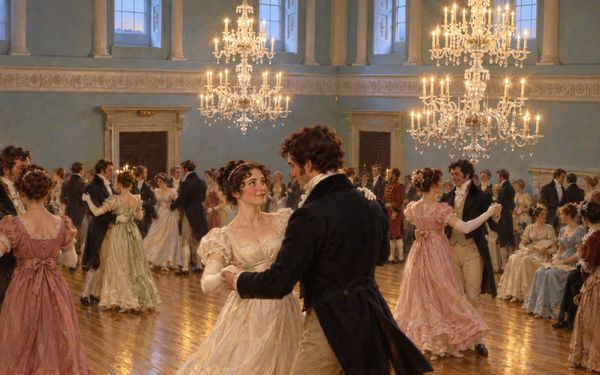
Where Jane Austen was Dancing in Bath, Roman Artifacts Were Found Below the Ballroom
Roman ditches and a trove of finds beneath Bath Assembly Rooms extend the known footprint of Aquae Sulis, below a ballroom Jane Austen knew.

Roman Empire Times
Owner, explorer and history lover
Porto, Portugal
Hailing from the vibrant city of Athens, George's love for Ancient Greece and the Roman Empire drives him to write short stories inspired by the illustrious tales of these glorious times.
I write for Roman Empire Times about Roman archaeology, new discoveries and the research shaping our understanding of the ancient world. I’m from Athens, Greece, and based in Portugal.
I cover excavations, inscriptions, coins, monuments and the objects Romans left behind. My work follows new archaeological findings and revisits familiar historical stories through ancient evidence and modern scholarship.
My subjects range from a perfume bottle preserved at Pompeii to the networks revealed by millions of Roman coins. Across that coverage, I bring together the discovery, its historical setting and the people whose lives it helps illuminate.
My professional background spans digital publishing, technology and marketing. It includes digital revenue management and growth strategy at the Times of Malta, general management and digital strategy at Greek Reporter, and helping build ColombiaOne’s website and editorial team.
I studied geology and meteorology at Aristotle University of Thessaloniki. Alongside Christina Athanasiou, I co-own Sensei Minimal and help run Roman Empire Times, an independent publication launched in October 2023.
I follow Roman Empire Times’ editorial guidelines, grounding factual stories in reliable research and clearly attributed sources. I distinguish evidence from interpretation, explain significant historical disagreements and keep fictional storytelling clearly identified. I welcome corrections and information that helps improve our coverage. For factual corrections, please follow our corrections policy.
Saved articles stay in this browser. They do not sync across devices.
No saved articles yet.
Roman ditches and a trove of finds beneath Bath Assembly Rooms extend the known footprint of Aquae Sulis, below a ballroom Jane Austen knew.

Palace plots, chariot races and spectacularly bad decisions: our countdown ranks ten Roman series for your next binge, from gritty drama to irreverent comedy.
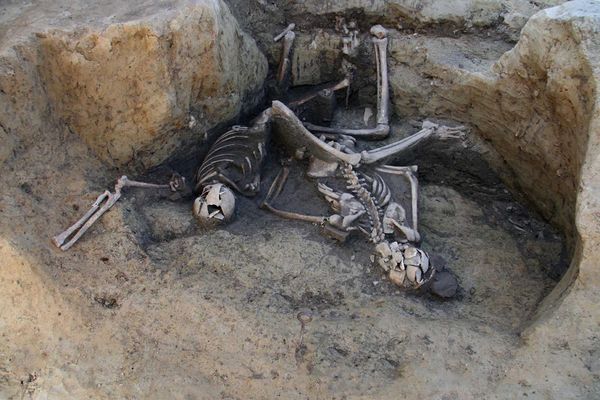
Ancient DNA from four of seven men buried at Roman Mursa shows varied ancestry. Bone wounds point to violence, while the burial’s exact cause remains uncertain.
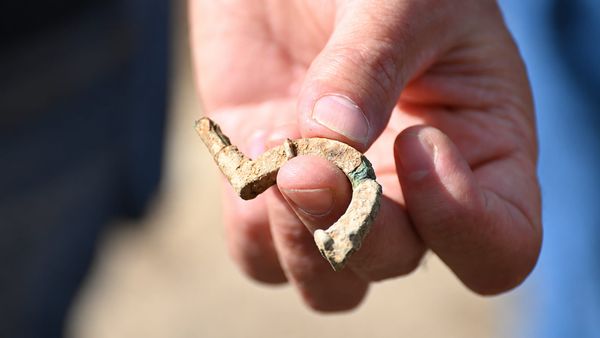
A brooch and pottery near Kapersburg's Roman temple may point to later use of the site. New research adds context to the changing German frontier.
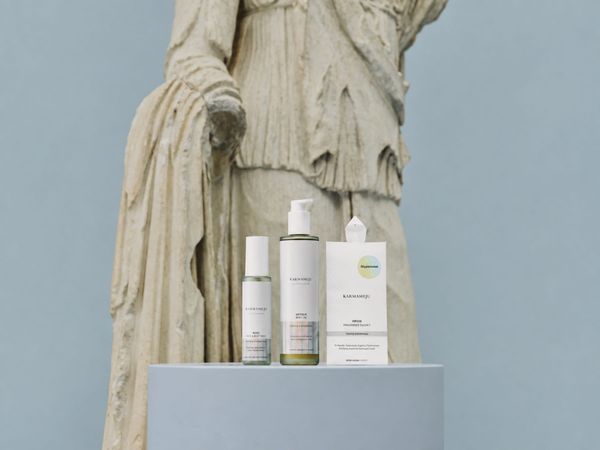
Four scent stations and three modern products reveal how the Glyptotek and Karmameju interpret Roman fragrance, from ancient texts to a sealed perfume flask.
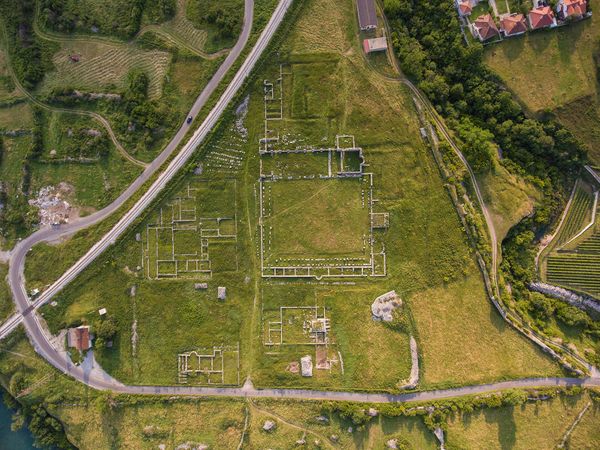
A study of Doclea’s forum and basilica in Montenegro places their main construction in the first century CE, before later work in Diocletian’s era.
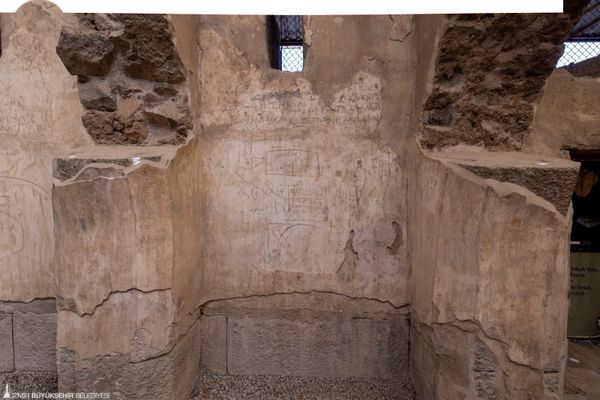
Three late-antique rooms with mosaic and marble floors accompany newly reported wall paintings around Smyrna’s agora and theater in modern İzmir.
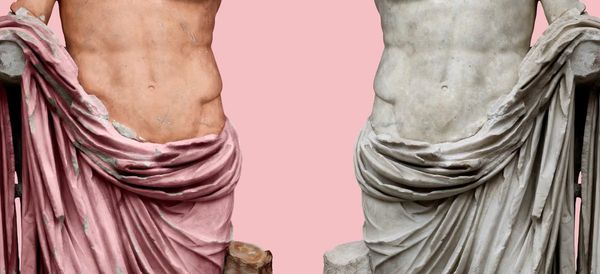
A pink Tiberius, surviving tunics and imperial boots anchor the Glyptotek’s new exhibition on how Romans used appearance to present authority.
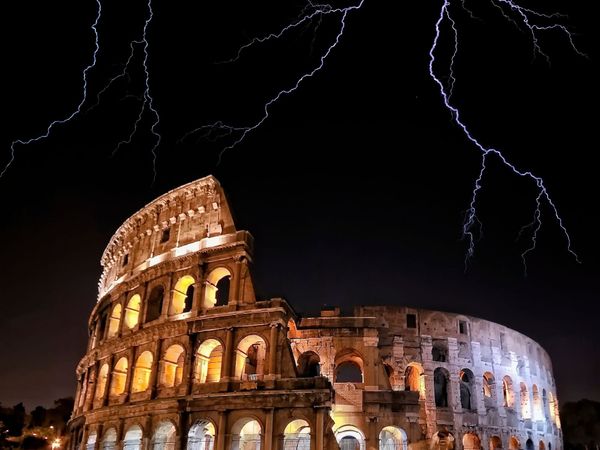
An inscribed slab found in place at Hadrian’s Villa points to a Roman lightning rite. Its ancient parallels show what the evidence can – and cannot – tell us.
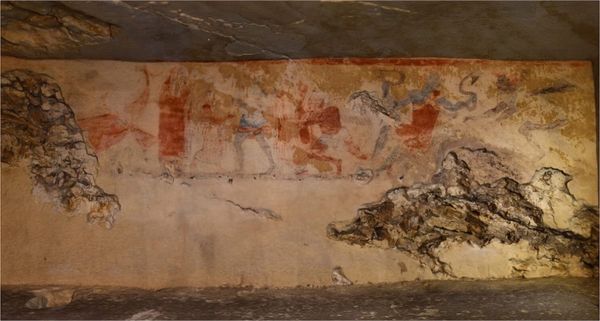
A study of two painted tombs at Tarquinia combines acoustic measurements and AI models to test how their spaces may have guided ancient visitors.

Cato layered grain dough with fresh cheese centuries before macaroni and cheese. His Roman recipes reveal a surprising backstory, with important differences.
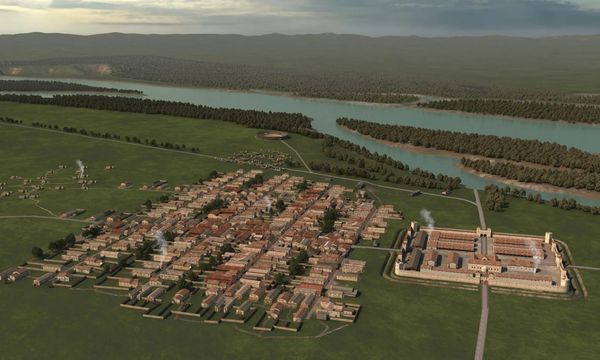
Surveys at Stein in Lower Austria reveal a planned Roman settlement and an amphitheater estimated for 8,000 people. Its identification as Claudivium remains uncertain.
Excavations at Kapersburg in Germany’s Taunus reveal a Roman temple, votive stones and a Victoria figure, while later finds raise questions about life beyond the Limes.
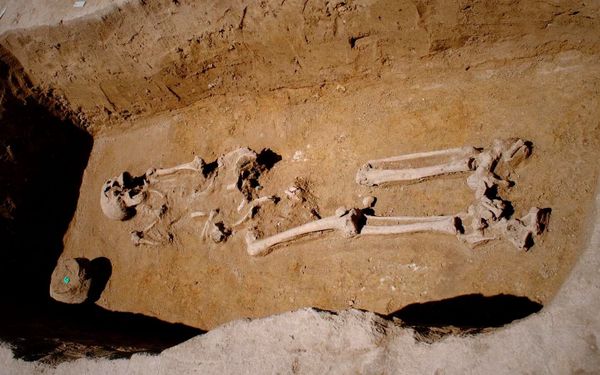
A study of 314 genomes from seven cemeteries in former Roman Pannonia traces migration and shows how neighbouring sixth-century communities differed.
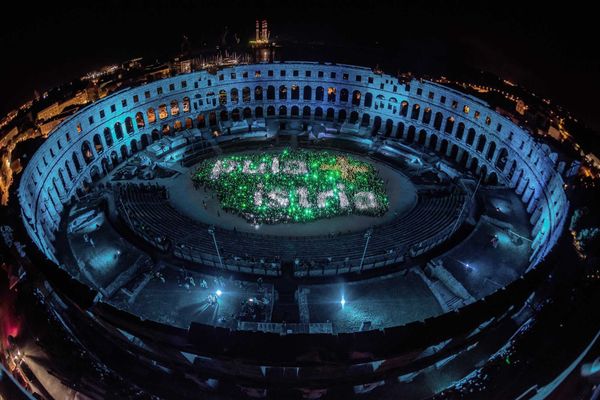
Over three September evenings, Visualia brought projections and installations to Pula’s historic centre. The programme reached the Roman Forum and Small Roman Theatre.
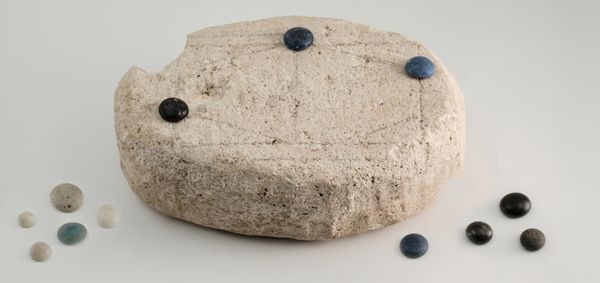
A marked stone from Coriovallum fits several simulated blocking games. The study narrows the possibilities without recovering the exact rules Roman players used.