
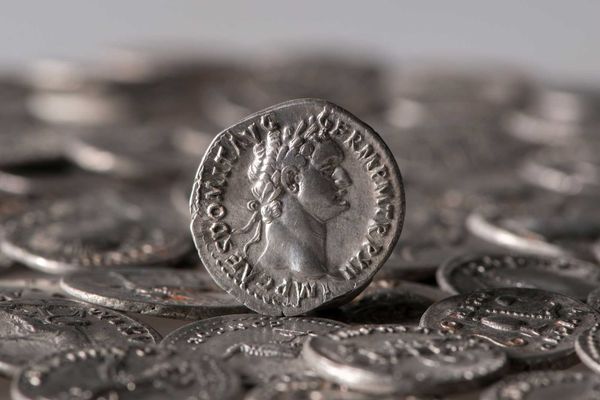
Watch: Metal Detectorist Finds 934 Roman Silver Coins Near Cologne
A reported 934 denarii recovered near Wesseling form an unusually large hoard from Hadrian’s era. Archaeologists have not identified who buried them or why.

Roman Empire Times
Owner, explorer and history lover
Porto, Portugal
Hailing from the vibrant city of Athens, George's love for Ancient Greece and the Roman Empire drives him to write short stories inspired by the illustrious tales of these glorious times.
I write for Roman Empire Times about Roman archaeology, new discoveries and the research shaping our understanding of the ancient world. I’m from Athens, Greece, and based in Portugal.
I cover excavations, inscriptions, coins, monuments and the objects Romans left behind. My work follows new archaeological findings and revisits familiar historical stories through ancient evidence and modern scholarship.
My subjects range from a perfume bottle preserved at Pompeii to the networks revealed by millions of Roman coins. Across that coverage, I bring together the discovery, its historical setting and the people whose lives it helps illuminate.
My professional background spans digital publishing, technology and marketing. It includes digital revenue management and growth strategy at the Times of Malta, general management and digital strategy at Greek Reporter, and helping build ColombiaOne’s website and editorial team.
I studied geology and meteorology at Aristotle University of Thessaloniki. Alongside Christina Athanasiou, I co-own Sensei Minimal and help run Roman Empire Times, an independent publication launched in October 2023.
I follow Roman Empire Times’ editorial guidelines, grounding factual stories in reliable research and clearly attributed sources. I distinguish evidence from interpretation, explain significant historical disagreements and keep fictional storytelling clearly identified. I welcome corrections and information that helps improve our coverage. For factual corrections, please follow our corrections policy.
Saved articles stay in this browser. They do not sync across devices.
No saved articles yet.
A reported 934 denarii recovered near Wesseling form an unusually large hoard from Hadrian’s era. Archaeologists have not identified who buried them or why.
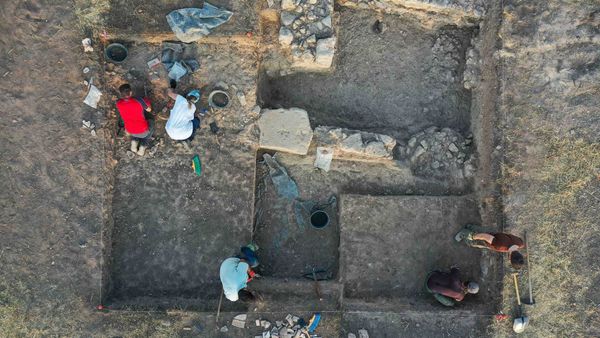
A kitchen from the age of Augustus and Tiberius preserves imported Roman cookware beside pottery rooted in local Turmogi traditions.
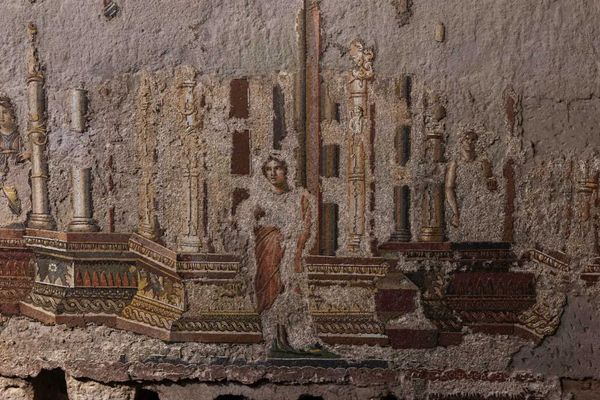
Restored first-century wall art beneath the Baths of Trajan is now open in controlled visits, alongside new excavation results from Colle Oppio.
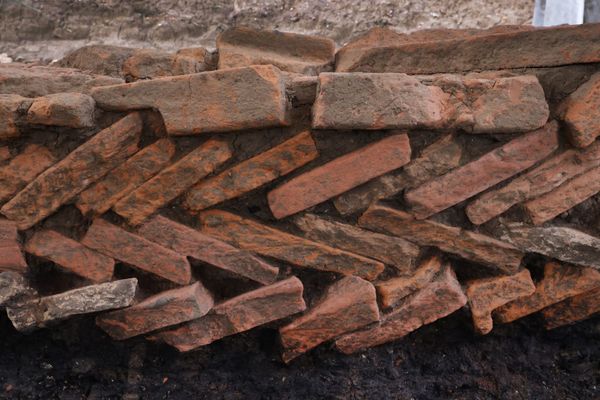
Excavators at Stramonte have uncovered part of a second- to third-century Roman building, along with fire damage and evidence for metalworking nearby.
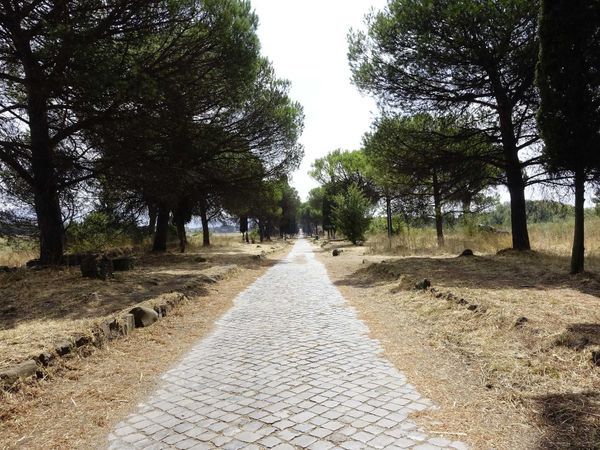
A new study of nearly 300,000 kilometres of Roman roads shows how terrain and provincial cities shaped a network that was not centred on Rome.
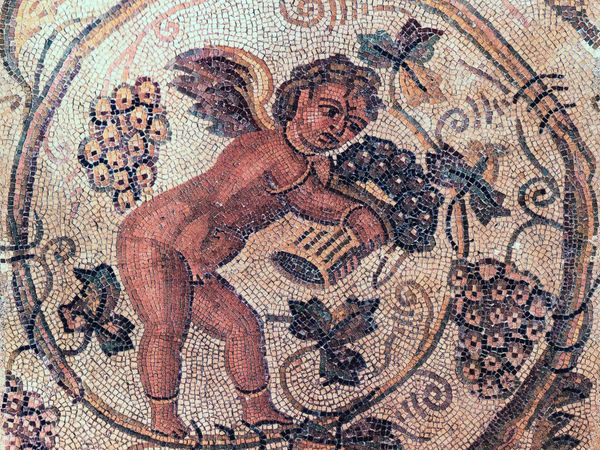
Ancient vineyard practices, cellar instructions and judgements of quality complicate the idea that good wine is a modern achievement.
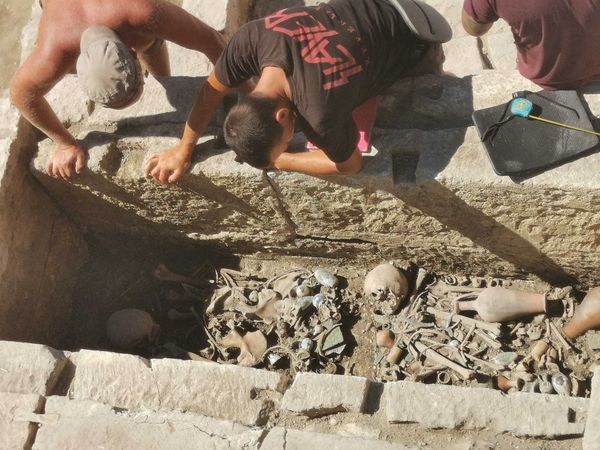
A young woman’s probable identification connects human remains with a named family memorial in the cemetery outside Chersonesus.
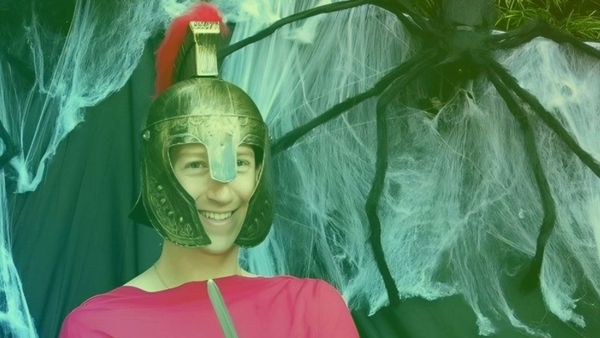
Zuckerberg’s family dressed up as Romans for Halloween—simple costumes, big reactions. The look fits a long pattern: he keeps it low-key while steering attention. Rome had a word for that balance. So do markets.
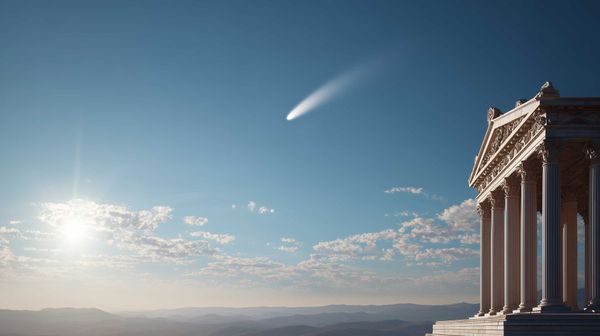
In 44 BCE a bright star rose over Caesar’s funeral games. Romans called it the Julian Star. Poets, coins, and politics made it immortal. What really appeared—and how did it become proof of a god?
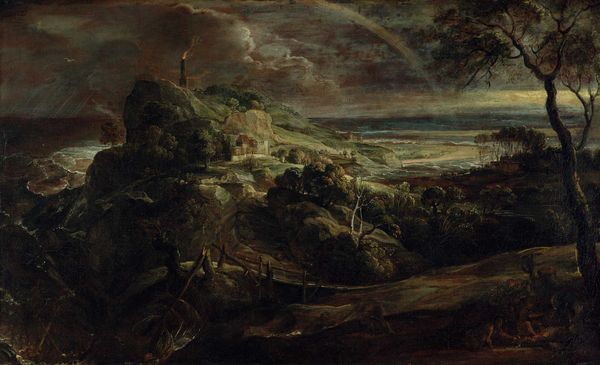
Winter seas closed, rivers burst their banks, and rare “medicanes” raked the coast—yet Rome kept grain and shipping moving. The Empire had enforced weather rules, from mare clausum schedules and storm-proof ports to timed monsoon runs.
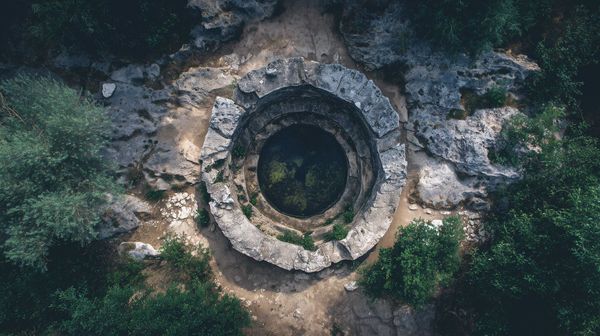
A decade-old excavation in Osijek, Croatia, revealed seven intact skeletons in a Roman well. A paper just published in PLOS ONE re-examines the find and argues they were likely soldiers from a third-century clash near Mursa.
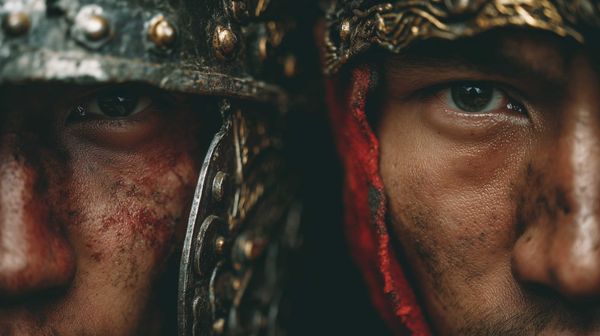
Which empire really “ruled the map”? The answer depends on what we count and when we take the snapshot. Let's set the rules first—then follow three peaks (Rome under Trajan, Alexander’s lightning-built realm, and the Mongol high plateau) to see what the numbers can prove—and what they can’t.
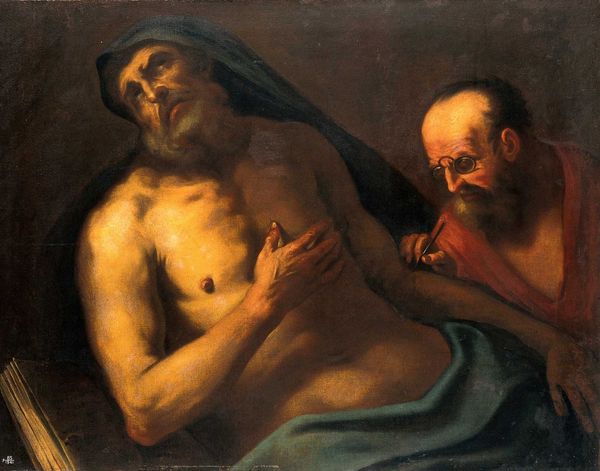
Romans spoke of voluntaria mors—“a voluntary death”—long before Europe coined the word “suicide.” From Cato at Utica to Seneca in a warm bath, and from battlefield honor to comic threat, the Roman world weighed self-killing through philosophy, law, and performance.
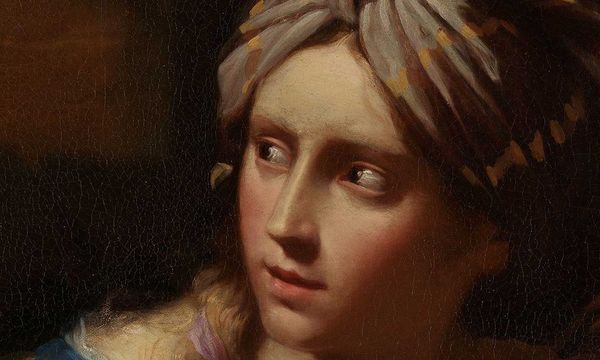
Artists treated a specific theme as lesson, controversy, and dare, painting it in registers that range from luminous piety to disquieting eroticism.
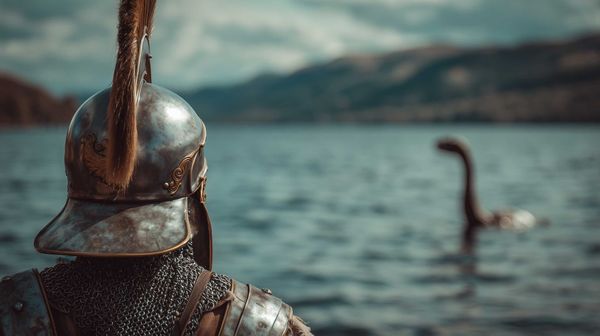
A Roman Nessie? The literary record is quiet, yet northern stones, a saint’s tale on the River Ness, and a 20th-century media storm keep the question alive.
From temple rites to family altars and funerals, incense in the Roman Empire was a ritual tool with global supply chains, moral debates, and political weight.