
Niche Perfumes in Ancient Rome: How Did Emperors Smell Like?
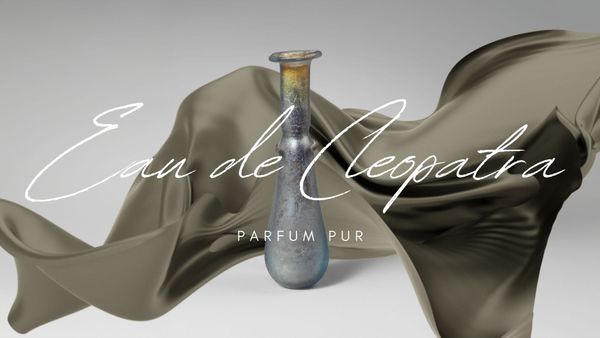
Elite Romans treated scent as strategy. From Cleopatra’s Mendesian blends to Nero’s perfumed banquets, ancient niche perfumes signaled rank, taste, and power.

Roman Empire Times
Owner, explorer and history lover
Porto, Portugal
Hailing from the vibrant city of Athens, George's love for Ancient Greece and the Roman Empire drives him to write short stories inspired by the illustrious tales of these glorious times.
I write for Roman Empire Times about Roman archaeology, new discoveries and the research shaping our understanding of the ancient world. I’m from Athens, Greece, and based in Portugal.
I cover excavations, inscriptions, coins, monuments and the objects Romans left behind. My work follows new archaeological findings and revisits familiar historical stories through ancient evidence and modern scholarship.
My subjects range from a perfume bottle preserved at Pompeii to the networks revealed by millions of Roman coins. Across that coverage, I bring together the discovery, its historical setting and the people whose lives it helps illuminate.
My professional background spans digital publishing, technology and marketing. It includes digital revenue management and growth strategy at the Times of Malta, general management and digital strategy at Greek Reporter, and helping build ColombiaOne’s website and editorial team.
I studied geology and meteorology at Aristotle University of Thessaloniki. Alongside Christina Athanasiou, I co-own Sensei Minimal and help run Roman Empire Times, an independent publication launched in October 2023.
I follow Roman Empire Times’ editorial guidelines, grounding factual stories in reliable research and clearly attributed sources. I distinguish evidence from interpretation, explain significant historical disagreements and keep fictional storytelling clearly identified. I welcome corrections and information that helps improve our coverage. For factual corrections, please follow our corrections policy.
Saved articles stay in this browser. They do not sync across devices.
No saved articles yet.
Elite Romans treated scent as strategy. From Cleopatra’s Mendesian blends to Nero’s perfumed banquets, ancient niche perfumes signaled rank, taste, and power.
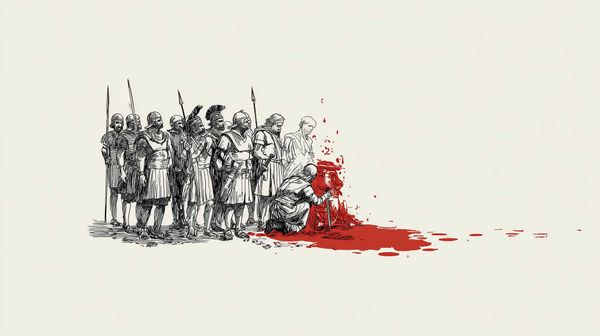
Political murder rarely restores an old order; in Rome it rewired incentives, putting armies, money and short-term bargains above process. From Caesar’s Ides to the auction of 193, assassinations taught Romans to price power—and to expect violence to decide it.
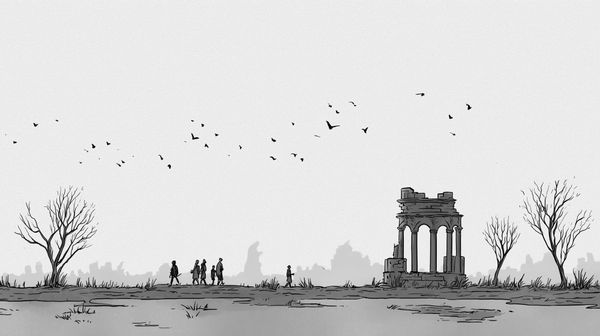
The Roman Empire’s great plagues reshaped not only society but also nature. New science shows that during times of crisis, pollution levels dropped and the Mediterranean briefly healed.
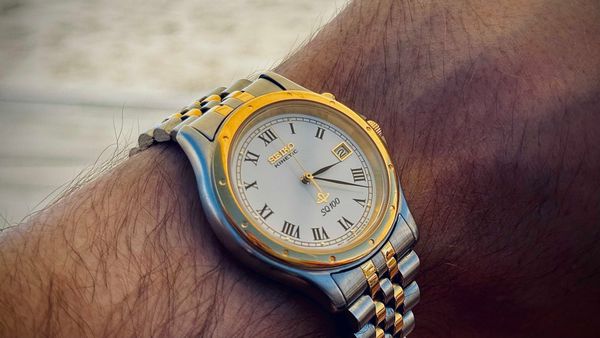
Roman numerals on watch dials are more than decoration — they’re heritage. From medieval towers to Swiss ateliers, the choice of numerals, and the curious survival of IIII, reveals a story where symmetry, superstition, and prestige meet.

Netflix’s revival of Spartacus will thrill fans of gladiatorial drama. For history-minded viewers, though, the series remains a stylized fiction that recasts a fragmentary past into soap-operatic certainties.
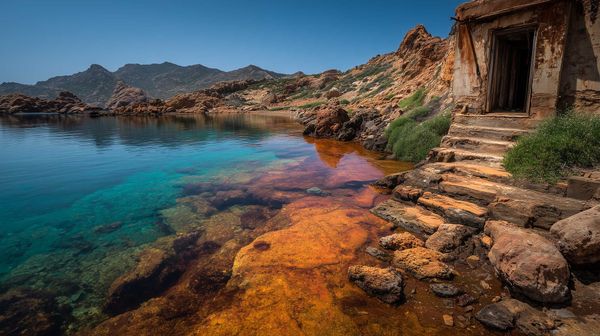
Rome’s silver and gold wealth carried an unseen price. Mining and smelting poured lead into the air and seas, leaving a chemical signature in the Mediterranean that scientists can still measure today.
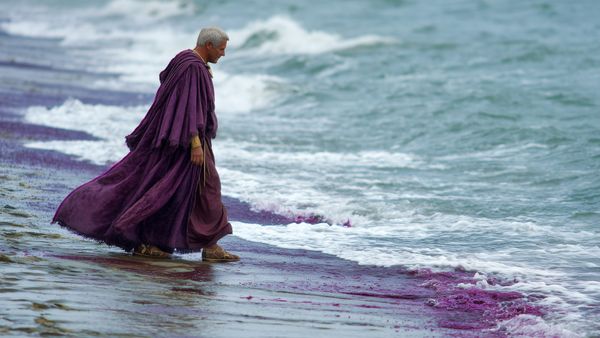
Rome’s emperors wrapped themselves in purple, a color that signaled power and divinity. But beneath the gleam lay stinking vats, mountains of broken shells, and coastlines scarred by waste. The latest discoveries at Tel Shiqmona reveal the hidden cost of Rome’s most famous luxury.
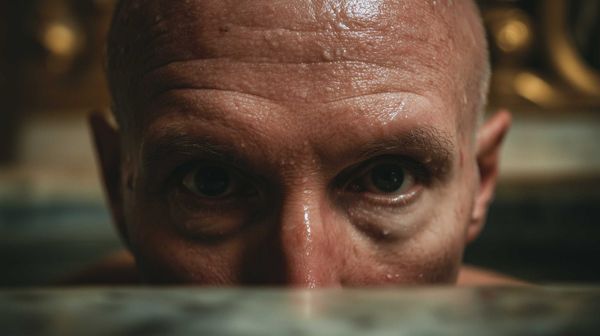
A newly discovered sunken bathhouse at Baiae may have belonged to Cicero. For Rome’s sternest moralist, the irony is sharp: the prophet of virtue and temperance relaxing in the Empire’s most notorious playground.
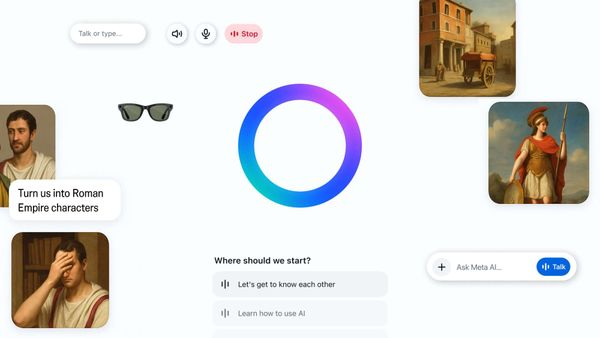
Mark Zuckerberg’s latest Meta AI announcement once again reveals his deep fascination with the Roman Empire, weaving ancient imagery into modern tech ambitions.

Elon Musk sparked outrage at Trump’s inauguration with a salute resembling the Nazi “Sieg Heil.” Some already claim it was 'just' a Roman salute, is that true though?
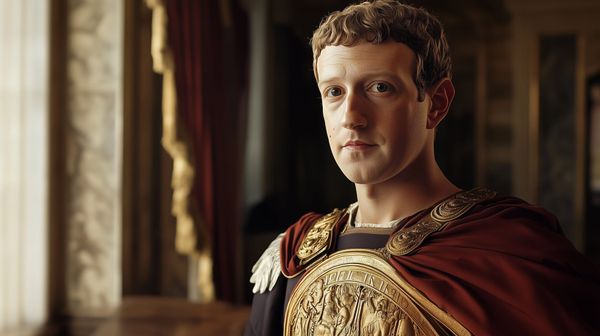
Mark Zuckerberg’s fascination with the Roman Empire, from wearing Latin slogans like “Aut Zuck Aut Nihil” to references to Augustus, is more than just symbolic. Could his obsession hint at a deeper connection to the ancient ruler himself?
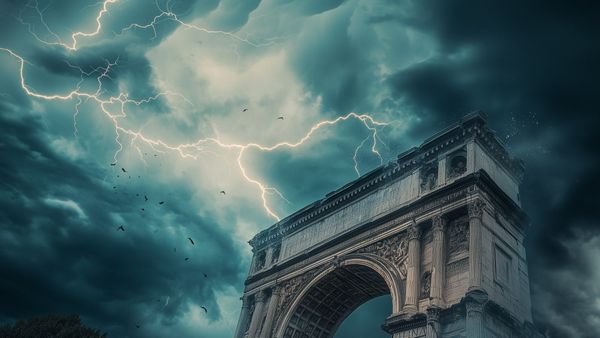
The Arch of Constantine was damaged by a lightning strike, raising concerns about how well ancient monuments are prepared for climate disasters.
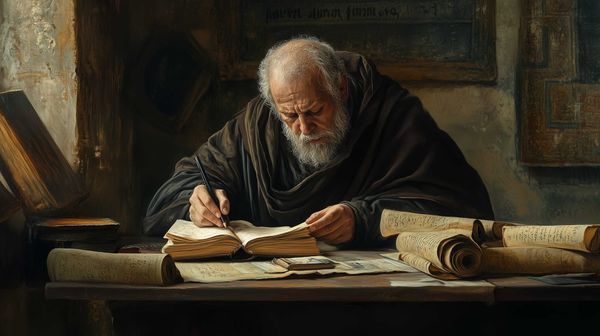
How have “Meditations” or better yet” To himself”, the thoughts of Marcus Aurelius survived through the centuries?
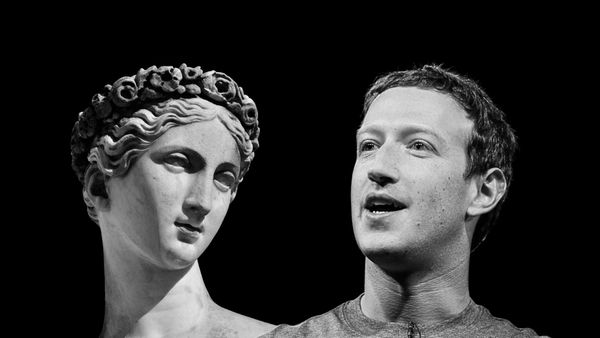
Mark Zuckerberg revives Roman tradition with a sculpture of his wife, blending historical admiration with personal tribute in a public display.
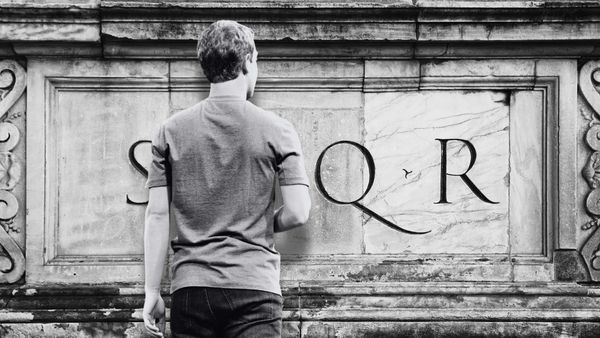
Mark Zuckerberg, the co-founder and CEO of Meta, has long displayed a fascination with the Roman Empire, particularly with Emperor Augustus. This, combined with his playful AI-driven recreation of himself as a Roman gladiator, highlights his deep-seated interest in Roman history and its figures.
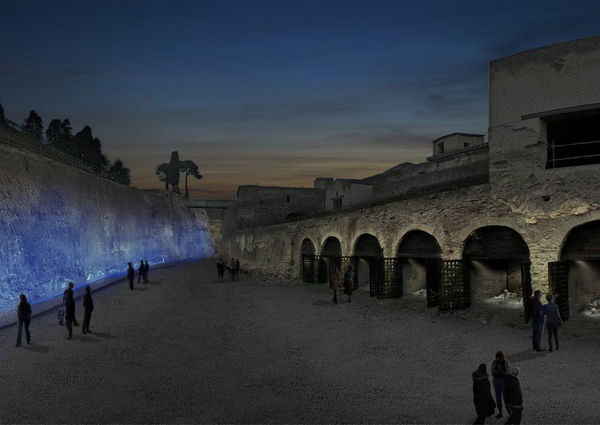
The ancient beach of Herculaneum has been meticulously restored and reopened to the public, offering a unique glimpse into Roman history.