
Ancient Roman Building and Metalworking Site Emerges in Ligornetto
Excavators at Stramonte have uncovered part of a second- to third-century Roman building, along with fire damage and evidence for metalworking nearby.

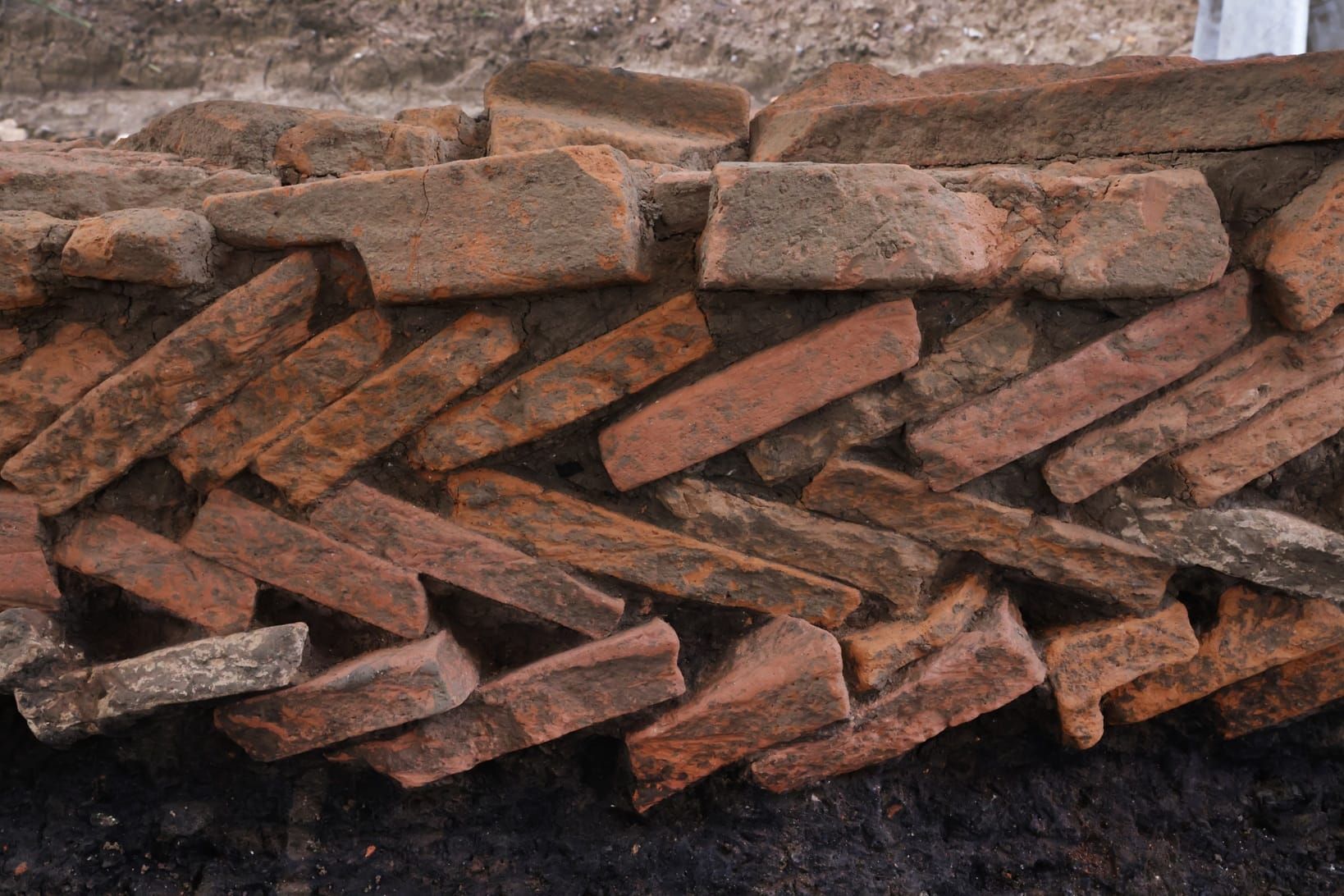
An archaeological excavation in Ligornetto, in the Swiss canton of Ticino, has uncovered part of a Roman-period building beside a small road. The Archaeology Service of the cantonal Cultural Heritage Office announced the find on September 10, 2026, after beginning work at the Stramonte site in June.
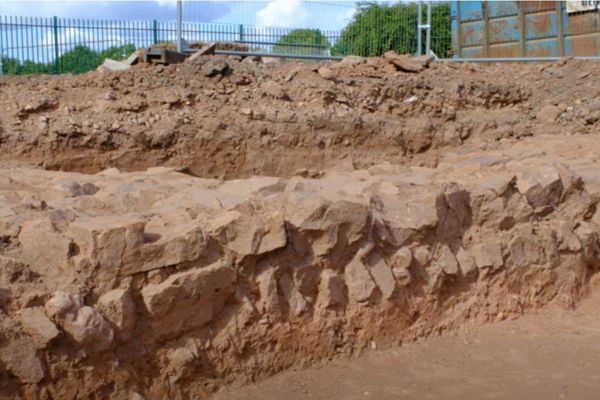
The exposed structure dates to the second and third centuries CE. Excavators have identified six rooms, a southern portico and two spaces behind the main building, while layers close to it contain abundant iron slag and waste from bronze working. The exact purpose of the building has not yet been established.
The remains occupy part of a roughly 500-square-metre excavation on land intended for a new residential building. They add a craft and agricultural site to a part of the Mendrisiotto already known for Roman villas, burials, inscriptions and places of worship.
From Wooden Structures to a Masonry Building
The earliest remains found so far at Stramonte belong to the final decades before the beginning of the Common Era. They consist of traces of wooden structures, showing that the site was in use before the masonry building was constructed.
During the second century CE, the area was levelled for a more substantial building. The cantonal announcement describes a structure about eight metres wide and at least eleven metres long. Its western end continues beyond the boundary of the current building plot, so the full plan is not yet known.
The sequence places the building within a longer period of occupation rather than treating it as an isolated installation. Archaeological evidence from the surrounding area extends from the Iron Age through the Roman period and into the early Middle Ages, although the newly excavated building itself belongs specifically to the Roman phase.
Six Rooms Beside a Small Road
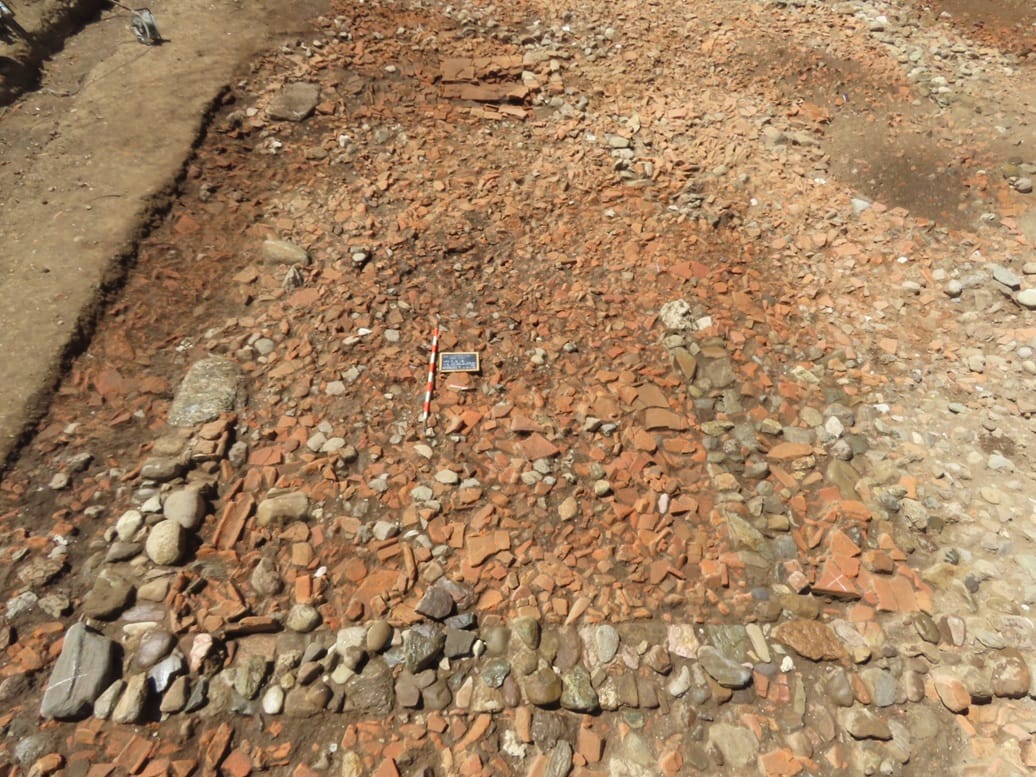
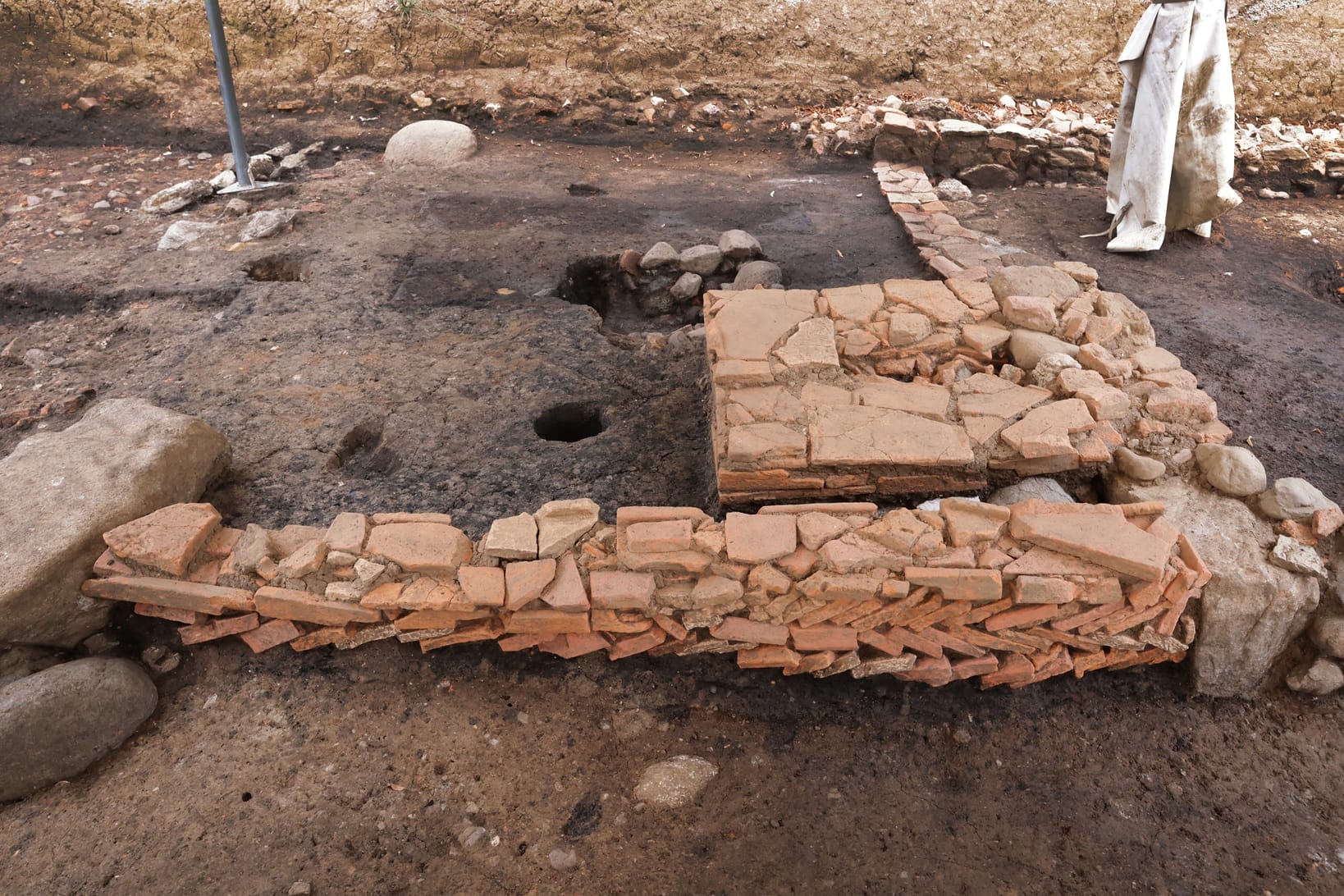
Six rooms have been identified within the exposed part of the building. A portico about three metres wide ran along its southern side, while two rooms behind the main structure covered approximately sixteen and twenty square metres.
The portico faced a small road. The cantonal report does not identify that road as a major imperial route, and it does not assign it a known ancient name. Its presence nevertheless fixes the building within a local arrangement of movement, work areas and divided land.
Reused Bricks and a Building That Changed
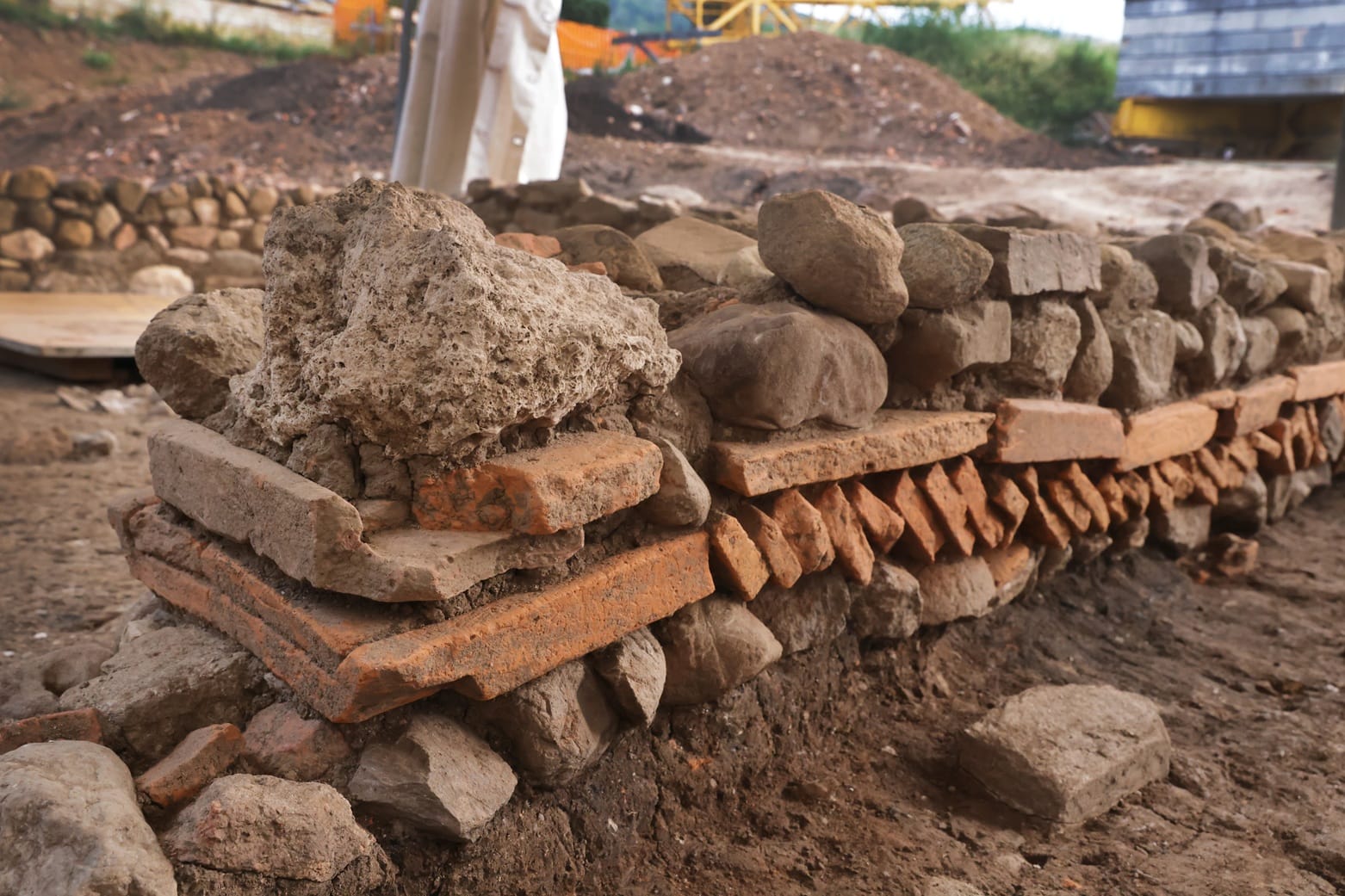
The structure did not remain unchanged. During the second and third centuries CE, new partition walls were added, altering the arrangement of its interior spaces. A raised platform was also installed in the portico.
Some of these alterations used bricks that had already served another purpose. Reused bricks also formed a small path behind the building, interpreted provisionally as a walkway and a boundary within the plot. The official description therefore records reuse in both the building and the surrounding working area.
Roman ceramic building materials were produced, organised and moved through varied systems across the empire, as our recent account of the industry behind Roman bricks and tiles explains. At Ligornetto, however, the current announcement identifies reused material, not a brick or tile production site.
A Fire Ends the Building’s Use
The building’s use ended during the third century CE. Excavators found evidence of a violent fire, including abundant charcoal in the archaeological layers and the collapse of a roof made with ceramic tiles.
The announcement connects the fire with the end of the complex but does not state what caused it. There is no published basis at this stage for associating the destruction with a particular conflict, raid, accident or historical event.
The collapsed roof and burnt deposits provide a closing phase for the structure as presently understood. Further excavation and analysis may refine that sequence, but the publicly released information does not yet give a narrower date within the third century.
Metalworking Near the Building
Behind the building lay a broad strip of land used for craft and agricultural activity. Postholes indicate light structures or temporary coverings, while the reused-brick path crossed part of this working area.
Layers dating to the second and third centuries contained an exceptional quantity of iron slag and waste from bronze working. The cantonal Archaeology Service interprets these finds as evidence for metalworking on a significant scale in the immediate vicinity.
That specific wording is important, because no furnaces or domestic hearths have yet defined the building’s function. The absence of fireplaces and other features associated with household life appears to weigh against residential use, but the investigators have not 100% identified the structure itself as a workshop. A broader introduction to Roman engineering, materials and construction provides some context on how similar Roman buildings were functioning, possibly shedding a light on the Ligornetto building’s purpose.
Ligornetto Between Como and Milan
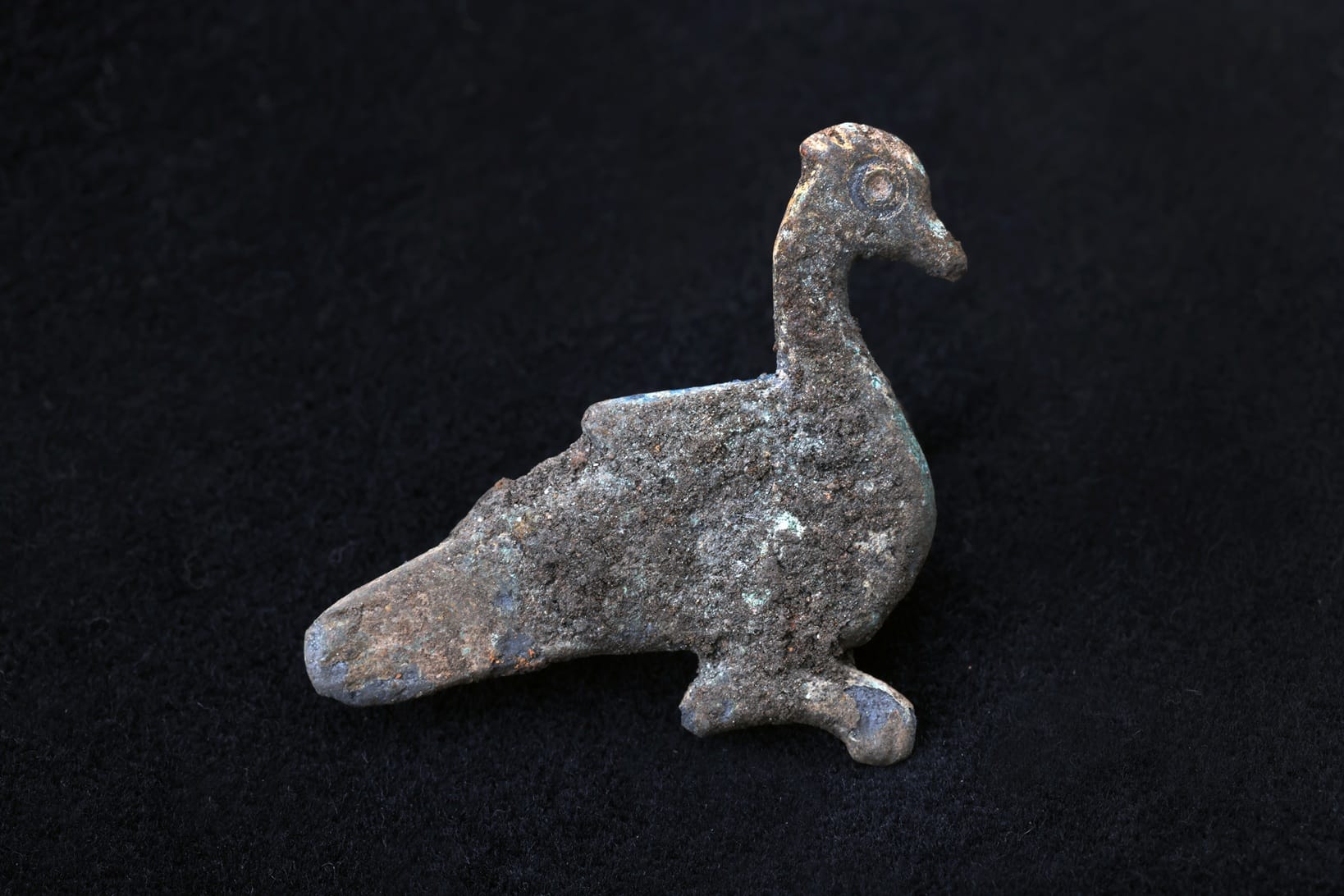
In the Roman period, the Mendrisiotto lay within the sphere of Como and Milan. Regional archaeological scholarship places the Sottoceneri, the southern part of Ticino, particularly close to Como, while finds from Ligornetto and nearby Stabio include villas, mosaics, graves and inscriptions.
Four first-century CE inscriptions associated with Ligornetto and San Pietro di Stabio record families connected with Milan and with Milan or Como. Three were funerary monuments made from white marble brought from the Musso quarries on Lake Como. The inscriptions have been used to examine property, marriage and local connections among families active in the region.
Less than one kilometre from Stramonte lies the Roman villa at San Pietro di Stabio. Its documentation is incomplete, but together with the inscriptions and a nearby cemetery used from the second to fifth centuries, it places the new building within an already substantial Roman-period landscape.

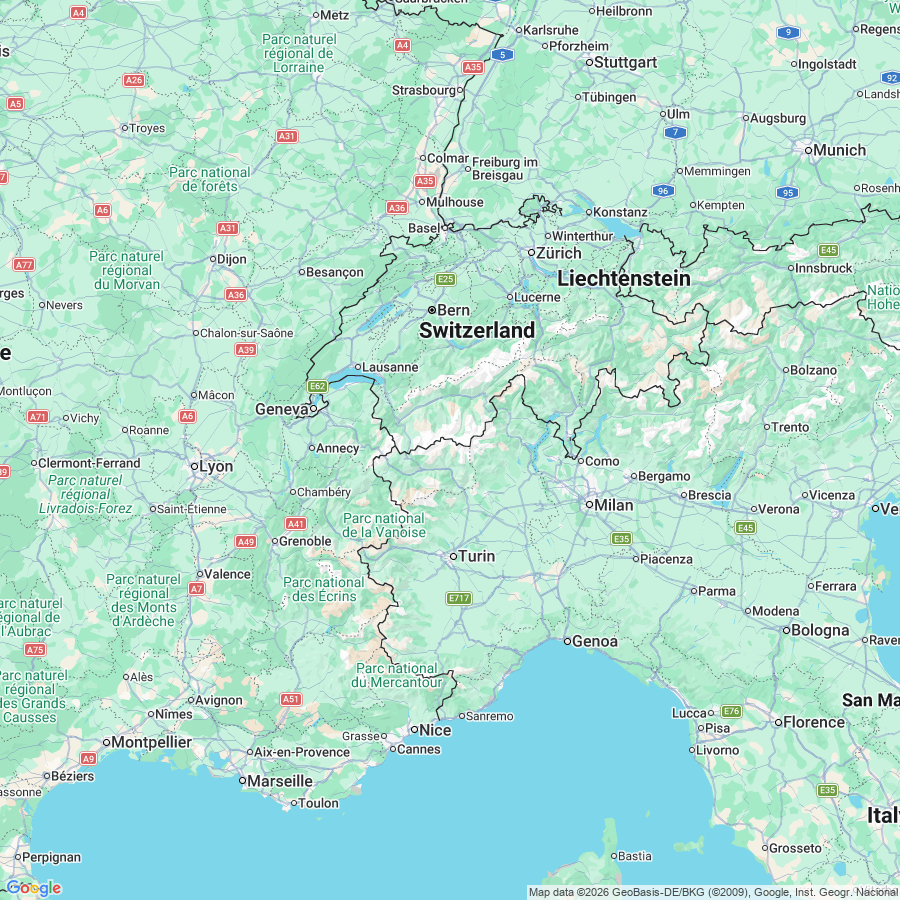
Click to see on Google Maps where Ligornetto is located.
What the Excavation Has Not Yet Settled
The announcement provides measurements, a preliminary sequence and evidence for nearby metalworking, but it leaves several questions open. The building extends beyond the excavated plot, its precise use is uncertain, and the relationship between its rooms and the metalworking debris has not yet been defined.
The excavation was still in progress when the find was announced, with completion expected during autumn 2026. The authorities presented the work as a contribution to understanding Roman occupation in the Mendrisiotto, not as a final excavation report.
Media coverage has described the remains as a metalworking site and called the building about 1,800 years old. Those descriptions broadly reflect its second-to-third-century date and the nearby production waste, but the official record is more precise: metalworking took place in the immediate vicinity, while the function and full extent of the building remain under investigation.
Repubblica e Cantone Ticino, Dipartimento del territorio, “Novità archeologiche: Ligornetto, un nuovo insediamento romano emerge in località Stramonte,” September 10, 2026.
Dario Radley, “1,800-year-old Roman building and metalworking site emerges in Ligornetto, Switzerland,” Archaeology News Online Magazine, September 19, 2026.
Romeo Dell’Era, “Il contributo di Benedetto Giovio alla conoscenza dell’epigrafia romana e dell’edilizia religiosa del Mendrisiotto,” Percorsi di ricerca, Series II-3, 2021, pp. 7–30; contextual material used from pp. 27–29.
Rossana Cardani Vergani, “Ticino: Dalla romanizzazione all’alto Medioevo,” Historical Dictionary of Switzerland, updated October 24, 2022.
Ilaria Verga, “Il Basso Ceresio tra Tardoantico e alto Medioevo: Prime riflessioni,” LabiSAlp Working Paper, 2023, pp. 6–21; contextual material used from pp. 6–15.
About the Roman Empire Times
See all the latest news for the Roman Empire, ancient Roman historical facts, anecdotes from Roman Times and stories from the Empire at romanempiretimes.com. Contact our newsroom to report an update or send your story, photos and videos. Follow RET on Google News, Flipboard and subscribe here to our daily email.
Follow the Roman Empire Times on social media: