
10 Roman Baby Girl Names and the Women Who Carried Them
Family ties, imperial daughters and influential mothers give these ten Roman names their ancient histories, from Augustus’s household to the Antonine court.

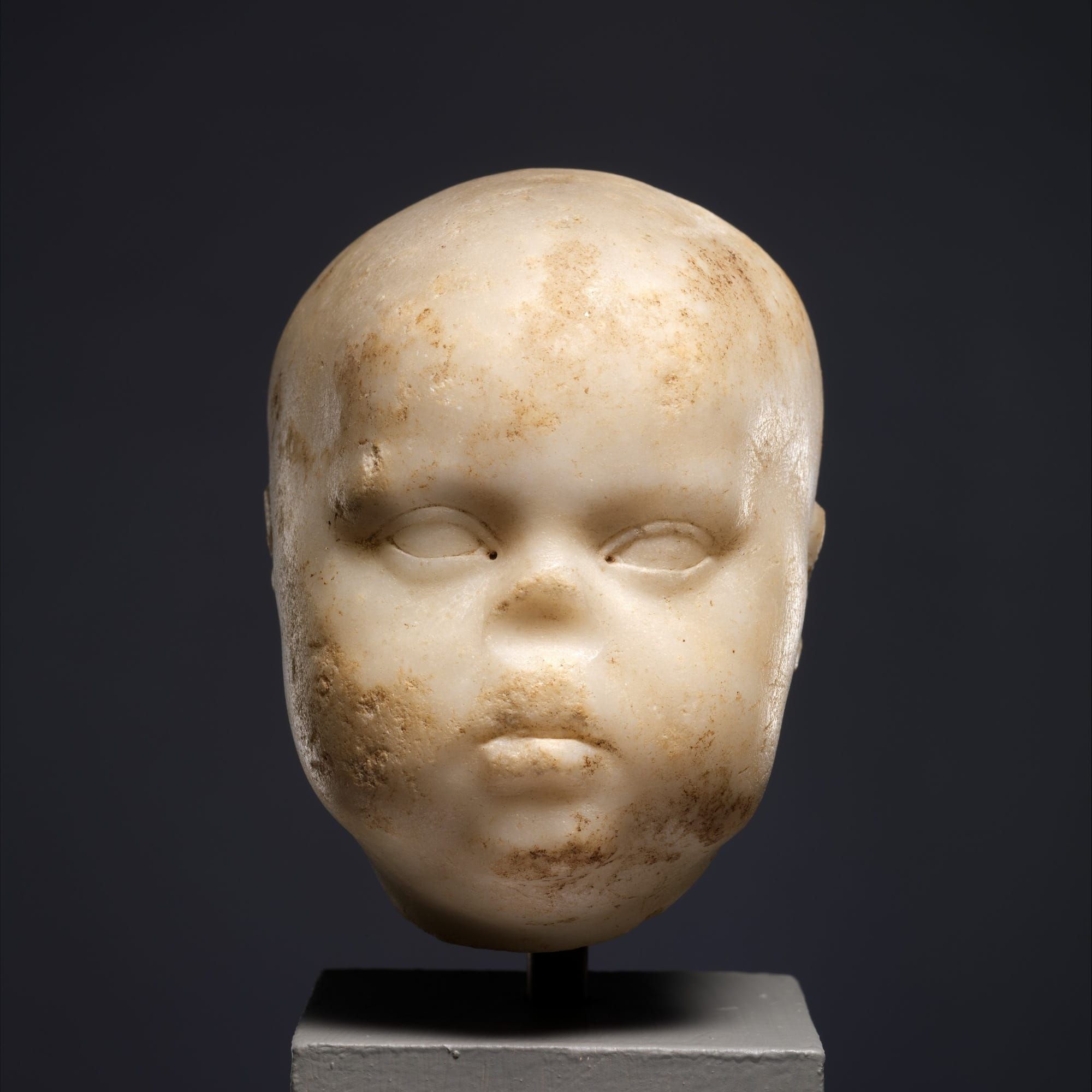
Roman baby girl names come with histories that reach into the households of emperors, senators and their families. Julia, Livia and Octavia belonged to women whose marriages, children and public honours helped shape the first imperial dynasty. Other choices lead to the Flavian and Antonine courts.
The ten names here were all carried by real Roman women. Their associations include an emperor’s daughter, an emperor’s sister, several imperial wives and mothers, and women whose names were repeated across generations.
For anyone considering a Roman name for a baby girl, the historical connection begins with the woman behind it. It also begins with a naming system in which a daughter’s family often determined the name she received, rather than her parents choosing an independent first name.

A Roman girl’s name began with her family
Among Roman citizens in the late Republic and early Empire, a woman commonly bore the feminine form of her father’s family name, or nomen. Julius produced Julia, Claudius produced Claudia, and Antonius produced Antonia. These names identified family connections; they were shared by women across more than one generation.
Additional names helped distinguish individuals. Two sisters might be differentiated as Maior and Minor, meaning elder and younger. Other women had a second name, or cognomen, which could preserve another family association. Roman women generally retained their own family names when they married, keeping those connections visible throughout their lives.
The imperial household contains several examples of this repetition. Suetonius lists Augustus’s descendants in his Life of Augustus:
“From Agrippa and Julia he had three grandsons, Gaius, Lucius, and Agrippa, and two granddaughters, Julia and Agrippina.”
The two Julias were mother and daughter, separated in modern accounts as the Elder and the Younger.
Julia and Livia in Augustus’s household
Julia connects a modern choice with the Julian family and, especially, Julia the Elder, the daughter of Augustus and Scribonia. Her marriages linked her father’s household first to Marcellus, then to Marcus Agrippa and finally to Tiberius. Through her children, she occupied a central place in Augustus’s plans for the succession.
Livia was carried by Livia Drusilla, Augustus’s wife and the mother of the future emperor Tiberius. The Ashmolean’s naming material pairs her with her father, Marcus Livius Drusus, illustrating how a daughter’s name could reflect her father’s. Her earlier family life belongs to the history of Livia’s marriage to Tiberius Claudius Nero, before her marriage to Augustus.
These two names therefore lead to different women within the same household: Julia was Augustus’s daughter, while Livia was his wife and Julia’s stepmother. Both acquired public prominence through the emerging imperial family, whose women appeared in the political and dynastic arrangements surrounding Rome’s first emperors.
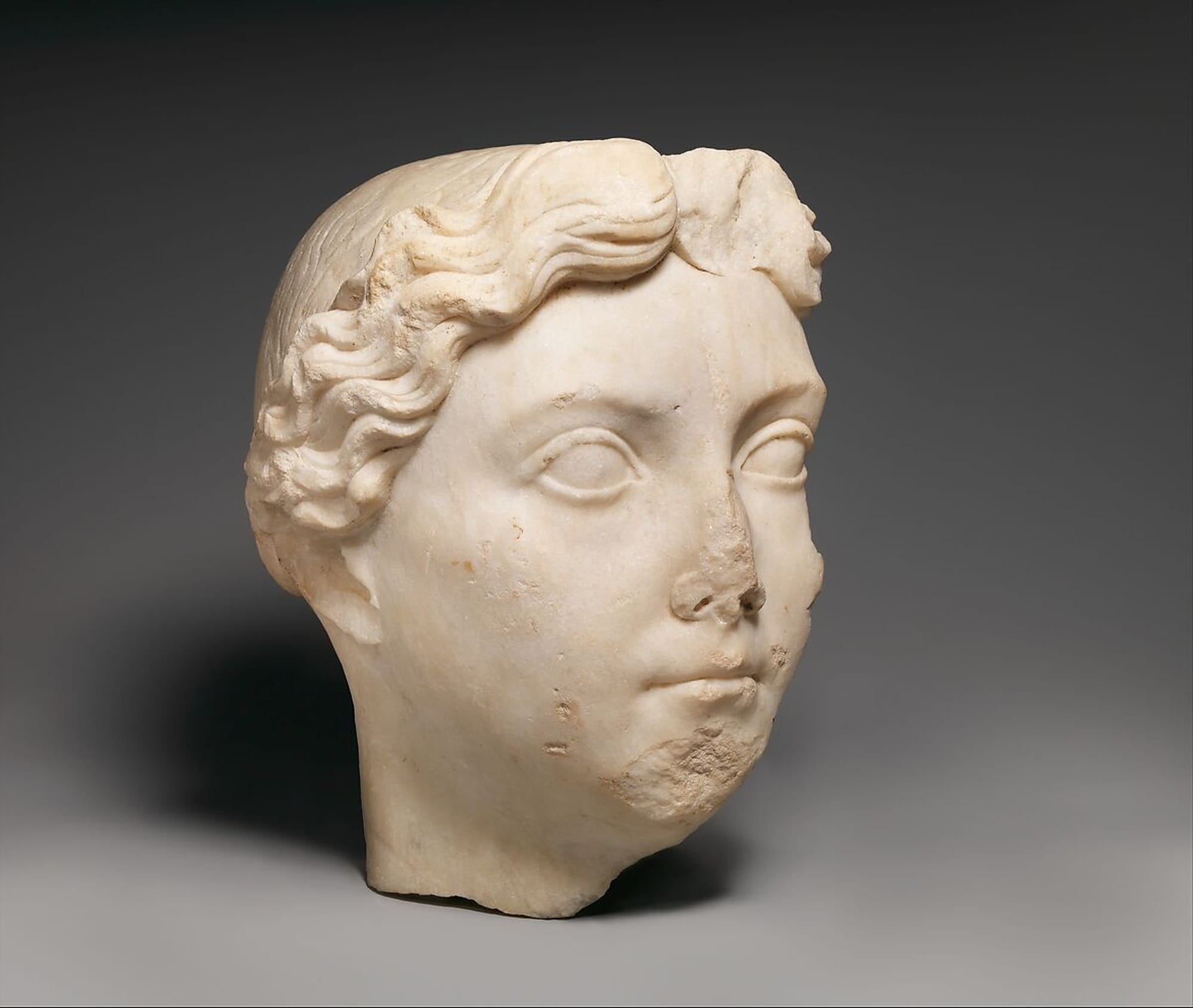
Octavia and Antonia across two generations
Octavia belonged to Augustus’s sister, usually called Octavia the Younger. Her father was Gaius Octavius, and her name preserved that family connection. She married Gaius Claudius Marcellus and, after his death, Mark Antony. Her second marriage formed part of the political reconciliation between Antony and her brother.
Antonia takes the story into the next generation. Antonia the Younger was a daughter of Octavia and Mark Antony. Her name reflected her father’s family, the Antonii, rather than repeating her mother’s. She married Drusus the Elder, Livia’s son, and became the mother of Germanicus, Livilla and the future emperor Claudius.
Octavia and Antony had two daughters called Antonia, distinguished as the Elder and the Younger. Their names show why these additions appear so frequently in Roman biographies. In this family, a shared name recorded kinship, while the elder-and-younger distinction allowed separate women, with separate marriages and descendants, to be identified.
Claudia and Agrippina in the imperial family
Claudia is the feminine form associated with the Claudii. One imperial bearer was Claudia Octavia, a daughter of the emperor Claudius and Messalina, who became Nero’s wife. Her two names also distinguish her from the earlier Octavia, Augustus’s sister. The same familiar name can therefore lead to different generations of Roman history.
Agrippina belonged to both Agrippina the Elder and her daughter, Agrippina the Younger. The Elder was a daughter of Marcus Agrippa and Julia, and the wife of Germanicus. The Younger became the mother of Nero and the wife of Claudius. Their relationship is central to Agrippina the Younger’s place in the Julio-Claudian dynasty.
Claudia Octavia and Agrippina the Younger were closely connected: Agrippina married Octavia’s father, while Octavia married Agrippina’s son. Their positions in the imperial household came through different combinations of birth and marriage.
Flavia and Domitia under a new dynasty
Flavia leads to the Flavian family, which produced the emperors Vespasian, Titus and Domitian. Flavia Domitilla the Elder was Vespasian’s wife and the mother of all three of his children: Titus, Domitian and a daughter also called Flavia Domitilla. Both mother and daughter died before Vespasian became emperor.
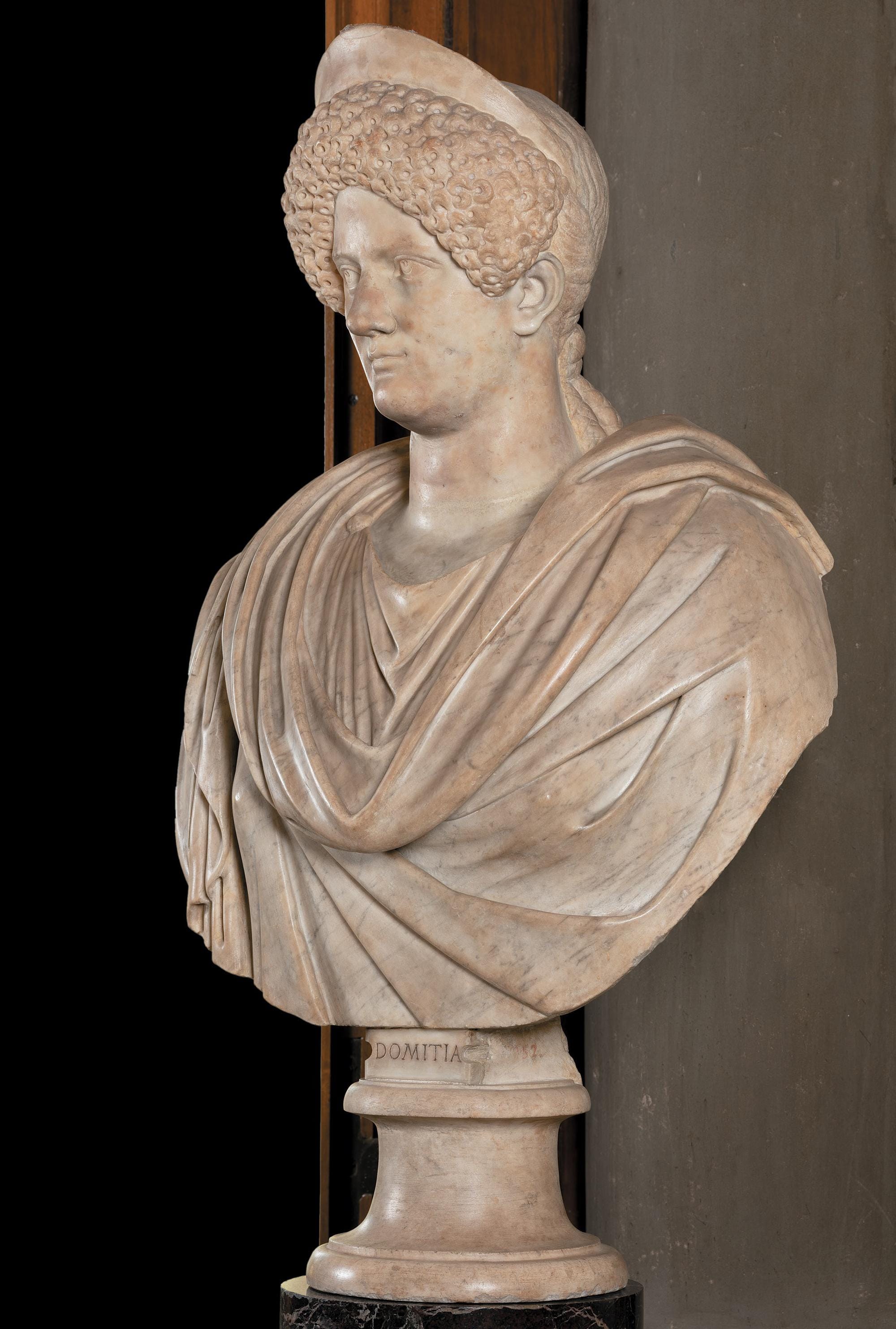
Domitia was carried by Domitia Longina, the daughter of the Roman commander Gnaeus Domitius Corbulo and the wife of Domitian. She received the title Augusta during her husband’s reign. Her name came from the Domitii, so its resemblance to Domitian’s name should be understood alongside her own paternal family.
The two names belong to women with different routes into the same dynasty. Flavia Domitilla stood at its beginning as the mother of two future emperors; Domitia Longina became the wife of the younger son. Contemporary portrait fashions offer another connection: a Roman girl’s marble portrait at the Met wears curls resembling Domitia’s coin portraits.
Faustina and Lucilla in the Antonine age
Faustina was carried by two successive imperial women. Faustina the Elder was married to Antoninus Pius; their daughter, Faustina the Younger, married Marcus Aurelius. The name thus connects both an emperor’s wife and an emperor’s daughter, with the younger woman later becoming an imperial wife herself.
Lucilla belonged to a daughter of Marcus Aurelius and Faustina the Younger. Known more fully as Annia Aurelia Galeria Lucilla, she married Lucius Verus, her father’s fellow emperor. Lucilla illustrates the longer combinations of names found among imperial women, alongside the shorter form by which a woman is commonly remembered.
Mother and daughter both held the title Augusta. The background to Faustina the Younger’s life as an imperial daughter and empress also introduces Lucilla’s family. For this pair, the historical link is direct: choosing either name recalls a woman within the same second-century imperial household.
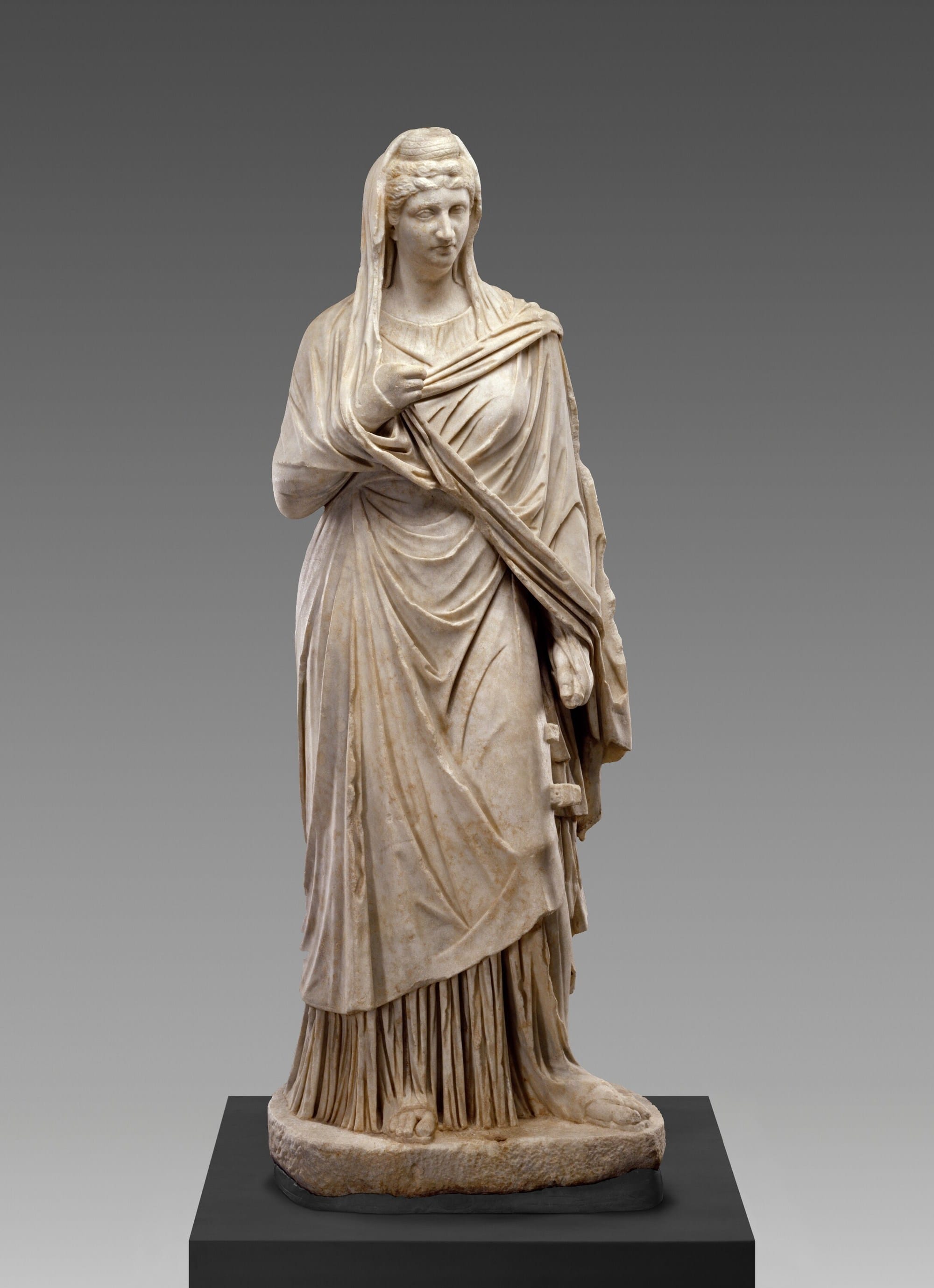
Family names and individual histories
Julia, Livia, Octavia, Antonia, Claudia, Flavia and Domitia preserve Roman family names in feminine forms. Agrippina, Faustina and Lucilla show how other elements of a woman’s fuller name could become the form used to identify her. A modern first-name choice can therefore draw on different parts of Roman naming practice.
The repeated names also explain the importance of identifying a particular bearer. Julia the Elder and Julia the Younger were distinct women, as were the two Antonias, the two Agrippinas and the two Faustinas. Each name has more than one Roman biography attached to it.
Together, these ten choices trace a path from Augustus’s household to the families of the second-century emperors. Their Roman associations lie in documented women and family relationships: a daughter’s connection to her father, a name repeated between mother and child, or a woman’s place within an imperial dynasty.





About the Roman Empire Times
See all the latest news for the Roman Empire, ancient Roman historical facts, anecdotes from Roman Times and stories from the Empire at romanempiretimes.com. Contact our newsroom to report an update or send your story, photos and videos. Follow RET on Google News, Flipboard and subscribe here to our daily email.
Follow the Roman Empire Times on social media: