
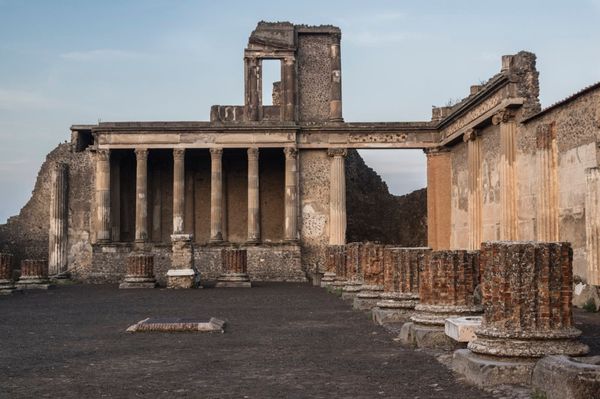
Legal Pluralism in Ancient Rome: How Local Laws Survived Roman Rule, But on Rome’s Terms
A daughter’s marriage, a city’s treaty and a mother’s legal papers reveal how provincial people used different traditions within Roman imperial authority.

Roman Empire Times
Owner, explorer and history lover
Porto, Portugal
Hailing from the vibrant city of Athens, George's love for Ancient Greece and the Roman Empire drives him to write short stories inspired by the illustrious tales of these glorious times.
I write for Roman Empire Times about Roman archaeology, new discoveries and the research shaping our understanding of the ancient world. I’m from Athens, Greece, and based in Portugal.
I cover excavations, inscriptions, coins, monuments and the objects Romans left behind. My work follows new archaeological findings and revisits familiar historical stories through ancient evidence and modern scholarship.
My subjects range from a perfume bottle preserved at Pompeii to the networks revealed by millions of Roman coins. Across that coverage, I bring together the discovery, its historical setting and the people whose lives it helps illuminate.
My professional background spans digital publishing, technology and marketing. It includes digital revenue management and growth strategy at the Times of Malta, general management and digital strategy at Greek Reporter, and helping build ColombiaOne’s website and editorial team.
I studied geology and meteorology at Aristotle University of Thessaloniki. Alongside Christina Athanasiou, I co-own Sensei Minimal and help run Roman Empire Times, an independent publication launched in October 2023.
I follow Roman Empire Times’ editorial guidelines, grounding factual stories in reliable research and clearly attributed sources. I distinguish evidence from interpretation, explain significant historical disagreements and keep fictional storytelling clearly identified. I welcome corrections and information that helps improve our coverage. For factual corrections, please follow our corrections policy.
Saved articles stay in this browser. They do not sync across devices.
No saved articles yet.
A daughter’s marriage, a city’s treaty and a mother’s legal papers reveal how provincial people used different traditions within Roman imperial authority.
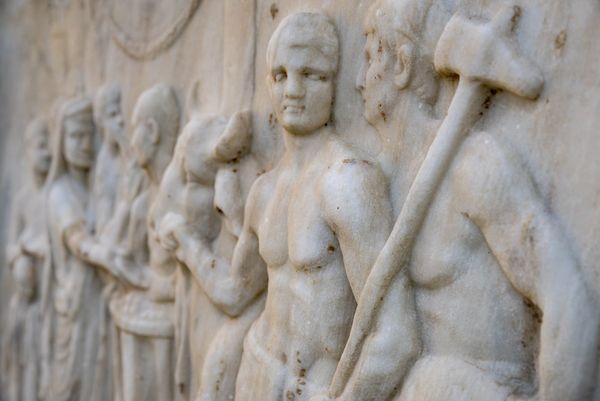
Bulls, banquets and one unfortunate goose reveal how Roman emperors turned animal sacrifice into a public language of power, generosity and loyalty.
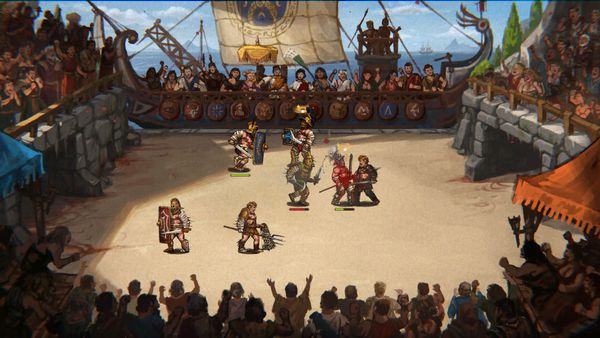
Your gladiators do the fighting; you handle the roster, recovery and bills. A new Roman management game has launched, and its first updates are already reshaping the season.
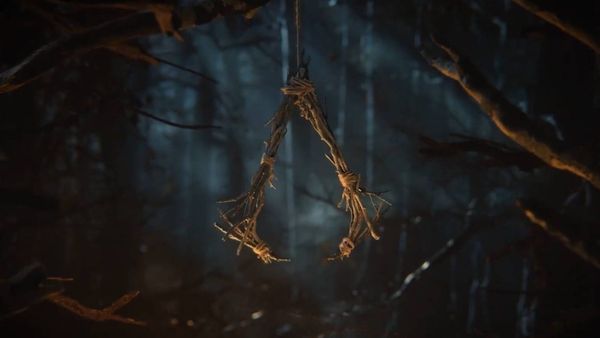
Codename Mars could take Assassin’s Creed to ancient Rome, while Hexe reportedly slips towards 2028. We sort the exciting rumour from Ubisoft’s confirmed plans.
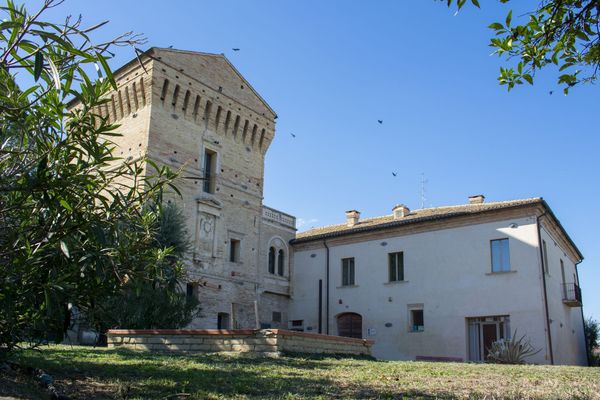
A September radar survey at Martinsicuro covered five areas of ancient Truentum. The data are being processed as the municipality considers a future archaeological park.
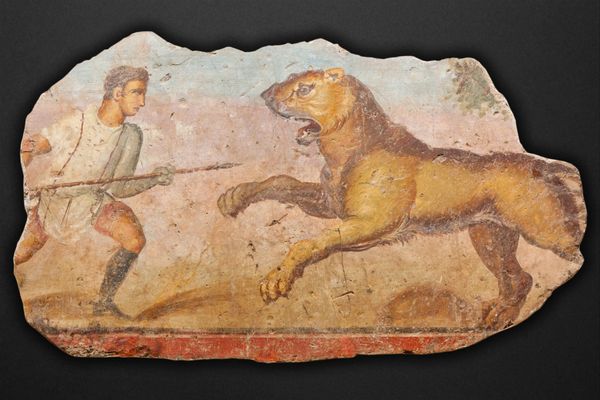
Two late Roman laws expose the pressures behind animal spectacles: protected supplies of lions, costly military convoys and penalties for overstaying in cities.
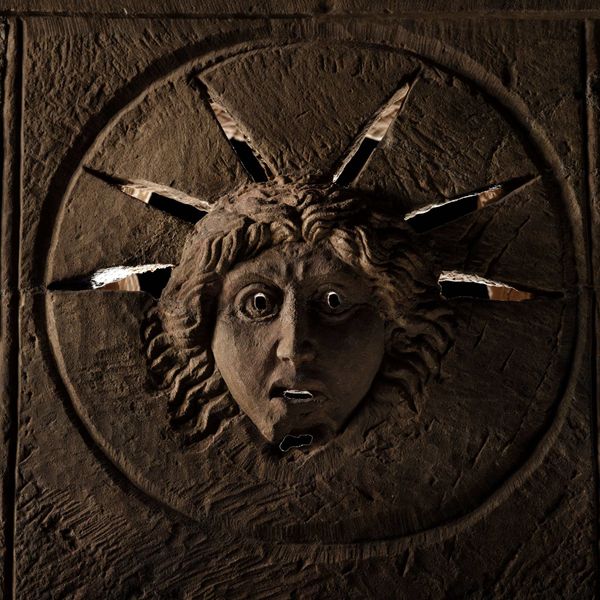
Hot baths, masked helmets and a sun god with possible special effects: Scotland’s Roman finds reveal an army with expensive tastes and an awkward habit of leaving.
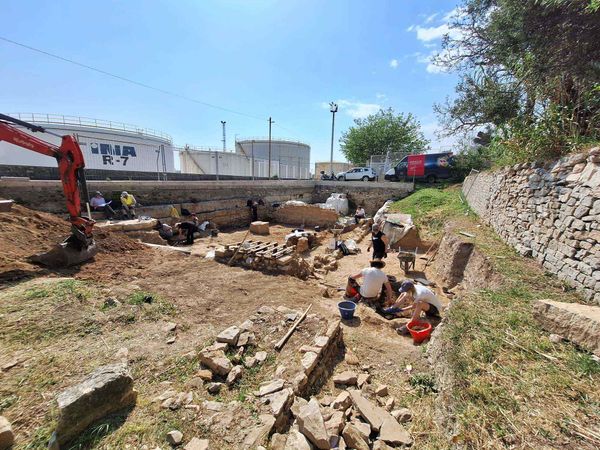
Salona’s latest excavations uncovered 32 graves, including a face-down burial with varied glass vessels and a clue to the cemetery’s earlier walls.
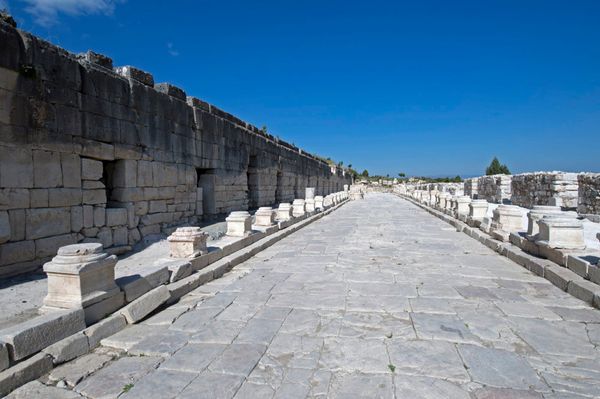
A newly published inscription from Turkey preserves advice on travel, illness and trade, selected by casting five animal knucklebones.
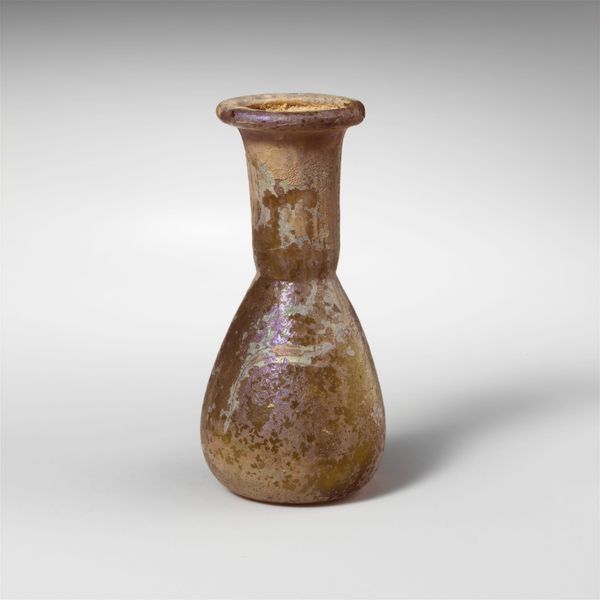
Tweezers, a glass scent bottle and childhood charms survived in a Pompeii cupboard, alongside 38 bronze coins and a small box of lead weights.
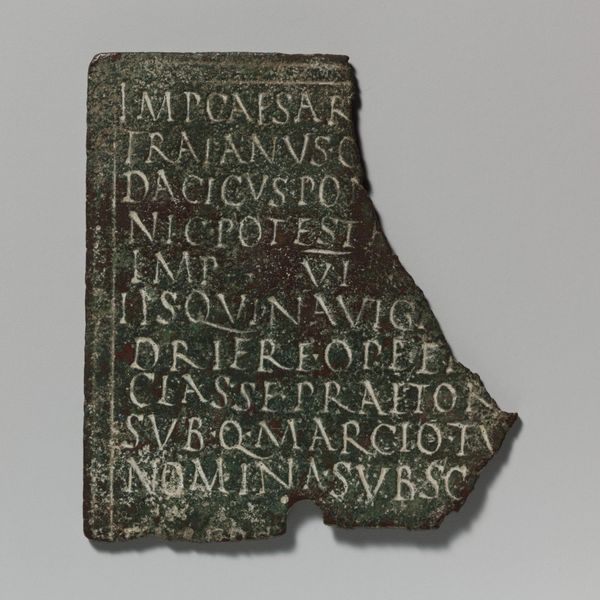
A nearly naked theft search, forbidden dormice and a funeral exception for gold-bound teeth: twenty rules reveal the reach of Roman law.
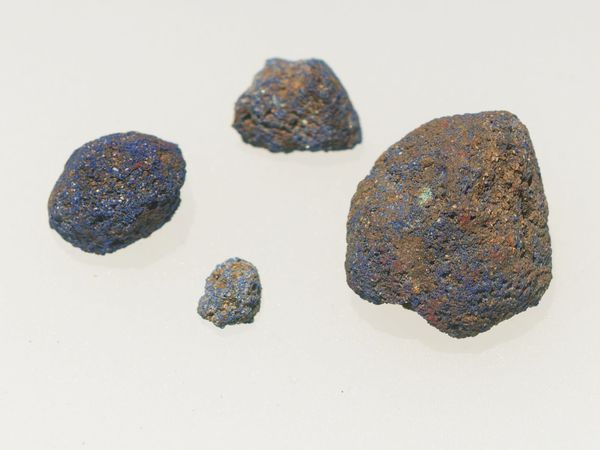
Wall fragments from a villa at Torre di Pordenone reveal how Roman decorators mixed Egyptian blue into lime plaster to create a pale backdrop for fish and other marine life.
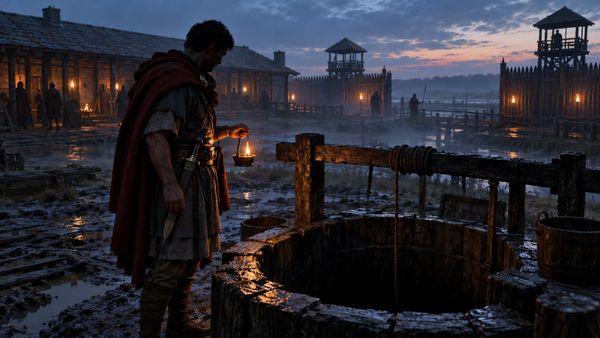
A soldier in a Velsen well left wounds, a worn dagger and clues in his teeth. Modern investigators have reopened his violent death.

New Arctic evidence places renewed ice growth in Rome’s imperial age. The findings connect ancient snowlines, the Little Ice Age and modern warming; but scientists differ on when a glaciation begins.
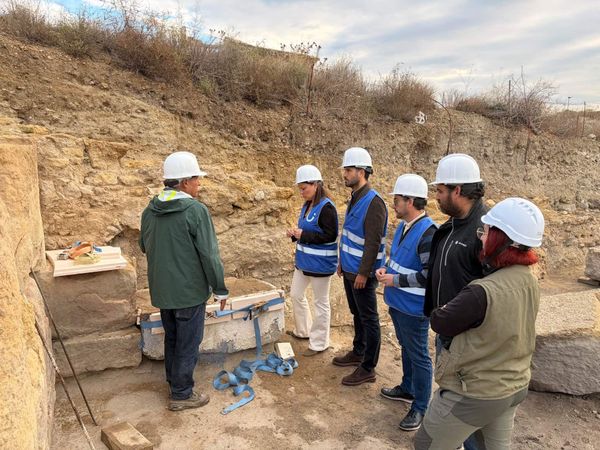
A reused stone at Fortuna’s Roman baths preserves oversized letters, part of a name and a possible clue to a monumental building project.
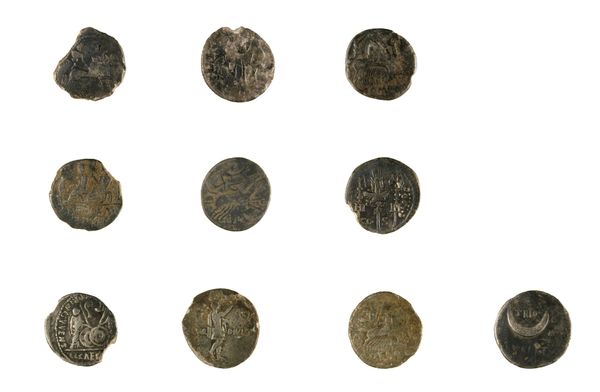
Buried money traces Rome’s growing reach; and the civilian activity that helped coins remain in use long after they left the mint.