
A Face-Down Roman Burial in Croatia Holds an Unusual Glass Collection
Salona’s latest excavations uncovered 32 graves, including a face-down burial with varied glass vessels and a clue to the cemetery’s earlier walls.

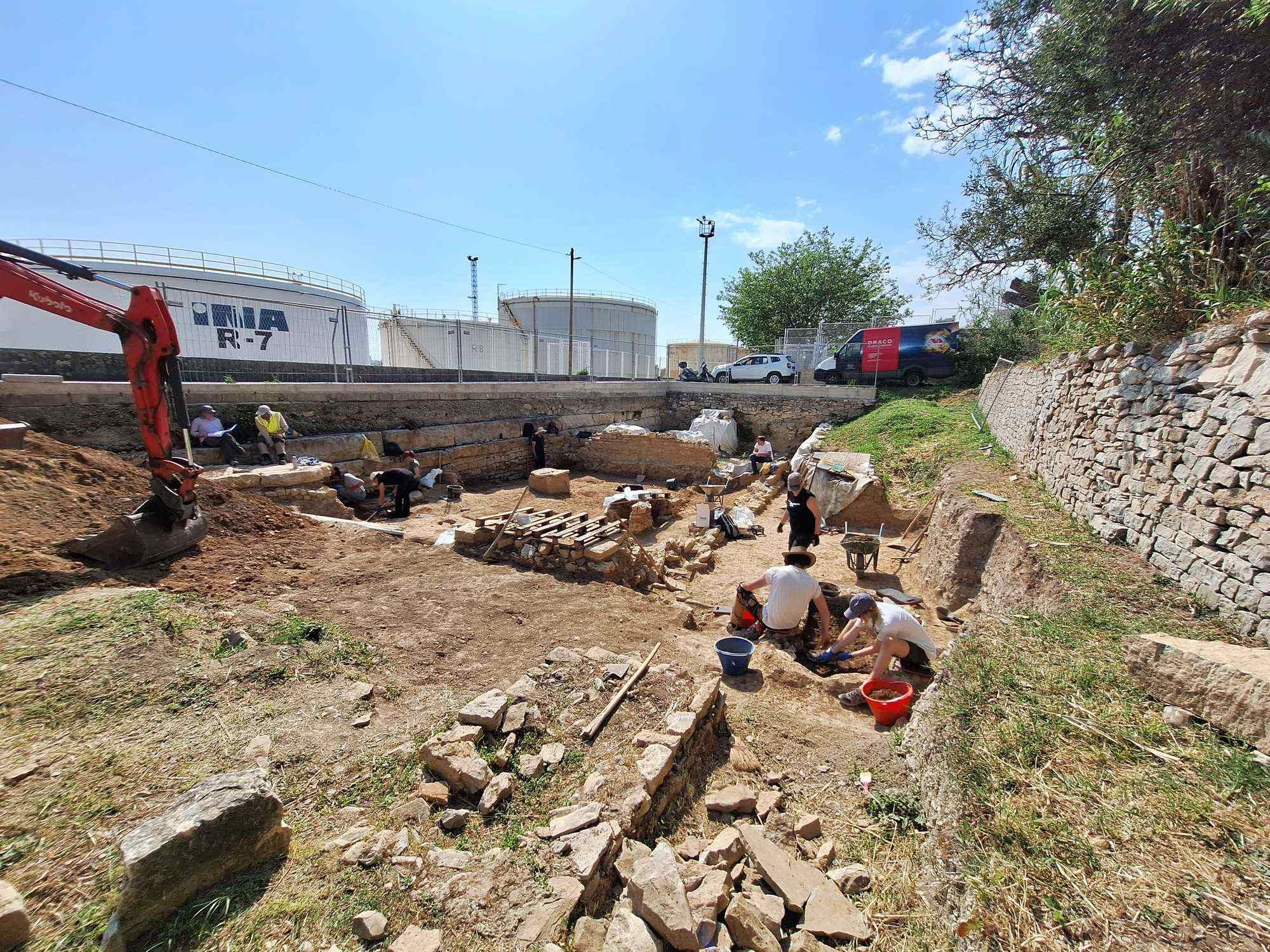
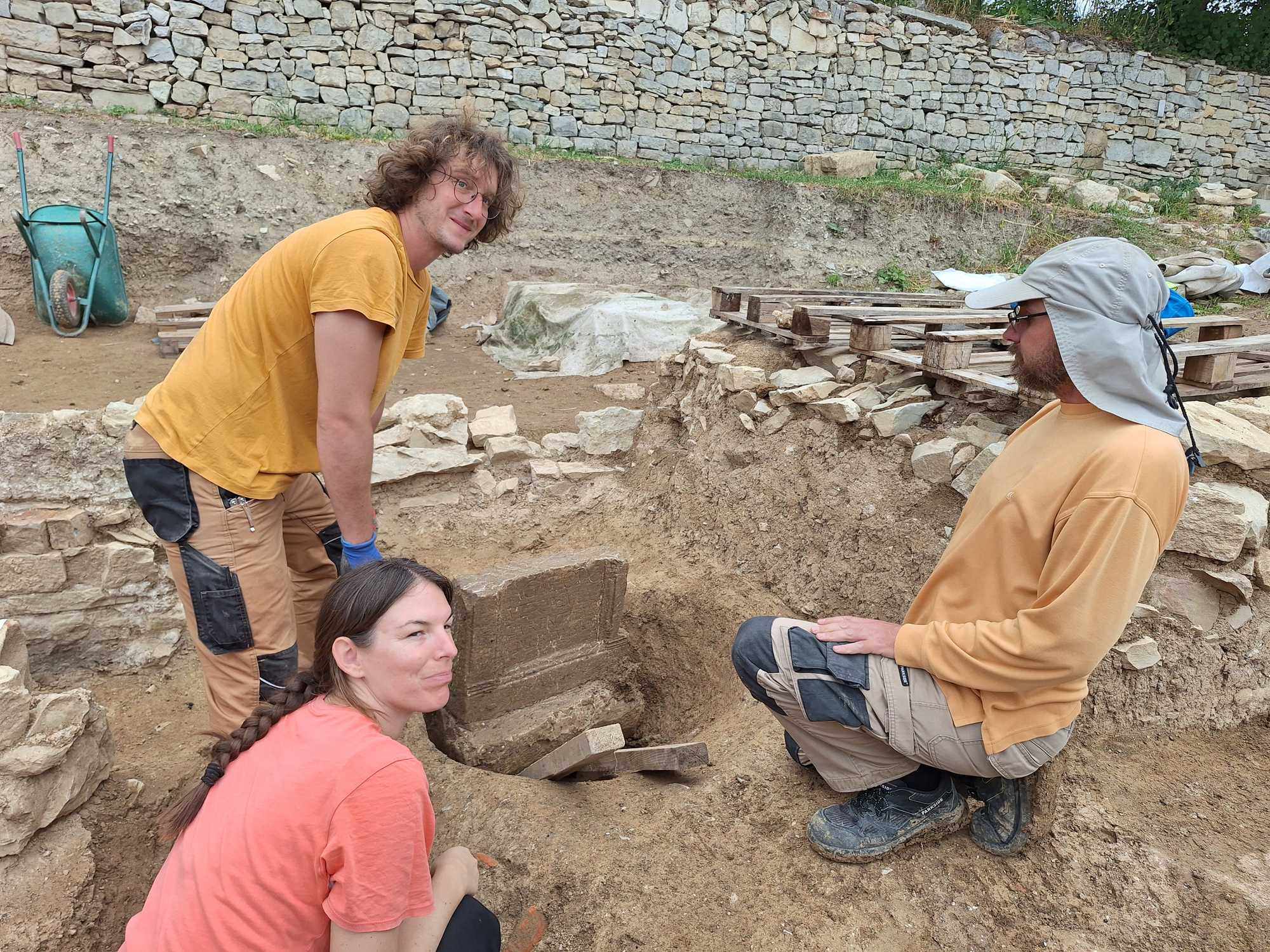
A person buried face down with an unusually varied collection of glass vessels has been found in the western necropolis of Salona, the capital of the Roman province of Dalmatia, near modern Solin in Croatia. The burial is one of 32 graves investigated during the cemetery’s latest excavation season, divided equally between cremations and burials of the body.
The Archaeological Museum in Split announced the results on 11 September 2026. Grave 162 contained bottles, small containers, ceramic vessels, gems and bronze fragments. Among the glass was a vessel shaped like a date, deposited alongside containers of other forms.
The grave also lies over a previously destroyed wall. Its relationship to that structure, together with other first-century burials, has prompted the excavators to reconsider the sequence in which part of the cemetery was built. The finds therefore document both a particular funeral and the changing layout of the burial ground.
Glass vessels beside a face-down burial
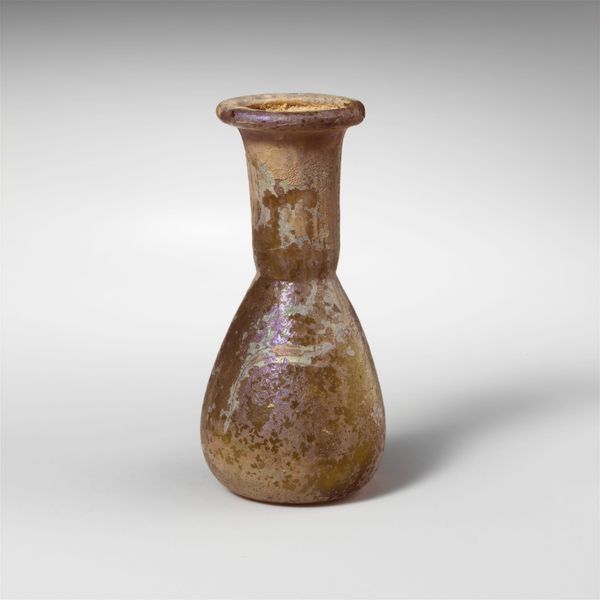
The museum singles out Grave 162 for the richness of its contents and the deceased’s prone position. Its inventory distinguishes three glass bottles, a small glass vessel and three glass balsamaria, the small containers often called unguentaria and associated with perfumes or oils.
One of those three balsamaria takes the form of a date. Four ceramic vessels accompanied the glass, while two gems and pieces of a bronze object added other materials to the assemblage.
Small glass containers were already a recurring feature of the cemetery’s excavated graves. The Croatian Conservation Institute’s earlier report records them in both cremation and body burials, sometimes in groups. The vessels belong within the wider material culture of Roman perfumes and scented oils.
An earlier wall beneath the graves
The structure beneath Grave 162 had been interpreted as the northern boundary of a funerary plot. A substantial masonry wall known as the murazzo bordered that plot on its southern side. The newly reported burial occupies a place where the earlier wall had already been destroyed.
First-century graves above the destroyed structure provide the crucial sequence. The excavators suggest that the underlying wall may have been built before the murazzo itself. Their proposal concerns the order of construction in this part of the necropolis, where later burials covered an earlier arrangement.
Successive rebuilding has long been part of the archaeological interpretation of the western cemetery. Earlier analysis reconstructed at least four, and probably five, construction phases in one investigated area, following relationships between a burial chamber, enclosures, a later wall and a sarcophagus. The new observations add another specific relationship for the continuing study of the site.
A burial ground beside the road to Tragurium
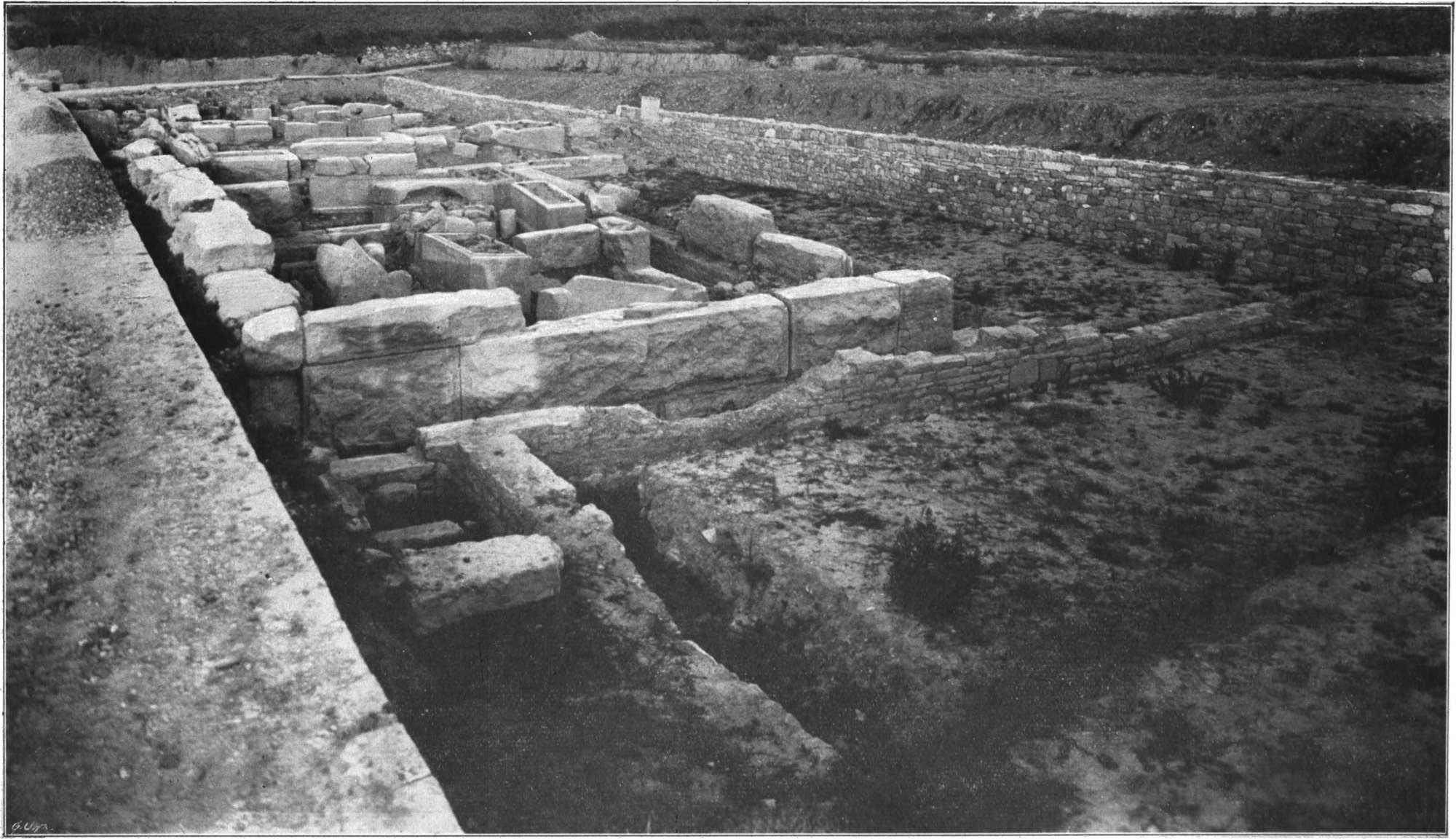
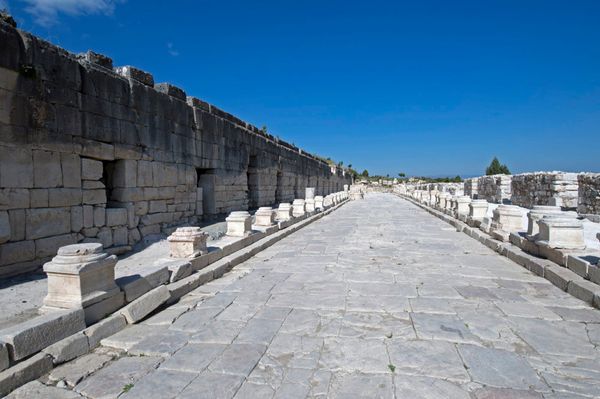
The western necropolis extended along the road leading from Salona towards Tragurium, modern Trogir. It began beyond the western gate of the older city. The surviving burial plots belong to a landscape arranged around that approach road, outside the urban core.
Archaeological studies describe rectangular or approximately square enclosures containing different kinds of graves. Monumental altars could occupy a central position, with other burials around them. Urns, burial chambers, sarcophagi and amphora burials were among the forms recorded in earlier investigations.
The name Hortus Metrodori derives from an inscription mentioning a particular funerary plot. It became the familiar name for the western cemetery, although scholarly analysis distinguishes that individual plot from the larger burial ground. Salona’s roadside monuments also illustrate a local use of the roads connecting Roman provincial communities: the route out of town was lined with places for the dead.
Sixteen cremations, with three ways to hold the remains
Of the sixteen cremation burials investigated this season, twelve contained burned remains deposited directly into a pit. Three others used ceramic urns, while one held the remains in a stone urn. Worked stones set upright frequently served as grave markers.
Grave 137 attracted particular attention among these cremations. Its objects included a glass balsamarium, a bone needle and a ceramic oil lamp. Glass vessels and ceramic lamps also appear in the earlier excavation report, which records jewellery and elements of clothing among the objects placed in graves.
Earlier work in the investigated part of the necropolis had also found stone urns containing an inner glass vessel for the remains and grave goods. The cemetery supplies direct archaeological examples alongside the ceremonies and memorial practices described in our account of Roman funeral rites and rituals.
Bodies in pits, amphorae and masonry tombs
The sixteen inhumations were similarly varied. Twelve occupied simple grave pits, sometimes edged or covered with stone. Two burials were in amphorae, and two were in masonry tombs. The season therefore added evidence for several ways of enclosing and protecting an uncremated body.
The Conservation Institute’s account of the earlier excavations describes bodies most commonly laid stretched out on their backs. It also records occasional stone borders or roof-tile coverings and less frequent amphora burials. Grave 162’s face-down position stands out against that previously reported pattern.
The same earlier investigation places cremation in the first and early second centuries, followed by the predominance of inhumation during the second century. In the area then studied, body burial remained the sole rite into the fourth century. Long use of the cemetery also affected older burials: the earlier excavation recorded partial damage and displacement as burial continued in the same ground.
A new season in a long investigation
The 2026 campaign was the fifth season of the current programme and brought the number of investigated graves to 152. The Croatian Conservation Institute and the Archaeological Museum in Split conduct the work together, with bioarchaeological analyses undertaken by the Anthropological Centre of the Croatian Academy of Sciences and Arts.
The Institute dates its current work with the museum and academy to 2022. During 2022–2023 the team recorded the site’s condition, cleared rubbish and vegetation, and investigated its western part, recording 42 graves. That programme follows excavations beginning in 1823 and the extensive work documented in 1909–1910. The investigated plots had already been presented as an open-air museum in the mid-nineteenth century, long before the current programme began.
The latest season has added both new graves and observations about the cemetery’s architecture to that record. Grave 162 preserves an exceptional group of vessels, while the graves above the destroyed wall offer evidence for an earlier layout. Establishing how that wall relates to the murazzo remains a specific question for the cemetery’s continuing investigation.
About the Roman Empire Times
See all the latest news for the Roman Empire, ancient Roman historical facts, anecdotes from Roman Times and stories from the Empire at romanempiretimes.com. Contact our newsroom to report an update or send your story, photos and videos. Follow RET on Google News, Flipboard and subscribe here to our daily email.
Follow the Roman Empire Times on social media: