
DNA Shows Roman Spain's Genetic Pool Endured After the Empire Fell
A study of 243 ancient individuals finds that Mediterranean ancestry formed under Roman rule persisted through later migrations, with family ties traced across Hispania.

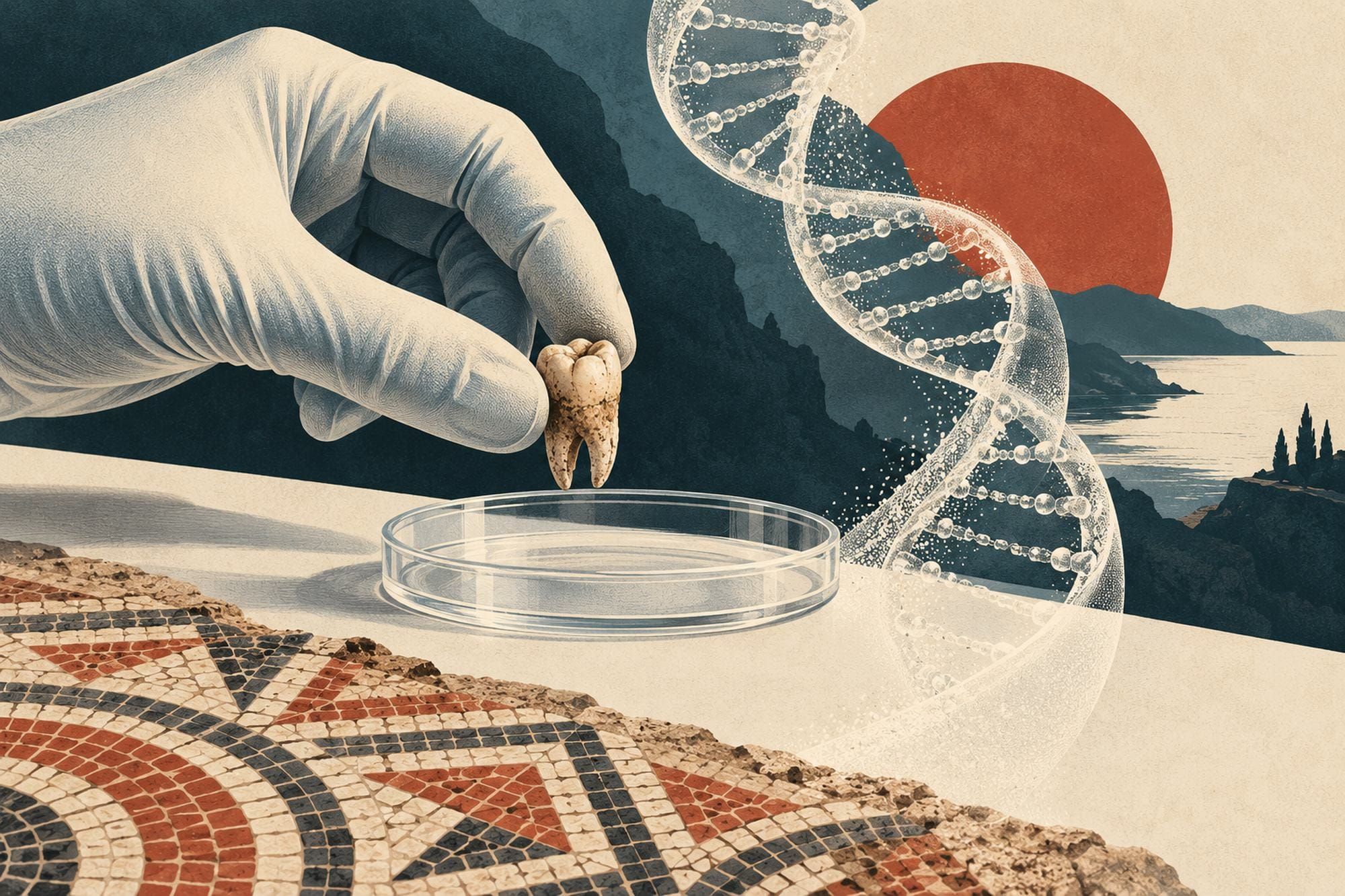
Ancient DNA shows that the diverse population formed in Roman Hispania persisted through the arrival of new rulers in Late Antiquity. Later migrations introduced additional ancestry as Suebi, Vandals, Alans and Visigoths gained power, while the mixed population established during centuries of Roman rule remained the principal demographic foundation of the communities studied.
The research, published in Cell on 21 October 2026, reports genetic data from 243 ancient individuals at 31 archaeological sites, analysed alongside 58 previously published individuals. Led by institutions in Spain and the United States, it follows population change across the Roman and early medieval periods, approximately 100–800 CE.
Roman rule brought a substantial increase in ancestry connected with the eastern Mediterranean and North Africa. The later migrations had a smaller demographic impact, despite their considerable political importance. The study adds an Iberian perspective to research on communities in Rome’s former provinces, and identifies individual family connections across hundreds of kilometres (hundreds of miles).
A regional record from 31 sites
The sampled burial grounds lie in four main areas: the southeastern coast, the northeast around ancient Tarraco and the Ebro basin, the central plateau, and Augusta Emerita, present-day Mérida. They include urban and rural settings, villas and Christian burial grounds, allowing the researchers to compare different kinds of communities.
The team recovered DNA from bones and teeth and tested it for the characteristic damage and contamination patterns used to assess ancient genetic material. Of the 243 newly reported individuals, 212 met the requirements for the main genome-wide analyses. Sample sizes change between comparisons as preservation, chronology and close family relationships are taken into account.
The resulting sequence is strongest for the later Roman and early medieval centuries. Earlier cremation practices restricted the recoverable evidence for the Iron Age, Republican and early imperial periods, while northern Iberia remains sparsely represented. The findings therefore describe the sampled regions and burial communities, with further work needed to extend the geographical picture.
Roman rule widened Iberia’s ancestry
Compared with the available Iron Age genomes, Roman-period individuals show a much broader range of ancestry. The study models their genetic profiles using ancient reference populations from Iberia, the eastern Mediterranean and North Africa. Most people carried mixtures of these components, producing considerable variation even among individuals buried in the same region.
Eastern Mediterranean-related ancestry appeared in 55 of the 66 Roman-period individuals included in this comparison. Its average proportion was higher in the Ebro basin and southeastern coastal samples than at Augusta Emerita. The ancient reference groups include people from western Anatolia, on the Aegean side of present-day Türkiye, an important part of the Roman imperial world.
This pattern places Hispania within a wider movement of people across the empire. The researchers identify similarities with Roman Italy and the Danubian Balkans, where earlier genetic studies also detected substantial eastern Mediterranean ancestry. Its arrival in Iberia could have involved direct journeys from the eastern provinces, movement through other imperial regions, or both.

North African connections reached inland
North African ancestry was especially widespread in the southeastern samples. It appeared in 33 of 34 Roman-period individuals in that regional analysis, with an average estimated contribution of about 27%. These people came from coastal and inland towns as well as the rural burial ground at Cortijo Coracho, near modern Lucena in Córdoba.
The same ancestry also appeared farther north and in the interior, at lower or more variable proportions. At Augusta Emerita, one Roman-period woman was modelled as deriving all her ancestry from the North African reference source. Genetic lineages inherited through mothers and fathers supported the team’s conclusion that both women and men participated in these movements.
At the Christian basilica cemetery of Cortijo Coracho, the researchers reconstructed a family network spanning four generations and containing 16 individuals. Their ancestry generally combined the local Iberian, eastern Mediterranean and North African components found in the broader southern population. The family offers a close view of how those connections became part of an established local community.
New kingdoms, a continuing population
As western imperial power weakened, the political geography of Hispania changed. Alans, Vandals and Suebi arrived in 409 CE, and the Suebian kingdom in the northwest lasted from 411 to 585. Visigothic rule subsequently extended across much of the peninsula, continuing until the eighth-century Muslim conquests.
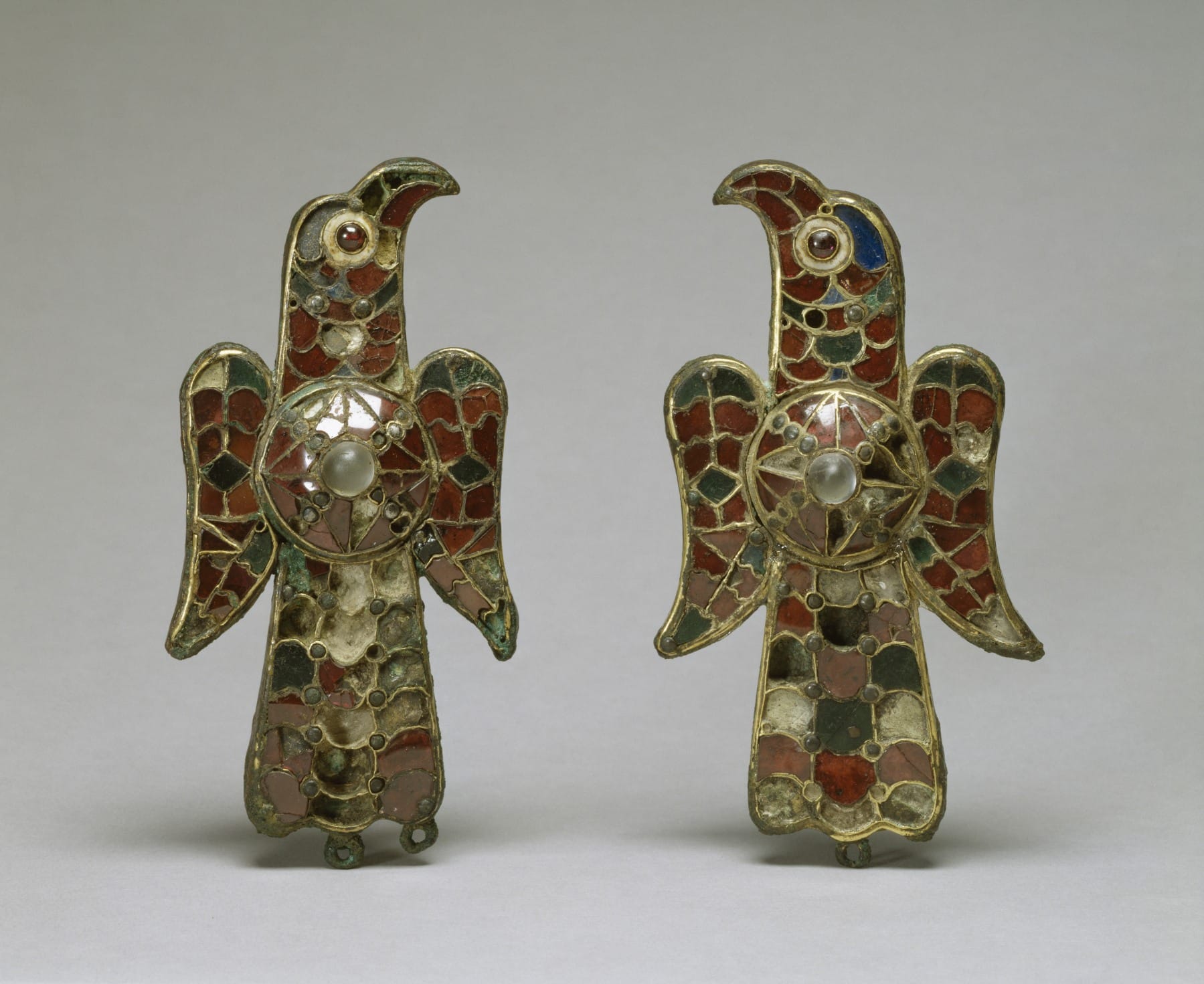
From the fifth century onward, Central and Northern European-related ancestry became more prominent, particularly at sites containing objects associated with incoming elites. At Los Blanes in Mérida, some individuals had entirely Central-Northern European-related ancestry; others had mixed profiles or the ancestry combinations already present in Roman Hispania. Different backgrounds existed within the same burial community.
To assess the wider pattern, the team repeated its analysis after excluding cemeteries associated with Germanic material culture, where recent migrants were more heavily represented. In the remaining 114 individuals, Central-Northern European-related ancestry averaged about 12%. The authors interpret the overall evidence as settlement and gradual mixing with the Hispano-Roman population, rather than population replacement.
Two siblings separated by Roman roads
One of the clearest family connections links a man buried at Los Blanes in Augusta Emerita with a woman buried at Hostalot-Ildum, in present-day Castellón. Genetic analysis identified them as full siblings. Their burial places were approximately 725 kilometres (450 miles) apart along the Roman road network, connecting evidence from opposite sides of the peninsula.
Both siblings were modelled as having entirely Central-Northern European-related ancestry, and the researchers consider them likely first-generation migrants. The woman’s high-status grave contained a glass vessel and two gold pins of a Danubian-Pontic tradition. Similar objects at Los Blanes help place the relationship within the archaeological setting of the early migration period.
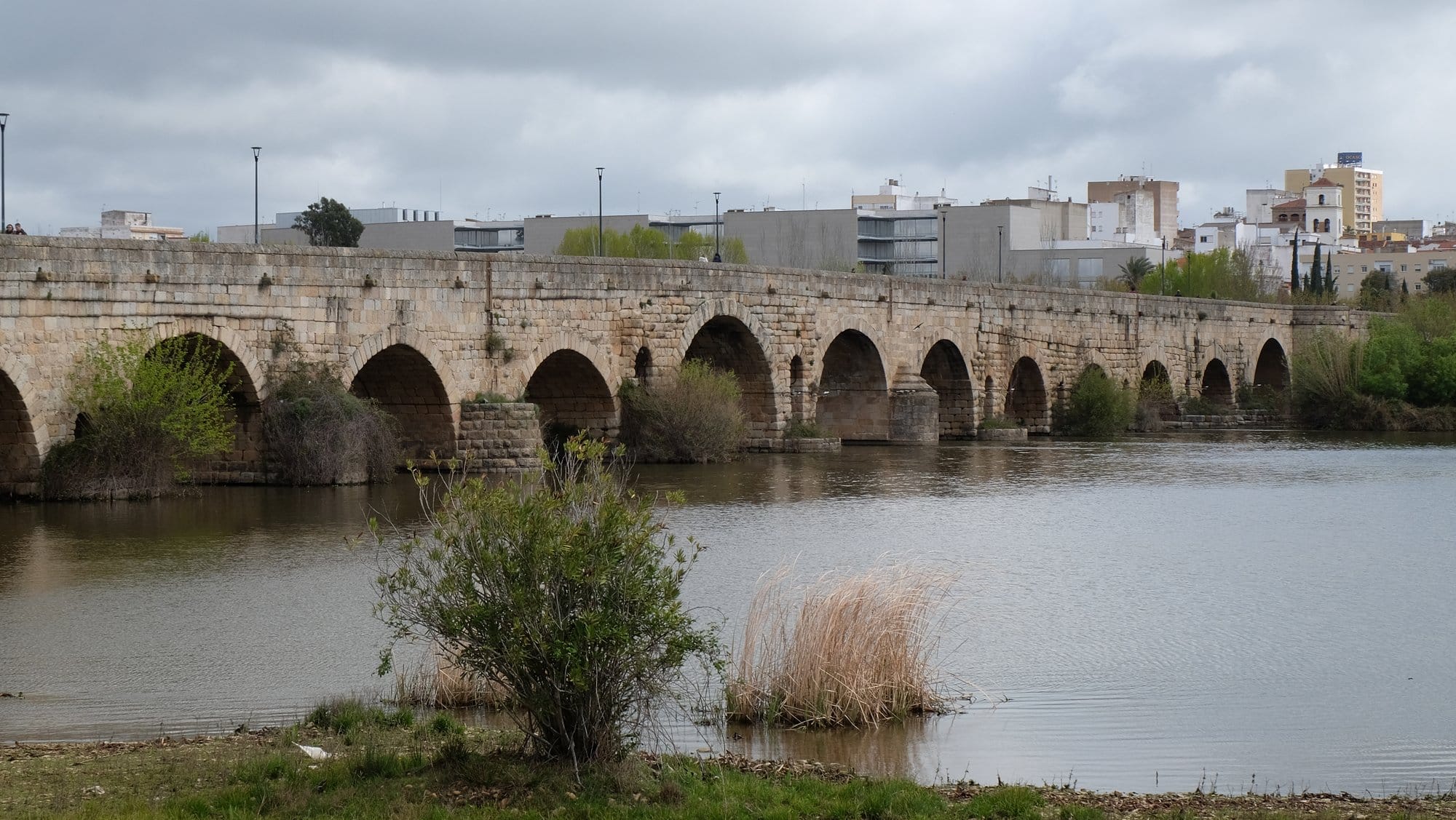
Hostalot-Ildum stood beside the Via Augusta at a roadside hospitality centre. The team proposes that the woman died while travelling and that the siblings’ burial locations may trace part of a Suebian migration route. Their connection illustrates the continuing use of Roman roads linking provincial centres during the transition to new political authorities.
The Roman population outlasted Roman government
The paper’s principal contrast is between the scale of Roman-period population change and the more limited demographic effects of later migrations. Roman Hispania had already become a varied society with strong Mediterranean connections. Those ancestry combinations continued into the centuries governed by successor kingdoms, alongside the contributions of newcomers.
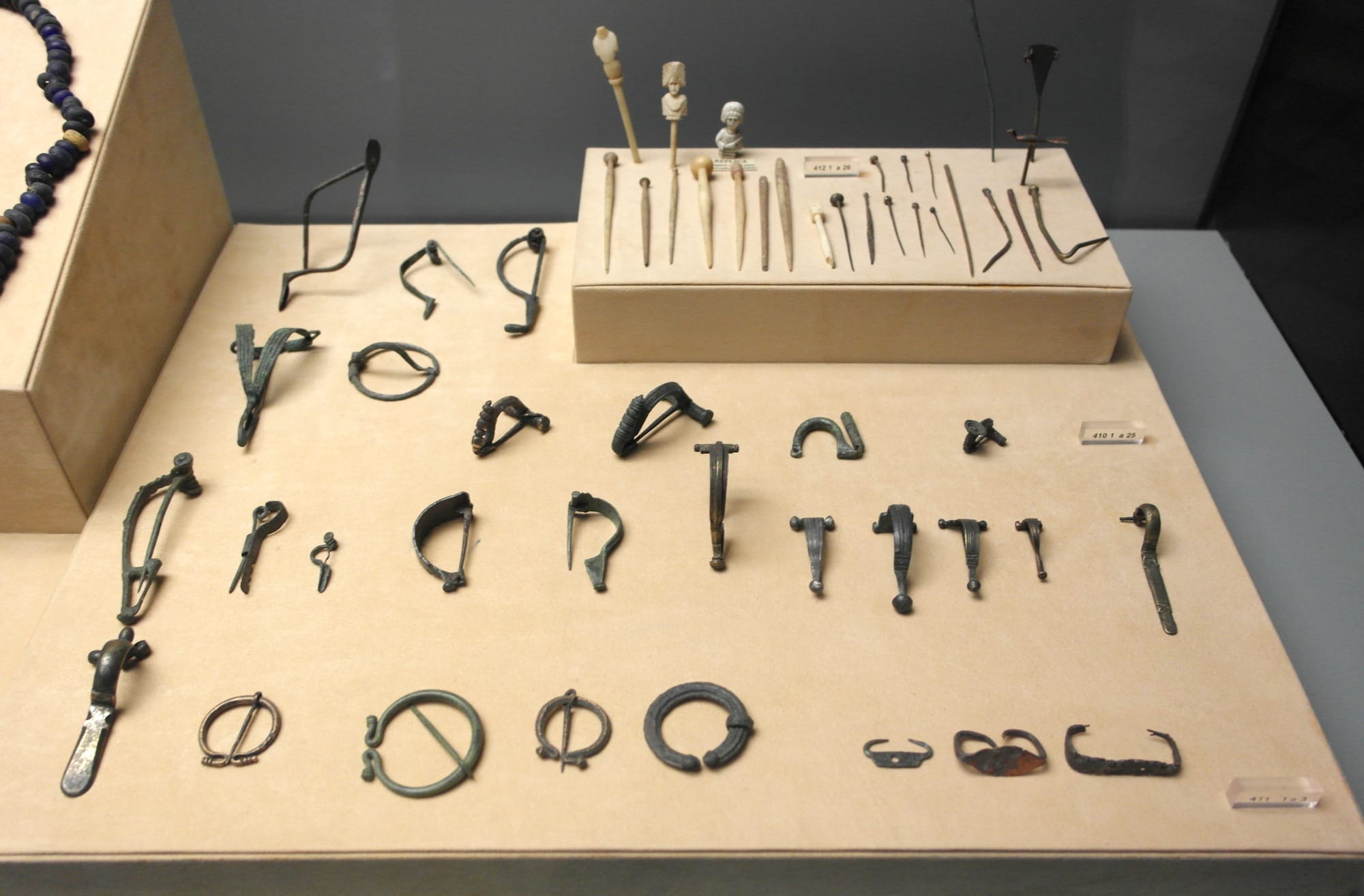
The originating research institute also highlights the so-called Suebian princesses at Mérida, whose rich burial objects suggested an incoming elite. One woman’s local ancestry points, in the team’s interpretation, to family and political alliances with Hispano-Roman communities. These burials show how membership of a new elite could include people with different ancestral backgrounds.
Present-day Iberians are less genetically varied in the study’s comparisons than the late antique groups, indicating further population reshaping in subsequent centuries. The next task is to connect that later history with the Roman and early medieval record. More genomes from medieval communities, northern Iberia and North Africa could clarify how the population established under Rome developed into the peninsula’s later inhabitants.




About the Roman Empire Times
See all the latest news for the Roman Empire, ancient Roman historical facts, anecdotes from Roman Times and stories from the Empire at romanempiretimes.com. Contact our newsroom to report an update or send your story, photos and videos. Follow RET on Google News, Flipboard and subscribe here to our daily email.
Follow the Roman Empire Times on social media: