
Scipio Aemilianus: The Roman Who Destroyed Carthage and Numantia
Born an Aemilius and adopted into the house of Scipio, Scipio Aemilianus built his reputation in Spain before becoming the conqueror of Carthage and Numantia.

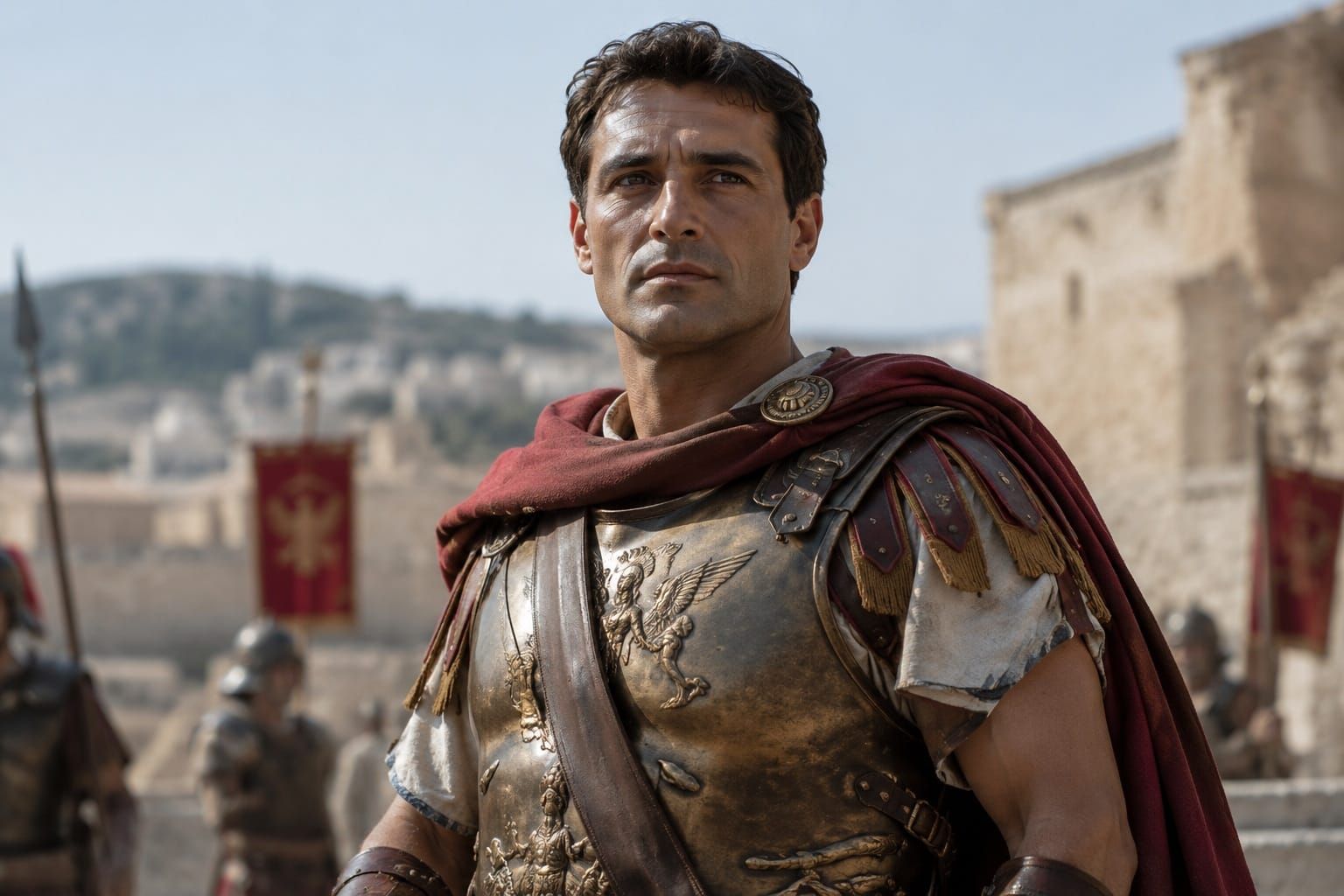
Publius Cornelius Scipio Aemilianus was born around 185 BC, the natural son of Lucius Aemilius Paullus, and was adopted into the family of Scipio Africanus. Before he was forty, he had fought in Macedonia and Spain, served during the opening years of the Third Punic War, and been elected consul despite being below the normal age for the office. Carthage fell under his command in 146 BC. Thirteen years later, after a second exceptional consulship, Numantia fell as well.
His career continued for almost two decades after Carthage. He served as censor, remained prominent in Roman politics, opposed the settlement made after the disastrous Roman campaign against Numantia in 137 BC, and later became involved in the disputes that followed the death of his brother-in-law Tiberius Gracchus. In 129 BC, while preparing for another political confrontation, Scipio was found dead at home. Ancient accounts offered several explanations, but none established how he died.
Born an Aemilius, Raised a Scipio
Scipio’s natural father, Lucius Aemilius Paullus, commanded the Roman army that defeated King Perseus of Macedon at Pydna in 168 BC. His adoption by Publius Cornelius Scipio, the son of Scipio Africanus, placed him legally inside another of Rome’s most prominent aristocratic families. He therefore grew up connected by birth to the Aemilii Paulli and by adoption to the family of the commander who had defeated Hannibal.
He accompanied his natural father during the Macedonian war. Plutarch’s later account says that after Pydna the young Scipio disappeared during the pursuit of the defeated Macedonians, causing his father considerable anxiety. He returned after nightfall, according to that tradition, after taking part enthusiastically in the pursuit. The story belongs to the later biographical tradition, but Scipio’s presence in the Macedonian campaign itself is not in doubt.
The period after the Macedonian war also brought him into close contact with Polybius. The Achaean statesman and historian had been brought to Italy after Rome’s victory and was allowed to remain in Rome, where he became close to Scipio and his brother Fabius. Polybius says that the relationship began through books and conversations and eventually became sufficiently close to be widely known.
Polybius preserves a conversation in which the young Scipio complained about the reputation he had among Romans. Speaking of what others thought of him, Scipio says:
“I am believed by everybody to be a quiet and indolent man” Polybius, Histories 31.23
Polybius presents the friendship as important to Scipio’s development. His account then follows the young Roman as he built a reputation for temperance, generosity and courage, giving several examples of his financial generosity toward members of his family.
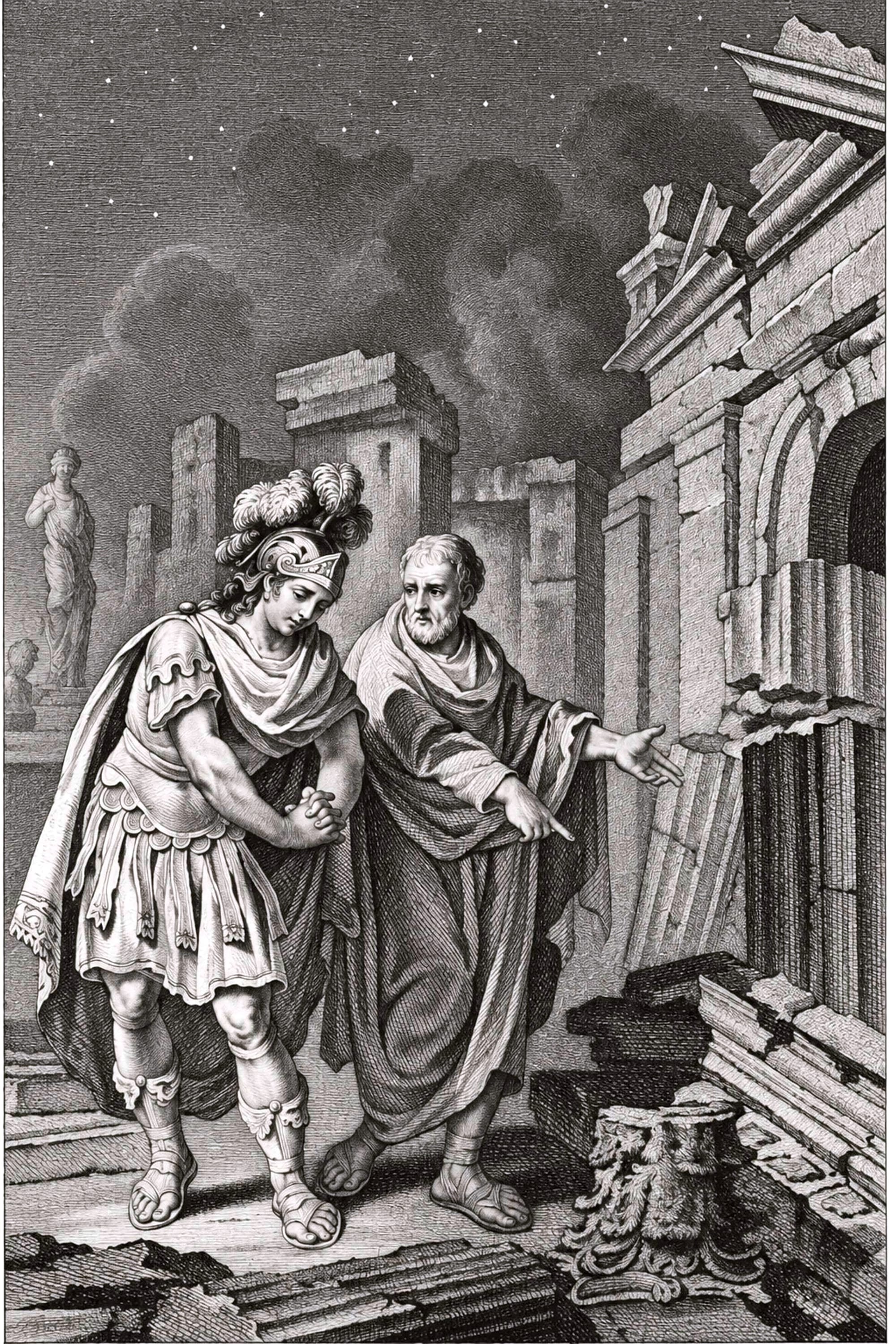
Polybius also describes Scipio’s enthusiasm for hunting in Macedonia and links the activity with the physical courage he was trying to develop. Because Polybius was personally close to Scipio and openly admired him, his account gives unusually intimate evidence while also requiring some caution about the portrait it creates.
The Young Soldier Who Volunteered for Spain
Scipio’s next important military experience came in Spain in 151 BC. Recruitment for the campaign had proved difficult, and he volunteered to serve as a military tribune. His decision encouraged others to enlist, while his adoptive family already had a strong association with Spain through the campaigns of the elder Scipio Africanus.
The ancient tradition credits him with conspicuous personal bravery during the campaign. He was said to have fought an enemy in single combat and later to have been the first Roman to scale the wall of an enemy city under fire, earning the corona muralis. These details survive through later accounts, but they form part of a consistent ancient picture of Scipio returning from his first Spanish service with a much stronger military reputation.
In 150 BC he was involved in another Roman attempt to deal with the long dispute between Carthage and the Numidian king Masinissa. Carthage had been forbidden by the settlement of 201 BC to wage war without Roman permission, while disputes over territory with Numidia continued through the first half of the second century.
The wider dispute continued until Carthage finally responded militarily to Numidian pressure without Roman permission. The Carthaginians had repeatedly appealed to Rome over Masinissa’s encroachments, but the restrictions imposed after the Second Punic War left them unable to take independent military action legally. Their eventual decision to fight provided an immediate issue in the events leading to the Third Punic War.
From Military Tribune to the Man Who Took Carthage
The Third Punic War began in 149 BC, when Scipio was serving as a military tribune rather than as the commander of the Roman army. The first Roman operations produced a series of difficulties and reverses. During one dangerous operation against the Carthaginian forces outside the city, Scipio’s intervention helped prevent a more serious Roman disaster, and the ancient tradition credited him with winning the corona graminea for saving Roman troops.
Scipio’s position became more prominent during these campaigns. He also became involved in settling the affairs of Masinissa after the Numidian king died. By the time Scipio returned to Rome, the conduct of the war had caused considerable dissatisfaction, while his own performance in Africa had increased his standing with the soldiers and the Roman public.
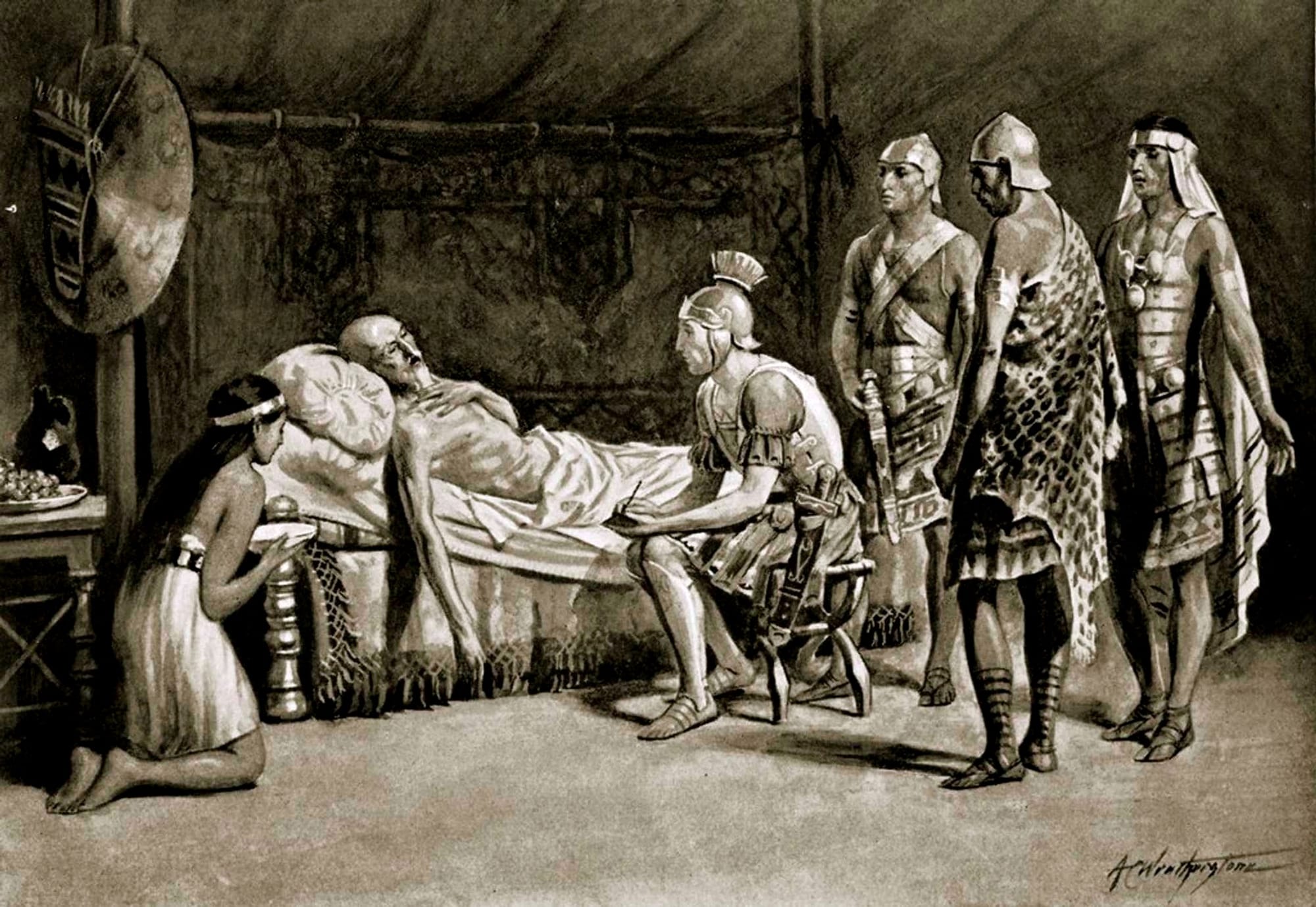
He returned intending to seek the aedileship, but the election took a different course. Although he was below the normal age for the consulship, the people elected him consul for 147 BC, and Africa was then assigned to him. His election required Roman political rules to be set aside for the occasion, as they would again when he was sent against Numantia more than a decade later.
Scipio inherited a siege that had already lasted for two campaigning seasons. Carthage’s landward side was strongly fortified, while the city’s access to the sea complicated Roman efforts to isolate it. Under Scipio, the Romans strengthened their siege works across the isthmus and constructed fortifications facing both the city and the territory behind the Roman position, preventing the Carthaginians from moving out while also making it harder for supplies, reinforcements and information to reach them.
The harbor presented a separate problem. Roman forces constructed a mole intended to obstruct access, but the Carthaginians responded by secretly excavating another channel from their ports to the sea and constructing new warships. The fleet emerged through the new opening and fought the Romans in 147 BC, though the naval operations failed to break the siege.
The Roman attack then moved into the city itself. Troops established a position around the harbor area and pushed toward the agora and the lower city. There is a description about fighting among tall residential buildings, with Roman soldiers advancing over roofs and through houses by breaking through adjoining walls. Fires followed the Roman advance as control of the lower city passed section by section to the attackers.
“There were three streets ascending from the forum to this fortress, along which, on either side, were houses built closely together and six stories high, from which the Romans were assailed with missiles. They were compelled, therefore, to possess themselves of the first ones and use those as a means of expelling the occupants of the next.
When they had mastered the first, they threw timbers from one to another over the narrow passageways, and crossed as on bridges. While war was raging in this way on the roofs, another fight was going on among those who met each other in the streets below. All places were filled with groans, shrieks, shouts, and every kind of agony. Some were stabbed, others were hurled alive from the roofs to the pavement, some of them alighting on the heads of spears or other pointed weapons, or swords.
No one dared to set fire to the houses on account of those who were still on the roofs, until Scipio reached Byrsa. Then he set fire to the three streets all together, and gave orders to keep the passageways clear of burning material so that the army might move back and forth freely.” Appian, The Punic Wars 128
The last major concentration of resistance was around the Byrsa. Hasdrubal, one of the principal Carthaginian commanders, eventually surrendered, while other defenders and Roman deserters continued to resist around the upper city. Carthage burned during the final stages of the fighting, and the ancient accounts preserve the impression that the destruction continued for several days.
Polybius, who was present in Africa, preserved the tradition that Scipio was deeply affected while watching Carthage perish. He remembered Scipio turning to him and saying:
“I have a dread foreboding that some day the same doom will be pronounced on my own country.” Polybius, Histories 38.21
The same tradition connects the scene with Scipio’s recollection of Homer and the destruction of Troy. Polybius presents the episode as a reflection on the possibility that Rome, like other powerful states and cities, might eventually face destruction itself. The surviving evidence does not require a broader theory of Roman decline to be attributed to Scipio beyond the reflection preserved in the ancient account.
The destruction of Carthage also accumulated stories that are not supported by the evidence. The familiar claim that the Romans ploughed the site and deliberately sowed it with salt is not supported by the archaeology of the destroyed city. Excavations have instead revealed buildings damaged and burned but left in place, and the salt tradition is much later than the events of 146 BC.
Scipio returned to Rome and celebrated a triumph in 145 BC. He now bore the name Africanus, the same victory name associated with his adoptive grandfather after the Second Punic War.
Between Carthage and a Second War in Spain
Scipio remained active in Roman public life after Carthage. He was elected censor in 142 BC and became known for strict measures during the censorship, although his colleague Lucius Mummius did not always share his approach. His reputation as an orator and his friendships with figures such as Laelius, Polybius, Panaetius and Lucilius also contributed to the later literary picture of him as one of the most culturally engaged aristocrats of his generation.
Those relationships were real, but the evidence does not require the existence of a formally organized intellectual group working according to a common programme. Later descriptions of a “Scipionic Circle” bring together friendships and associations that did not necessarily form a single political or philosophical movement. The evidence supports Scipio’s close relationship with Polybius and Laelius and his contact with Greek intellectual culture without requiring a larger system to be constructed around them.
Spain again became central to Scipio’s career after the disaster suffered by the consul Gaius Hostilius Mancinus in 137 BC. Mancinus’ army was trapped by the Numantines, and his quaestor Tiberius Gracchus took an important part in negotiating an agreement that allowed the Roman force to escape. The settlement had been made from a position of Roman military weakness and became the subject of a major dispute at Rome.
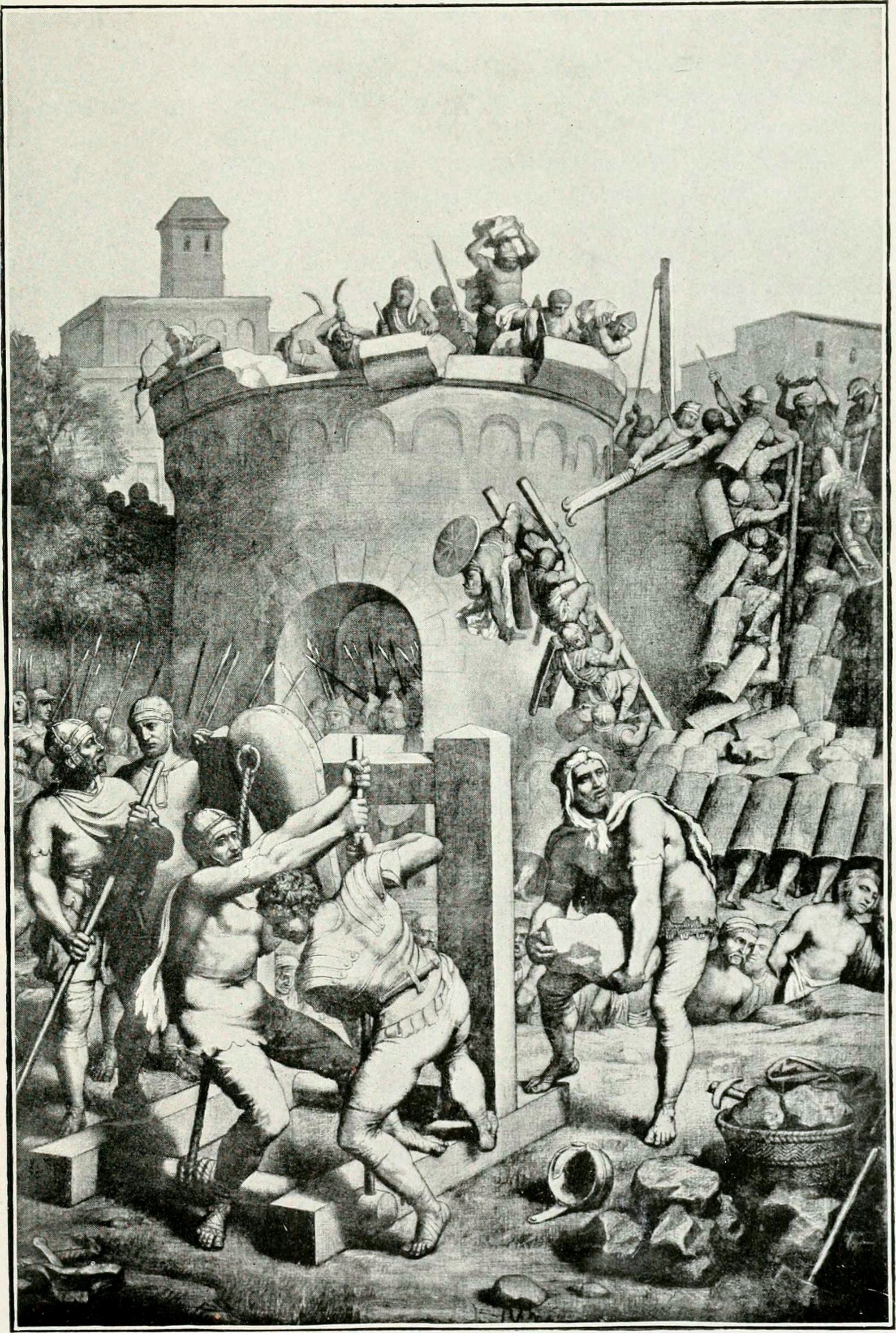
Scipio opposed ratification of the agreement but attempted to protect Gracchus personally from responsibility for it. Mancinus himself was surrendered naked and bound to the Numantines, who refused to accept him because they regarded the treaty as valid. The fighting continued, while the sequence of unsuccessful Roman commands helped turn the Numantine war into a prolonged military and political problem.
In 134 BC the Roman people again elected Scipio consul despite the restriction against another consulship. Appian says the Romans were tired of a war that had lasted far longer and proved far more difficult than expected, and believed Scipio was the man capable of ending it. He did not levy an entirely new army at Rome but went to Spain with a smaller body of volunteers, clients and friends, intending first to deal with the condition of the army already there.
Numantia: Discipline, Siege Works and Starvation
Appian describes the army Scipio found in Spain as affected by idleness, discord and luxury. Scipio therefore began his command with his own soldiers rather than with an immediate attack on Numantia. Traders and prostitutes were expelled from the camp, soothsayers and diviners were removed, unnecessary wagons and baggage were sold, and the amount of equipment individual soldiers were permitted to carry was reduced.
The measures also applied to daily life. Appian says:
“They were forbidden to have beds, and Scipio was the first one to sleep on straw.” Appian, Wars in Spain 85
Scipio then used repeated physical exercises to prepare the army. Appian describes soldiers constructing and demolishing camps, digging and refilling trenches, building and pulling down walls, marching in regulated formations and completing assigned tasks within fixed periods. Scipio personally supervised the work, and only after this period of training did he consider the army ready for more serious operations.
He nevertheless continued to avoid a pitched battle when he believed it unnecessary. During one discussion of the route his army should take, Appian has him argue that a commander should not accept serious danger for a small result and should fight only when necessity required it. His operations then extended into territory from which the Numantines obtained supplies, where food that could be used by the Romans was taken and other material destroyed.
After returning to the Numantine area, Scipio moved from the earlier phase of campaigning to a systematic siege. The ancient narrative distinguishes an earlier Roman position “near” Numantia from the later establishment of two camps very close to the city and seven additional fortified positions around it.
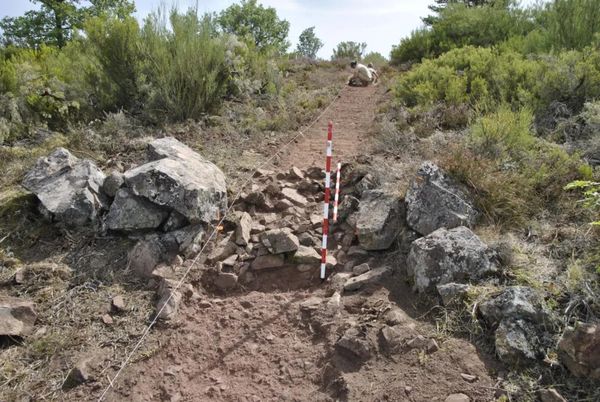
The siege line was strengthened in stages. Appian describes a ditch and palisade followed by another ditch and a substantial wall, with towers placed at intervals. The surviving archaeological evidence confirms major Roman fortifications around Numantia, but the terminology of the ancient source distinguishes between camps and smaller forts, and not every excavated enclosure can securely be assigned to one of Appian’s numbered positions.
The rivers around Numantia complicated the effort to make the blockade complete. Appian describes Scipio fortifying positions on both sides of the Douro and using barriers fitted with blades and projectiles to prevent traffic along the water. Archaeological work has also led to the suggestion that structures formerly interpreted as the remains of an attempted bridge may instead be connected with these fortified river positions.
Scipio organized the manpower around the siege line so that soldiers could respond quickly to an attack. Signals, messengers and trumpets allowed reinforcements to move to threatened sections, while Scipio inspected the circuit regularly. Appian says he believed that once the Numantines had been enclosed and deprived of food, arms and outside assistance, their resistance could not continue indefinitely.
The siege also included severe punishment outside Numantia. Rhetogenes escaped the blockade and tried to obtain help from neighboring communities. At Lutia, young men were prepared to assist the Numantines, but Scipio reached the town quickly. Appian says approximately four hundred of them were surrendered to him and that he ordered their hands cut off.
Conditions inside Numantia deteriorated as the blockade continued. When representatives sought terms, Scipio required unconditional surrender rather than a negotiated agreement. Famine ultimately broke the resistance of a city that previous Roman commanders had repeatedly failed to defeat in open campaigning.
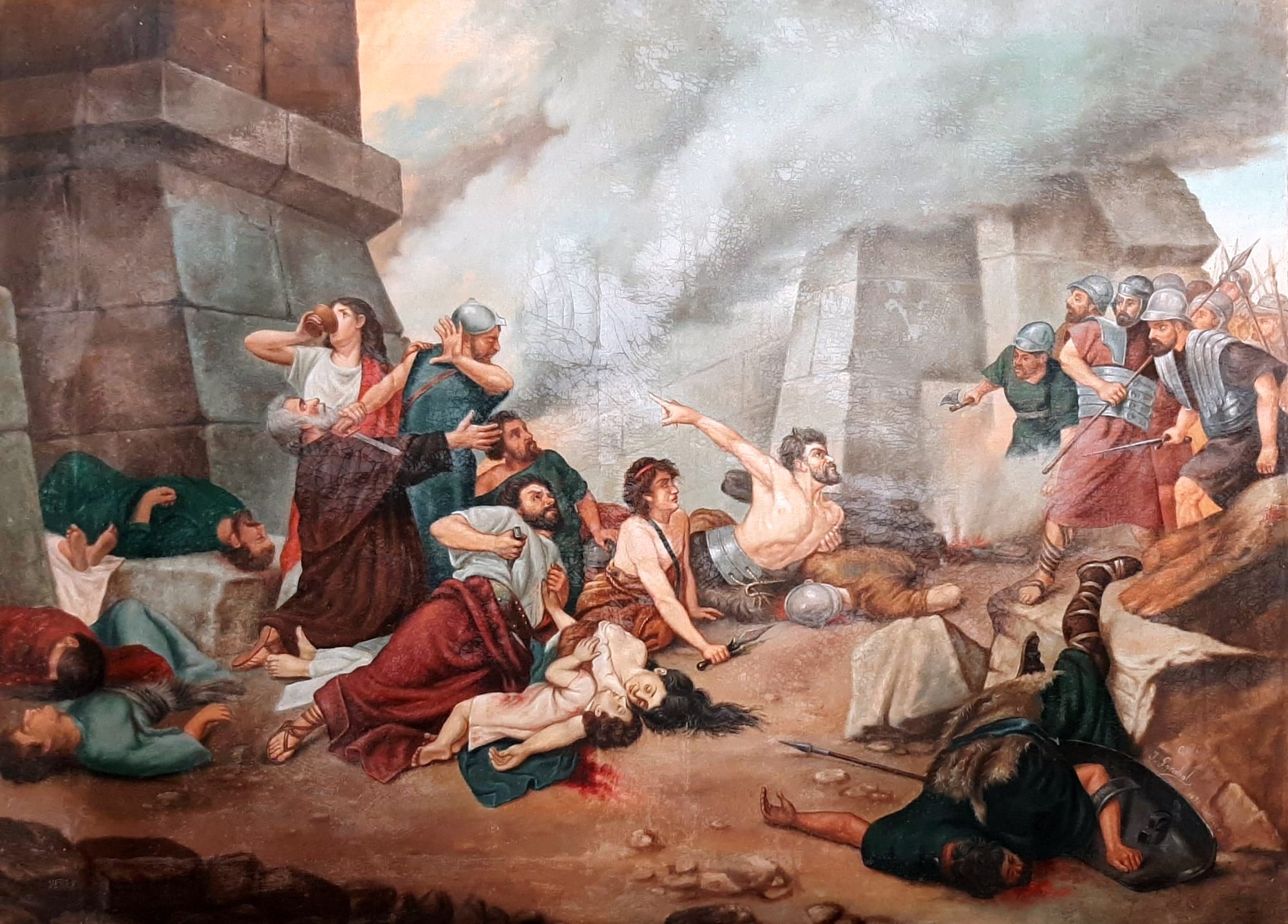
The final surrender in 133 BC did not come after a decisive Roman assault. Appian describes some inhabitants choosing death and others surviving until resistance became impossible. Scipio selected prisoners for his triumph, disposed of others as captives, and ordered the city destroyed. The Roman victory had come through the reconstruction of the army, the destruction of outside supply options, the construction of the circumvallation and the prolonged isolation of Numantia.
Scipio and the Political Crisis After Tiberius Gracchus
While Scipio was in Spain, his brother-in-law Tiberius Gracchus had been killed in Rome. Tiberius had introduced an agrarian law during his tribunate in 133 BC, and the struggle over the measure ended with his death and the deaths of many of his supporters. Ancient tradition later associated Scipio with a Homeric response to the news, understood as approval of the death of a man whom he believed had aimed at unconstitutional power.
After Scipio returned to Rome, his position on Tiberius became a matter of public confrontation. Asked whether he approved of what had happened, he answered that if Tiberius had intended to seize control of the state, his death had been justified. The statement damaged Scipio’s relationship with sections of the electorate that had previously supported him, and his subsequent political record included failure to obtain the command against Aristonicus and failure to secure the office of pontifex maximus.
The agrarian law itself continued to create disputes after Tiberius’ death. Italian communities complained that decisions of the land commission affected property and rights involving Rome’s allies. They appealed to Scipio, who supported their case and succeeded in removing important judicial functions from the agrarian commissioners.
This placed him in direct conflict with supporters of the Gracchan programme. The surviving accounts describe increasingly bitter public exchanges, while Scipio’s marriage to Sempronia, the sister of Tiberius and Gaius Gracchus, added a family connection to the political dispute. The marriage was childless, but the more hostile details later attached to Sempronia come from traditions shaped by the controversy surrounding Scipio’s death.
Found Dead in 129 BC
Scipio died suddenly in 129 BC. Appian says that he had gone home with the intention of preparing a speech for the following day and was found dead the next morning. The circumstances immediately produced competing explanations, and ancient accounts do not agree on a cause.
Appian preserves suggestions that Cornelia and Sempronia were involved, that Scipio killed himself, or that outsiders entered and suffocated him. Plutarch preserves suicide and suffocation traditions as well as the possibility of illness, while another passage reports that marks of violence were said to have been noticed on the corpse. The versions already differ enough to show that antiquity had no single accepted explanation.
A tradition associated with the funeral oration of Laelius treated Scipio’s death as natural. A later modern proposal has suggested accidental death through choking after eating and drinking, but this remains a reconstruction rather than something established by the surviving evidence. The available accounts support only the conclusion that his death was sudden, politically convenient to some of his opponents, and never satisfactorily explained.
Cicero later presented Scipio as a cultivated aristocrat, an accomplished soldier and orator, and an important defender of senatorial authority. Other evidence preserves the earlier stages of a career in which Scipio himself had twice benefited from exceptional popular intervention to obtain consulships and military commands. Both elements belong to the ancient and modern evidence for his political career, which continued from his first military service in the 160s BC to the political conflict in which he was involved immediately before his death.
A. E. Astin, Scipio Aemilianus.
Tom Stevenson, “Scipio Aemilianus.”
Dexter Hoyos, ed., A Companion to the Punic Wars, especially “Carthage and Numidia, 201–149 BC” and “The Third Punic War: The Siege of Carthage.”
Ángel Morillo Cerdán and Fernando Morales Hernández, “Campamentos romanos de la guerra de Numancia: La circunvalación Escipiónica.”
Ian Worthington, “The Death of Scipio Aemilianus.”
Polybius, Histories.
Appian, Punic Wars, Wars in Spain, and Civil Wars.
Plutarch, Aemilius Paullus, Tiberius Gracchus, and Gaius Gracchus.
Cicero, De re publica, De amicitia, De oratore, and Brutus.
Livy, Periochae.
Velleius Paterculus, Roman History

About the Roman Empire Times
See all the latest news for the Roman Empire, ancient Roman historical facts, anecdotes from Roman Times and stories from the Empire at romanempiretimes.com. Contact our newsroom to report an update or send your story, photos and videos. Follow RET on Google News, Flipboard and subscribe here to our daily email.
Follow the Roman Empire Times on social media: