Roman Empire Anecdotes
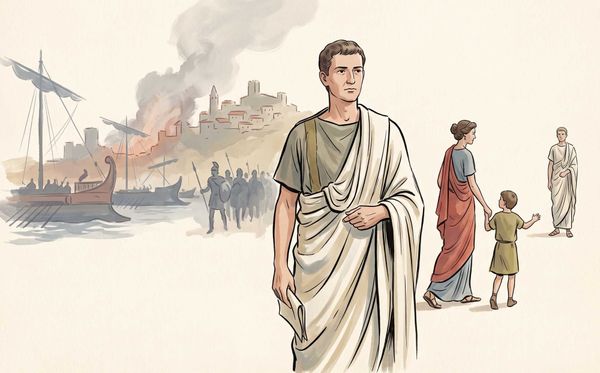
Tiberius Claudius Nero: Caesar’s Officer, Livia’s Husband, Tiberius’s Father
Tiberius Claudius Nero served Caesar, opposed Octavian, fled Italy with Livia, and became the father of Rome’s second emperor.

A prolific writer from the ancient Greek city of Chalkis, Christina loves Ancient Greek and Roman Empire's tales of gods and mortals. Currently finds inspiration from Ancient Roman monuments in Lisbon

Roman Empire Anecdotes
Tiberius Claudius Nero served Caesar, opposed Octavian, fled Italy with Livia, and became the father of Rome’s second emperor.
Roman Empire Historical Facts
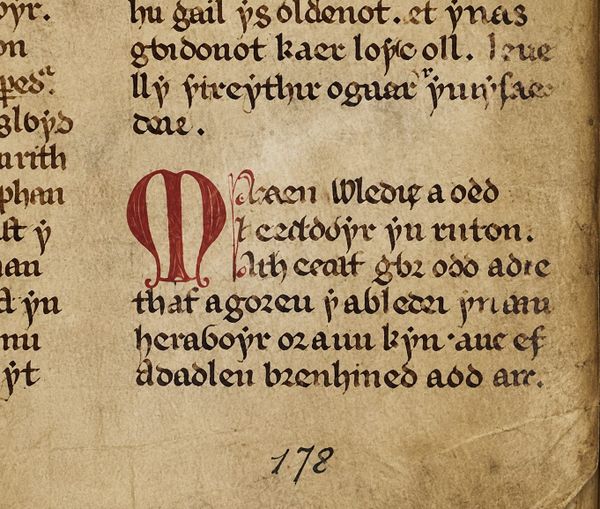
A Roman commander in Britain rose to imperial power in 383, ruled from Trier, challenged the western emperors, and later survived in Welsh tradition as Maxen Wledig.
Roman Empire Historical Facts
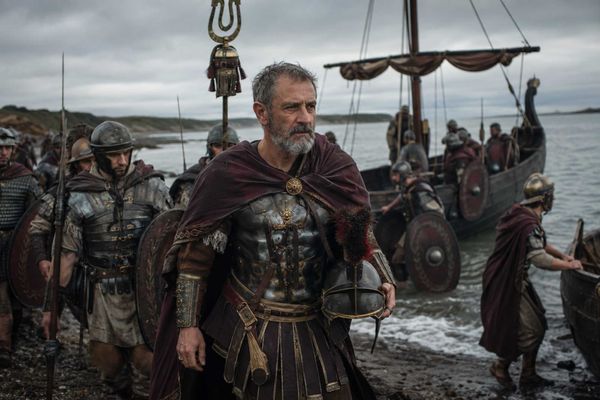
In 367, Roman Britain faced a major military crisis as Picts, Scots and Attacotti raided the provinces, commanders were lost and soldiers deserted. Count Theodosius was sent to restore Roman control.
Roman Empire Anecdotes
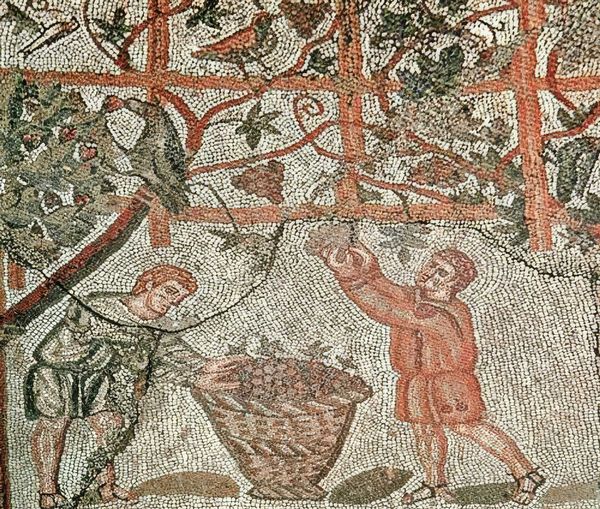
Romans preserved food through drying, salting, smoking, pickling, fermentation and careful storage, using techniques that could keep grain, fruit, cheese, meat and wine usable for months.
Roman Empire Historical Facts
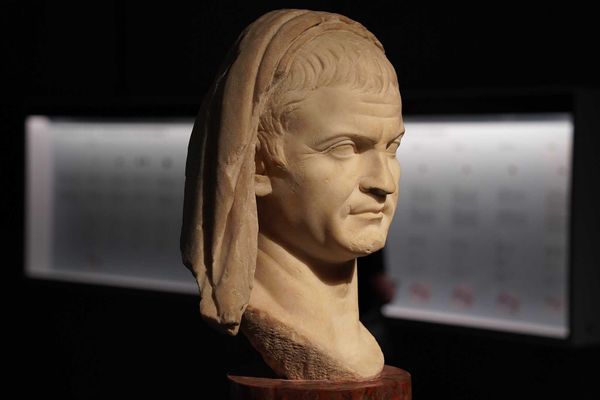
Power does not always announce itself. Sometimes it works quietly, close to the center of events, shaping outcomes while leaving few traces behind
Roman Empire Historical Facts
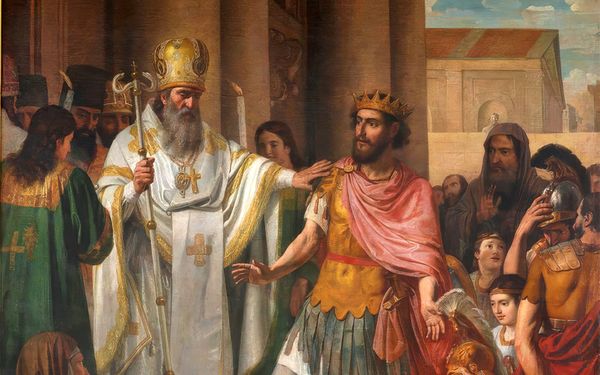
Theodosius I inherited an empire shaken by Adrianople and ruled through Gothic settlement, civil war, religious conflict and dynastic change. His reign became surrounded by powerful later legends, but the surviving laws, letters and histories preserve a more complicated emperor.
Roman Empire Historical Facts
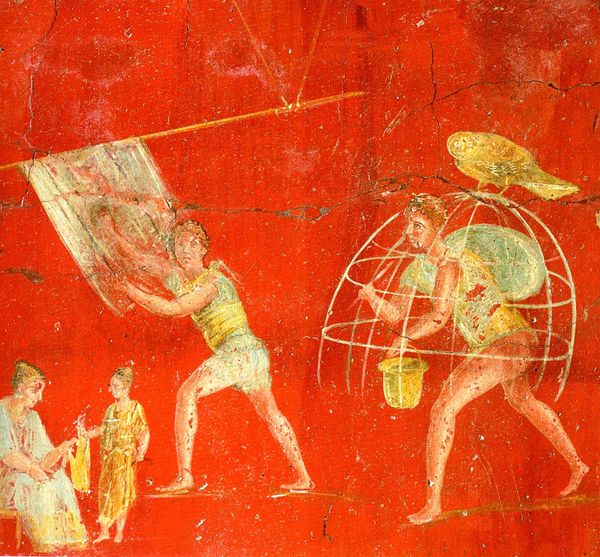
Roman fashion relied on spinners, weavers, dyers, fullers, tailors and traders, while clothing could signal status, citizenship, wealth and identity.
Roman Empire Historical Facts
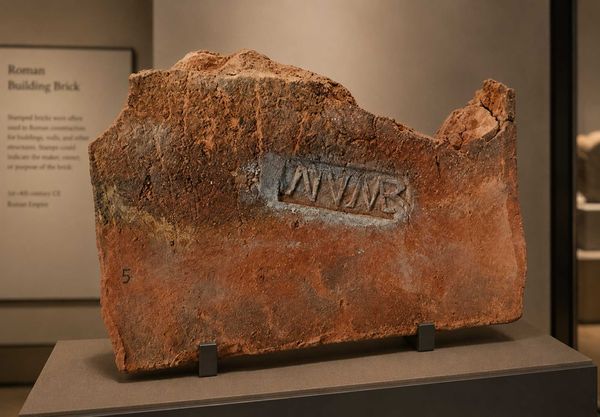
Behind Rome’s famous brick walls stood a vast industry of clay extraction, moulding, drying, firing, stamping and transport. Here is how the bricks that built ancient Rome were actually made and moved.
Roman Empire Historical Facts
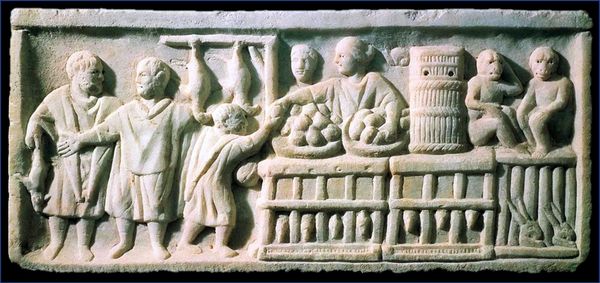
Roman women lent money, ran shops and workshops, owned productive property, took part in long-distance trade and managed agricultural estates. The surviving evidence reveals a much wider female presence in the Roman economy than the traditional image suggests.
Roman Empire Historical Facts
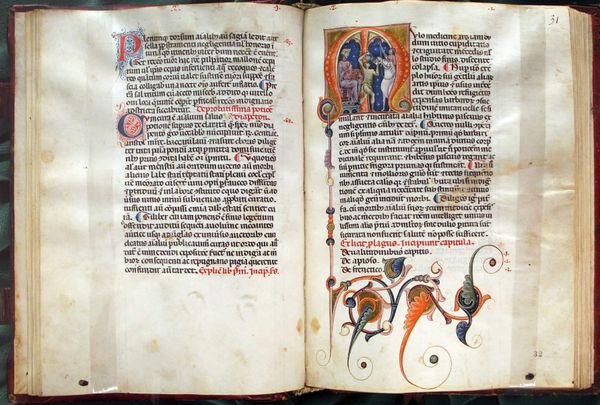
What if one man, standing at the twilight of Rome, believed that the fate of peace depended on the art of war? His words, written more than 1,500 years ago, became the backbone of medieval strategy and echoed in the training grounds of emperors and knights alike.
Roman Empire Anecdotes
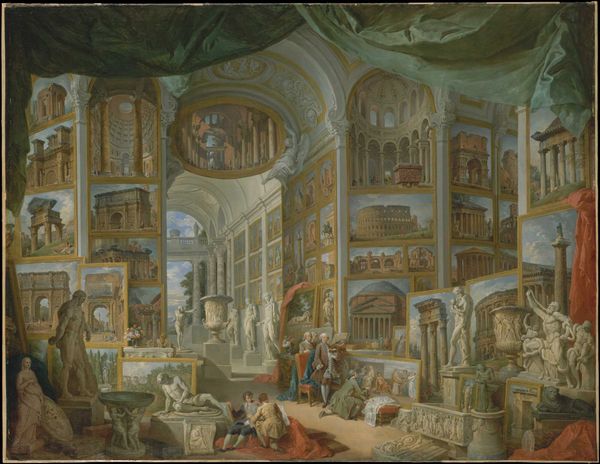
In an age exhausted by civil war, Rome did not want debate; it wanted certainty. Velleius Paterculus offered a history that moved fast, closed wounds, and presented the new order not as rupture, but as recovery.
Roman Empire Anecdotes
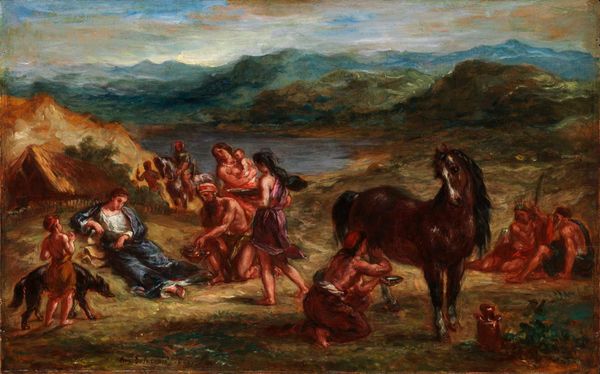
Exile in ancient Rome could mean escape, punishment, isolation or political survival. From Cicero to Ovid, Seneca and imperial prisoners, Roman exile took many forms.
Roman Empire Anecdotes
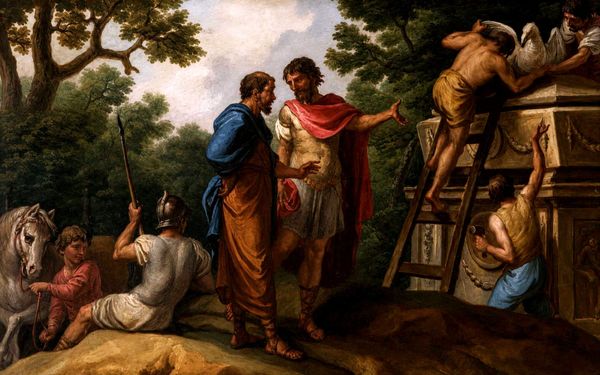
Diodorus Siculus attempted to gather the history of the inhabited world into one vast work, preserving material from many sources that later disappeared.
Roman Empire Historical Facts
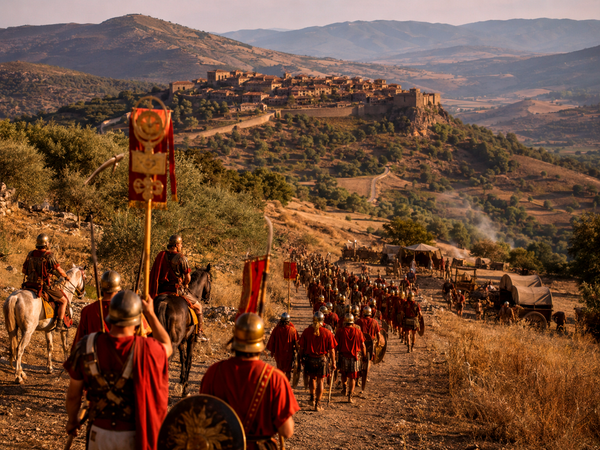
Rome’s Italian allies had fought in its armies for generations. In 91 BCE, disputes over citizenship, equality and Roman power led them to revolt.
Roman Empire Anecdotes
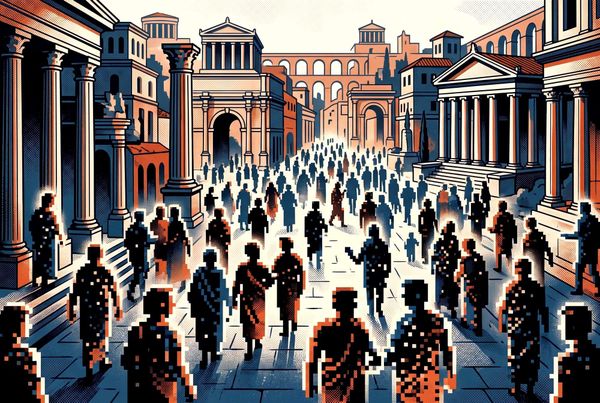
Romans had no single identity document. Names, census records, birth declarations, seals, witnesses and military diplomas could establish identity and legal status.
Roman Empire Anecdotes
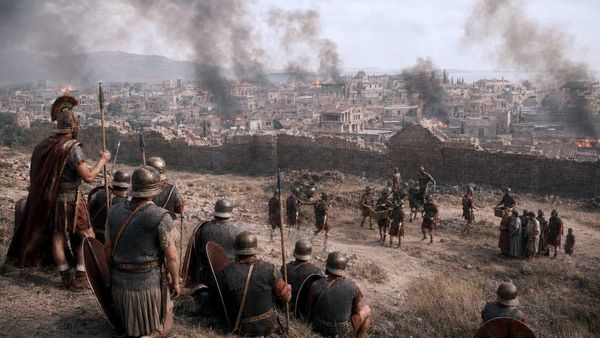
Capua, Carthage and Corinth defied Rome but did not receive the same punishment. Their different fates reveal how the Republic treated defeated cities.