Roman Empire Anecdotes
Edicta Munerum: How Romans Advertised Gladiator Games
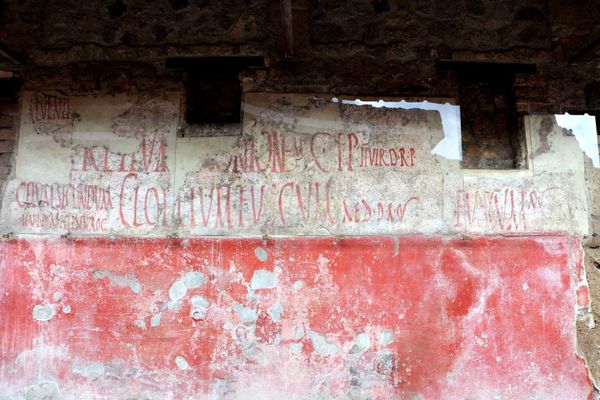
Painted across houses, baths and tombs, edicta munerum advertised gladiator games with dates, sponsors, fighters and extra attractions.

Roman Empire Anecdotes
Painted across houses, baths and tombs, edicta munerum advertised gladiator games with dates, sponsors, fighters and extra attractions.
Roman Empire Historical Facts
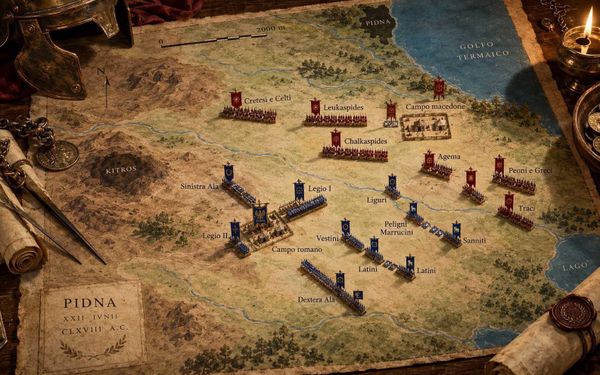
At Pydna in 168 BC, Aemilius Paullus defeated Perseus after the Macedonian phalanx lost cohesion and Roman troops entered the gaps in its line.

Roman Empire Historical Facts
The rudis marked a gladiator’s release from compulsory service in the arena, but it did not always mean legal freedom. From training weapon to retirement award and referee’s staff, its meaning reveals much about gladiatorial careers, status and life after combat.
Roman Empire Historical Facts
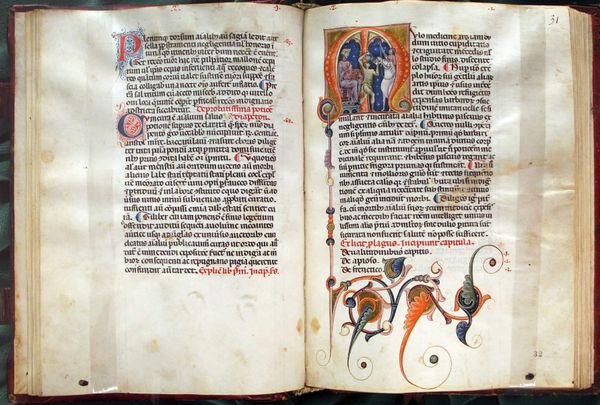
What if one man, standing at the twilight of Rome, believed that the fate of peace depended on the art of war? His words, written more than 1,500 years ago, became the backbone of medieval strategy and echoed in the training grounds of emperors and knights alike.
Roman Empire Anecdotes
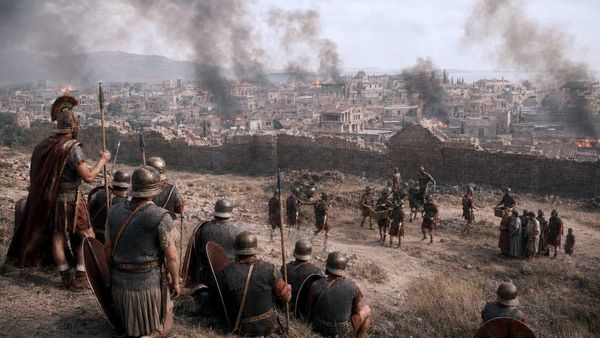
Capua, Carthage and Corinth defied Rome but did not receive the same punishment. Their different fates reveal how the Republic treated defeated cities.
Roman Empire Anecdotes
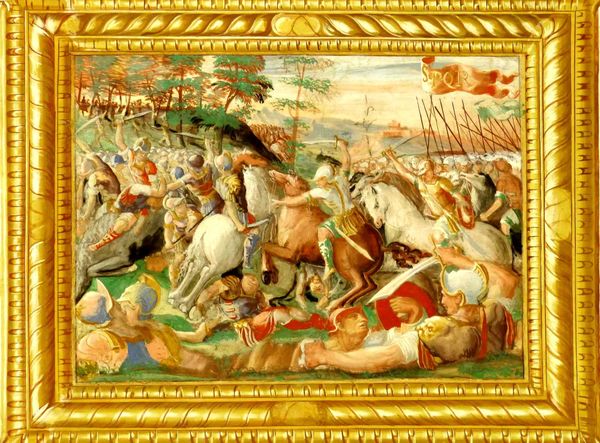
In 217 BC, Hannibal trapped and destroyed a Roman consular army between the hills and Lake Trasimene. Ancient accounts describe the ambush, the death of Gaius Flaminius and Rome’s response to the defeat.
Roman Empire Historical Facts
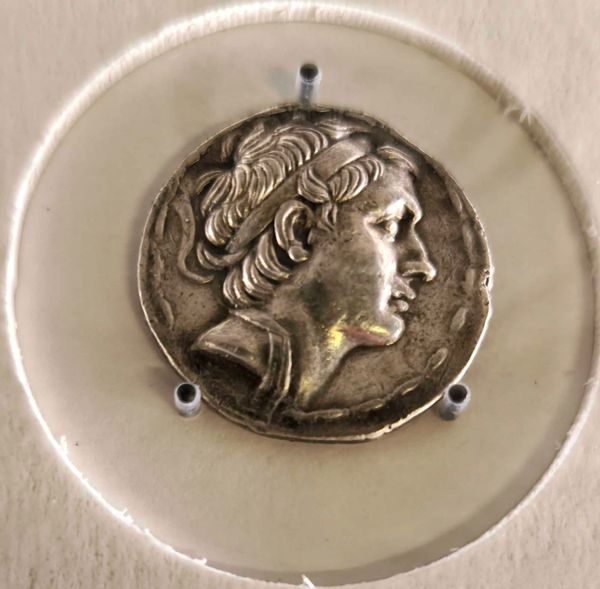
Antiochus III entered Greece as a would-be liberator and rival to Rome, but his campaign exposed the limits of Seleucid power against Rome’s armies, navy, and diplomacy.
Roman Empire Anecdotes
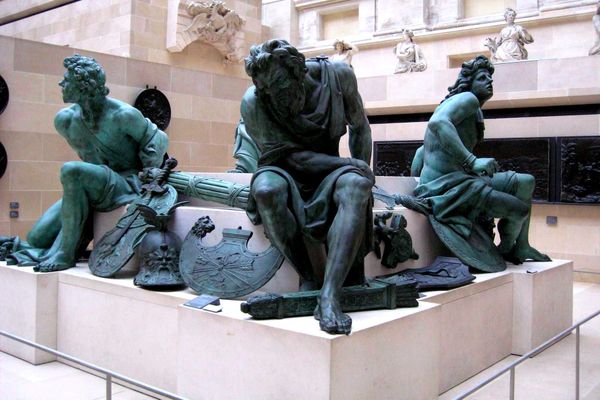
Rome’s hostage system turned royal sons, noble youths, and local elites into living pledges of loyalty, peace, and political control.
Roman Empire Historical Facts
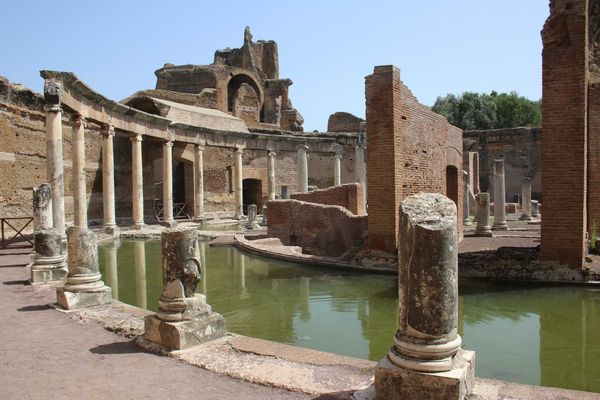
Romans did not see luxury as harmless pleasure or refined taste. They feared it as a force that could soften character, blur social boundaries, and turn the rewards of conquest into the seeds of decline.

Roman Empire Historical Facts
In the second century CE, Appian of Alexandria set out to explain how Rome conquered the world — and how it turned against itself. His Roman History remains the most sustained ancient account of the civil wars that transformed republic into empire.
Roman Empire Historical Facts
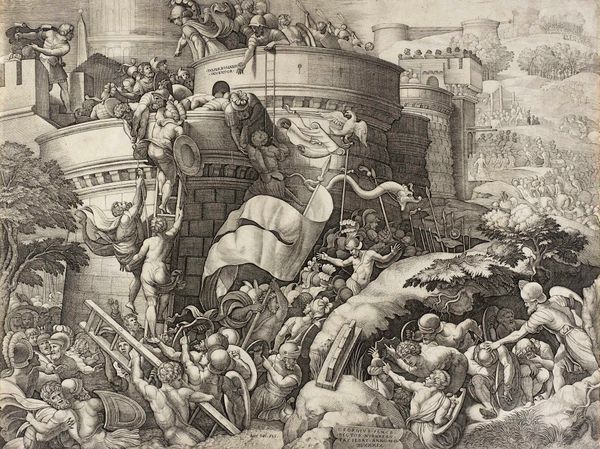
In 255 BCE, as Rome advanced toward Carthage itself, a Spartan mercenary took command of a collapsing army. One battle later, the Roman invasion lay in ruins — and Xanthippus vanished from history almost as suddenly as he had appeared.
Roman Empire Historical Facts
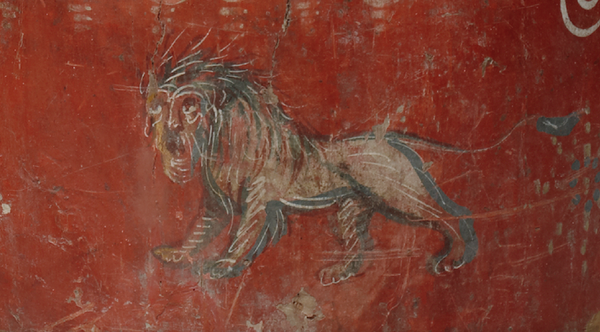
Discovered beneath the ruins of Dura-Europos, a group of painted Roman shields preserves rare evidence of military equipment, artistic practice, and frontier life on Rome’s eastern edge shortly before the city’s destruction in 256 CE.
Roman Empire Historical Facts
From Illyria to Corinth, Rome conquered Greece not in a day but through decades of alliances, wars, and diplomacy. Yet while the legions won the land, Greek culture won Rome — transforming its conqueror into its greatest disciple.
Roman Empire Anecdotes
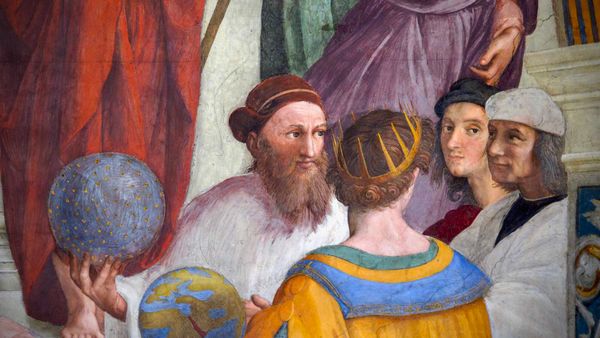
Strabo’s Geography stitched together mountains, rivers, and peoples into a vision of Rome’s dominion. His work, both silent and selective, mapped not just lands but identities, placing cities, cultures, and empire within concentric circles of belonging.

Roman Empire Historical Facts
Valerian’s capture by Shapur I in 260 CE was Rome’s most humiliating defeat—its emperor turned into a Persian trophy. His fate, ambiguous and unforgettable, inspired centuries of reinterpretation, from Christian polemic to Byzantine invective and Persian pride.
Roman Empire Historical Facts
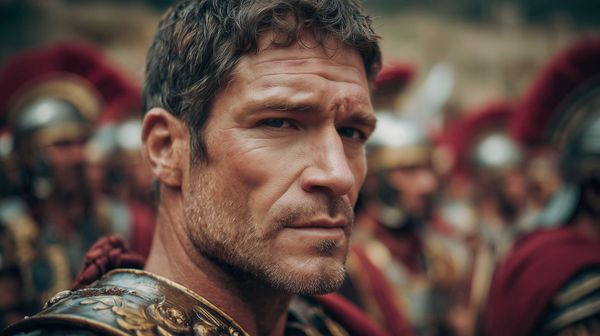
Gaius Marius reshaped Rome’s war-machine. By opening enlistment to the capite censi, organizing legions by cohorts, lightening baggage—“Marius’ Mules”—and elevating the eagle, he turned a citizen militia into a professional army that outlived the Republic.