Roman Empire Historical Facts
From Lemuria to Halloween: Rome’s Ancient Festival of Spirits
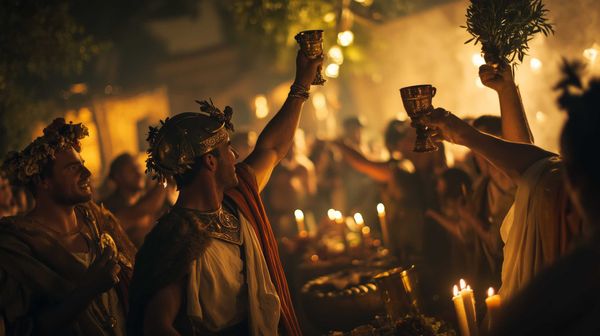
Long before Halloween, Romans held Lemuria—a midnight festival to appease ghosts with beans and bronze, guarding their homes from restless spirits.
Roman Empire Historical Facts
Long before Halloween, Romans held Lemuria—a midnight festival to appease ghosts with beans and bronze, guarding their homes from restless spirits.
Roman Empire Historical Facts
In a world ruled by signs and shadows, the Romans saw meaning in every tremor and whisper. Fear was not weakness but wisdom—their way of reading a universe alive with gods, ghosts, and omens.
Roman Empire Historical Facts
Which empire really “ruled the map”? The answer depends on what we count and when we take the snapshot. Let's set the rules first—then follow three peaks (Rome under Trajan, Alexander’s lightning-built realm, and the Mongol high plateau) to see what the numbers can prove—and what they can’t.
Roman Empire Historical Facts
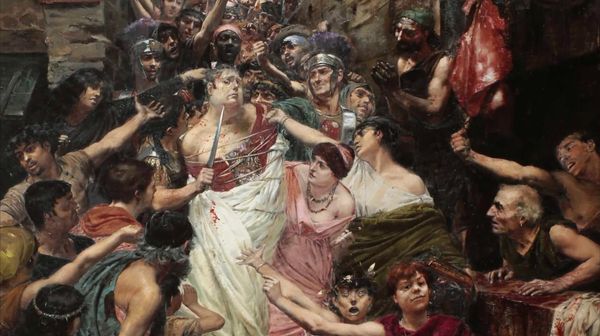
Romans spoke of voluntaria mors—“a voluntary death”—long before Europe coined the word “suicide.” From Cato at Utica to Seneca in a warm bath, and from battlefield honor to comic threat, the Roman world weighed self-killing through philosophy, law, and performance.
Roman Empire Historical Facts
Through myth, theatre, and fire, Nero transformed scandal into legend. Reviled by elites yet adored by crowds, he turned empire into stagecraft and himself into Rome’s most enduring paradox.
Roman Empire Historical Facts
Nero’s legend was forged as much by writers as by deeds. Between art and atrocity, he cast himself as performer-emperor, rebuilt Rome in spectacle and stone, and left a trail of verses, scandals, and lampoons—until the line between ruler and stage all but vanished.
Roman Empire Historical Facts
Aurelian rose from the ranks to stitch a broken empire back together. In five relentless years he beat back invaders, reunited provinces, fortified Rome, reformed money, and crowned the restoration with Sol Invictus—a brief reign, a durable repair.
Roman Empire Historical Facts
Amid the ruins of Domitian’s tyranny, Nerva brought calm without conquest. His short reign restored justice, dignity, and trust—laying the quiet foundations for Rome’s most peaceful age.
Roman Empire Historical Facts
When Constantine raised the Christian cross above his armies, the world changed. Yet behind the miracle at the Milvian Bridge lies an enduring question—did faith guide the emperor, or did empire guide his faith?
Roman Empire Historical Facts
From Illyria to Corinth, Rome conquered Greece not in a day but through decades of alliances, wars, and diplomacy. Yet while the legions won the land, Greek culture won Rome — transforming its conqueror into its greatest disciple.
Roman Empire Historical Facts
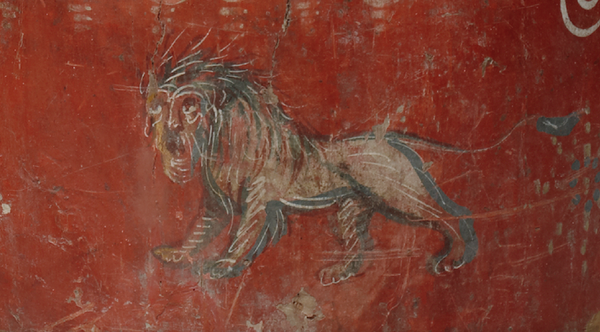
From loyal dogs to exotic monkeys, Romans shared their homes with creatures of every kind. Art, inscriptions, and archaeology reveal a world where animals were companions, protectors, and symbols of affection.
Roman Empire Historical Facts
Behind Pompeii’s grand villas thrived a bustling world of taverns, inns, and bars. From graffiti complaints about watered wine to marble-clad counters that lured passersby, these establishments reveal the everyday rhythms of food, drink, and company in the Roman world.
Roman Empire Historical Facts
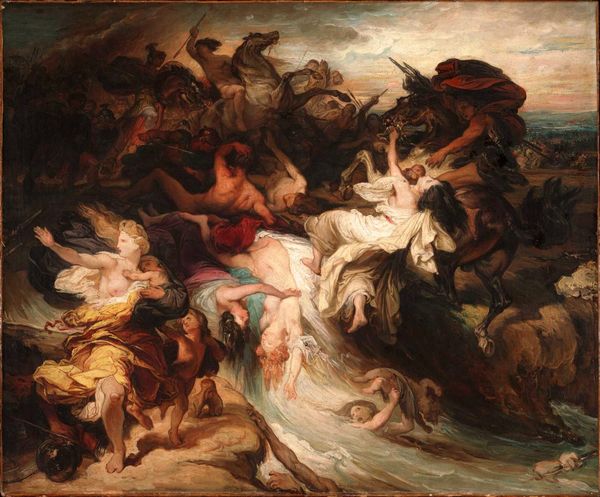
The Amazons, at once feared and admired, stood at the edges of Rome’s imagination. In poetry, art, and history, they became shifting symbols of conquest, gender, and empire—figures through whom Romans defined themselves against the “other.”
Roman Empire Historical Facts
Chains, poverty, bread, and spectacle — everyday realities shaped Roman life as much as empire and conquest. From slaves in collars to crowds in the arena, ancient voices reveal a society built on labor, patronage, and performance, where survival and glory intertwined.
Roman Empire Historical Facts
Behind Rome’s power and conquests lay the daily lives of its people. From family and education to poverty, slavery, law, and spectacle, their routines and struggles reveal how ordinary Romans shaped the empire’s enduring legacy.
Roman Empire Historical Facts
Perfume in Rome was far more than adornment. From daily anointing after the bath to clouds of incense greeting emperors in the streets, scent became a language of status, ritual, and identity—at once a personal luxury and a public symbol of power.