Roman Empire Historical Facts
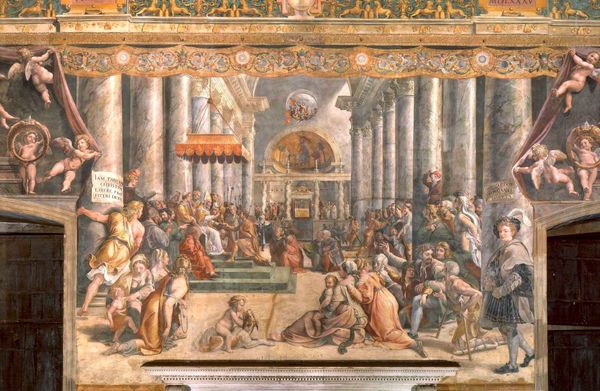
Why the Eastern Roman Empire Did Not Collapse
How did the Eastern Roman Empire survive when so much of its world had already been lost? The answer lay in more than armies and walls.

Roman Empire Historical Facts
How did the Eastern Roman Empire survive when so much of its world had already been lost? The answer lay in more than armies and walls.
Roman Empire Historical Facts
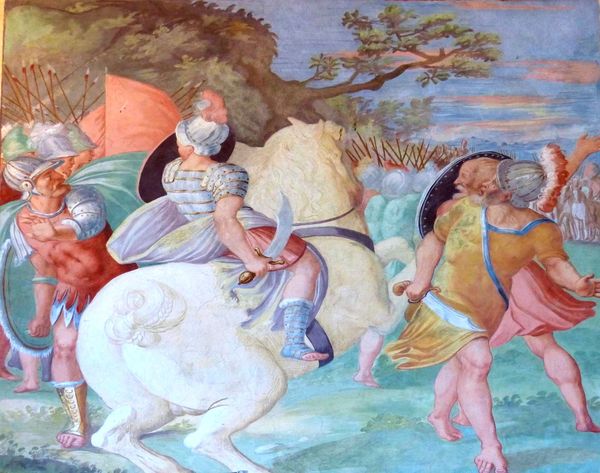
At Pharsalus, Caesar faced Pompey at his strongest — and won by turning the battle at the one moment when his own line seemed closest to collapse.
Roman Empire Historical Facts
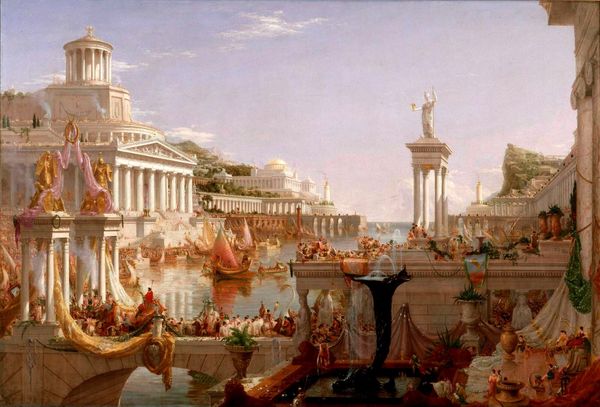
Romans did not see luxury as harmless pleasure or refined taste. They feared it as a force that could soften character, blur social boundaries, and turn the rewards of conquest into the seeds of decline.
Roman Empire Historical Facts
In Rome, status was built from overlapping measures: what you were in law, what you held in property, and who could open doors for you. From senators and city elites to freedmen and slaves, the empire’s hierarchy offered routes upward—but kept its boundaries clear.

Roman Empire Historical Facts
In the second century CE, Appian of Alexandria set out to explain how Rome conquered the world — and how it turned against itself. His Roman History remains the most sustained ancient account of the civil wars that transformed republic into empire.
Roman Empire Historical Facts
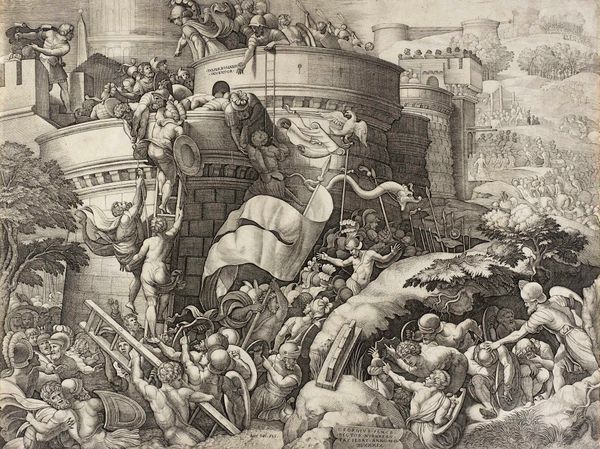
In 255 BCE, as Rome advanced toward Carthage itself, a Spartan mercenary took command of a collapsing army. One battle later, the Roman invasion lay in ruins — and Xanthippus vanished from history almost as suddenly as he had appeared.

Roman Empire Historical Facts
In 9 CE, Roman authority in northern Europe collapsed in a landscape it believed already secured. The destruction of three legions in Germania did more than shock contemporaries – it reshaped Rome’s frontiers, ambitions, and memory of empire itself.
Roman Empire Historical Facts
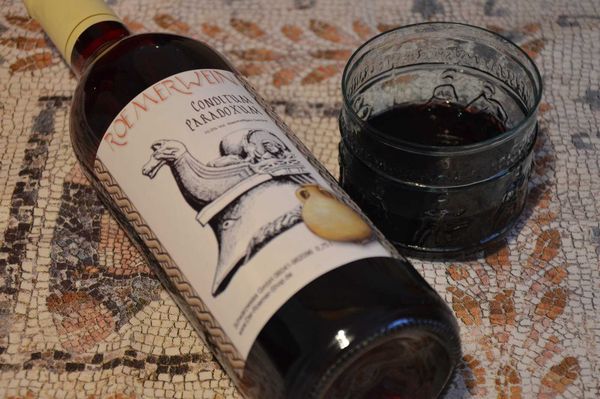
More than a gourmand, Apicius became a name that absorbed generations of Roman cooks. De Re Coquinaria is not a single author’s work, but the most complete survival of ancient kitchen practice, preserved under a reputation built on excess.
Roman Empire Historical Facts
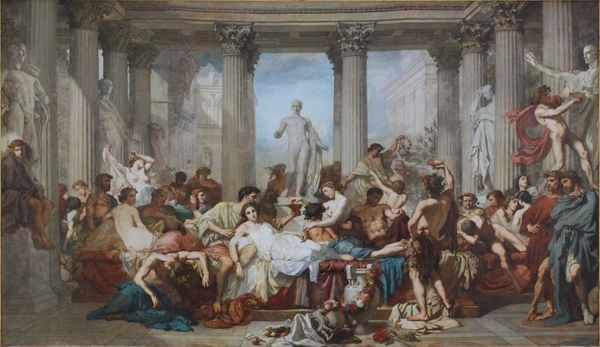
Life in ancient Rome depended on knowing how the city worked in practice. Class, family, clothing, housing, food, and patronage shaped survival in a society where hierarchy governed every aspect of daily life.
Roman Empire Historical Facts
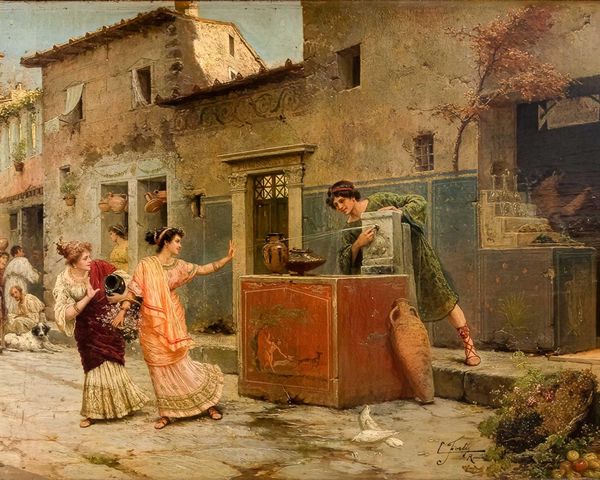
Across the Roman world, daily interaction followed rules that were rarely written down. Power, identity, and belonging were negotiated through habits people learned by listening.
Roman Empire Anecdotes
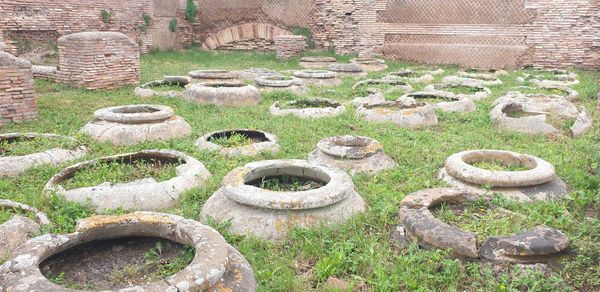
Among the overlooked features of Roman daily life were elements that carried a weight out of proportion to their silence, linking distant landscapes through routines repeated year after year.

Roman Empire Historical Facts
When death arrived by sea, Constantinople fell silent. Streets filled with the dead, incense rose over empty markets, and even the emperor took to his bed. The first pandemic of recorded history began with prayer—and an empire waiting for an answer.
Roman Empire Anecdotes
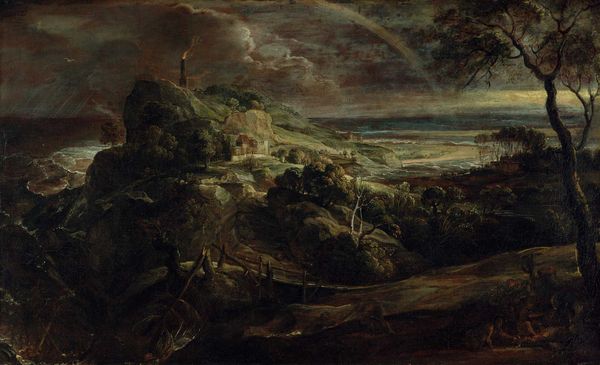
Winter seas closed, rivers burst their banks, and rare “medicanes” raked the coast—yet Rome kept grain and shipping moving. The Empire had enforced weather rules, from mare clausum schedules and storm-proof ports to timed monsoon runs.
Roman Empire Historical Facts
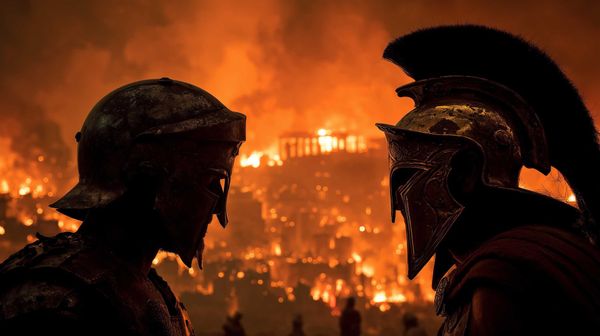
From Illyria to Corinth, Rome conquered Greece not in a day but through decades of alliances, wars, and diplomacy. Yet while the legions won the land, Greek culture won Rome — transforming its conqueror into its greatest disciple.
Roman Empire Anecdotes
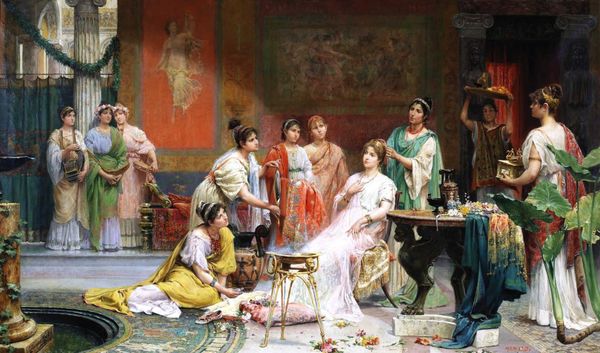
From temple rites to family altars and funerals, incense in the Roman Empire was a ritual tool with global supply chains, moral debates, and political weight.
Roman Empire Historical Facts
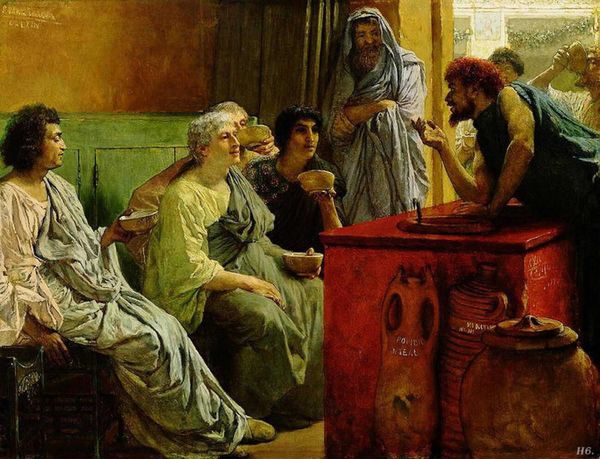
Behind Pompeii’s grand villas thrived a bustling world of taverns, inns, and bars. From graffiti complaints about watered wine to marble-clad counters that lured passersby, these establishments reveal the everyday rhythms of food, drink, and company in the Roman world.