Roman Empire Anecdotes
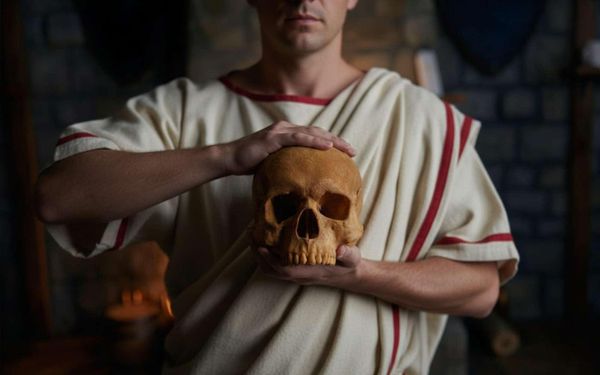
The Strange Necromancy Case of Libo Drusus in Ancient Rome
In AD 16, Libo Drusus was accused before the Senate in a case involving necromancy, astrology, informers, marked names, and fears around Tiberius’ rule.

Roman Empire Anecdotes
In AD 16, Libo Drusus was accused before the Senate in a case involving necromancy, astrology, informers, marked names, and fears around Tiberius’ rule.
Roman Empire Anecdotes
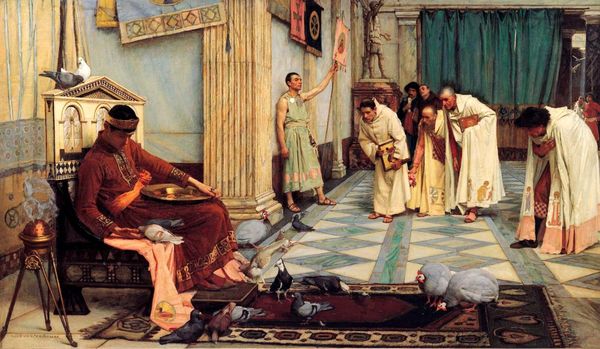
Near the emperor, influence could bring honours, wealth, office, and command – but it also exposed courtiers, freedmen, jurists, relatives, and guards to suspicion, rivalry, and sudden violence.
Roman Empire Historical Facts
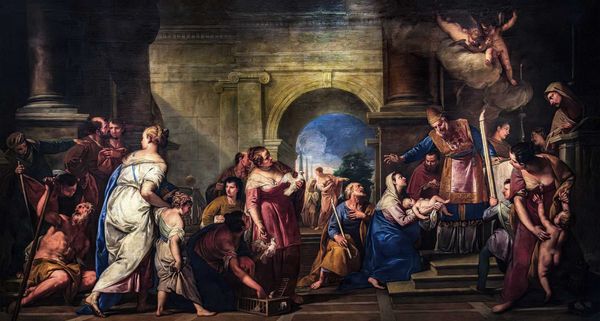
Did Roman writers ever mention Jesus? The surviving evidence is brief and later than many readers expect, but it is not silent. Tacitus, Suetonius, Pliny, and Josephus together show why historians do not treat Jesus as a fictional invention.
Roman Empire Historical Facts
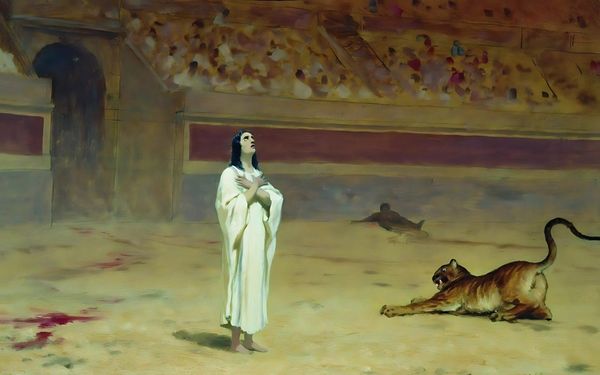
What is the truth behind the phrase: “Christians to the lions?”
Roman Empire Historical Facts
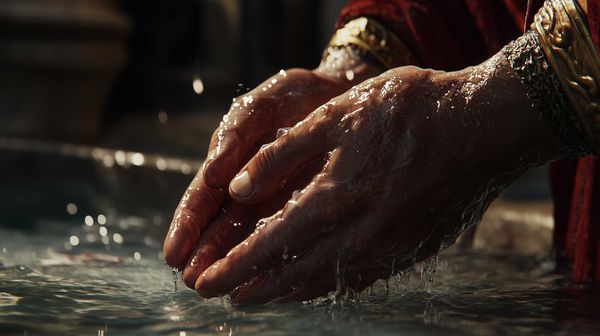
This iconic phrase echoes through centuries of art, faith, and cinema — but does history support it? A gesture remembered — but perhaps never made.
Roman Empire Historical Facts
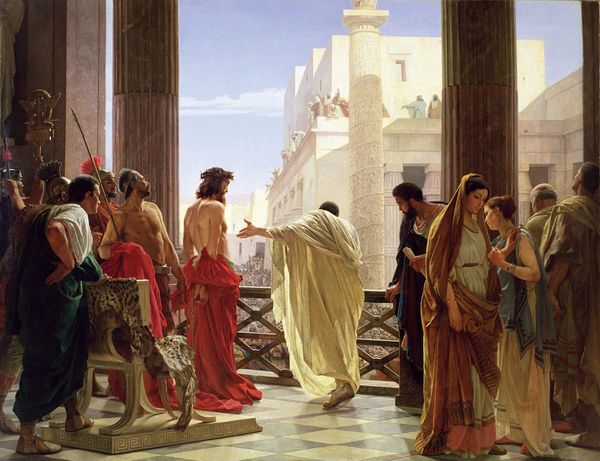
What was the real reason behind the execution of Jesus by the Romans?
Roman Empire Historical Facts
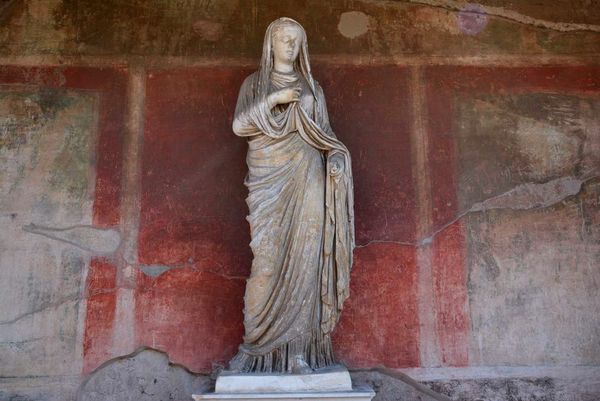
In Pompeii, Eumachia did something few women in the Roman world could do so visibly: she turned wealth, priesthood, and family ambition into stone. Her building on the Forum and the honors paid to her by the fullers reveal a woman who stood at the center of civic life, not at its edges.
Roman Empire Historical Facts
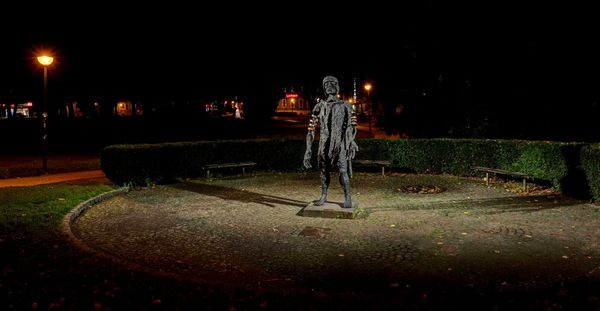
Publius Quinctilius Varus is remembered for the disaster of AD 9, when three Roman legions were destroyed in the Teutoburg Forest. Yet long before that defeat, he had risen to the centre of Augustan power, holding major commands and shaping the administration of the early Empire.

Roman Empire Historical Facts
In 9 CE, Roman authority in northern Europe collapsed in a landscape it believed already secured. The destruction of three legions in Germania did more than shock contemporaries – it reshaped Rome’s frontiers, ambitions, and memory of empire itself.
Roman Empire Historical Facts
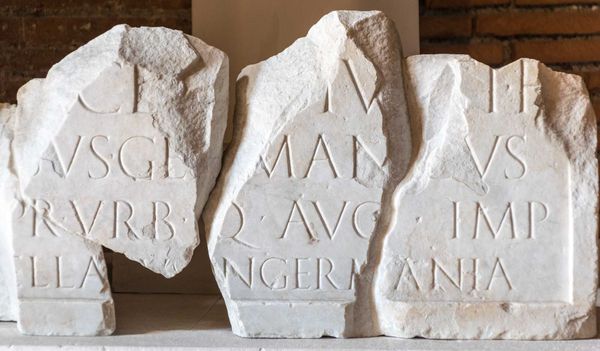
Rome’s deepest advance into Germania was led not by a veteran general, but by a man in his twenties. Nero Claudius Drusus carried Roman power farther north than any commander before him, before his sudden death froze an unfinished conquest into legend.

Roman Empire Historical Facts
More than a gourmand, Apicius became a name that absorbed generations of Roman cooks. De Re Coquinaria is not a single author’s work, but the most complete survival of ancient kitchen practice, preserved under a reputation built on excess.
Roman Empire Historical Facts
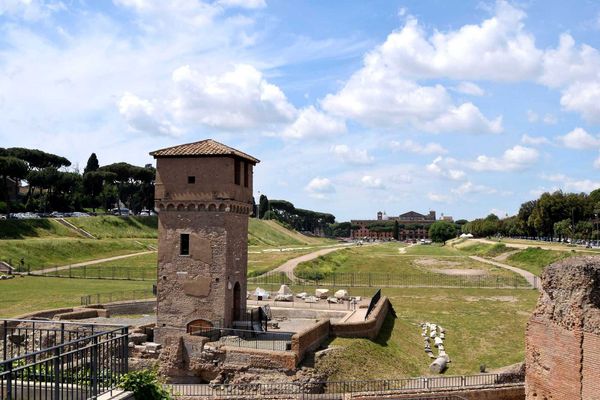
What survives now is only the emptiness of a vast space, yet it carries the weight of a city’s anticipation and the memory of its most restless hours.

Roman Empire Anecdotes
Artists treated a specific theme as lesson, controversy, and dare, painting it in registers that range from luminous piety to disquieting eroticism.
Roman Empire Historical Facts
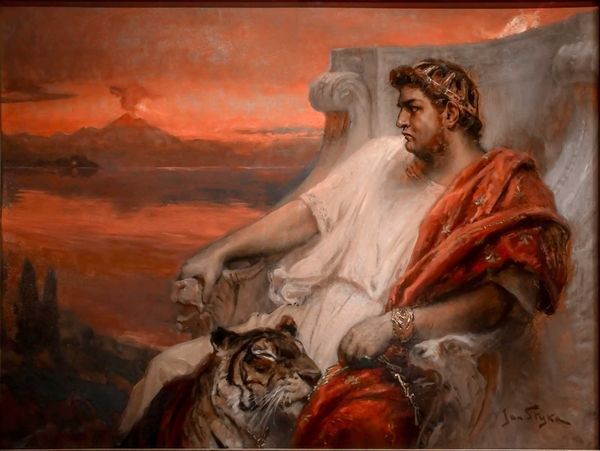
Nero’s legend was forged as much by writers as by deeds. Between art and atrocity, he cast himself as performer-emperor, rebuilt Rome in spectacle and stone, and left a trail of verses, scandals, and lampoons—until the line between ruler and stage all but vanished.
Roman Empire Anecdotes
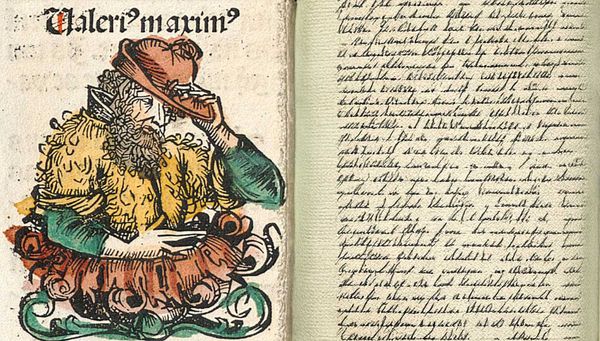
In Tiberius’ cautious age, Valerius Maximus turned Rome’s past into a manual of virtue. His exempla taught how to speak of courage, justice, and restraint—while his silences reveal the moral tensions of imperial power.
Roman Empire Historical Facts
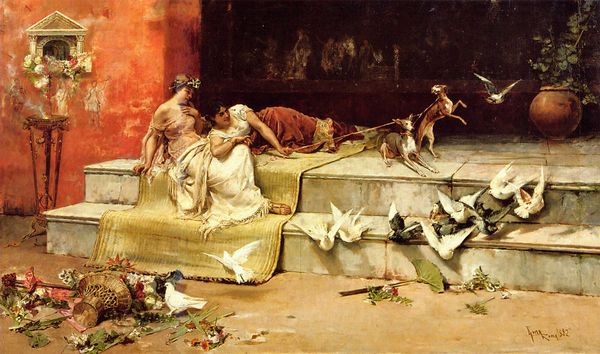
From loyal dogs to exotic monkeys, Romans shared their homes with creatures of every kind. Art, inscriptions, and archaeology reveal a world where animals were companions, protectors, and symbols of affection.