
Heaven, Earth, and the Roman Cosmos
The Romans did not leave one fixed doctrine of the universe. Ovid, Lucretius, Cicero, and Manilius offered competing answers about creation, human origins, cosmic order, and fate—showing that Roman cosmology was a field of argument, not a single creed.

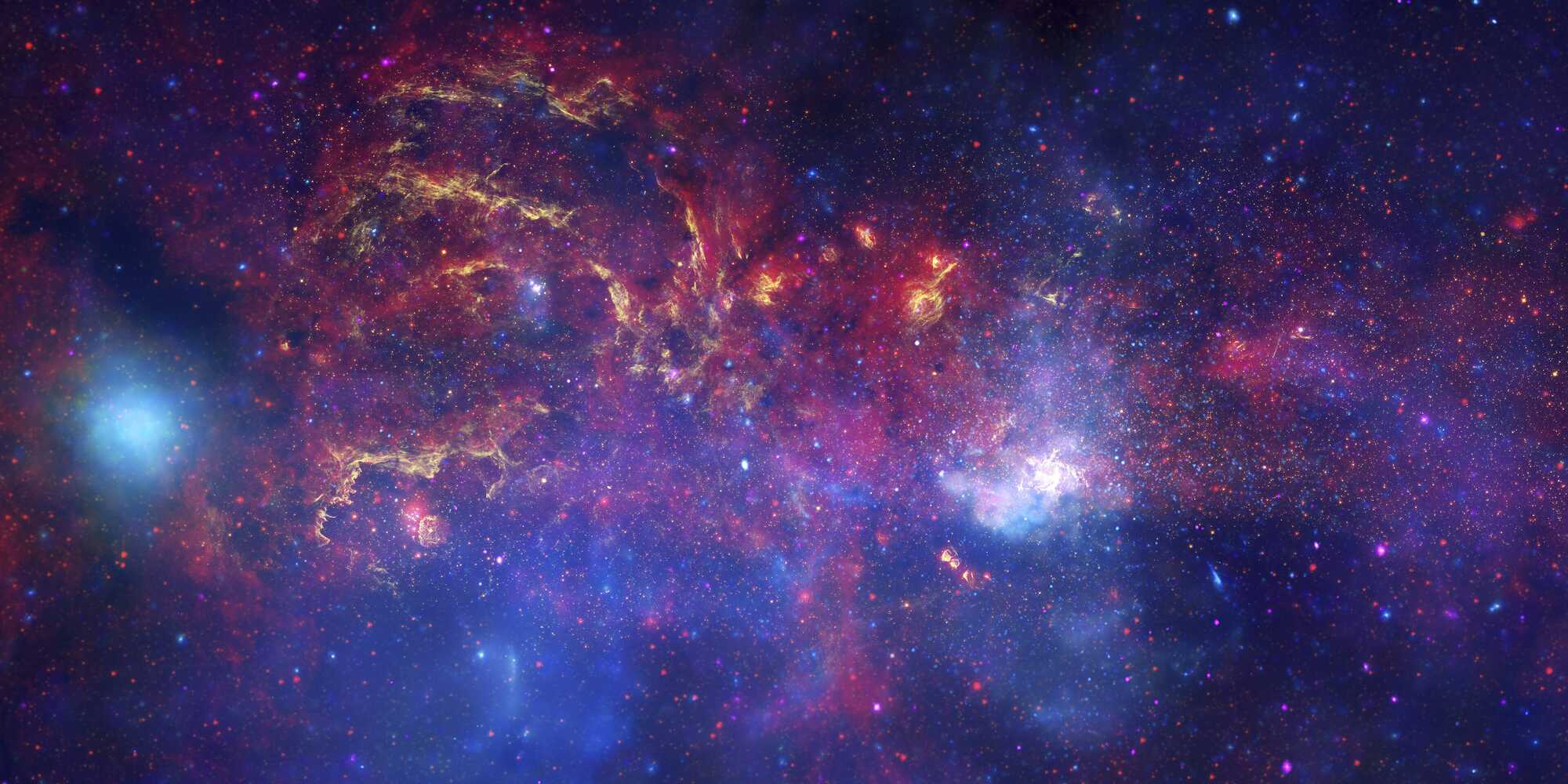
The Romans did not leave behind a single sacred book explaining how the universe began, why human beings exist, or whether the stars rule our lives. Instead, they left a set of powerful and very different answers. In Ovid, the world is drawn out of chaos and humanity is made to lift its eyes to the sky. In Lucretius, the universe is not built for us at all, but develops through nature without divine design.
In Cicero, the cosmos is an ordered structure of spheres in which the soul, virtue, and public duty all find their place. In Manilius, the heavens become a readable system, and fate itself is written in the stars. These works show that Roman cosmology was not one doctrine but a field of argument in which myth, philosophy, religion, and astrology all competed to explain heaven, earth, and the human condition.
More Than One Roman Universe
There was no single Roman creed about the cosmos. That is the first thing worth making clear. Roman religion, as practiced in the city and across the empire, was embedded in public ritual, sacrifice, civic life, and the management of divine favor. But when Romans tried to explain the structure of the universe, the origin of humanity, or the meaning of celestial order, they did not all speak with one voice.
Their answers came through poetry, philosophical dialogue, didactic verse, and inherited myth. A Roman reader could move from a poetic account of creation, to an atomist denial of providential design, to a vision of immortal souls rising through celestial spheres, and then to a universe governed by astral law. These positions did not merge into one neat system, but neither were they sealed off from one another. They coexisted in Roman intellectual life.
That plurality matters because it keeps us from forcing Roman cosmology into a false simplicity. The Romans did not ask their cosmos only one question. They asked how the world was formed, how living things emerged, what place belonged to the gods, whether heaven was rationally ordered, whether souls were immortal, and whether celestial patterns shaped earthly destinies.
Different writers answered those questions in different ways. What unites them is not a shared doctrine, but a shared seriousness about the relation between the universe and human life. For Roman writers, the heavens were never just decoration. They were a source of explanation, orientation, humility, fear, and sometimes hope.
Ovid – A World Drawn Out of Chaos
Ovid begins Metamorphoses at the point before order. Before land, sea, and sky were assigned their proper places, the universe was a “rude and undeveloped mass,” a confused heap in which the seeds of things lay mixed together without structure. The first act of creation in Ovid is therefore not the making of matter itself, but the ordering of matter already present.
A god, or perhaps a better principle of nature, divides and arranges the elements, separates heaven from earth, sea from land, light from darkness, and imposes shape on what had been formless. The Roman imagination here does not begin with nothingness. It begins with chaos, then moves toward structure, balance, and distinction.
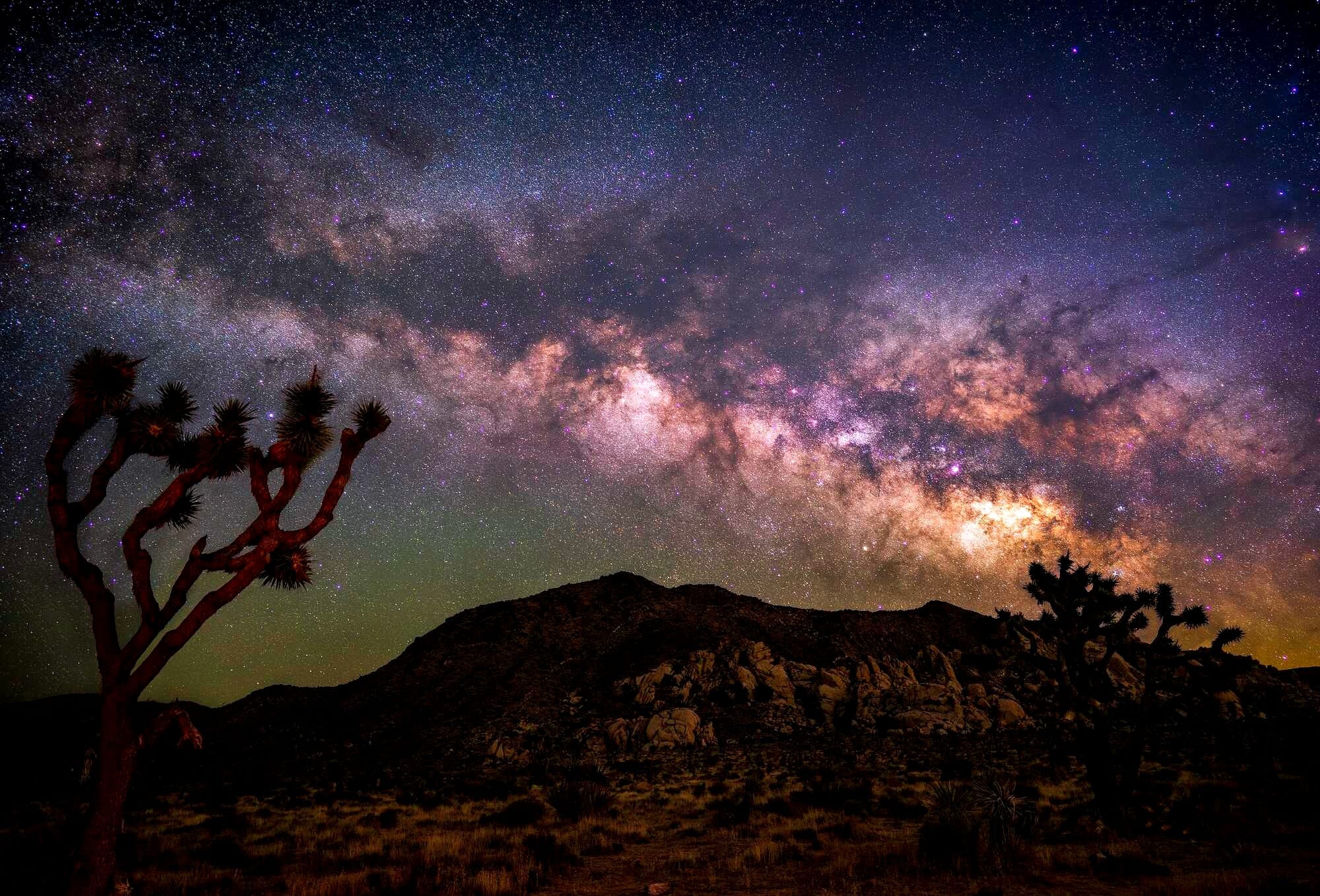
That movement is central. Ovid’s cosmos is not accidental. It is shaped. Regions are marked out, the winds are assigned their quarters, the stars are placed in heaven, and the earth is made inhabitable. The world becomes intelligible because it becomes ordered. Even the language of the passage suggests arrangement more than fabrication: separation, allotment, distinction, and placement.
This is a universe in which creation means giving each thing its proper realm. It is a highly visual cosmology, one in which the universe becomes legible through lines, limits, and hierarchy.
Humanity enters that ordered world in a striking way. Ovid offers more than one explanation of human origin. Either the maker of all things formed humankind from divine seed, or Prometheus shaped it from newly made earth still carrying traces of heavenly substance. The ambiguity matters. Ovid does not force a single doctrinal answer. He keeps open more than one possibility, but both make the same larger point: human beings are distinguished from the rest of life.
They are made upright. Other creatures bend their gaze downward, but man is given “a lofty countenance” and told to look upward at the heavens. In Ovid’s universe, that posture is itself a cosmological statement. Human beings belong to the earth, yet they are marked by orientation toward the sky.
Ovid’s creation story also prepares for the instability that runs through the whole poem. The world has been ordered, but it is not frozen. It remains vulnerable to anger, punishment, transformation, and the crossing of boundaries. Gods become animals, humans become stones or birds or trees, and the line between mortal and divine is repeatedly tested. Ovid’s cosmos is therefore ordered but not serene. It is a world in which form can still be altered and life can still be remade. Creation does not end change. It makes change possible within a now-structured universe.
Lucretius – A Universe Not Made for Us
If Ovid offers a poetic world drawn from chaos into order, Lucretius gives a far more disruptive answer. In De Rerum Natura, the universe is not built by gods for the sake of mankind. That point is made with extraordinary force. Lucretius argues that heaven and earth were not designed for human benefit and that it is wrong to imagine the gods as craftsmen arranging the universe with us in mind. The cosmos belongs to nature, not providential planning. It has causes, but not a creator in the sense imagined by mythic theology.
This changes everything about human origins. Lucretius does not tell a story of divine shaping or cosmic intention. He says openly that no living creatures “dropped from heaven.” Instead, the earth itself once produced life. In its youth, the ground generated plants, animals, and finally human beings.
Life emerges from material conditions. Humanity is part of nature, not the object of a special act of divine craftsmanship. Roman cosmology here becomes natural history. The question is not which god made mankind, but what material processes allowed living things to arise.
The implications are enormous. Human beings do not stand at the center of a benevolently designed world. They emerge within a larger material system and must learn to live inside it. Lucretius’ account of early humanity is stark. People did not begin in comfort, wisdom, or social refinement. They lived roughly, exposed to danger, slowly developing language, society, and techniques for survival.

Civilization is not handed down from heaven. It is built over time out of fear, need, habit, and experiment. The Roman reader is offered a history of humanity in which development is cumulative and earthly, not sacred and complete from the beginning.
Lucretius is just as bold about religion. He links the growth of religious fear to ignorance of natural causes. Human beings, confronted by celestial movements, storms, strange phenomena, and the sheer scale of the world, imagine divine intention where none exists. That does not mean Lucretius denies the gods altogether. His Epicurean universe still leaves room for divine beings, but they do not govern the world, intervene in history, or create the cosmos for human use.
Religion, in the sense of fear-driven misreading of nature, becomes something to be overcome by knowledge. In that sense, Lucretius offers the most anti-providential Roman cosmology we possess.
And yet his universe is not empty. It is intelligible. The point of his argument is not despair, but liberation. If the world was not built as a theater of divine punishment, then human beings can stop misreading nature as a field of supernatural threats. A universe of atoms and void still has order, but it is not moralized from above. Lucretius’ Roman cosmos strips away sacred purpose and replaces it with explanation. That makes it one of the most radical voices in Latin literature.
Cicero – Height, Harmony, and the Smallness of Earthly Fame
Cicero’s Dream of Scipio moves in a very different direction. Here the universe is presented as an immense, intelligible, and morally charged order. The earth sits fixed at the center, while the heavens surround it in “nine circles or rather spheres.”
The stars move in orderly courses, the planetary bodies occupy their appointed places, and the moon marks a decisive boundary: below it lies the mortal world, above it the eternal realm. The cosmos is not merely vast. It is layered, hierarchical, and meaningful.
Cicero’s translation of cosmology into moral vision is what makes the passage so characteristically Roman. Scipio is not shown the heavens simply to satisfy curiosity. He is shown them so that human glory may be judged correctly. From above, the earth is tiny.
Rome itself, for all its power, contracts into little more than a point. Fame, conquest, and public distinction suddenly appear fragile and provincial against the scale of the universe. What seems immense from below becomes small from the stars. Cicero uses cosmology to discipline ambition. The heavens teach humility.
Yet this is not a rejection of public life. Cicero does not urge withdrawal from civic duty into contemplation alone. Quite the opposite: he ties the ordered cosmos to justice, service, and immortality. Human beings are set upon the earth for a purpose, and the soul belongs to a higher order than the body. Those who preserve and strengthen their fatherland are promised a place among the blessed.
The upward gaze therefore does not dissolve Roman public values. It confirms them. The man who understands the cosmos is called not away from the city, but back into it with a corrected sense of scale and duty.
The result is a deeply Roman adaptation of Greek cosmology. Plato and later speculation stand clearly behind the structure of the vision, but Cicero has recast them for a culture in which office, ancestry, public service, and the moral meaning of political life remain central. The stars do not merely reveal the architecture of the world. They reveal how to live beneath that architecture. Heaven becomes a moral frame for Roman civic life.
Manilius – Fate Written in the Sky
Manilius carries Roman cosmology into a more overtly astrological realm. In the opening movement of the Astronomica, the stars are not passive lights scattered across heaven. They are “fate’s confidants,” and the sky itself becomes a system whose patterns disclose the fortunes of human beings. The cosmos is rational, divine, and readable. It does not simply exist above us. It communicates structure into earthly life.
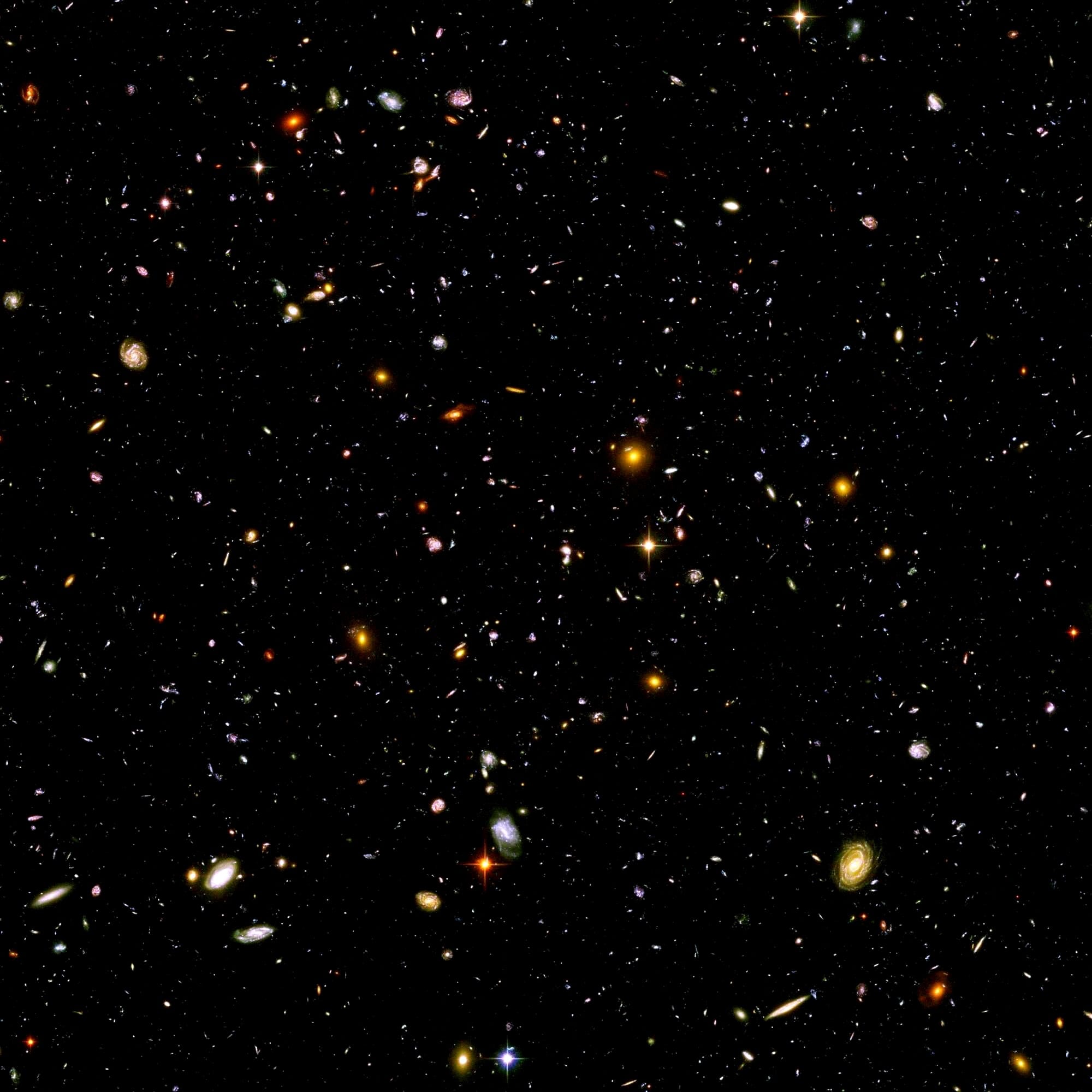
This is one of the clearest Roman attempts to turn cosmic order into a science of destiny. Manilius presents the heavens as governed by reason and the world as bound together by an inner law that can be studied. The stars exercise “sovereign power,” and the movement of heaven belongs to “the eternal spirit of reason.”
What matters here is not only belief in divine order, but confidence that such order can be decoded. Astrology is not treated as fantasy or superstition. It is presented as disciplined knowledge of how cosmic structure and human life correspond.
That makes Manilius especially important for understanding Roman ideas of fate. In his universe, fate is not simply a string of accidents or a blind decree external to the world. It is woven into the heavenly system itself. Birth, time, temperament, fortune, and destiny all stand in relation to astral order.
This is not the same as Ovid’s poetic creation or Lucretius’ natural emergence or Cicero’s morally ascending cosmos. It is a universe in which the sky can be read because the sky already encodes the pattern of life below.
Manilius is also useful because he knows he writes in a world where multiple cosmological theories already circulate. He can mention competing explanations—chaos, elemental theories, atomist language, fiery principles—while still advancing a strongly ordered and providential sky. Roman cosmology here does not erase debate. It stands in the middle of debate and chooses astral reason as its answer.
How the Romans Placed Human Beings in the Universe
These four voices differ sharply, but together they reveal the range of Roman reflection on the cosmos. Ovid places humanity in a newly ordered world and marks it out by its upward gaze. Lucretius places humanity inside nature, not above it, and denies that the world was built for us at all. Cicero gives human beings a place within a layered and morally charged universe, where the soul belongs to the heavens and duty on earth reflects celestial order. Manilius places humanity under a sky that does not merely shine but signifies, a sky in which fate is embedded.
This is why Roman cosmology cannot be reduced to one answer about origins or one image of the heavens. The Romans inherited and developed multiple ways of imagining the world. Some were poetic, some philosophical, some astrological, and all carried consequences for how human beings were understood. Were we shaped from divine seed, born from earth, bound to immortal soul, or governed by the stars? Roman literature does not force a single verdict. It leaves the argument open—and that openness is part of what makes it so rich.
What the Romans saw when they looked at the universe was never just a physical world. They saw order, disorder, origin, mortality, duty, and fate. Sometimes the cosmos explained why humans should raise their eyes above the earth. Sometimes it explained why they should stop imagining that the world was made for them. Sometimes it made the soul feel at home among the stars. Sometimes it made the stars themselves into governors of human life. Roman cosmology was never one clean system, but that is exactly what gives it its force. It preserved, in Latin form, several of antiquity’s greatest attempts to answer the same enduring questions: where did the world come from, what are we doing inside it, and what—if anything—lies above us.

About the Roman Empire Times
See all the latest news for the Roman Empire, ancient Roman historical facts, anecdotes from Roman Times and stories from the Empire at romanempiretimes.com. Contact our newsroom to report an update or send your story, photos and videos. Follow RET on Google News, Flipboard and subscribe here to our daily email.
Follow the Roman Empire Times on social media: