Roman Empire Historical Facts
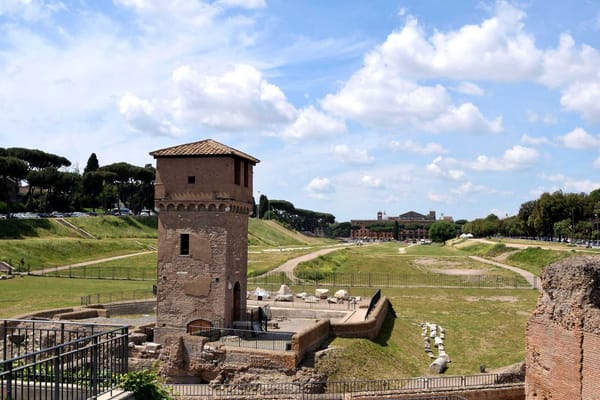
The Ancient Blueprint Behind Every Modern Stadium
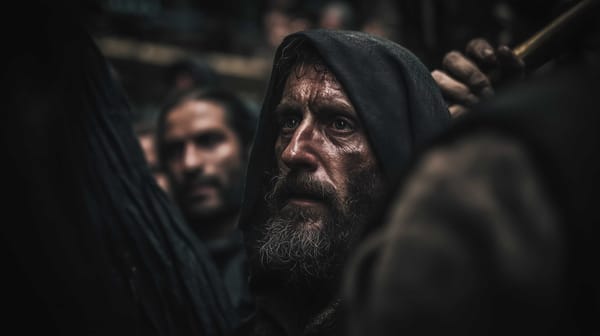
What survives now is only the emptiness of a vast space, yet it carries the weight of a city’s anticipation and the memory of its most restless hours.
Anecdotes, historical facts, fictional stories and news curated from a small team of human writers, fascinated with Ancient Rome and its myriad myths and legends.
Roman Empire Historical Facts
What survives now is only the emptiness of a vast space, yet it carries the weight of a city’s anticipation and the memory of its most restless hours.
Roman Empire Historical Facts
What if one man, standing at the twilight of Rome, believed that the fate of peace depended on the art of war? His words, written more than 1,500 years ago, became the backbone of medieval strategy and echoed in the training grounds of emperors and knights alike.
Roman Empire Historical Facts
By using from simple to ingenious techniques, Romans managed to keep warm during the winter months.
Roman Empire Anecdotes
From Spain’s quiet frontier to Domitian’s court, Quintilian shaped Rome’s moral voice. His Institutio Oratoria united eloquence and virtue, teaching that only the good man can truly speak well.
Roman Empire Historical Facts
Aelian, the Roman who wrote in Greek, turned away from the noise of empire to preserve its memory in prose. His Varia Historia and On the Nature of Animals gather fragments of wisdom and wonder, binding moral reflection to the art of remembrance.
Roman Empire Historical Facts
When death arrived by sea, Constantinople fell silent. Streets filled with the dead, incense rose over empty markets, and even the emperor took to his bed. The first pandemic of recorded history began with prayer—and an empire waiting for an answer.
Roman Empire Historical Facts
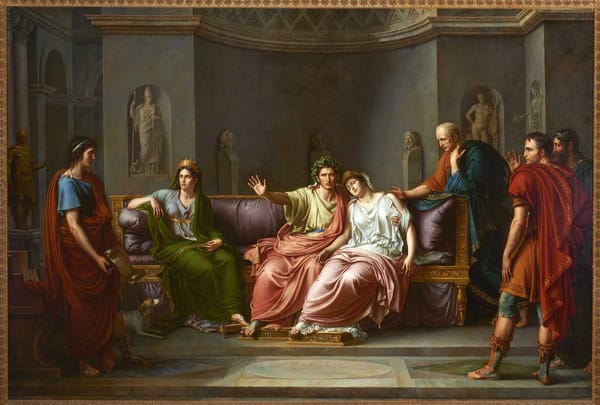
Virgil transformed Rome’s past into prophecy and poetry into conscience. From the shepherds of Mantua to the heroes of empire, his voice became the soul of Rome’s Golden Age—and the eternal guide of Western imagination.
Roman Empire Historical Facts
In ancient Rome, religion was a public duty, not a private creed. Through ritual, sacrifice, and the worship of countless gods, Romans sought divine favor to sustain both state and soul, blending piety, power, and tradition into the fabric of empire.
Roman Empire News
Zuckerberg’s family dressed up as Romans for Halloween—simple costumes, big reactions. The look fits a long pattern: he keeps it low-key while steering attention. Rome had a word for that balance. So do markets.
Roman Empire Historical Facts
Long before Halloween, Romans held Lemuria—a midnight festival to appease ghosts with beans and bronze, guarding their homes from restless spirits.
Roman Empire Anecdotes
In 44 BCE a bright star rose over Caesar’s funeral games. Romans called it the Julian Star. Poets, coins, and politics made it immortal. What really appeared—and how did it become proof of a god?
Roman Empire Historical Facts
In a world ruled by signs and shadows, the Romans saw meaning in every tremor and whisper. Fear was not weakness but wisdom—their way of reading a universe alive with gods, ghosts, and omens.
Roman Empire Anecdotes
Winter seas closed, rivers burst their banks, and rare “medicanes” raked the coast—yet Rome kept grain and shipping moving. The Empire had enforced weather rules, from mare clausum schedules and storm-proof ports to timed monsoon runs.
Roman Empire News
A decade-old excavation in Osijek, Croatia, revealed seven intact skeletons in a Roman well. A paper just published in PLOS ONE re-examines the find and argues they were likely soldiers from a third-century clash near Mursa.
Roman Empire Historical Facts
Which empire really “ruled the map”? The answer depends on what we count and when we take the snapshot. Let's set the rules first—then follow three peaks (Rome under Trajan, Alexander’s lightning-built realm, and the Mongol high plateau) to see what the numbers can prove—and what they can’t.
Roman Empire Historical Facts
Romans spoke of voluntaria mors—“a voluntary death”—long before Europe coined the word “suicide.” From Cato at Utica to Seneca in a warm bath, and from battlefield honor to comic threat, the Roman world weighed self-killing through philosophy, law, and performance.