
Roman Empire Historical Facts
The Colosseum: Rome's Arena of "Panis et Spectacula"
Towering over the heart of Rome, the Colosseum stands as a monumental proof to the ambition, engineering mastery, and brutal spectacles of the Roman Empire.

Roman Empire Historical Facts
Towering over the heart of Rome, the Colosseum stands as a monumental proof to the ambition, engineering mastery, and brutal spectacles of the Roman Empire.
Roman Empire Anecdotes
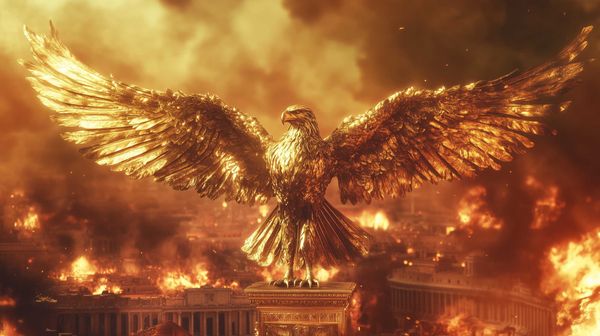
The Roman Empire, once the epitome of strength and stability, began a slow and intricate decline long before its ultimate collapse. This process was influenced by an interplay of internal weaknesses and external pressures, spanning centuries.

Roman Empire Historical Facts
The Year of the Four Emperors (69 CE) is one of the most chaotic periods in Roman history, occurring after Emperor Nero's death and marking a transitional phase from the Julio-Claudian dynasty to the Flavian dynasty.
Roman Empire Historical Facts
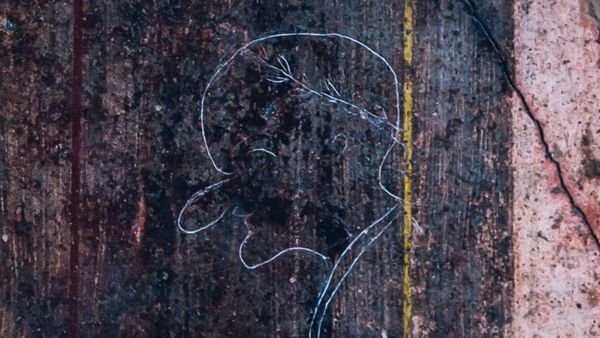
For tens of thousands of years, people have been leaving their marks on the walls. How was street art during the Empire perceived?

Roman Empire Historical Facts
Imagine 50,000 Romans seated in the blazing summer sun, cheering gladiators while the midday heat bears down on the mighty Colosseum. Yet, their faces are shaded, cooled by a system so advanced that even modern engineers marvel at its ingenuity. How did the Romans achieve this?

Roman Empire Historical Facts
In the ruins of an ancient city, amidst temples and columns long abandoned, lied the shattered remains of something truly extraordinary.

Roman Empire Historical Facts
Seneca the Younger, a towering figure of the Roman intellectual world, lived a life filled with paradoxes.

Roman Empire Historical Facts
The final ruler during the tumultuous Year of the Four Emperors, Vespasian established the Flavian dynasty, which governed the Roman Empire for 27 years.

Roman Empire Anecdotes
Martial was a Roman poet, the man behind the epigrams, who is remembered for his razor-sharp commentary

Roman Empire Anecdotes
Bread was an essential part of the Roman diet, especially for the lower classes. It wasn’t just a staple but also reflected social status and culture, varying in type and quality depending on the person’s wealth and occupation.

Roman Empire Historical Facts
The Roman Empire left a notable architectural and cultural footprint in the East, where Roman monuments, cities, and even temples still stand as remnants of its reach.

Roman Empire Historical Facts
How were the Republic and the Empire treating freedom of speech? How did the emperors censor perceived threats?

Roman Empire Historical Facts
Herodes Atticus is a fascinating figure, especially in the context of his relationship with the Roman Empire. A Greek aristocrat from Marathon, Herodes was born into immense wealth and became one of the most prominent benefactors in the Roman Empire during the second century AD.
Roman Empire Historical Facts
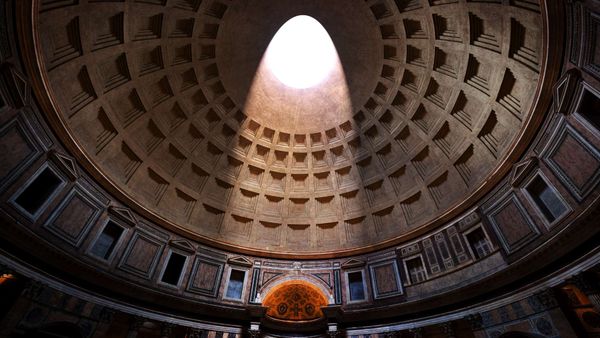
Roman concrete, often admired for its longevity and resilience, was revolutionary due to its unique blend of materials and its remarkable ability to withstand environmental stress over centuries.
Roman Empire Historical Facts
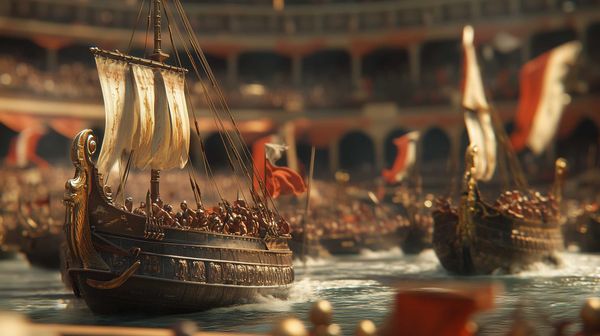
Were naumachiae actually held in the Colosseum? How did the Romans flood the arena to stage a naval battle?

Roman Empire Anecdotes
A luxurious villa in Capri is said to be the place where an emperor spent the last ten years of his reign, involved in sexual activities that would satisfy his disturbed imagination