
Majorian: A Different Kind of Emperor, With a Plan
In a Western Empire running out of time, Majorian tried to rule like a governor, not a placeholder. His surviving laws and campaigns reveal a rare programme of repair – and the power struggles that cut it short.

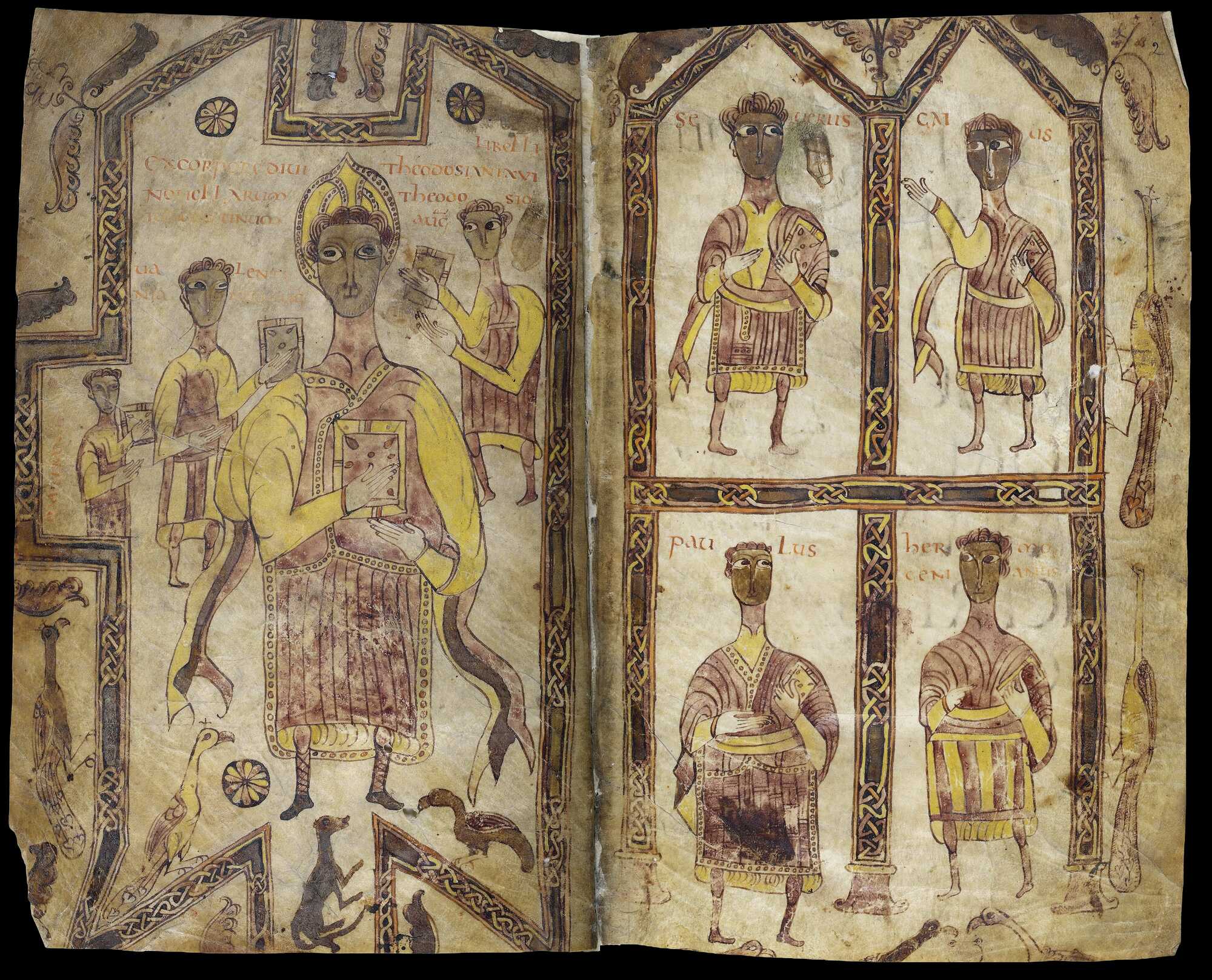
In the middle of the fifth century, the Western Empire was already being reduced to pockets of authority, negotiated loyalties, and emergency improvisation. Yet Majorian’s reign stands out because it left more than battlefield anecdotes and hostile rumours. In a period when emperors were often chosen to be managed, Majorian tried to govern – and the surviving traces of his rule read like a blueprint drafted under pressure, for a state that was already coming apart
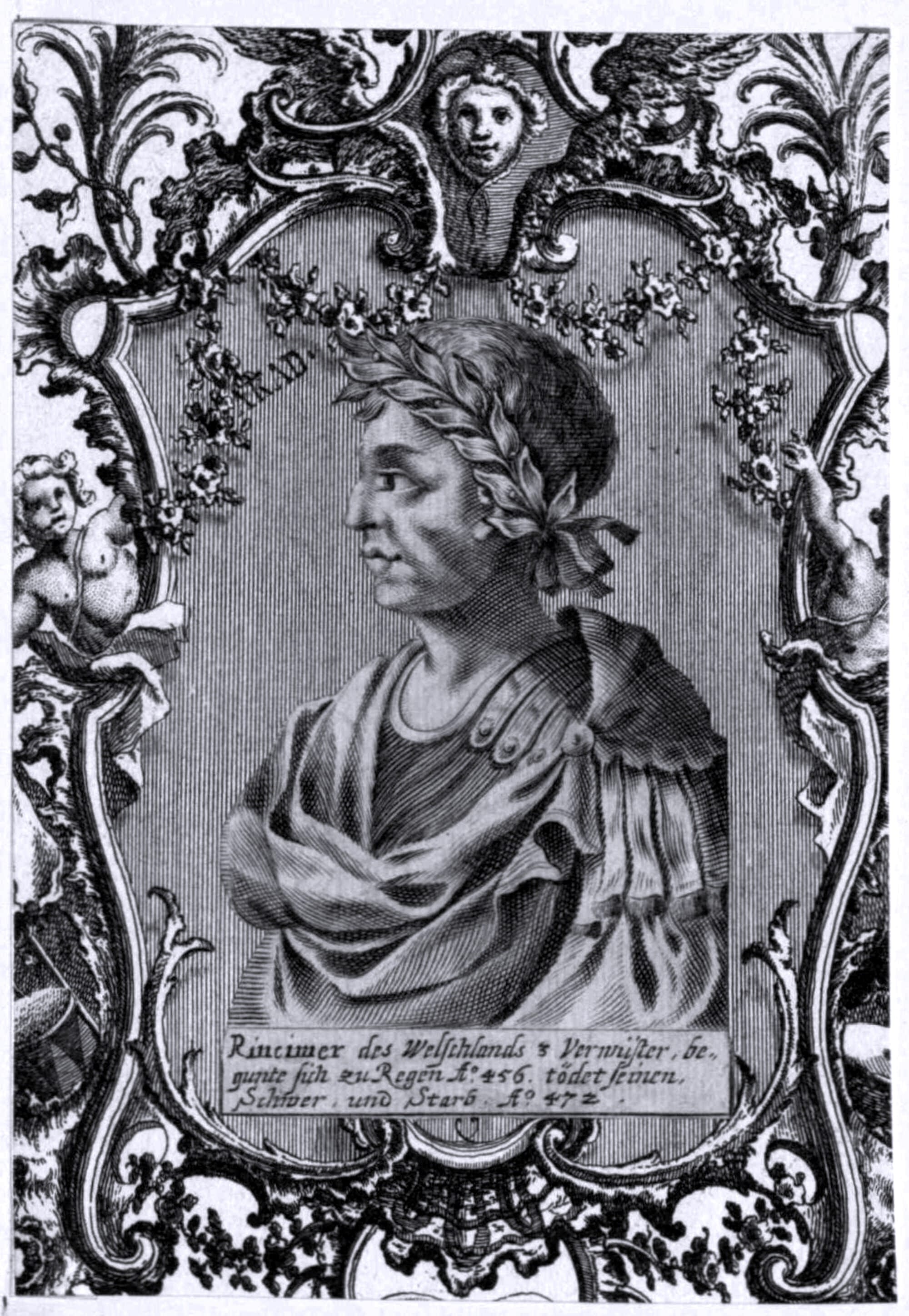
Majorian and Ricimer – From Avitus to a Shared Regime
Majorian’s rise belongs to the political collapse that followed Avitus’ failure in Italy. (Eparchius Avitus was a Roman emperor of the Western Empire from July 455 to October 456.)
After Avitus was defeated outside Placentia in 456, Ricimer (Flavius Ricimer was a Roman general of Visigothic origin who led part of the Roman army and effectively controlled part of the Western Roman Empire) and the foederati (peoples and cities bound by a treaty, known as foedus, with Rome) under his command provided the military force that made Avitus’ removal possible. Majorian then replaced Avitus as emperor in 457.
Both men are also placed within the earlier Aetian world: they had served under Aetius, whose position ended when Valentinian the Third ordered his assassination in 454. Majorian is also shown as a plausible candidate in the turbulence after Valentinian’s murder in 455, though he then disappears briefly from public life; Sidonius’ panegyric connects that withdrawal to hostility from Aetius’ Gothic wife, who is portrayed as resentful of Majorian’s growing reputation.
Avitus is portrayed as relying on Gallic aristocratic support and Visigothic connections, a dependence that widened the breach with the Italian Senate. His position weakened further because he could not curb Geiseric’s Vandal raiding. Ricimer’s defence of Italy – including a reported destruction of a Vandal force – elevated his standing, and Majorian’s aristocratic ancestry helped make him acceptable to the Italian Senate.
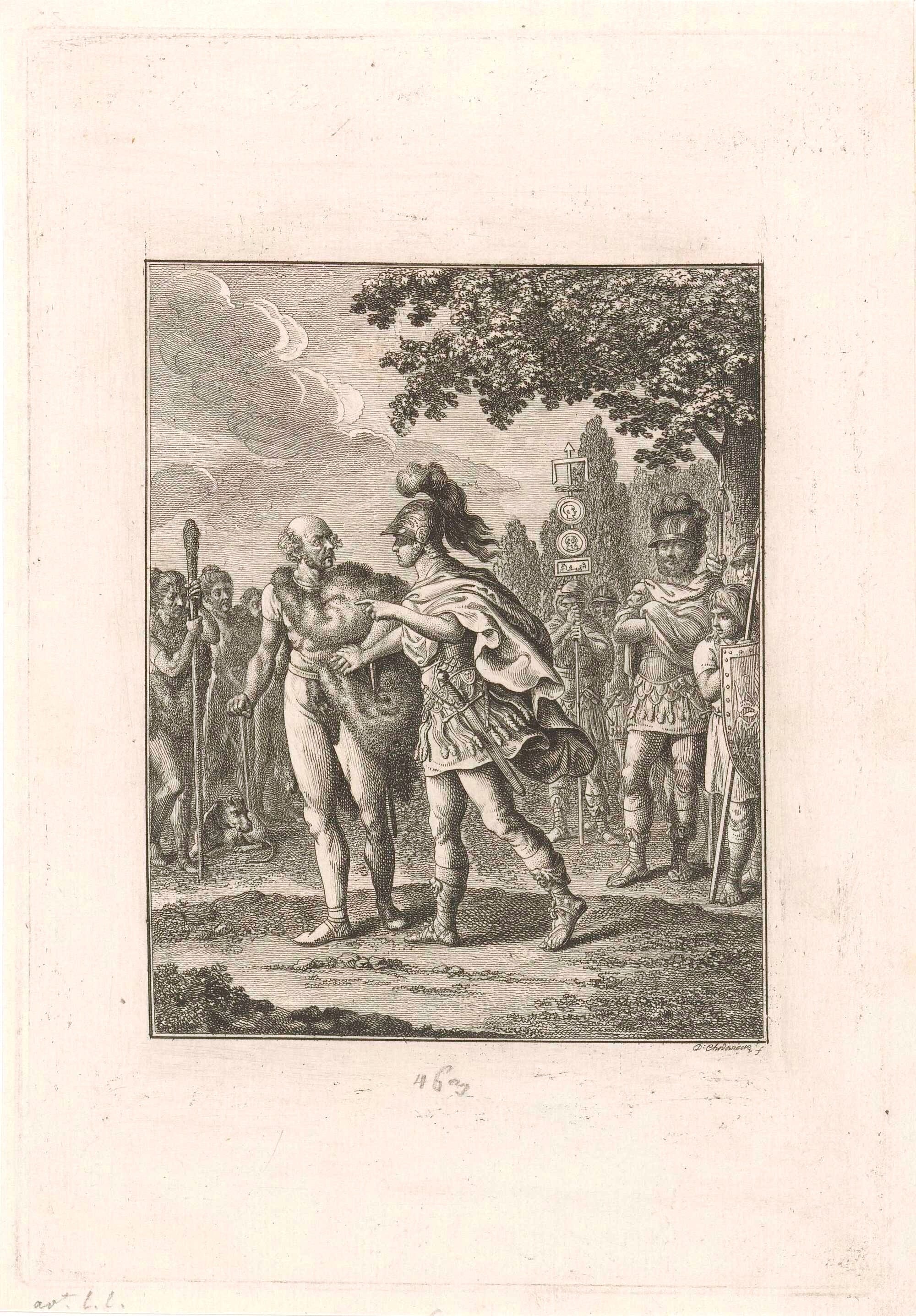
In Rome, famine and public anger forced Avitus to send away those he had brought from Gaul. He dismissed Goths who served as his guard and paid them from public works. Unrest followed, and once fear of the Goths eased, Majorian and Ricimer moved into open revolt. Under pressure from internal disorder and the Vandal threat, Avitus withdrew from Rome toward Gaul.
Majorian’s regime is then presented as a partnership in which roles were separated but authority was shared: Majorian as emperor, Ricimer as patrician and magister militum. This arrangement is anchored in Majorian’s legislation. In a novella delivered before the Senate in 458, Majorian states that military affairs would be watched over by both himself and “our parent and patrician Ricimer,” and that they would protect a Roman position they had freed – through joint vigilance – from foreign enemies and internal catastrophe.
The Vandal Expedition, the Lost Fleet, and Majorian’s End
The decisive strain is located in Majorian’s preparations for war against the Vandals. After campaigns against Burgundians and Visigoths, he planned a major expedition against Geiseric in 460. The motives presented for this operation range from an offensive strategy meant to reduce Vandal raiding and perhaps reopen the path to Africa, to retaliation for the sack of Rome in 455 intended to strengthen imperial prestige.
Yet the evidence is marked by a significant silence: despite Ricimer’s office as magister militum and his earlier success against a Vandal force in 456, he is not shown organising the expedition. That absence is treated as consistent with the view that the undertaking was considered excessively risky.
The result is described in stark terms. Majorian’s fleet – given as more than 300 ships – was seized in Spain after Geiseric struck first. Majorian then returned to Gaul and, at Arles, held a banquet tied to circus games. Sidonius is described as present while saying nothing about the defeat in his letter, leaving room for the possibility that the setback was not immediately understood as a total catastrophe.
This is set beside John of Antioch’s report of a “disgraceful” truce with the Vandals. A different narrative tradition is also noted: Procopius has Majorian die of dysentery before the expedition can even be launched, a sequence that removes Majorian from responsibility and preserves an idealised portrait.
In August 461, Majorian returned to Italy, was arrested, stripped of office, and executed on Ricimer’s orders. The familiar explanation – that Majorian was raised up as a controllable figure and removed once he proved unwilling to be controlled – is presented and then treated as too simple.
Majorian’s Aetian background made it unsurprising that he would act as a campaigning emperor, and the language of the 458 novella is used to underline the public claim that both men shared responsibility for defending the empire. ("The Original Godfather: Ricimer and the Fall of Rome" by Max Flomen)
A Life Recovered Through Praise and Politics
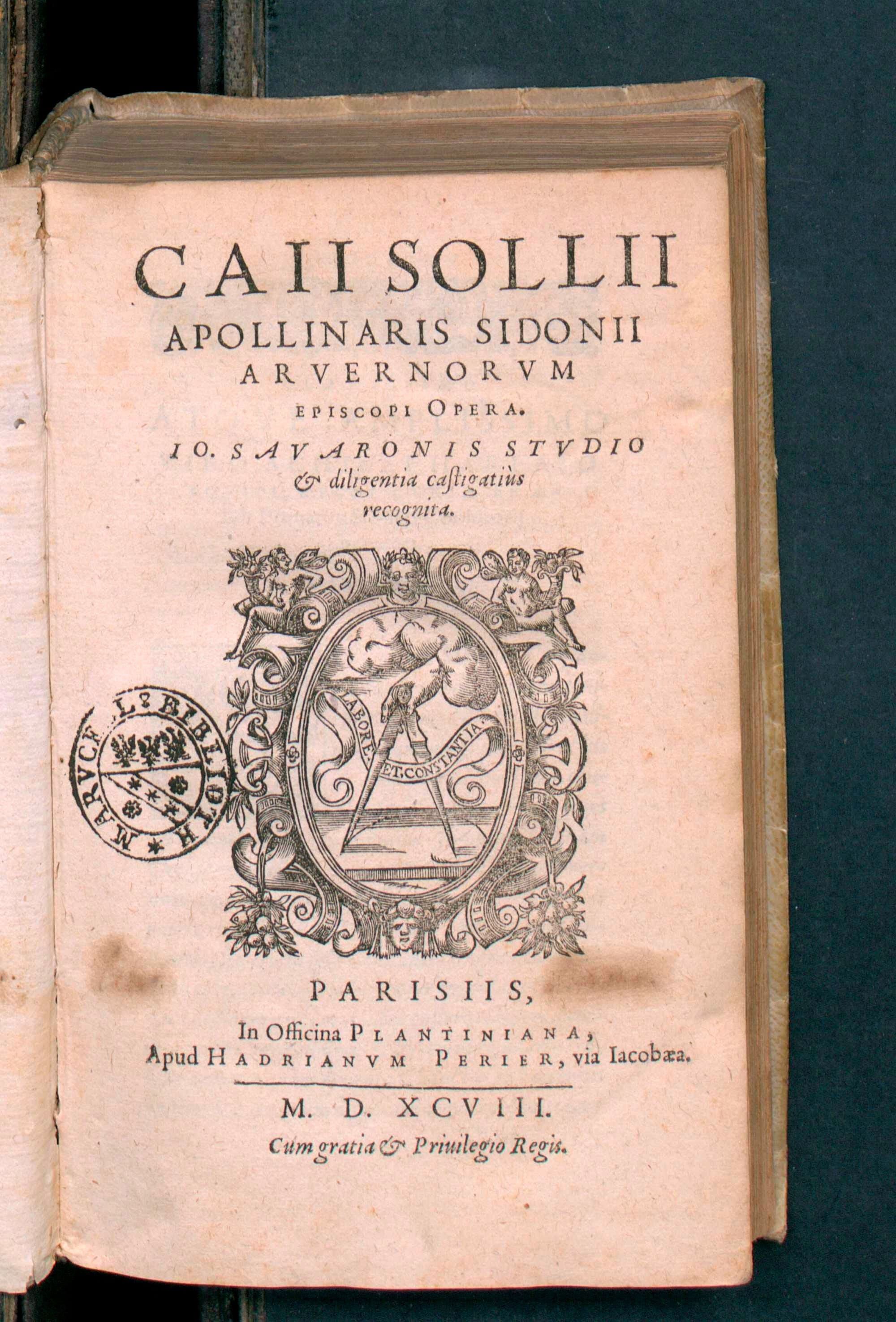
Majorian’s early life is difficult to reconstruct, especially before he assumed the purple. The fullest narrative thread runs through Sidonius Apollinaris’ panegyric – a text that is indispensable, but also inherently compromised by its purpose and context. Sidonius himself had reason to treat emperors as patrons as much as subjects: he was connected to multiple regimes and composed panegyrics for more than one ruler.
Before turning his pen to Majorian, he had supported Avitus, his father-in-law, and later he would produce a panegyric for Anthemius, who followed Majorian.
This background makes the relationship between Sidonius and Majorian potentially strained from the outset. Majorian had been involved in the overthrow that ended Avitus’ rule, and Gaul soon became a flashpoint of resistance to Majorian’s authority. Sidonius’ own city, Lugdunum (Lyon), is presented as one of the principal centres of that unrest.
The panegyric, delivered at Lyon, can therefore be read as part of a wider attempt to reduce tensions between Gaul and Italy – and, more immediately, to secure a workable settlement for the city and for Sidonius himself by demonstrating loyalty to the new emperor.
All of this heightens the risks of using the poem as evidence. Panegyric as a genre is designed to praise, and Sidonius’ skill as a poet means the text is saturated with rhetorical amplification. Yet it can still preserve useful details about Majorian’s career, provided it is read with constant awareness of exaggeration, self-interest, and the political bargaining that often sat behind public praise.
When Sidonius turns to Majorian’s origins, the family is not presented as one of the great dynastic houses. Instead, the poem builds status through military association. The first ancestor singled out is Majorian’s maternal grandfather, also named Majorian, who is said to have reached high command under Theodosius the Great and to have operated on the Danubian frontier, with Aquincum placed at the centre of this frontier world.
Sidonius describes campaigns against Goths in language steeped in classical ethnographic naming, assigning older labels to contemporary peoples and places. The picture is of a competent frontier commander whose reputation, while not strongly reflected in certain narrative historians, could still be made to serve as an honourable foundation for his grandson.
Sidonius then introduces Majorian’s father, strikingly without naming him, and frames him through loyalty rather than lineage. The father is depicted as a senior imperial servant who chose to attach himself to one powerful patron – Aetius – and remained unmoved even by the prospect of the consulship.
His office is described in financial-administrative terms, with an emphasis on restraint and probity, as though his moderation safeguarded his son’s future resources as much as his position advanced the family’s standing. In Sidonius’ construction, the family’s claim to distinction lies less in aristocratic ancestry than in service, discipline, and proximity to celebrated leaders: Theodosius for the grandfather, Aetius for the father.
That connection to Aetius also becomes the engine of Majorian’s own early career. Sidonius places him in Aetius’ forces at a young age and depicts his formative years as shaped by campaigns in Gaul, where he is portrayed as learning the craft of war in the field. The poem adds the expected martial superlatives, even comparing him to heroic and mythic exemplars, but behind the ornament lies a consistent theme: Majorian emerges primarily as a soldier, trained through service and campaigning rather than as a civilian statesman shaped by a formal liberal education.
Sidonius also includes a phase of political exile. In his telling, this retreat is tied to fears about Majorian’s ambitions and the politics of dynastic marriage, with Placidia – Valentinian the Third’s younger daughter – positioned as the key figure in succession manoeuvring.
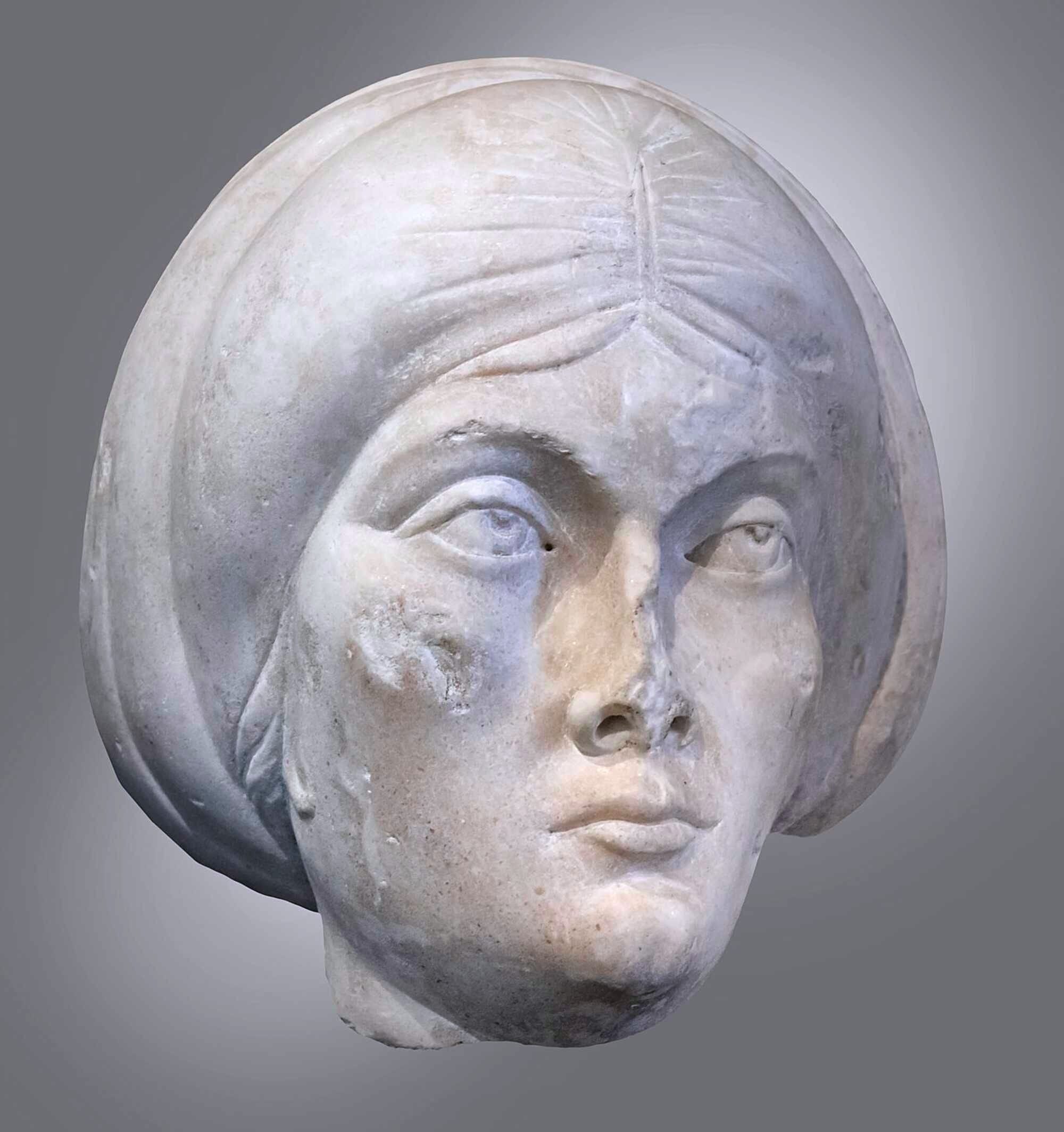
Aetius’ wife, presented as hostile to Majorian’s prospects, is made to articulate that anxiety directly, framing Majorian as a threat to plans centred on her own son, Gaudentius. The poem’s implication is that Majorian was viewed as a plausible imperial candidate because a marriage to Placidia could create the closest available link to the imperial house at a moment when Valentinian lacked a male heir and the elder daughter’s marriage prospects were already politically allocated.
Majorian’s return to active service is tied to the crisis after Aetius’ death. Sidonius has Valentinian recall him and assign him the task of bringing Aetius’ bucellarii under imperial control. Valentinian’s murder soon after prevented any longer-term outcome from this commission, and later titles are difficult to pin down with certainty, but the sequence supports Sidonius’ broader portrait of Majorian as a trusted military operator during a rapidly destabilising succession.
For the upheavals after Valentinian’s assassination, the evidence becomes more fragmentary and contradictory. One strand of testimony suggests a contested field of candidates – including Majorian – and even hints at support from the imperial widow Eudoxia, but this report stands alone and is difficult to weigh confidently against the wider silence.
Sidonius’ panegyric, meanwhile, moves through the disasters associated with Petronius Maximus and the sack of Rome while crafting a delicate rhetorical transition to Majorian’s rise. The poem contains a famously awkward passage that seems to brush against the idea that Majorian might have been implicated, at least by inaction, in the miseries of the state – and then quickly repositions him among soldier-emperors who restore order after dynastic collapse, comparing his accession to earlier moments of renewal.
Read closely, the section reveals how Sidonius tries to balance praise with the memory of recent catastrophe. The poem insists on Majorian’s legitimacy as a restorer, even as it cannot entirely avoid the moral and political debris of the years immediately preceding his reign.
The result is a portrait that is valuable precisely because it shows what had to be said – and what had to be smoothed over – for Majorian to be presented as a credible ruler in the aftermath of humiliation and disorder. ("The Last Romans: Emperor Majorian and the Fall of Rome. A study of the Late Empire and its energetic Emperor" by Janus de Vries. University College Tilburg. Liberal Arts and Sciences. Humanities Major Bachelor Thesis)
Majorian’s Laws – A Programme of Repair
In early 458, Majorian addressed the fiscal damage that had accumulated in the provinces. He cancelled arrears that had become impossible to pay, then tied that concession to enforcement by restricting how collection was carried out, limiting the scope for local administrators to exploit the process and reserving key responsibilities to provincial governors.
Later the same year, further measures targeted losses to the treasury caused by corruption in provincial administration and the courts, pressing officials to stop diverting public money for private benefit.
He also tried to stabilise civic life through local protection. The defensor civitatis was strengthened as a barrier against oppression at the municipal level. In Rome, he issued a law against dismantling public buildings for reusable material, treating the practice as a long-standing abuse that disfigured the city and setting penalties and controls intended to stop it.
Surviving legislation also shows attention to the way legal and ecclesiastical mechanisms could be used to distort property outcomes, including a prohibition on coercive ordinations that turned inheritance into a tool of exclusion.
Majorian’s reforms are preserved mainly through his Novellae (imperial “new laws”), especially those issued in 458 (mostly at Ravenna). What survives lets us point to a fairly clear programme: tax relief + anti-corruption enforcement + rebuilding municipal protection + protecting public property/monuments + tightening inheritance/clerical abuses.
Fiscal relief and tax-collection discipline
Remission of tax arrears (Novella 2, De indulgentiis reliquorum, 11 March 458): cancels accumulated back taxes that had become impossible to pay, explicitly framed as a way to restart normal collection by removing the crushing backlog.
Restricting who can collect taxes (within Novella 2): bars unauthorized/abusive public officials (who had been skimming) from tax collection, reserving collection authority to the proper provincial governors.
Fisc and judicial venality (Novella 5, De bonis caducis sive proscriptorum, 4 September 458): addresses losses to the treasury caused by judges’ corruption and orders oversight to stop provincial fraud against the fisc.
Currency / payments in Gaul (Novella 7.14, 6 November 458): regulates what collectors can refuse/accept in solidi, with a specific carve-out for “Gallic” solidi valued differently
Municipal administration and the curial class
Curiales/Decurions and flight from obligations (Novella 7, 6 November 458): tackles the collapse of town councillors (decurions) who were liable for shortfalls, describing how corruption and extortion drove them to flee, hide under patrons, and evade civic duty; it sets measures intended to stabilise and regulate the class.
Reviving the defensor civitatis (Novella 3, De defensoribus civitatum, 8 May 458): attempts to restore/strengthen the city “defender” office to protect ordinary people from oppression (especially around tax collection).
Property, inheritance, and clerical abuses
Safeguarding inheritances for families (Novella 6, 26 October 458): addresses problems around widows/nuns and inheritance, aiming to protect children’s interests and curb predatory manoeuvres around estates.
Episcopal jurisdiction and forced ordinations (Novella 11, 28 March 460): prohibits coercive ordinations used to manipulate inheritance outcomes (making someone clergy to block succession), and regulates related church-legal practices.
Majorian’s fall did not erase what he attempted. The laws, the tone of command, the insistence that public authority still mattered – all of it points to a ruler who treated collapse as something that could be confronted, organised against, and, at least in part, corrected. The Western Empire did not survive his removal, but the outline of his programme survives as evidence of how late Roman government still imagined repair: through discipline, restored offices, protected resources, and a claim that the state could still be made to function.

About the Roman Empire Times
See all the latest news for the Roman Empire, ancient Roman historical facts, anecdotes from Roman Times and stories from the Empire at romanempiretimes.com. Contact our newsroom to report an update or send your story, photos and videos. Follow RET on Google News, Flipboard and subscribe here to our daily email.
Follow the Roman Empire Times on social media: