Roman Empire Anecdotes
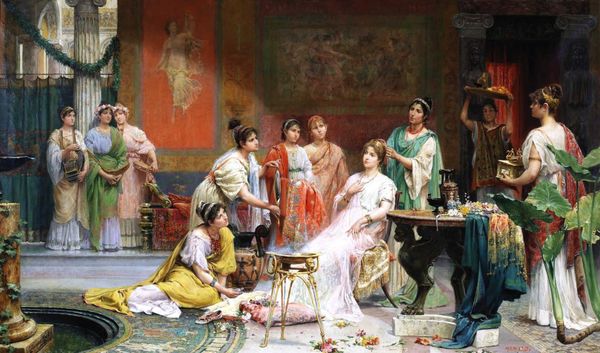
Incense in Ancient Rome: Smoke, Ritual, and Power
From temple rites to family altars and funerals, incense in the Roman Empire was a ritual tool with global supply chains, moral debates, and political weight.

Roman Empire Anecdotes
From temple rites to family altars and funerals, incense in the Roman Empire was a ritual tool with global supply chains, moral debates, and political weight.
Roman Empire Anecdotes
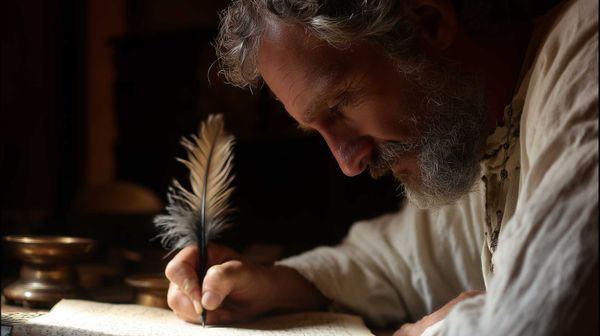
From Braga to Jerusalem, Orosius carried letters, relics, and arguments—but his legacy rests on the Historiae, a sweeping Christian vision of world history that shaped medieval thought.
Roman Empire Anecdotes
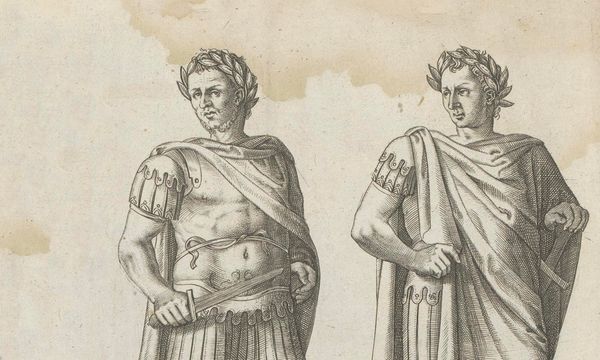
Ancient writers cast Titus and Domitian as rival brothers, with the younger plotting against the elder. Inscriptions, coins, and monuments, however, reveal a dynasty that publicly honored unity, complicating the image of fraternal enmity.
Roman Empire Anecdotes
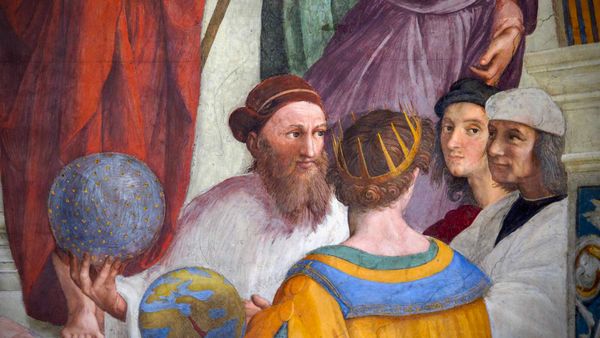
Strabo’s Geography stitched together mountains, rivers, and peoples into a vision of Rome’s dominion. His work, both silent and selective, mapped not just lands but identities, placing cities, cultures, and empire within concentric circles of belonging.
Roman Empire Anecdotes
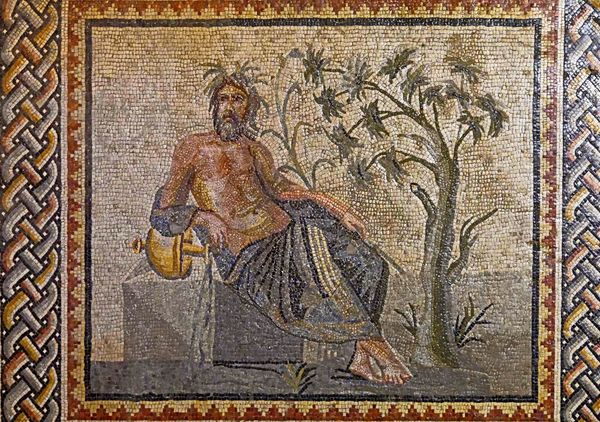
Old age in Rome was both feared and revered. Cicero praised its dignity, Juvenal mocked its weakness, and proverbs marked sixty as the threshold of decline. Between honor and ridicule, the elderly lived at the margins of Roman society.
Roman Empire Anecdotes
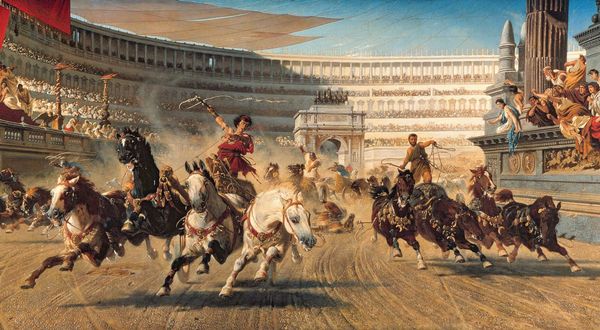
Scorpus, star of the Greens, won 2,048 races before dying in his twenties. Celebrated by Martial and mourned by Rome, he rose from servile origins to become the darling of the Circus Maximus — a legend forged in speed, danger, and the roar of the crowd.
Roman Empire Anecdotes
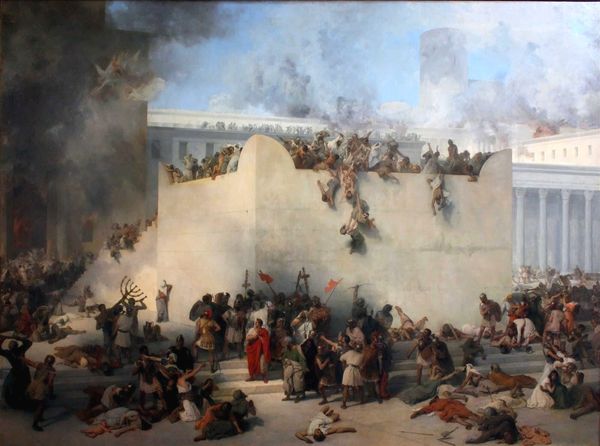
Hadrian’s suppression of the Bar Kokhba revolt reshaped Judaea forever. Jerusalem became Aelia Capitolina, Jews were barred from their holy city, and the province itself was renamed Syria Palaestina—a lasting reminder of how Rome used power and memory to punish rebellion.

Roman Empire Anecdotes
Elite Romans treated scent as strategy. From Cleopatra’s Mendesian blends to Nero’s perfumed banquets, ancient niche perfumes signaled rank, taste, and power.
Roman Empire Anecdotes
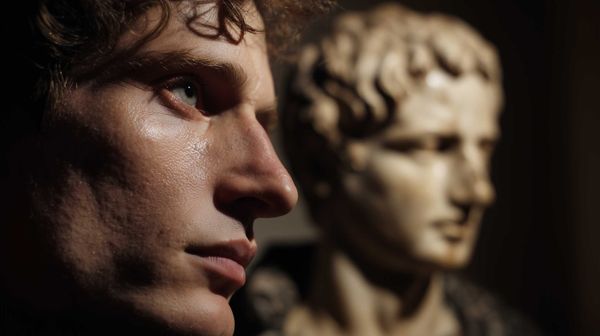
Gaius Caesar, grandson and adopted son of Augustus, was groomed as Rome’s imperial heir, showered with honors and entrusted with command in the East. His sudden death at twenty-three shattered Augustus’ dynastic hopes and reshaped the course of the empire.
Roman Empire Anecdotes
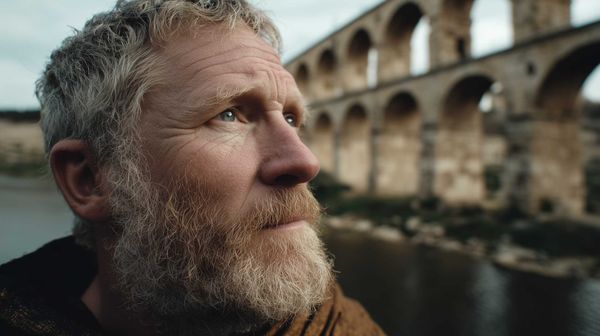
Sextus Julius Frontinus embodied Rome’s genius for both war and order. From battlefield stratagems to aqueducts, his works reveal the mind of a senator who mastered strategy and sustained the Eternal City.
Roman Empire Anecdotes
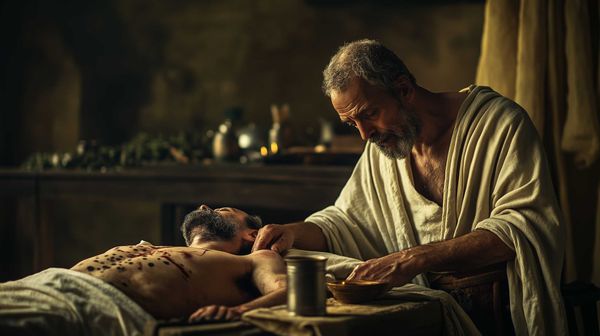
From the sands of Pergamon’s arena to the palaces of Rome, Galen became the empire’s most famous physician, serving gladiators, emperors, and shaping medicine for over a millennium.
Roman Empire Anecdotes
Juvenal’s satires turn rage into art, exposing Rome’s vices with a voice both fierce and sublime. His life remains shadowed—shaped by exile, poverty, and suspicion—but his verses endure as monuments of indignation and moral force.
Roman Empire Anecdotes
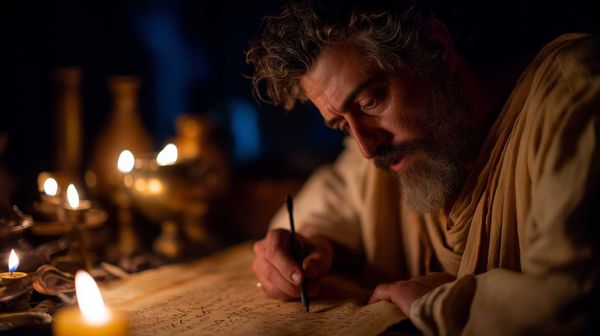
Marcus Terentius Varro sought to catalogue Rome itself — its language, gods, customs, and farms. From etymology to agriculture, his vast writings preserved the memory of a people whose strength lay in mixture, tradition, and resilience.
Roman Empire Anecdotes
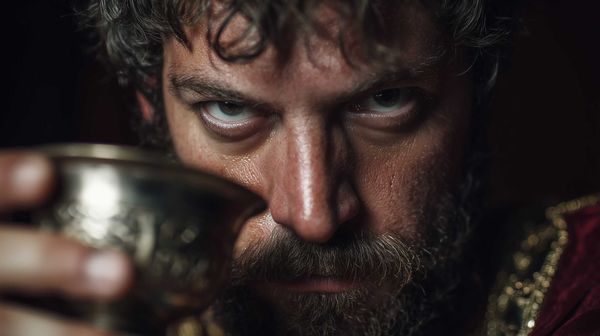
Lucius Verus is often overshadowed by his co-emperοr, Marcus Aurelius, but his rich in contrast and character biography deserves a deep dive.
Roman Empire Anecdotes
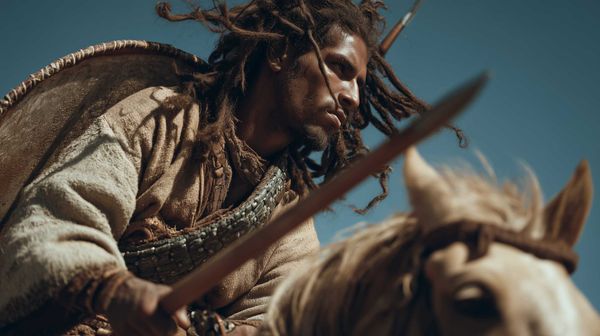
Bareback across the North African plains, Numidian horsemen changed the course of Roman warfare—while their highland homeland defied conquest for centuries. From Masinissa’s cavalry to the Aurès frontier, Numidia helped shape Rome’s military and imperial legacy.
Roman Empire Anecdotes
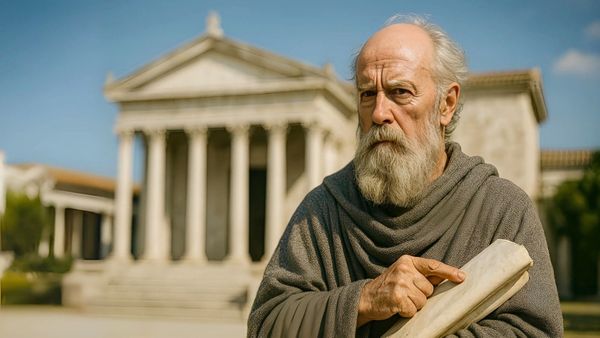
Vitruvius wasn’t Rome’s most famous architect—but he gave architecture its voice. His treatise De Architectura did more than codify how to build; it taught Rome how to think about building.