Roman Empire Historical Facts
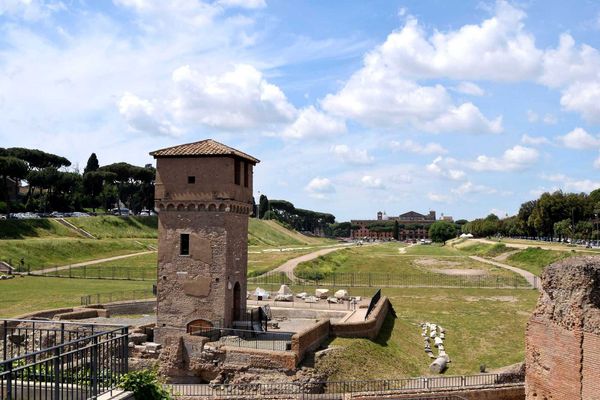
The Ancient Blueprint Behind Every Modern Stadium
What survives now is only the emptiness of a vast space, yet it carries the weight of a city’s anticipation and the memory of its most restless hours.

Roman Empire Historical Facts
What survives now is only the emptiness of a vast space, yet it carries the weight of a city’s anticipation and the memory of its most restless hours.

Roman Empire Anecdotes
From Spain’s quiet frontier to Domitian’s court, Quintilian shaped Rome’s moral voice. His Institutio Oratoria united eloquence and virtue, teaching that only the good man can truly speak well.

Roman Empire Historical Facts
In a world ruled by signs and shadows, the Romans saw meaning in every tremor and whisper. Fear was not weakness but wisdom—their way of reading a universe alive with gods, ghosts, and omens.
Roman Empire Anecdotes
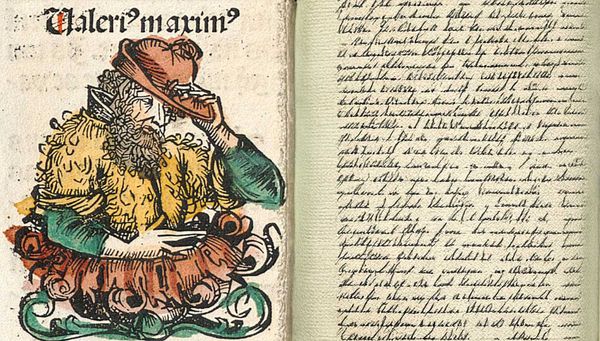
In Tiberius’ cautious age, Valerius Maximus turned Rome’s past into a manual of virtue. His exempla taught how to speak of courage, justice, and restraint—while his silences reveal the moral tensions of imperial power.
Roman Empire Anecdotes
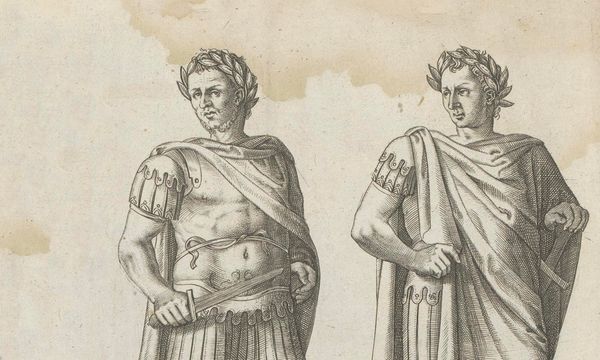
Ancient writers cast Titus and Domitian as rival brothers, with the younger plotting against the elder. Inscriptions, coins, and monuments, however, reveal a dynasty that publicly honored unity, complicating the image of fraternal enmity.
Roman Empire Anecdotes
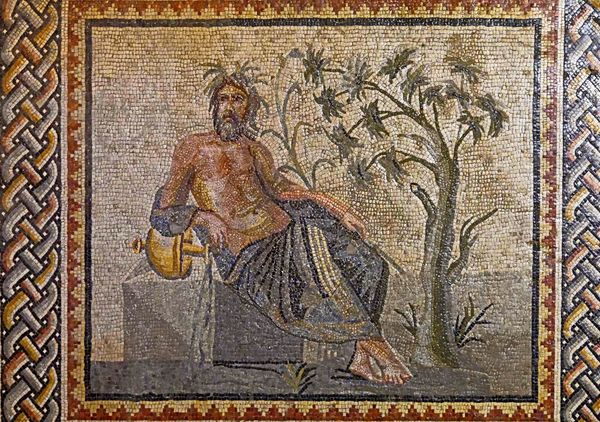
Old age in Rome was both feared and revered. Cicero praised its dignity, Juvenal mocked its weakness, and proverbs marked sixty as the threshold of decline. Between honor and ridicule, the elderly lived at the margins of Roman society.
Roman Empire Historical Facts
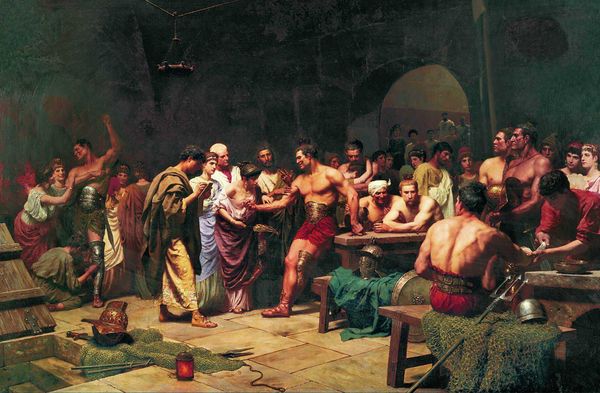
Chains, poverty, bread, and spectacle — everyday realities shaped Roman life as much as empire and conquest. From slaves in collars to crowds in the arena, ancient voices reveal a society built on labor, patronage, and performance, where survival and glory intertwined.
Roman Empire Anecdotes
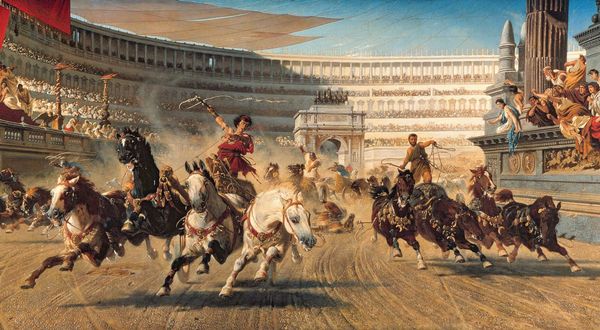
Scorpus, star of the Greens, won 2,048 races before dying in his twenties. Celebrated by Martial and mourned by Rome, he rose from servile origins to become the darling of the Circus Maximus — a legend forged in speed, danger, and the roar of the crowd.

Roman Empire Historical Facts
Perfume in Rome was far more than adornment. From daily anointing after the bath to clouds of incense greeting emperors in the streets, scent became a language of status, ritual, and identity—at once a personal luxury and a public symbol of power.

Roman Empire Anecdotes
Sextus Julius Frontinus embodied Rome’s genius for both war and order. From battlefield stratagems to aqueducts, his works reveal the mind of a senator who mastered strategy and sustained the Eternal City.
Roman Empire Historical Facts
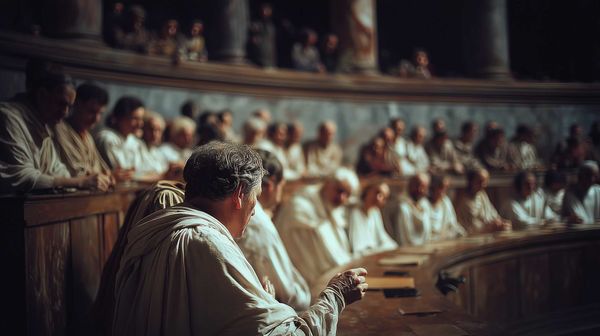
From royal council to imperial echo, the Roman Senate survived upheaval, adapting to centuries of change. Even stripped of power, it remained the beating heart of Roman identity—a symbol more potent than its voice.
Roman Empire Historical Facts
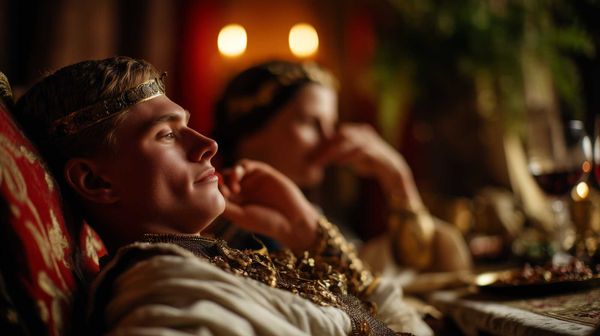
They didn’t just dine—they performed. The Roman convivium was a spectacle of power, where food, posture, and even the furniture spoke volumes about wealth, status, and control. To eat was to assert who you were—and who you weren’t.
Roman Empire Historical Facts
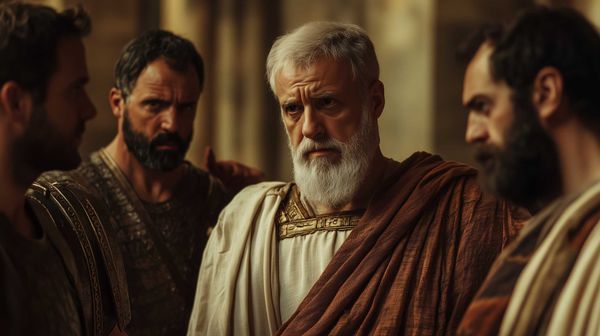
Plutarch, the Greek historian, biographer, and philosopher, wrote in an era when Rome dominated the Mediterranean world, yet his works found an eager audience among the very people who had conquered his homeland.
Roman Empire Anecdotes
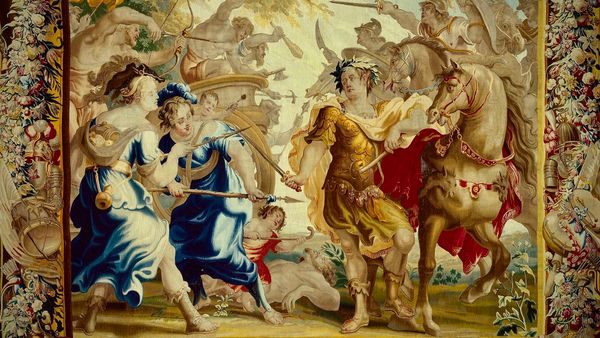
The Gallic Wars, a series of military campaigns waged by Gaius Julius Caesar between 58 and 50 BCE, stand as a critical chapter in both Roman and European history.

Roman Empire Anecdotes
In the vast tapestry of Roman history, where emperors often rose to fame through conquests or fell from grace amidst scandal, Antoninus Pius stands out as a unique figure.
Roman Empire Historical Facts
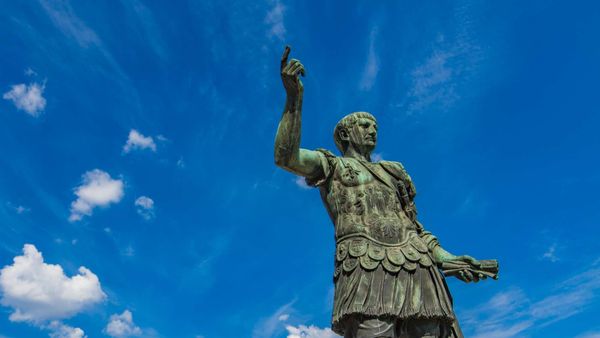
Emperor Trajan, is remembered by history as one of Rome’s greatest leaders, who epitomized the ideals of a just and capable ruler.