Roman Empire Historical Facts
Rome’s Greatest Name You Rarely Hear
Power does not always announce itself. Sometimes it works quietly, close to the center of events, shaping outcomes while leaving few traces behind
Roman Empire Historical Facts
Power does not always announce itself. Sometimes it works quietly, close to the center of events, shaping outcomes while leaving few traces behind
Roman Empire Historical Facts
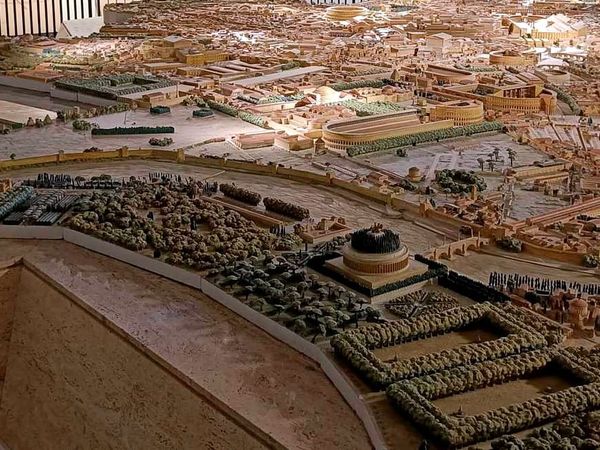
What survives now is only the emptiness of a vast space, yet it carries the weight of a city’s anticipation and the memory of its most restless hours.
Roman Empire Anecdotes
In 44 BCE a bright star rose over Caesar’s funeral games. Romans called it the Julian Star. Poets, coins, and politics made it immortal. What really appeared—and how did it become proof of a god?
Roman Empire Historical Facts
Through myth, theatre, and fire, Nero transformed scandal into legend. Reviled by elites yet adored by crowds, he turned empire into stagecraft and himself into Rome’s most enduring paradox.
Roman Empire Anecdotes
In Tiberius’ cautious age, Valerius Maximus turned Rome’s past into a manual of virtue. His exempla taught how to speak of courage, justice, and restraint—while his silences reveal the moral tensions of imperial power.
Roman Empire Anecdotes
Strabo’s Geography stitched together mountains, rivers, and peoples into a vision of Rome’s dominion. His work, both silent and selective, mapped not just lands but identities, placing cities, cultures, and empire within concentric circles of belonging.
Roman Empire Anecdotes
Old age in Rome was both feared and revered. Cicero praised its dignity, Juvenal mocked its weakness, and proverbs marked sixty as the threshold of decline. Between honor and ridicule, the elderly lived at the margins of Roman society.
Roman Empire Historical Facts
Behind Rome’s power and conquests lay the daily lives of its people. From family and education to poverty, slavery, law, and spectacle, their routines and struggles reveal how ordinary Romans shaped the empire’s enduring legacy.
Roman Empire Anecdotes
Gaius Caesar, grandson and adopted son of Augustus, was groomed as Rome’s imperial heir, showered with honors and entrusted with command in the East. His sudden death at twenty-three shattered Augustus’ dynastic hopes and reshaped the course of the empire.
Roman Empire Historical Facts
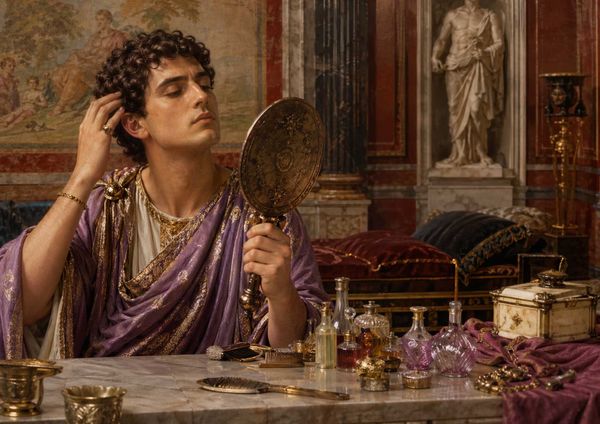
Perfume in Rome was far more than adornment. From daily anointing after the bath to clouds of incense greeting emperors in the streets, scent became a language of status, ritual, and identity—at once a personal luxury and a public symbol of power.
Roman Empire Historical Facts
Valerian’s capture by Shapur I in 260 CE was Rome’s most humiliating defeat—its emperor turned into a Persian trophy. His fate, ambiguous and unforgettable, inspired centuries of reinterpretation, from Christian polemic to Byzantine invective and Persian pride.
Roman Empire News
Political murder rarely restores an old order; in Rome it rewired incentives, putting armies, money and short-term bargains above process. From Caesar’s Ides to the auction of 193, assassinations taught Romans to price power—and to expect violence to decide it.
Roman Empire Historical Facts
Gaius Marius reshaped Rome’s war-machine. By opening enlistment to the capite censi, organizing legions by cohorts, lightening baggage—“Marius’ Mules”—and elevating the eagle, he turned a citizen militia into a professional army that outlived the Republic.
Roman Empire News
Netflix’s revival of Spartacus will thrill fans of gladiatorial drama. For history-minded viewers, though, the series remains a stylized fiction that recasts a fragmentary past into soap-operatic certainties.
Roman Empire Historical Facts
From humble Arpinum to seven consulships, Gaius Marius saved Rome from Jugurtha and the northern tribes. Yet his ambition, violence, and rivalry with Sulla turned triumph into terror, leaving a legacy both heroic and destructive.
Roman Empire Historical Facts
Sulla marched on Rome, ruled by terror, and then did the unthinkable—he gave up absolute power. A paradox of reformer and tyrant, he reshaped the Republic through blood and law, leaving a legacy that foreshadowed Caesar and the emperors to come.