Roman Empire Anecdotes
Niche Perfumes in Ancient Rome: How Did Emperors Smell Like?
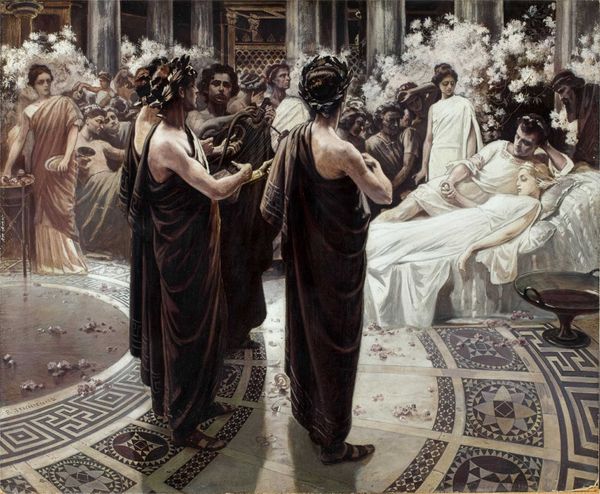
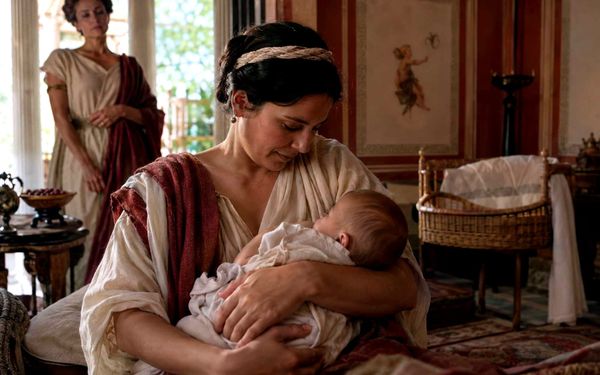
Elite Romans treated scent as strategy. From Cleopatra’s Mendesian blends to Nero’s perfumed banquets, ancient niche perfumes signaled rank, taste, and power.
Anecdotes, historical facts, fictional stories and news curated from a small team of human writers, fascinated with Ancient Rome and its myriad myths and legends.
Roman Empire Anecdotes
Elite Romans treated scent as strategy. From Cleopatra’s Mendesian blends to Nero’s perfumed banquets, ancient niche perfumes signaled rank, taste, and power.
Roman Empire Anecdotes
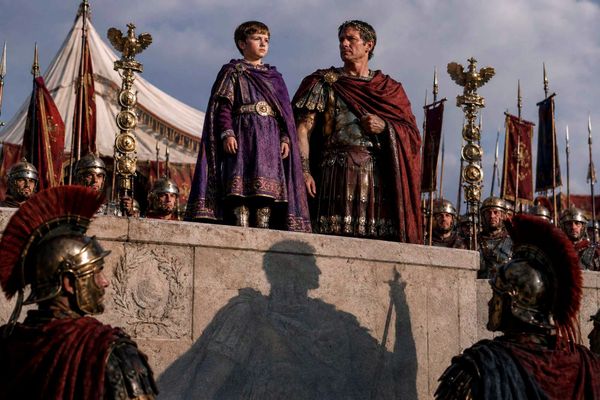
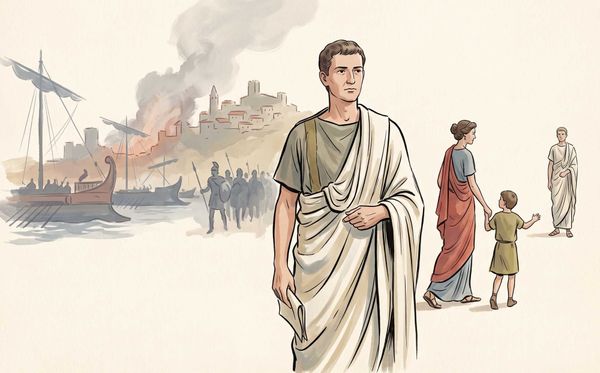
Gaius Caesar, grandson and adopted son of Augustus, was groomed as Rome’s imperial heir, showered with honors and entrusted with command in the East. His sudden death at twenty-three shattered Augustus’ dynastic hopes and reshaped the course of the empire.
Roman Empire Historical Facts
Perfume in Rome was far more than adornment. From daily anointing after the bath to clouds of incense greeting emperors in the streets, scent became a language of status, ritual, and identity—at once a personal luxury and a public symbol of power.
Roman Empire Anecdotes
Sextus Julius Frontinus embodied Rome’s genius for both war and order. From battlefield stratagems to aqueducts, his works reveal the mind of a senator who mastered strategy and sustained the Eternal City.
Roman Empire Anecdotes
From the sands of Pergamon’s arena to the palaces of Rome, Galen became the empire’s most famous physician, serving gladiators, emperors, and shaping medicine for over a millennium.
Roman Empire Historical Facts
Valerian’s capture by Shapur I in 260 CE was Rome’s most humiliating defeat—its emperor turned into a Persian trophy. His fate, ambiguous and unforgettable, inspired centuries of reinterpretation, from Christian polemic to Byzantine invective and Persian pride.
Roman Empire News
Political murder rarely restores an old order; in Rome it rewired incentives, putting armies, money and short-term bargains above process. From Caesar’s Ides to the auction of 193, assassinations taught Romans to price power—and to expect violence to decide it.
Roman Empire Historical Facts
The Plague of Cyprian ravaged the Roman Empire in the 3rd century, killing thousands daily. Beyond its mystery symptoms, it reshaped society, challenged imperial power, and fueled Christianity’s rise.
Roman Empire News
The Roman Empire’s great plagues reshaped not only society but also nature. New science shows that during times of crisis, pollution levels dropped and the Mediterranean briefly healed.
Roman Empire Historical Facts
Gaius Marius reshaped Rome’s war-machine. By opening enlistment to the capite censi, organizing legions by cohorts, lightening baggage—“Marius’ Mules”—and elevating the eagle, he turned a citizen militia into a professional army that outlived the Republic.
Roman Empire News
Roman numerals on watch dials are more than decoration — they’re heritage. From medieval towers to Swiss ateliers, the choice of numerals, and the curious survival of IIII, reveals a story where symmetry, superstition, and prestige meet.
Roman Empire News
Netflix’s revival of Spartacus will thrill fans of gladiatorial drama. For history-minded viewers, though, the series remains a stylized fiction that recasts a fragmentary past into soap-operatic certainties.
Roman Empire Historical Facts
From humble Arpinum to seven consulships, Gaius Marius saved Rome from Jugurtha and the northern tribes. Yet his ambition, violence, and rivalry with Sulla turned triumph into terror, leaving a legacy both heroic and destructive.
Roman Empire News
Rome’s silver and gold wealth carried an unseen price. Mining and smelting poured lead into the air and seas, leaving a chemical signature in the Mediterranean that scientists can still measure today.
Roman Empire Historical Facts
Trebonianus Gallus and his son Volusianus ruled Rome for barely two years, beset by plague, invasion, and revolt. Their swift rise and violent fall reveal the empire’s fragility in the crisis of the third century.
Roman Empire News
The Galerias Romanas, or Roman Galleries in Lisbon are occasionally pumped out and opened to the public for limited viewings, typically twice a year.