Roman Empire Historical Facts
Rome’s Greatest Name You Rarely Hear
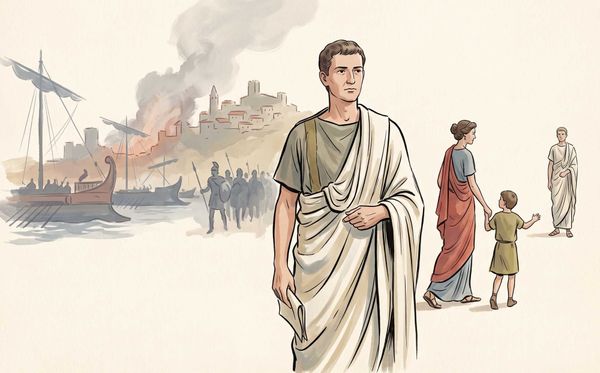
Power does not always announce itself. Sometimes it works quietly, close to the center of events, shaping outcomes while leaving few traces behind
Roman Empire Historical Facts
Power does not always announce itself. Sometimes it works quietly, close to the center of events, shaping outcomes while leaving few traces behind
Roman Empire Historical Facts
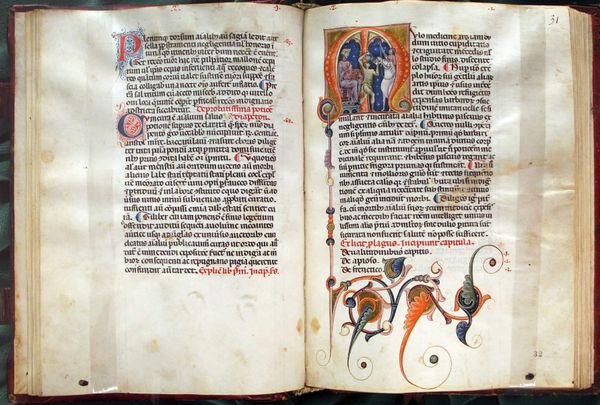
What if one man, standing at the twilight of Rome, believed that the fate of peace depended on the art of war? His words, written more than 1,500 years ago, became the backbone of medieval strategy and echoed in the training grounds of emperors and knights alike.
Roman Empire Anecdotes
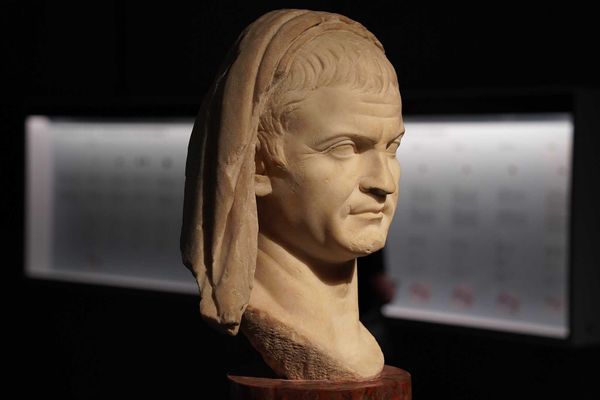
From Spain’s quiet frontier to Domitian’s court, Quintilian shaped Rome’s moral voice. His Institutio Oratoria united eloquence and virtue, teaching that only the good man can truly speak well.
Roman Empire Historical Facts
In ancient Rome, religion was a public duty, not a private creed. Through ritual, sacrifice, and the worship of countless gods, Romans sought divine favor to sustain both state and soul, blending piety, power, and tradition into the fabric of empire.
Roman Empire Historical Facts
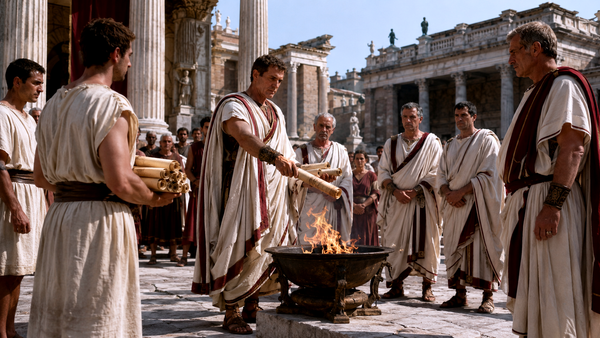
In a world ruled by signs and shadows, the Romans saw meaning in every tremor and whisper. Fear was not weakness but wisdom—their way of reading a universe alive with gods, ghosts, and omens.
Roman Empire Historical Facts
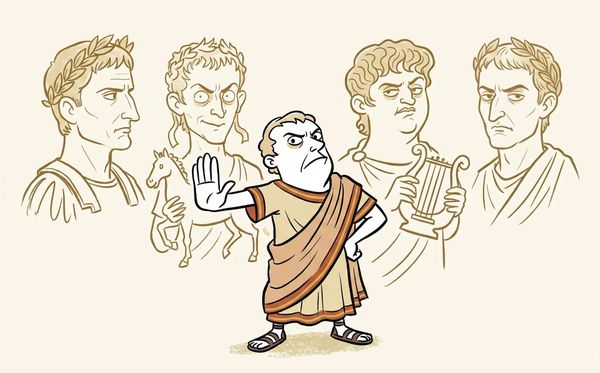
Through myth, theatre, and fire, Nero transformed scandal into legend. Reviled by elites yet adored by crowds, he turned empire into stagecraft and himself into Rome’s most enduring paradox.
Roman Empire Historical Facts
Aurelian rose from the ranks to stitch a broken empire back together. In five relentless years he beat back invaders, reunited provinces, fortified Rome, reformed money, and crowned the restoration with Sol Invictus—a brief reign, a durable repair.
Roman Empire Historical Facts
Amid the ruins of Domitian’s tyranny, Nerva brought calm without conquest. His short reign restored justice, dignity, and trust—laying the quiet foundations for Rome’s most peaceful age.
Roman Empire Historical Facts
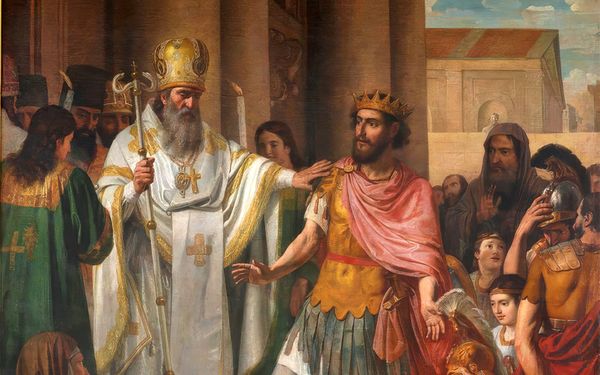
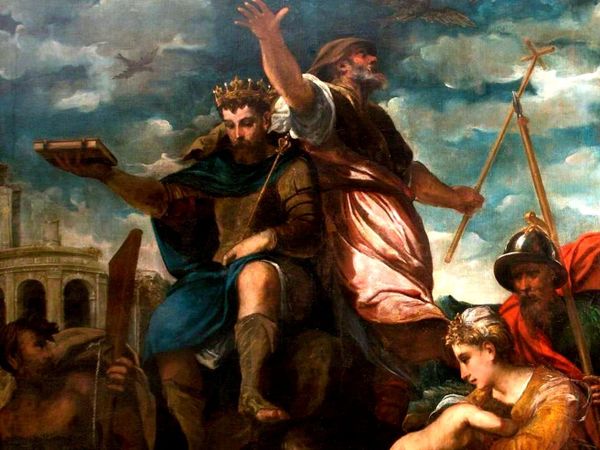
When Constantine raised the Christian cross above his armies, the world changed. Yet behind the miracle at the Milvian Bridge lies an enduring question—did faith guide the emperor, or did empire guide his faith?
Roman Empire Historical Facts
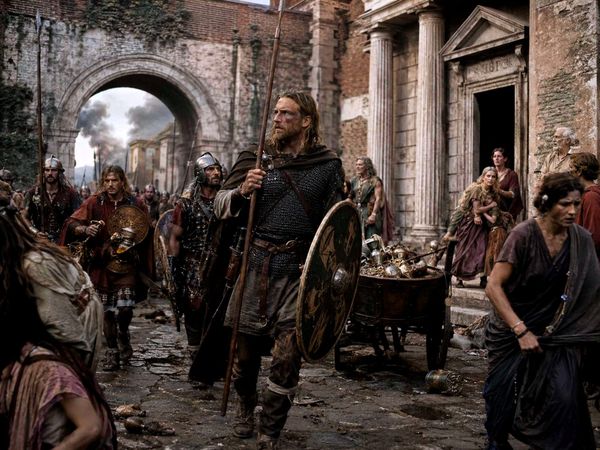
From Illyria to Corinth, Rome conquered Greece not in a day but through decades of alliances, wars, and diplomacy. Yet while the legions won the land, Greek culture won Rome — transforming its conqueror into its greatest disciple.
Roman Empire Anecdotes
Ancient writers cast Titus and Domitian as rival brothers, with the younger plotting against the elder. Inscriptions, coins, and monuments, however, reveal a dynasty that publicly honored unity, complicating the image of fraternal enmity.
Roman Empire Anecdotes
Strabo’s Geography stitched together mountains, rivers, and peoples into a vision of Rome’s dominion. His work, both silent and selective, mapped not just lands but identities, placing cities, cultures, and empire within concentric circles of belonging.
Roman Empire Historical Facts
Chains, poverty, bread, and spectacle — everyday realities shaped Roman life as much as empire and conquest. From slaves in collars to crowds in the arena, ancient voices reveal a society built on labor, patronage, and performance, where survival and glory intertwined.
Roman Empire Anecdotes
Hadrian’s suppression of the Bar Kokhba revolt reshaped Judaea forever. Jerusalem became Aelia Capitolina, Jews were barred from their holy city, and the province itself was renamed Syria Palaestina—a lasting reminder of how Rome used power and memory to punish rebellion.
Roman Empire Anecdotes
Gaius Caesar, grandson and adopted son of Augustus, was groomed as Rome’s imperial heir, showered with honors and entrusted with command in the East. His sudden death at twenty-three shattered Augustus’ dynastic hopes and reshaped the course of the empire.
Roman Empire Anecdotes
Sextus Julius Frontinus embodied Rome’s genius for both war and order. From battlefield stratagems to aqueducts, his works reveal the mind of a senator who mastered strategy and sustained the Eternal City.